
Leonard, Hagler and Galíndez Shared One Title Night Across Two Cities in 1979
On 30 November 1979 ABC broadcast three title fights from Las Vegas and New Orleans, ending with Sugar Ray Leonard stopping Wilfred Benítez with six seconds left. This is the story of the whole night, from Hagler's disputed draw to Galíndez's last title fight.

On the night of 30 November 1979, American television viewers watched three world title fights from two cities. Marvin Hagler was held to a draw in Las Vegas, Víctor Galíndez lost his crown in New Orleans, and Sugar Ray Leonard closed the broadcast by stopping Wilfred Benítez in the fifteenth round at Caesars Palace.
One Broadcast, Two Arenas
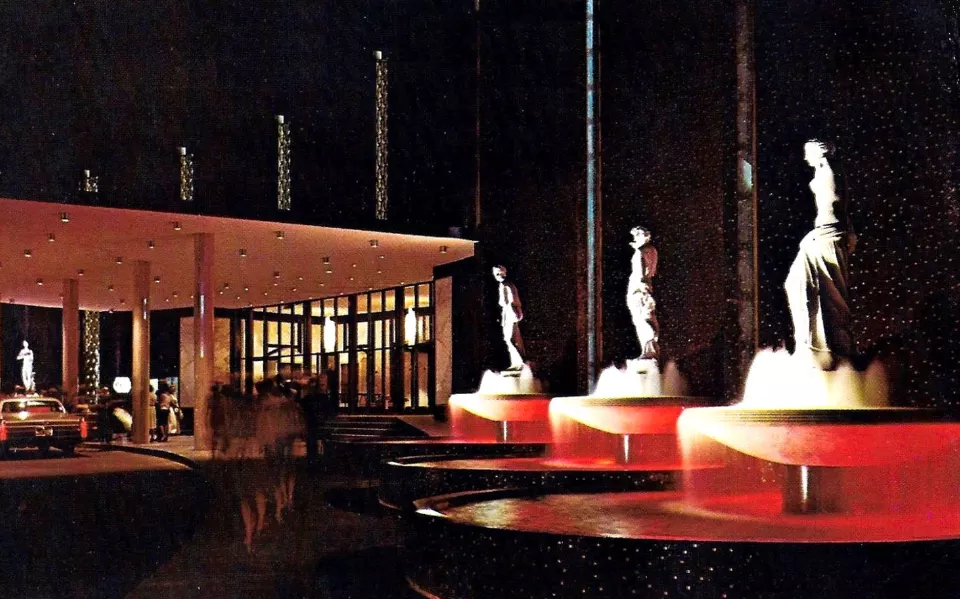
The Leonard and Benítez fight is usually remembered on its own. In 1979 it was the last part of a larger television event. Bob Arum's Top Rank promoted two cards that evening, one at Caesars Palace in Las Vegas and one at the Superdome in New Orleans, and ABC put the best of both on prime-time network television with Howard Cosell commentating. Viewers saw three championship fights in one night: middleweight and light heavyweight title fights first, then the WBC welterweight title fight as the main event.
The money showed where the main interest lay. Benítez, the champion, was paid $1.2 million and Leonard $1 million. Boxing News described the fight as the richest contest outside the heavyweight division up to that time. Still, the fights shown before it were more than filler. Before the night was over, one of them had given boxing a decision people still argue about, and another had ended a champion's reign with a broken jaw.
Hagler and Antuofermo Go Fifteen Rounds at Caesars
Vito Antuofermo had become middleweight champion only five months earlier. On 30 June 1979 in Monte Carlo he took the WBA, WBC and Ring magazine titles from Hugo Corro on a split decision, with each judge's margin a single point. His first defence was against Marvin Hagler, who was getting his first chance at a world title.
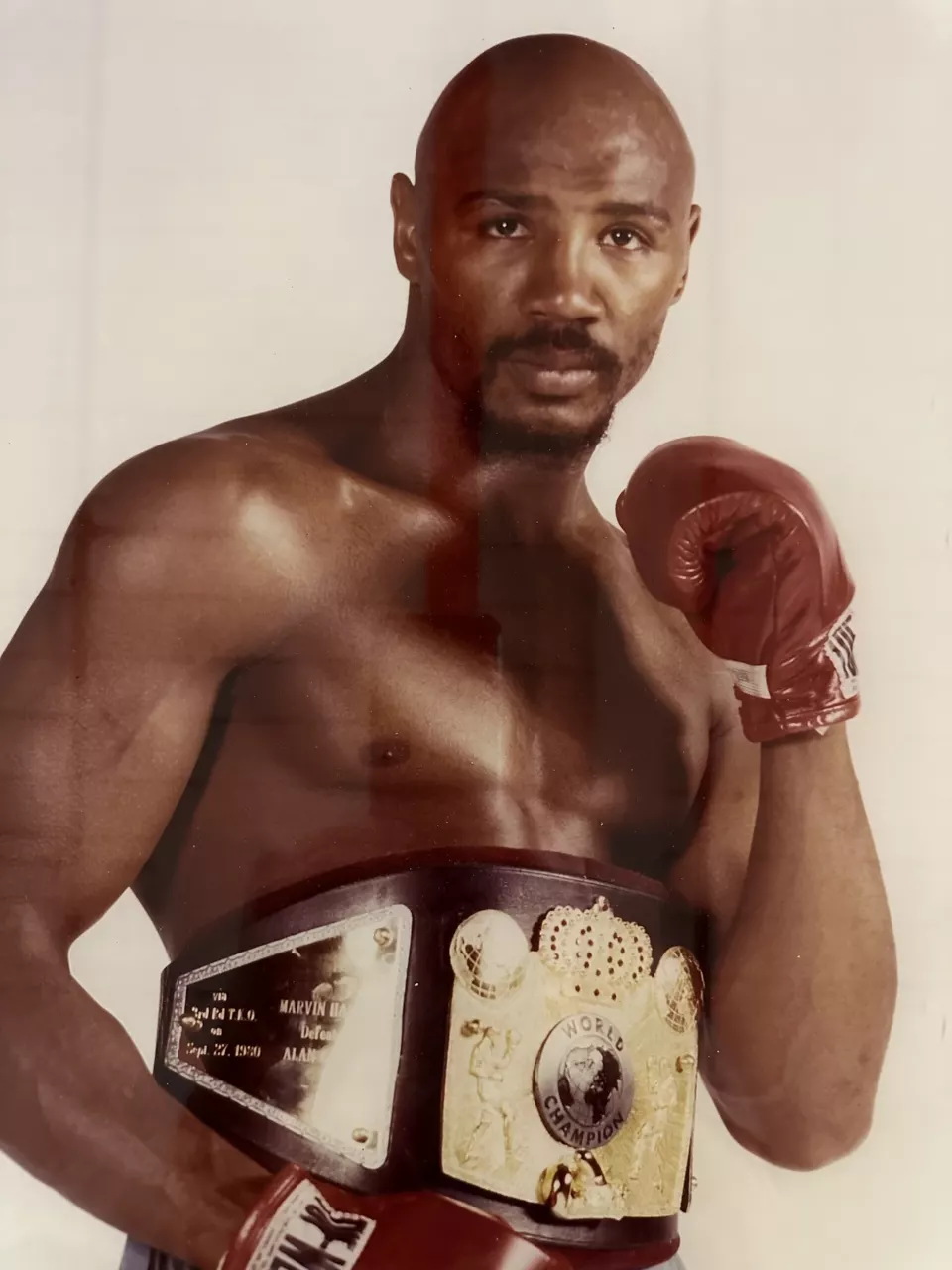
Mills Lane refereed, and the fight went the full fifteen rounds. The judges then split three ways. Duane Ford scored it 145–141 for Hagler, Dalby Shirley had 144–142 for Antuofermo, and Hal Miller scored it level at 143–143. The result was a draw, so Antuofermo kept his belts. Wikipedia's account of Hagler's career says that most ringside observers thought the challenger had won. It also says Hagler later claimed Lane told him he had won, which Lane denied. ESPN Deportes prints Shirley's card as 114–112, which seems to be a typing error for the 144–142 given elsewhere.
Hagler had to wait another ten months for a second chance. Antuofermo lost the titles to Britain's Alan Minter, and on 27 September 1980 Hagler went to Wembley Arena in London and stopped Minter in three rounds, after the referee halted the fight because of Minter's cuts. It was Hagler's fiftieth professional fight, seven years after his debut.
Galíndez Loses His Title in the Superdome
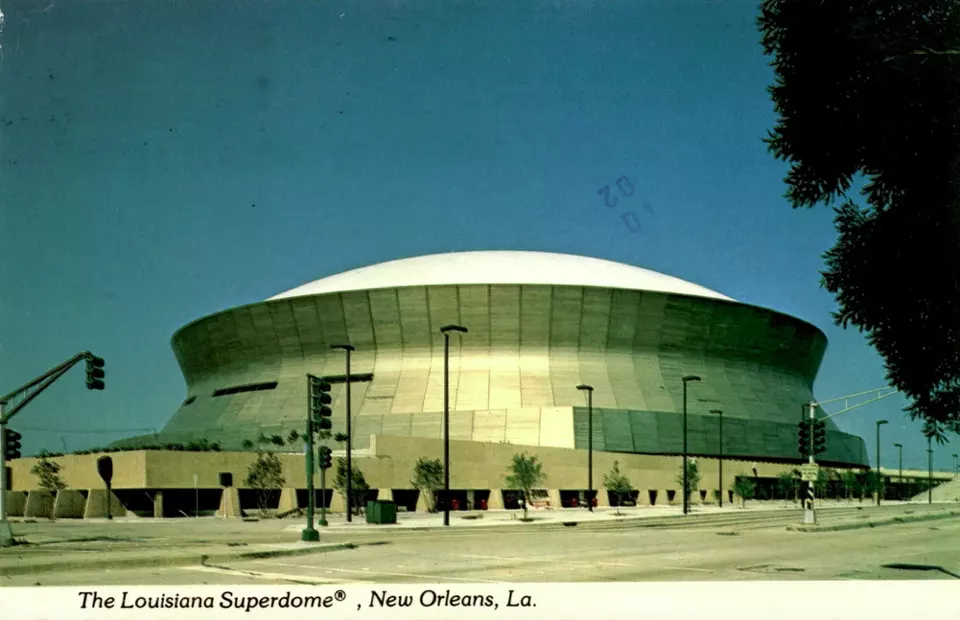
In New Orleans the main fight was at light heavyweight. Víctor Galíndez of Argentina had regained the WBA title at the same Superdome on 14 April 1979, knocking out Mike Rossman in the ninth round. The fight with Marvin Johnson was his first defence of that second reign.
Johnson already had experience at this level. On 2 December 1978 in Marsala, Italy, he had knocked out Mate Parlov in the tenth round to win the WBC version of the title. Against Galíndez the first ten rounds were competitive. In the eleventh Johnson landed his looping left hand, Galíndez went down, and his corner stopped the fight. ESPN Deportes reports that the Argentine left the ring with a broken jaw.
Neither man held the title for long after that. Johnson lost it on 31 March 1980 in Knoxville, when Eddie Mustafa Muhammad stopped him in the eleventh round, although Johnson won a light heavyweight title for a third time in 1986. Galíndez fought only once more, losing a twelve-round decision to Jesse Burnett in June 1980, before two operations for detached retinas ended his career. On 25 October 1980 he was killed in Argentina while co-driving in a Turismo Carretera race. After his car broke down, he and driver Antonio Lizeviche were walking beside the track when another competitor's car hit them.
A Young Hearns on the New Orleans Undercard
The Superdome card also included a welterweight who would soon become one of Leonard's great rivals. Thomas Hearns, still unbeaten, met Mike Colbert over ten rounds and won a unanimous decision. ESPN Deportes says Hearns put Colbert down four times. Eight months later, on 2 August 1980 at Joe Louis Arena, he knocked out Pipino Cuevas in two rounds to win the WBA welterweight title, which set up a future fight with Leonard.
Leonard and Benítez Close the Night
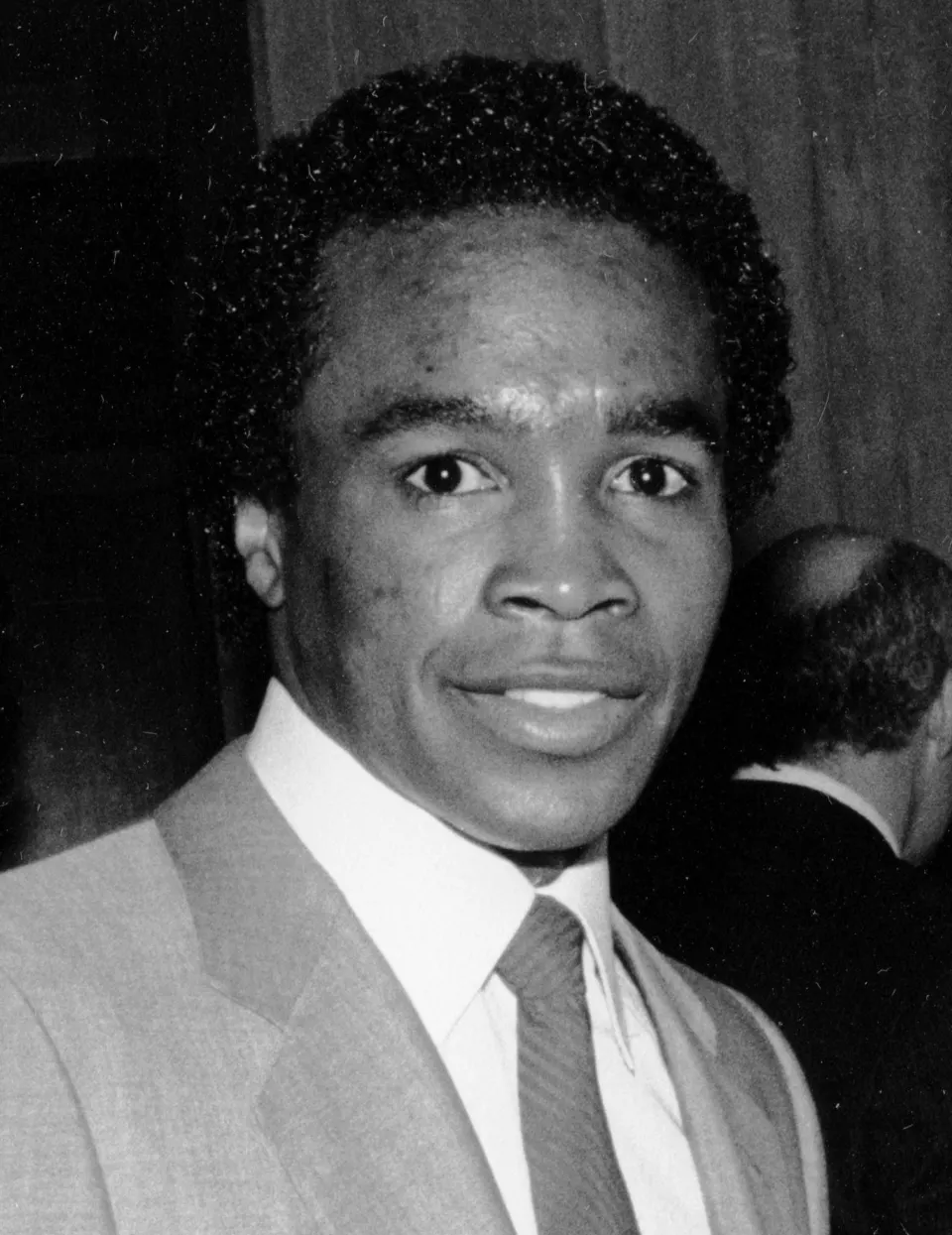
The main event matched two unbeaten fighters. Benítez was 21 and had a record of 38 wins and one draw. Leonard, an Olympic gold medalist, was 25–0 and about a 3-to-1 favourite. In the third round Leonard dropped Benítez with a jab. It was more a matter of balance than damage, but it was the first knockdown of the fight. Benítez found the range with his right hand in the fourth. In the sixth the two men clashed heads, and the champion was cut on the forehead.
After that the fight became a close, technical contest of feints and slips, the kind of defensive boxing that had earned Benítez the nickname "Radar." According to The Fight City's round-by-round account, Leonard drove him to the ropes in the ninth and hurt him with a hook in the eleventh. Leonard said afterwards that he had never been made to miss like that before. Boxing News and The Fight City both quote him: "No one, I mean no one, can make me miss punches like that."
The sources do not agree on every detail of the final round. Wikipedia says a left uppercut dropped Benítez with about thirty seconds left. Boxing News and The Fight City call the punch a left hook, and The Fight City places the knockdown in the last few seconds. Benítez got up. Wikipedia says Leonard landed two more punches before referee Carlos Padilla stopped the fight at 2:54 of the round, six seconds before the final bell. ESPN Deportes attributes the stoppage to the champion's cut. At that point Leonard led on all three cards, 137–133, 137–130 and 136–134.
What the Night Led To
Angelo Dundee, Leonard's trainer, said that the fight had shown more technical skill than anything he had seen in a long time. Benítez was gracious in defeat. "Sugar Ray is the best in the world now," he said, as quoted by Boxing News.
With the WBC title won, Leonard was expected to face either the WBA champion Pipino Cuevas or former lightweight champion Roberto Durán. Cuevas never got that fight, because the unbeaten welterweight who had won in New Orleans that night knocked him out first. Hagler, denied the title on a split draw, became champion ten months later. Within a year of the broadcast, Johnson had lost his belt and Galíndez was dead.
Sources
- Wilfred Benítez vs. Sugar Ray Leonard, Wikipedia, accessed 5 October 2026
- Vito Antuofermo, Wikipedia, accessed 5 October 2026
- Marvin Hagler, Wikipedia, accessed 5 October 2026
- Marvin Johnson (boxer), Wikipedia, accessed 5 October 2026
- Víctor Galíndez, Wikipedia, accessed 5 October 2026
- Thomas Hearns, Wikipedia, accessed 5 October 2026
- Galíndez, Hagler y Leonard, historias en dos ciudades, Carlos Irusta, ESPN Deportes, 29 November 2023
- On this day: Sugar Ray Leonard halts Wilfred Benitez in 15 rounds, Matt Christie, Boxing News, 30 November 2018
- Nov. 30, 1979: Benitez vs Leonard, Robert Portis, The Fight City, 30 November 2025


