
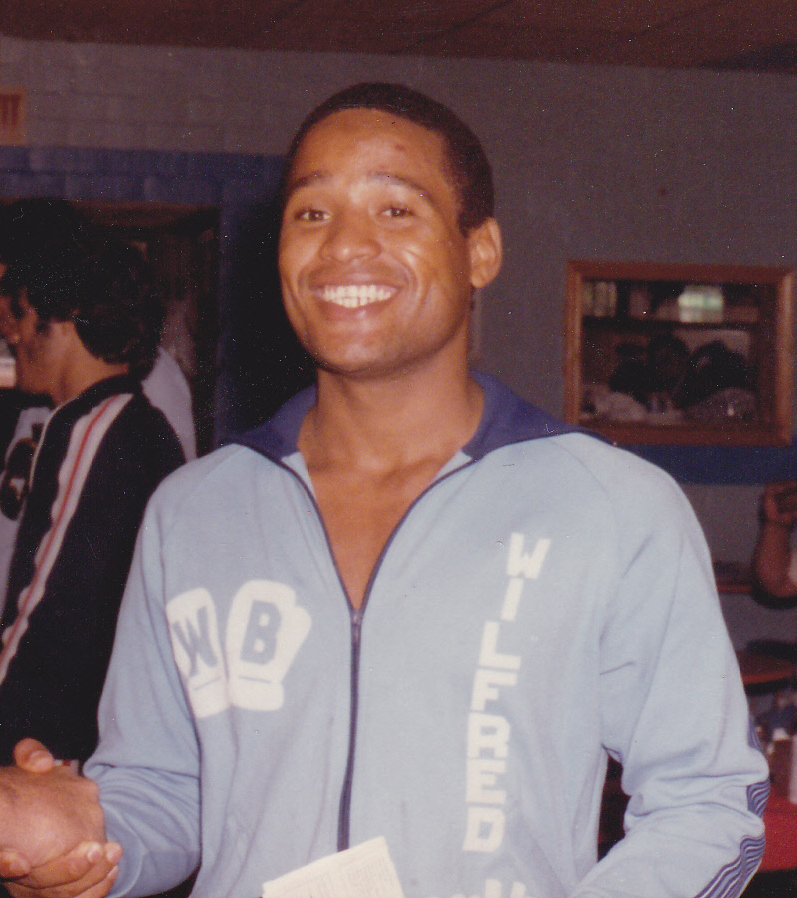
Wilfred Benítez Became a Champion at 17 and Conquered Three Divisions
From the Bronx and Carolina, Puerto Rico, to a world title at 17 and wins over Palomino, Hope and Durán, Wilfred Benítez's career burned fast, and his later years were defined by ring-related brain damage and his family's care.

Wilfred Benítez won a world title at 17, beat Carlos Palomino, Maurice Hope and Roberto Durán, and collected belts in three weight classes before he could legally drink in most American states. Defensive skill earned him the nickname "El Radar." The years after his career were hard: a degenerative brain condition caused by ring trauma, money that was gone, and a family that took on his care.
A Boxing Household Between the Bronx and Carolina
Benítez was born on September 12, 1958. Wikipedia places his birth in New York City, in the Morrisania section of the Bronx, and says he was the last of eight children of Gregorio and Clara Benítez. Some profiles simply call him Puerto Rican-born. The family moved to the San Juan area of Puerto Rico in the mid-1960s, and Carolina, a suburb of the capital, became home.
Boxing ran through the family. His older brothers Gregorio Jr., Frankie and Alfonso all fought professionally, and Frankie and Gregory were rated contenders in the 1970s. Their father ran the operation and later managed Wilfred. Clara Benítez also played a central role in the family's affairs. The Ring says Wilfred started training under his father at five and had roughly a hundred amateur bouts. Other accounts put his start at seven or eight. All the sources agree that he turned professional at 15.
Seventeen and Champion: Cervantes in San Juan, 1976
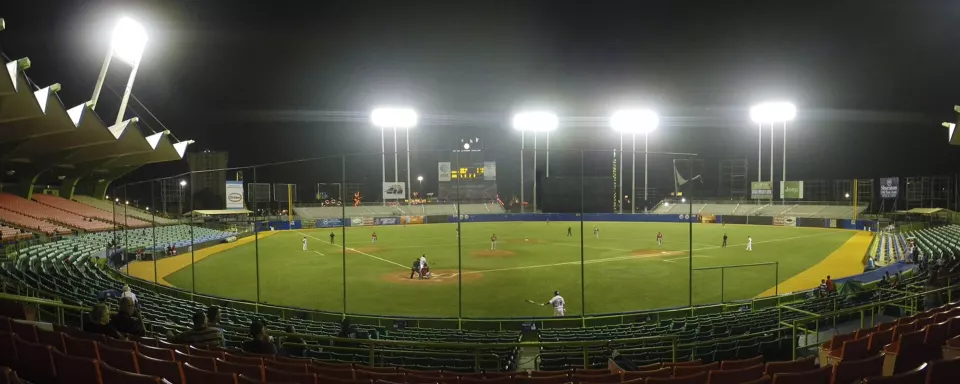
On March 6, 1976, Benítez challenged Antonio Cervantes, the Colombian known as Kid Pambelé, for the WBA junior welterweight title. Cervantes was 30 years old, held a record of 74-9-3 according to Wikipedia, and had already made ten defenses. The Ring reports that about 18,000 people came to the Estadio Hiram Bithorn in San Juan, and that Benítez was still a high school senior. Wikipedia notes that his classmates were in the crowd.
The champion raised a welt under the teenager's eye early. After that, Benítez's quick counterpunches began to win him rounds. The Ring says Cervantes hurt him in the 11th but could not keep up the pressure. Benítez won a 15-round split decision and became, at 17, the youngest world champion in boxing history. The record is widely regarded as permanent, because professional boxing now requires fighters to be at least 18. He told reporters afterward, as quoted by The Ring: "I want to dedicate this victory to my wonderful mother and dad."
Defenses, Non-Title Tests and the Move to 147
Benítez defended the WBA belt three times and then moved up in weight. Between title fights he took difficult ten-rounders. He drew with Harold Weston in February 1977 and beat Bruce Curry twice, by split decision in November 1977 and by majority decision in February 1978.
On January 14, 1979, in San Juan, he challenged Carlos Palomino for the WBC welterweight title. Wikipedia records a split decision. Referee Zack Clayton scored it 145-142 for Palomino, while judges Jay Edson and Harry Gibbs each had Benítez ahead 146-142. Now a two-division champion at 20, he defended the title against Weston in March 1979 and won a unanimous decision.
Six Seconds Short Against Leonard
On November 30, 1979, in Las Vegas, Benítez defended against Sugar Ray Leonard and lost the first fight of his career. Leonard led on all three cards, 137-133, 137-130 and 136-134. The referee stopped the bout in the 15th round with six seconds left. That fight is covered in its own ringtalk.com article. For Benítez, it marked the point where his career turned toward a heavier division.
A Third Crown: Maurice Hope at Caesars Palace
On May 23, 1981, Benítez fought WBC light middleweight champion Maurice Hope at Caesars Palace in Las Vegas. He knocked Hope out in the 12th round and won a world title in a third weight class at 22. A planned 1981 fight with Thomas Hearns at Madison Square Garden fell apart when promoter Harold Smith was charged with fraud, so the Hearns fight had to wait.
Roberto Durán came first. On January 30, 1982, back at Caesars Palace, the Panamanian legend challenged for Benítez's WBC 154-pound title. The WBC's retrospective notes that Benítez, then 23, did not rely only on defense. He went forward from the opening bell and kept landing right-hand leads. He won a 15-round unanimous decision. It was the last successful title defense of his career.
Hearns in the Superdome
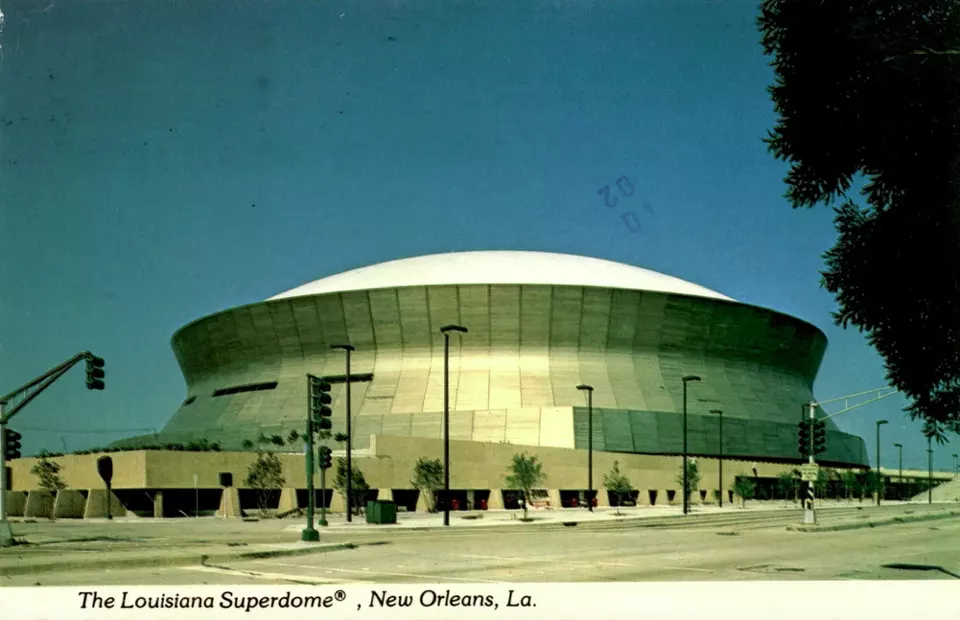
The Hearns fight finally took place on December 3, 1982, at the Louisiana Superdome in New Orleans. Wikipedia reports that ticket sales fell well short of the hoped-for 40,000, and that the fighters on the card accepted $250,000 pay cuts. In the fifth round a Hearns right hand forced Benítez to touch the canvas with both gloves, which was ruled a knockdown. Hearns had a point deducted earlier, in the fourth, for pulling Benítez's head down, and he hurt his right hand in the eighth. He still won the title. Wikipedia lists the cards as 146-137, 144-139 and 142-142, a majority decision. A WBC anniversary piece describes it as unanimous, but the even card on Wikipedia's scoring contradicts that.
The Slide: Hamsho, Moore and a Stranded Comeback
Benítez was 24, and the decline came fast. He lost a 12-round unanimous decision to Mustafa Hamsho. Wikipedia dates that fight to July 1983, while Boxing News lists it in 1984. In July 1984 Davey Moore stopped him in the second round. Boxing News records a ninth-round knockout loss to Matthew Hilton in 1986.
According to Wikipedia, Benítez was stranded in Argentina after a fight there in November 1986 and did not get back to Puerto Rico until 1988. He kept fighting anyway. His last bout was on September 18, 1990, in Winnipeg, Canada, a loss to Scott Papasodora. He finished with a record of 53 wins (31 by knockout), 8 losses and 1 draw.
Life After Boxing: Illness, Money and Family
Wikipedia dates his degenerative brain condition from ring trauma to 1989. Boxing News reports a diagnosis of post-traumatic encephalopathy in 1988. In October 1996, at 38, he was found unconscious at home, according to a 2012 Fox News Latino report. Boxing News describes it as a collapse into a coma. Wikipedia adds that he was diagnosed with diabetes in 2004.
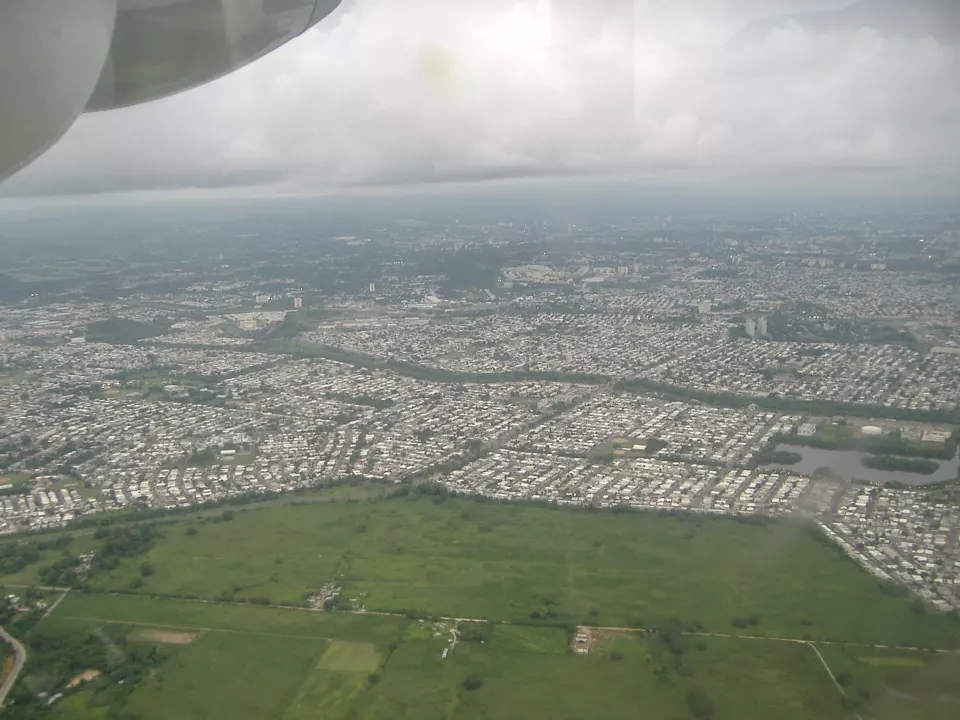
The money did not last. A 2011 Fox News Latino report described him as broke, using a wheelchair, unable to speak, and living in a cramped house in Carolina. He depended on a government pension and on help from the municipality to pay for medication. Wikipedia mentions a WBC pension of $200 a month. His mother looked after him until she died in 2008, and then his sister Yvonne took over. Fox quoted her: "I promised that I'd always stay beside him."
In December 2012 he was taken to hospital in Puerto Rico with a suspected stroke and kept under observation. After Hurricane Maria damaged his home, a friend arranged in 2018 for him to move to Chicago for better medical care. In December 2024, Boxing Insider reported that he had been admitted to intensive care and that Yvonne was still caring for him around the clock. Trainer and broadcaster John Scully organized donations to support them.
A Hall of Fame Legacy
Benítez was inducted into the International Boxing Hall of Fame in 1996. A statue of him was unveiled in Puerto Rico in 2012, and the non-profit Ring 10 set up a fund in his name. His age record will very likely stand forever. He was also a three-division champion who beat Palomino, Hope and Durán, and lost close, hard fights to Leonard and Hearns.
Sources
- Wilfred Benítez, Wikipedia, accessed October 2026
- Wilfred Benítez vs. Thomas Hearns, Wikipedia, accessed October 2026
- 50 years ago today, Wilfred Benítez made history, Patrick Connor, The Ring, March 6, 2026
- On this day: the great "Wonder Kid" Wilfred Benitez was born in 1958, Matt Christie, Boxing News, September 11, 2018
- On this day in history: Benitez defeats Duran to retain WBC crown, World Boxing Council, January 30, 2019
- On this day: December 3rd, World Boxing Council, December 3, 2025
- Youngest World Boxing Champion Ever, Now Broke and Forgotten, Fox News Latino, March 7, 2011
- Puerto Rican boxer Wilfred Benitez hospitalized after possible stroke, expected to recover, Fox News Latino, December 28, 2012
- Wilfred Benitez: A Legend in Need, Sean Crose, Boxing Insider, December 16, 2024


