
Pipino Cuevas Was the Teenage Welterweight King With a Wrecking-Ball Left Hook
Pipino Cuevas won the WBA welterweight title at 18 in a Mexicali bullring and defended it 11 times, almost always by knockout, before Thomas Hearns and later Roberto Durán stopped him.

José "Pipino" Cuevas turned professional at 14 and won a world title at 18. For four years he held the WBA welterweight belt and stopped nearly everyone sent to take it from him, all with one left hook. The reign ended in a single night in Detroit. The years that followed, Roberto Durán among them, showed how quickly a feared puncher can come apart.
A Boy Professional From Central Mexico
José Isidro Cuevas González was born on December 27, 1957. Where he was born depends on the source. His English-language Wikipedia biography gives Santo Tomás, Hidalgo. The Spanish-language Wikipedia and Infobae put him in the municipality of Zempoala, also in Hidalgo. Wikipedia's page on his 1983 fight with Roberto Durán gives his hometown as Santo Tomás de los Plátanos, in the State of Mexico.
He was 14 when he turned professional. His debut on November 14, 1971, in Mexico City ended in a second-round knockout loss to Alfredo Castro. His early record was patchy: after 12 fights he had seven wins and five losses. He then won eight in a row before a loss to Andy Price. In September 1975 he won the Mexican welterweight title by knocking out José Palacios in the tenth round. By 18, Infobae notes, he had won 16 of 22 fights.
Upsetting Ángel Espada in Mexicali, July 1976
On July 17, 1976, Cuevas challenged Puerto Rico's Ángel Espada for the WBA welterweight title at the Plaza de Toros Calafia, a bullring in Mexicali, Baja California. The 28-year-old Espada was favored; Cuevas finished him in the second round. Wikipedia counts three knockdowns of Espada in that round. Infobae counts two and puts the finish 24 seconds before the bell. At 18, he is widely described as the youngest welterweight champion in history.
The Left Hook Years, 1976-1980
Cuevas took his first defense abroad. On October 27, 1976, he knocked out Shoji Tsujimoto in Japan in the sixth round. In March 1977 he met Argentina's Miguel Ángel Campanino, who came in with a long unbeaten run, and stopped him in two rounds. Later that year the Canadian veteran Clyde Gray, who had seldom been stopped, went out in the second round as well.
Espada got a rematch in November 1977 at the Coliseo Roberto Clemente in San Juan, and Cuevas stopped him late in the fight. Wikipedia's text and its record table differ on whether that came in the 11th or 12th round, and the text reports that Espada suffered a broken jaw. In March 1978 Harold Weston was stopped in the ninth round at the Olympic Auditorium in Los Angeles, also with a broken jaw. The Fight City lists broken jaws, fractured orbital bones and broken ribs among the damage his hook caused.
By then Cuevas was fighting mostly in California, and the second-round stoppages continued. Former champion Billy Backus lost at the Forum in Inglewood in May 1978. Pete Ranzany lost in his hometown of Sacramento that September. Scott Clark lost at the Forum in January 1979. Randy Shields became the only challenger to last the distance, losing a unanimous decision over 15 rounds in Chicago in July 1979. Espada came back a third time in December 1979 and was stopped in the tenth round at the Los Angeles Sports Arena. In April 1980 the South African Harold Volbrecht was knocked out in five rounds in Houston.
The usual count is 11 successful defenses, ten of them inside the distance. Wikipedia's article on the Hearns fight gives a slightly different figure. Either way, Cuevas did it during one of the deepest periods the welterweight division has had: Sugar Ray Leonard, Wilfred Benítez, Carlos Palomino, Roberto Durán and Thomas Hearns were all active.
One Night in Detroit: Hearns, August 2, 1980
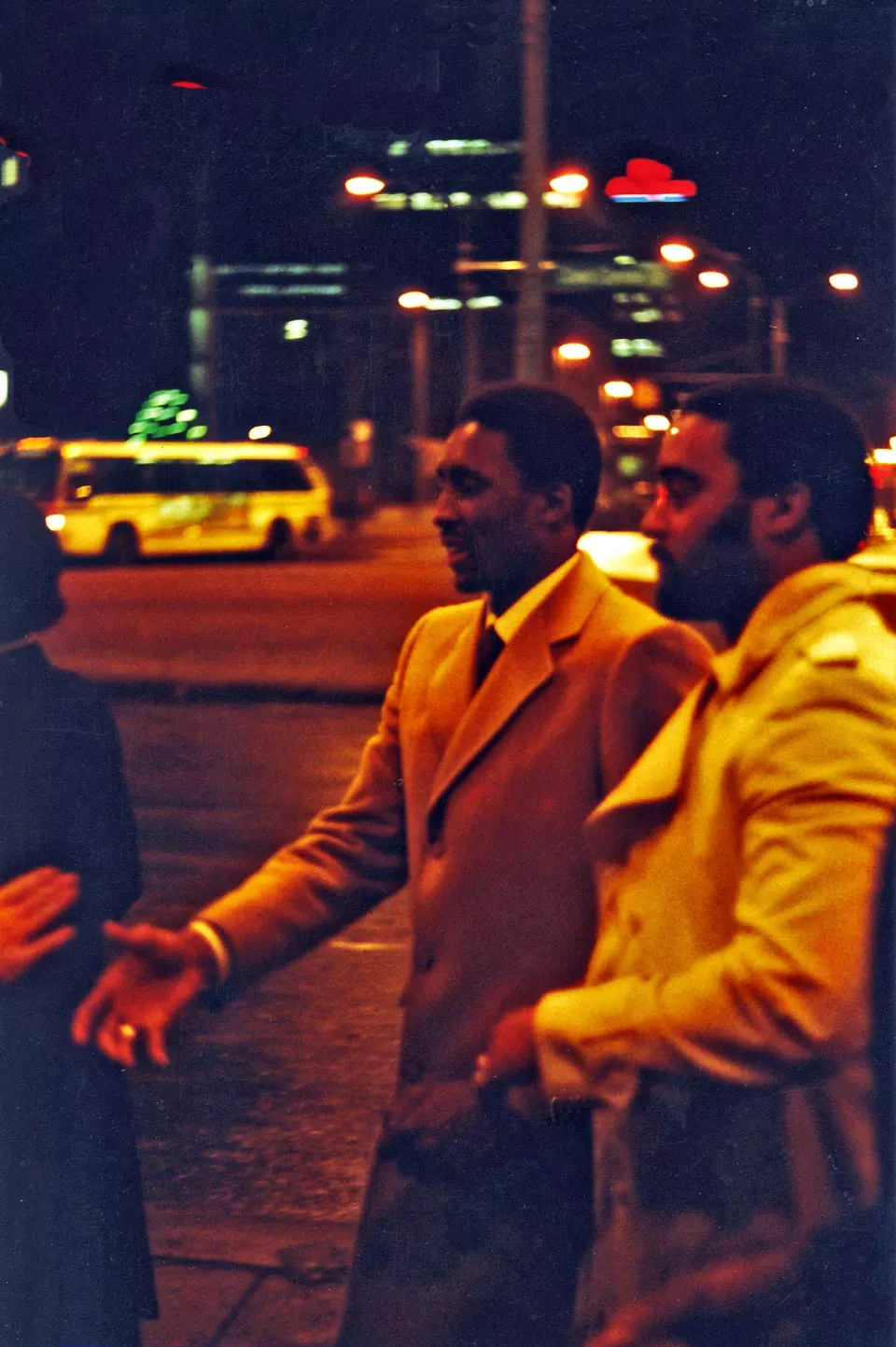
The challenger was Thomas Hearns, unbeaten at 28-0, fighting at Joe Louis Arena in his hometown of Detroit. Hearns stood about 6 ft 1 in and Cuevas 5 ft 8 in. According to The Fight City, Cuevas had never been knocked down. Wikipedia's account of the fight lists Cuevas's purse at $1.5 million and Hearns's at $500,000. Before the bout, Hearns said that if he saw an opening for his right hand, he thought he would knock the champion out.

He was right. Hearns kept Cuevas on the end of his jab, and Cuevas could not get close enough to land the left hook. In the second, a right hand to the head dropped him face first. He got up before the count finished but was clearly unsteady. His manager, Lupe Sánchez, came into the ring, and referee Stanley Christodoulou stopped the fight at 2:39 of the round. Amato later wrote that Hearns had exposed Cuevas's chin.
The Stafford Upset and a Year Away
Cuevas returned in 1981. He knocked out Bernardo Prada in Los Angeles in February. In June he stopped Denmark's Jørgen Hansen in the first round at the Houston Astrodome. Then, on November 7, 1981, at the Hacienda Hotel in Las Vegas, he lost a unanimous decision to the little-known Roger Stafford. The Ring named it its upset of the year. Cuevas did not fight again for more than a year.
The Return of the Champions: Durán, January 29, 1983
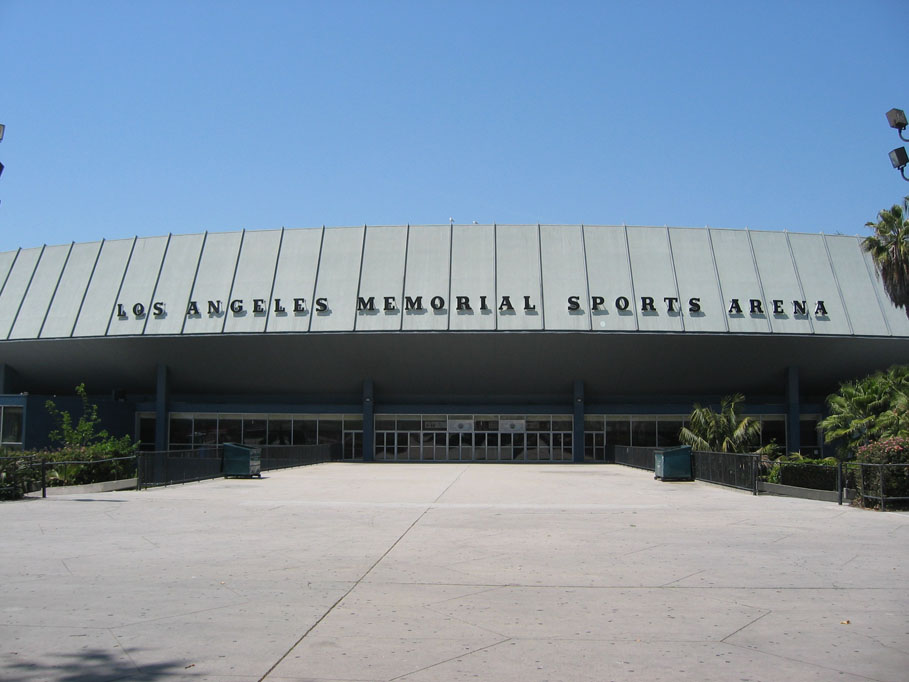
When he did come back, it was in a meeting of two former welterweight champions whose careers were both slipping. Roberto Durán had lost to Wilfred Benítez and then to Kirkland Laing, a loss The Ring named the upset of 1982. The fight was billed "The Return of the Champions" and held at the Los Angeles Memorial Sports Arena on the night before Super Bowl XVII. The agreed catchweight was 150 pounds, and Wikipedia reports that Durán came in two pounds over. Each man was paid $50,000.
Accounts of the early rounds differ. The Fight City gives Cuevas the first round on the strength of his left hook. Wikipedia says Durán controlled the fight from the start, using his jab to keep a rusty Cuevas off balance. They agree on the ending. In the fourth round Durán drove Cuevas into a corner, and the referee counted it as a knockdown although the ropes kept him from falling. When the action resumed, another flurry put Cuevas down. As in Detroit, Lupe Sánchez came through the ropes to stop it, and Durán won by technical knockout at 2:26 of the fourth.
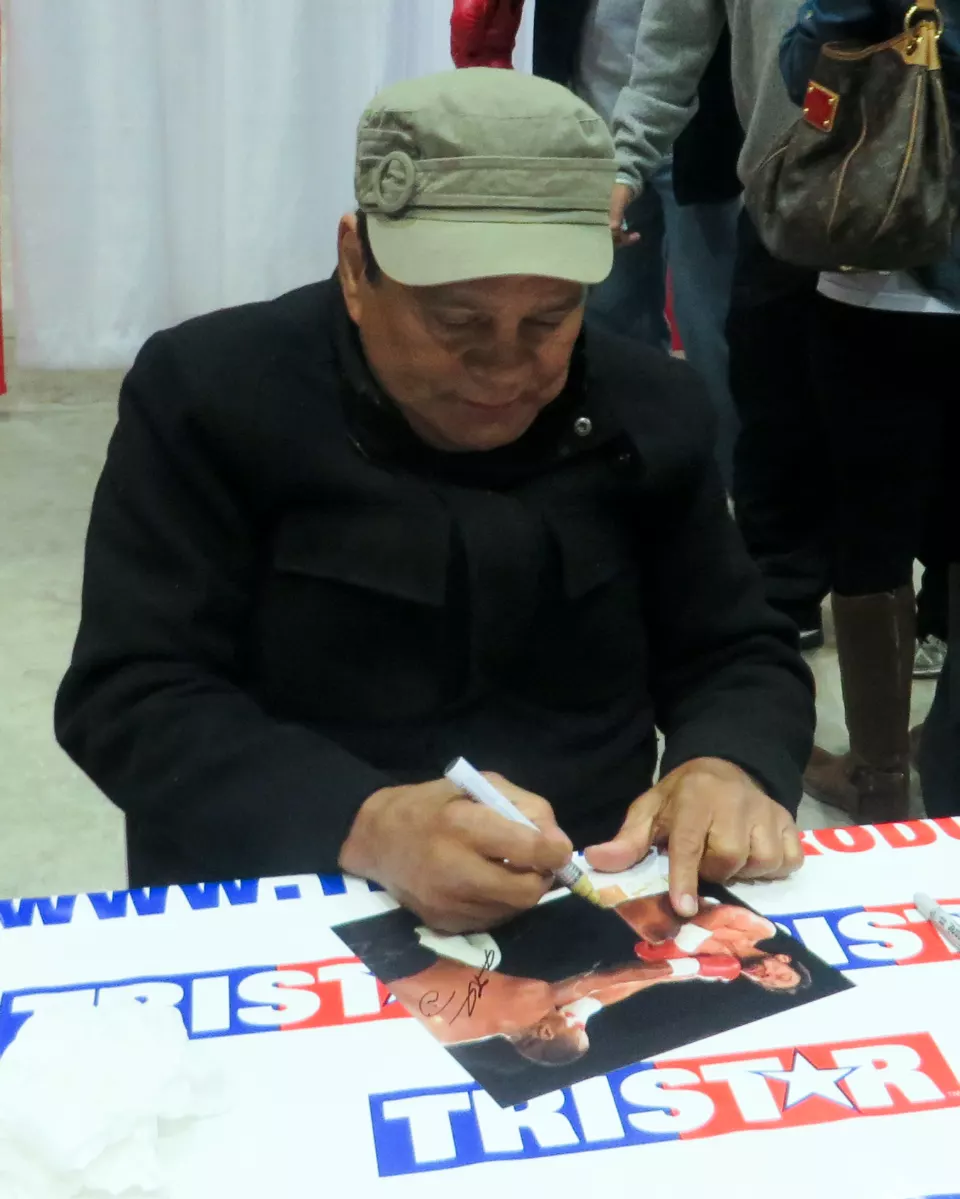
The win revived Durán's career and led to his WBA junior middleweight title victory over Davey Moore that June. Moore, after watching the Cuevas fight, wondered aloud, as quoted by The New York Times, "Was that Duran looking so good or Cuevas so bad?"
The Long Goodbye, 1984-1989
Cuevas fought on for six more years. He stopped Mauricio Bravo in the first round in March 1984. Four months later he lost a majority decision to Jun-Suk Hwang at the Olympic Auditorium. In March 1985 Herman Montes knocked him out in three rounds on the same stage, the fight Amato called the one that finished the legend. In 1986 he lost decisions to Steve Little in Sacramento and Lorenzo Luis García in Salta, Argentina. That December, Jorge Vaca knocked him out in two rounds in Guadalajara.
After one win in 1987, he finished his career in Tijuana in 1989. He won two fights there before Lupe Aquino knocked him out in the second round on September 25. Cuevas retired with a record of 35 wins and 15 losses, with 31 of the wins by knockout.
Hall of Fame, Business and a Court Case
The International Boxing Hall of Fame inducted Cuevas in 2002, and he is also in the World Boxing Hall of Fame. In 2003 The Ring ranked him 31st on its list of the 100 greatest punchers of all time. After boxing he ran a restaurant and a security company in Mexico City. He was also among the first boxers to wear a gold tooth. In 2001 he was accused of racketeering in Mexico in a case linked to a local mayor. He was declared innocent in 2002.
In his 2004 piece, Amato worried that Cuevas would become a footnote to the Leonard, Hearns, Durán and Benítez era. The record argues against that. Between 1976 and 1980, an 18-year-old from Santo Tomás won the welterweight title in a Mexicali bullring and kept it longer than most of the great names who came after him.
Sources
- Pipino Cuevas, Wikipedia (English), accessed October 2026
- Pipino Cuevas, Wikipedia (Spanish), accessed October 2026
- Pipino Cuevas vs. Thomas Hearns, Wikipedia, accessed October 2026
- Roberto Durán vs. Pipino Cuevas, Wikipedia, accessed October 2026
- Thomas Hearns and Roberto Durán, Wikipedia, accessed October 2026
- Un nocaut y un triunfo histórico: la pelea que consagró al Pipino Cuevas como el campeón de box más joven, Infobae, January 21, 2022
- August 2, 1980: Hearns vs Cuevas, Robert Portis, The Fight City
- Jan. 29, 1983: Duran vs Cuevas, Robert Portis, The Fight City
- What Should Have Been But Never Was, Jim Amato, The Sweet Science, June 17, 2004


