
How Ali and Frazier Pushed Each Other to the Edge in the Thrilla in Manila, 1975
On 1 October 1975 in Quezon City, Muhammad Ali and Joe Frazier fought fourteen brutal rounds in tropical heat before Eddie Futch stopped the fight from Frazier's corner. The story of the build-up, the rounds and what the night cost both men.

On the morning of 1 October 1975, in a packed arena on the edge of Manila, Muhammad Ali and Joe Frazier fought for the third and final time. Fourteen rounds later Frazier's trainer Eddie Futch ended it from the corner, and both men left the ring having given more than either could afford.
Two Fights Down, One Score to Settle
By the autumn of 1975 the rivalry had already produced one of the most famous nights in boxing. On 8 March 1971 at Madison Square Garden, Frazier, then the unbeaten champion, handed an equally unbeaten Ali his first professional loss by unanimous decision. In their January 1974 rematch neither held a title. Frazier had been knocked out by George Foreman, and Ali had been through a difficult pair of fights with Ken Norton. Ali won that rematch on points, but nothing about it felt like a conclusion.
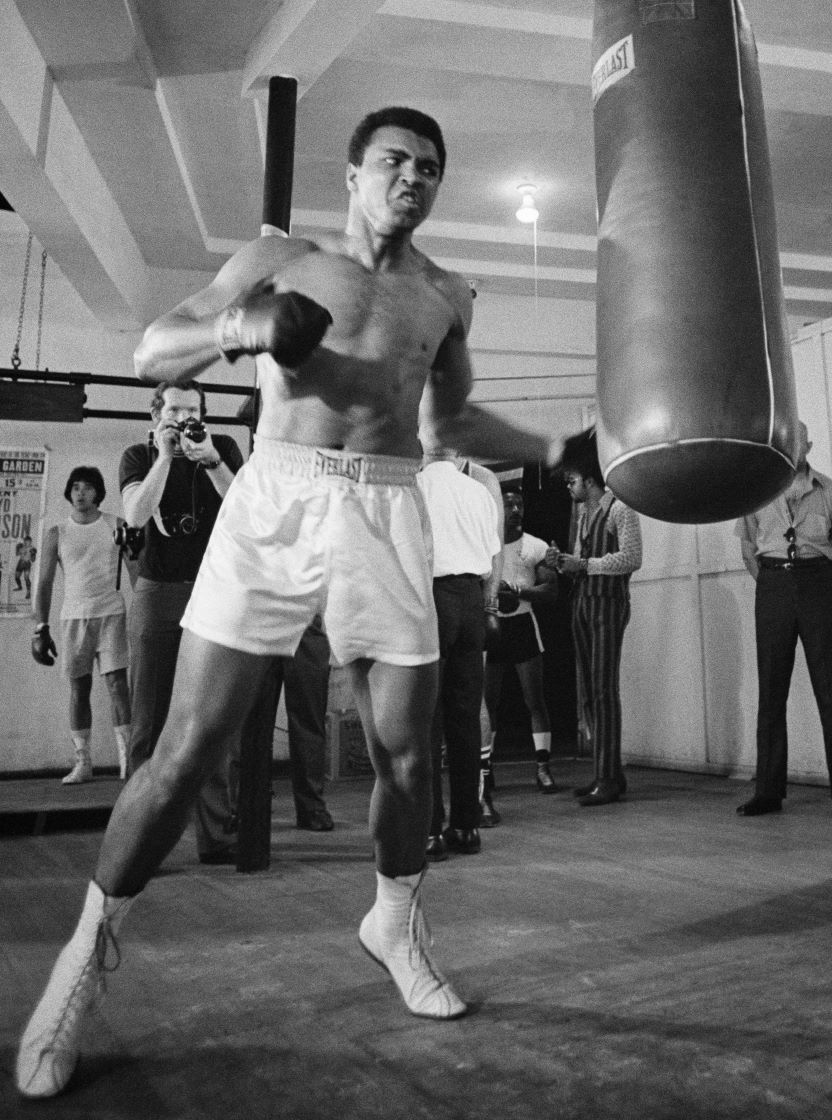
Then Ali upset Foreman in Zaire in late 1974 and was champion again. A third fight with Frazier became the obvious next chapter, and Philippine President Ferdinand Marcos offered to stage it, seeing the event as a way to put his country in front of a global audience. Don King was part of the promotion. On the line were the WBA, WBC and The Ring heavyweight championships. According to the figures reported in Wikipedia's account of the bout, Ali's share was about $9 million and Frazier's about $5 million; the Philippine Star, writing on the 30th anniversary, put the total purse at roughly $10 million, so the numbers vary depending on who is counting.
"The Gorilla" and the War of Words
Ali sold the fight the way he sold most of his fights, with his mouth. This time the target was personal. He called Frazier "The Gorilla," recited a rhyme built around the word Manila, and was photographed punching a small gorilla doll. To Ali it was a tactic. He told reporter Dick Schaap, as cited in Wikipedia's article on the fight, that he liked to make an opponent angry because an angry man "can't think." To Frazier it was humiliation, and the sting outlasted the fight by decades.
A Ten O'Clock Bell at the Araneta Coliseum
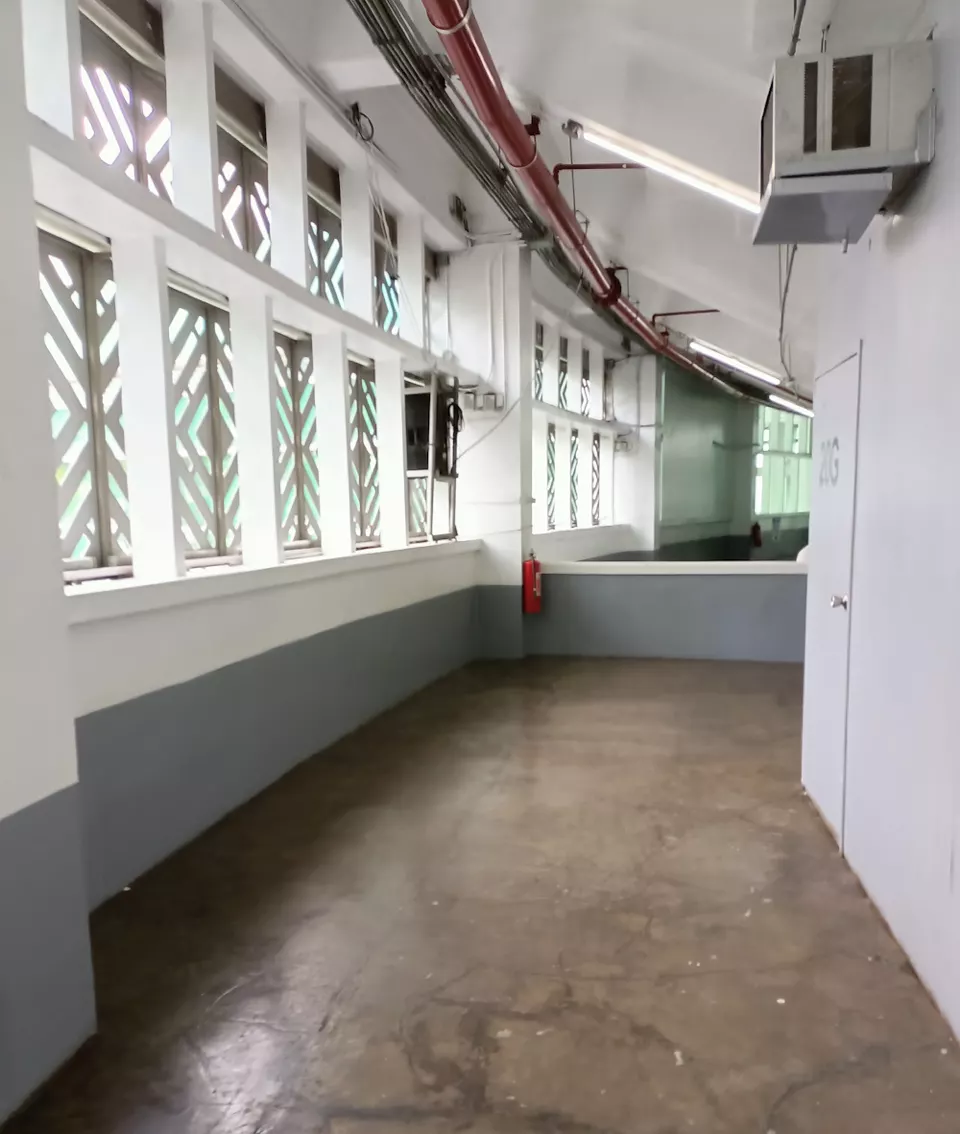
The venue was the Araneta Coliseum in Cubao, Quezon City, part of Metro Manila, briefly renamed the Philippine Coliseum for the occasion. A crowd of about 25,000 filled it. To suit television schedules overseas, the opening bell rang at 10 a.m. local time, in the full heat of a tropical morning. Accounts agree the conditions were brutal. Ali's physician compared the atmosphere to boiling water, Frazier later estimated the temperature in the ring at more than 120 degrees Fahrenheit under the television lights, and AFP described the arena's air conditioning as inadequate.
The Philippine Star listed the weights at 224½ pounds for Ali, aged 33, and 215½ for Frazier, aged 31. Carlos Padilla Jr., a Filipino, was the referee, with Alfredo Quiazon and Larry Nadayag judging. The bout was scored on a five-point must system.
Rounds One to Four: Ali Fast, Then on the Ropes
Ali opened as the sharper man. In the first two rounds his hand speed and longer reach kept Frazier at the end of his punches, and Frazier struggled to bob and weave his way inside. By the third and fourth, Ali began leaning on the ropes, the rope-a-dope approach that had worked against Foreman a year earlier. Frazier was not Foreman. He did not punch himself out; he went to the body and started to find a rhythm.
Rounds Five to Ten: Frazier's Fight
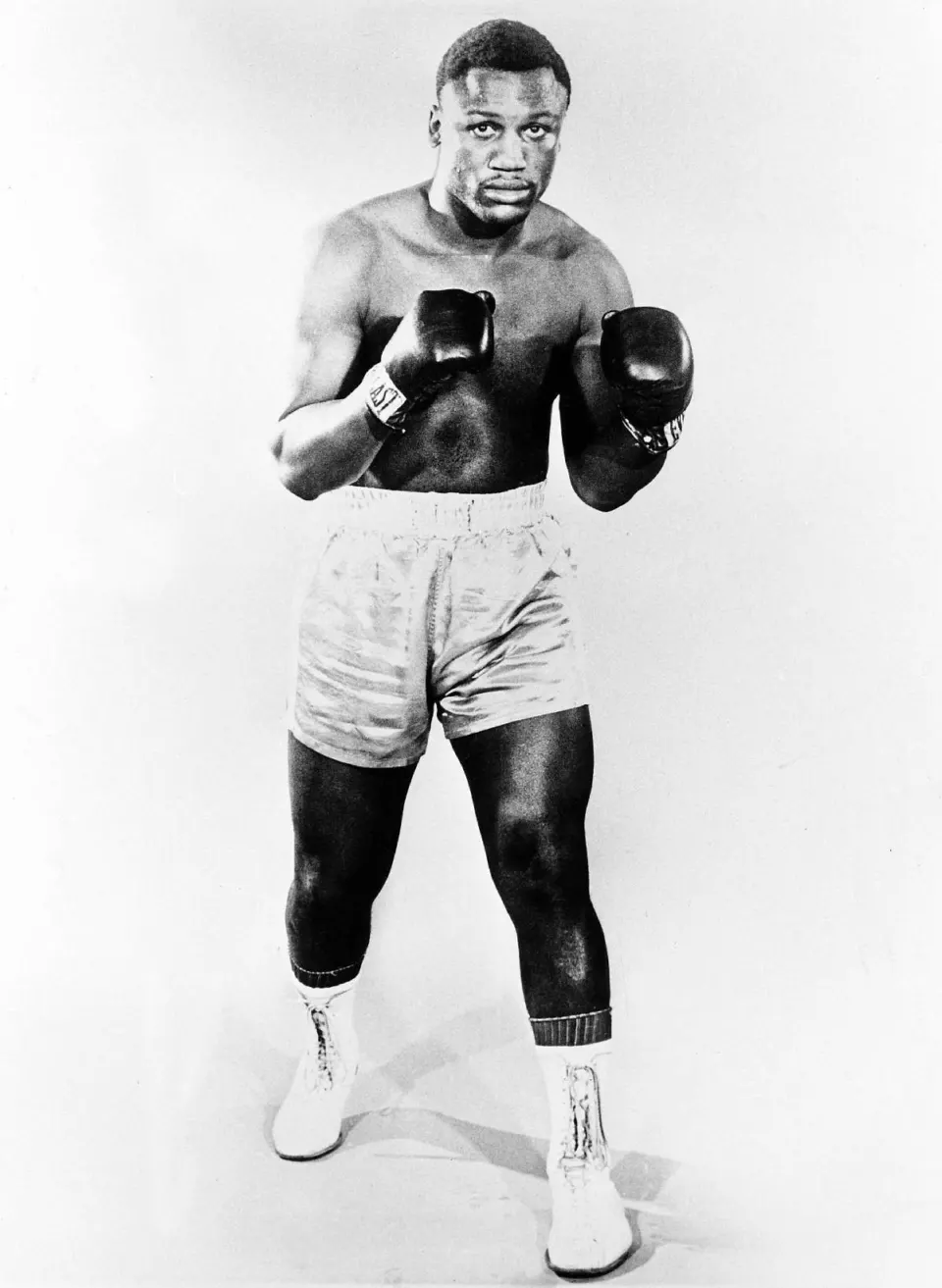
From the fifth round the momentum shifted clearly. Frazier's timing improved and his left hook began landing on Ali's head, pushing the champion back to the ropes where his defence looked increasingly thin. The sixth is remembered as one of Frazier's finest rounds: a series of left hooks drove Ali into the ropes again and again, yet Ali stayed on his feet. Years later, watching the footage, Frazier said that ordinary fighters would not have continued after those punches.
Ali tried to change the pattern in the seventh and eighth, coming off the ropes to trade in the centre of the ring, and he had the better of the start of the eighth. But he tired quickly, drifted back to the ropes, and Frazier went back to work on the body and head. By the ninth Ali was badly drained. Wikipedia's account, drawing on later reporting, records him telling his corner that this was the closest he had come to dying.
Rounds Eleven to Thirteen: The Eye Closes
The fight turned on Frazier's face. The accumulated punishment to his head was swelling his eyes, the left one most of all, and by the eleventh he was having trouble seeing punches coming. When Futch asked what was wrong, Frazier indicated that he could not see some of the shots. Futch told him to stand taller instead of bobbing which, by the record of the fight, only made him easier to hit. The heat even undermined the corner's ice bag after the midpoint of the fight.
Ali took full advantage. The twelfth was later named Round of the Year by The Ring, and the Philippine Star described it as the round in which Ali came back to life. In the thirteenth a heavy right hand sent Frazier's mouthpiece flying out of the ring and into the crowd; AFP's account says it landed in the fifth row.
The Fourteenth Round and Futch's Decision
Frazier came out for the fourteenth nearly blind and Ali, despite his own exhaustion, threw sustained combinations that Wikipedia's account compares to the ones that finished Foreman in Zaire. Frazier took them and went back to his stool.
There Futch made the decision that defined his career. He stopped the fight before the fifteenth round. Frazier protested and wanted to go on, but Futch would not move. The Philippine Star quoted Futch's words to his fighter: "Sit down, son. It's over. No one will ever forget what you did here today." Wikipedia gives a slightly different wording of the same line, a reminder that even famous ringside sentences reach us in more than one version.
What Frazier's corner could not see was that Ali was close to the end too. According to biographer Thomas Hauser, as cited by AFP, one of Ali's cornermen heard him ask trainer Angelo Dundee to cut his gloves off. Ali later told Hauser that Frazier had quit just before he did. The official result was a win for Ali by corner retirement after fourteen rounds. All three officials had him ahead at the stoppage: Padilla 66-60, Quiazon 67-62 and Nadayag 66-62.
What Manila Took From Both Men
Ali summed it up afterwards in a line AFP has reprinted: "It was like death. Closest thing to dyin' that I know of." The Ring named it Fight of the Year for 1975. The trilogy finished 2-1 in Ali's favour, and AFP's verdict was that it left both men permanently diminished as fighters. In Manila, businessman Jorge Araneta proposed naming a new shopping centre after the champion, and Ali Mall opened in 1976.
Frazier fought only twice more. In 1976 he met Foreman again, was knocked down twice and was stopped in the fifth round, after which he announced his retirement. A single comeback in 1981, a ten-round draw with Floyd "Jumbo" Cummings in Chicago, was his last professional fight. He finished with 32 wins, 4 losses and 1 draw, 27 of the wins by knockout. His feelings toward Ali stayed raw for many years; in May 2009 he told Sports Illustrated he no longer held hard feelings. Frazier died of liver cancer in Philadelphia on 7 November 2011, aged 67, and Ali attended his funeral.
Ali boxed on. He fought Norton a third time in 1976, lost his title to Leon Spinks in 1978 and won it back in a rematch, then fought Larry Holmes in 1980 before retiring in 1981. In 1984 he disclosed a diagnosis of Parkinson's syndrome; some linked it to his years in the ring, though he and his physicians disputed that. He died in Scottsdale, Arizona, on 3 June 2016, aged 74. The morning in Quezon City remains the fight most often used to measure what the two of them were willing to endure.
Sources
- Thrilla in Manila, Wikipedia, accessed October 2026
- Joe Frazier, Wikipedia, accessed October 2026
- Muhammad Ali, Wikipedia, accessed October 2026
- 'Thrilla in Manila' marks 30th anniversary, Joaquin M. Henson, The Philippine Star, 1 October 2005
- Muhammad Ali and 'Thrilla in Manila', AFP via The Daily Star, updated 3 June 2020


