
How Leon Spinks Went From Pruitt-Igoe and the Marines to Olympic Gold and the Night He Beat Muhammad Ali
Leon Spinks went from a St. Louis housing project and the Marine Corps to Olympic gold in 1976, then took the heavyweight title from Muhammad Ali in only his eighth pro fight. He lost it in the rematch seven months later and died in Nevada in 2021 at 67.

Leon Spinks grew up in one of the most notorious housing projects in America, learned to fight in the Marine Corps and won Olympic gold in Montreal. Thirteen months into his professional career he took the heavyweight championship from Muhammad Ali. He held it for seven months, lost it back to Ali in New Orleans, and spent the rest of his life as the answer to one of boxing's best-known trivia questions. He died in Nevada in February 2021 at the age of 67.
Pruitt-Igoe and the Gym on 12th and Park
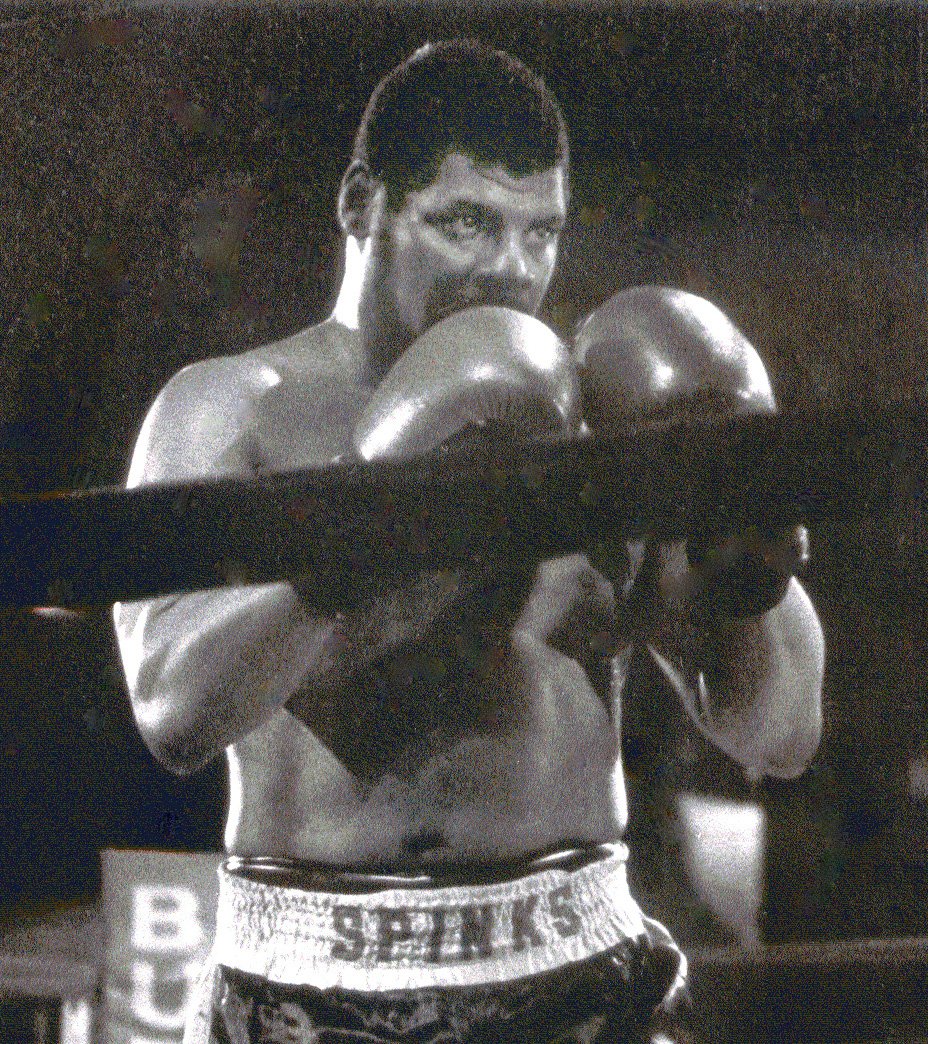
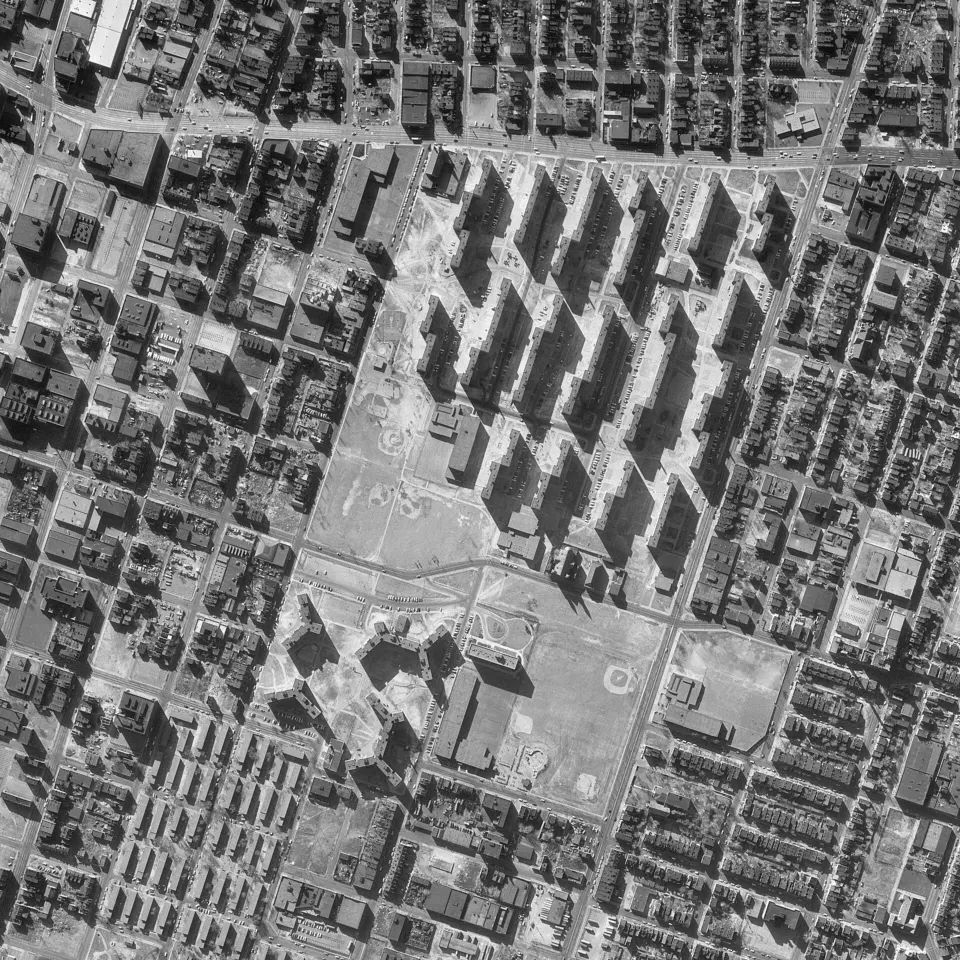
Leon Spinks Jr. was born in St. Louis, Missouri, on July 11, 1953, to Leon Spinks Sr. and Kay Spinks. According to a memorial tribute published by the World Boxing Council in 2021, he was raised in the Pruitt-Igoe housing projects on the city's north side and attended Vashon High School.
The same WBC tribute, drawing on the recollections of his sister Karen, says boys in the neighborhood bullied the young Leon before eventually bringing him to a gym themselves. He began boxing at about 13 at a center at 12th and Park that ran a program meant to keep youngsters off the streets. His younger brother Michael followed him into the sport, and both boxed in Golden Gloves tournaments.
In 1973 Spinks enlisted in the United States Marine Corps. He spent three years based at Camp Lejeune in North Carolina, reached the rank of corporal and boxed for the Marine Corps team. As a Marine he became one of the best amateur light heavyweights in the world.
Havana, Mexico City and Gold in Montreal
Spinks collected medals at every major event of the mid-1970s. He took bronze at light heavyweight at the first World Amateur Championships in Havana in 1974 and silver at the 1975 Pan American Games in Mexico City. The WBC tribute adds that he won the national AAU light heavyweight title three years running.
At the 1976 Summer Olympics in Montreal he reached the light heavyweight final against Sixto Soria of Cuba and won when the referee stopped the bout in the third round. Michael won the middleweight gold at the same Games. Wikipedia credits Leon with an amateur record of 178 wins and 7 losses, with 133 knockouts; that figure comes from a single source and should be treated as approximate.
The Eighth Fight: Las Vegas, February 15, 1978
Spinks turned professional on January 15, 1977, in Las Vegas, stopping Bob Smith in the fifth round. He went 7-0-1 before facing Ali, a thin résumé for a title challenger.
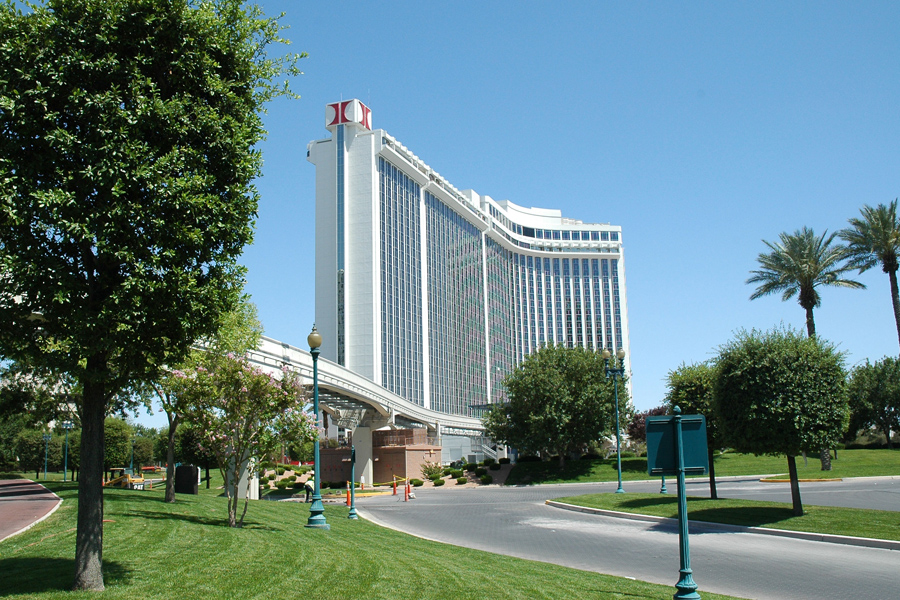
They met at the Las Vegas Hilton on February 15, 1978, for the WBA, WBC and Ring magazine heavyweight titles. Ali was a 10-1 favorite. According to the figures collected on Wikipedia, a sellout crowd of 5,298 paid $756,300 to get in; Ali's purse was $3.5 million and Spinks earned $320,000. ESPN noted that Spinks was 24 years old and had only 13 months of professional experience.
Spinks stayed on top of the champion for 15 rounds, pressing forward and refusing to fade. The decision was split. Judges Harold Buck and Lou Tabat scored the fight for Spinks, 144-141 and 145-140, while Art Lurie had Ali ahead 143-142. In just his eighth professional fight, Spinks had become undisputed heavyweight champion. Promoter Bob Arum later told ESPN, "In that fight, everything clicked." Spinks described himself after the fight as not the Greatest but "just the latest," a line quoted in both the AP and ESPN obituaries.
Some sources count his professional experience before Ali slightly differently. The WBC tribute speaks of seven professional fights before the title bout, which matches the 7-0-1 record if the draw is left out; most accounts, including ESPN and Wikipedia, describe the Ali bout as his eighth.
A Short Reign and the Superdome Rematch
The undisputed title did not last a month. Ken Norton had won a final eliminator against Jimmy Young in November 1977, and the WBC wanted Spinks to defend against him. Spinks chose a lucrative return with Ali instead, and on March 18, 1978, the WBC stripped him and recognized Norton as its champion.
Spinks struggled with the sudden fame. Looking back in a 1997 interview with the New York Daily News, cited by ESPN, he said he had been a poor young man who had never owned anything and then suddenly had too much, and that he lost control. ESPN also recorded that Mr. T worked as his bodyguard during his career.
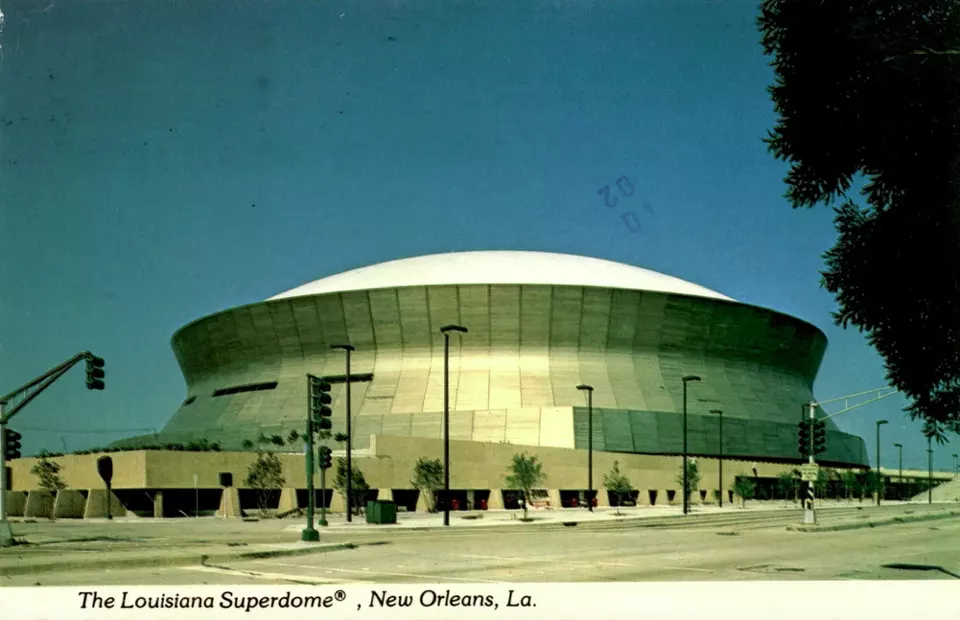
The rematch took place on September 15, 1978, at the Louisiana Superdome in New Orleans, with the WBA title at stake. Spinks's purse of $3.75 million was larger than Ali's $3.25 million. Sources disagree on the size of the crowd: Wikipedia gives a paid attendance of 63,352 and a gate of $4,806,675, while the Associated Press obituary put the crowd at about 72,000. Both describe it as a record for an indoor boxing event. The AP reported that around 90 million Americans watched the CBS broadcast.
This time Ali boxed with discipline, jabbing, moving and holding whenever Spinks got close. All three judges scored for Ali, by margins Wikipedia lists as 11-4, 10-4-1 and 10-4-1. Spinks's reign was over after seven months.
Holmes, Qawi and the Long Decline
Spinks never came close to the heavyweight championship again. On June 12, 1981, he challenged WBC champion Larry Holmes and was stopped in the third round. He later dropped to the new cruiserweight division, and on March 22, 1986, he fought Dwight Muhammad Qawi for the WBA cruiserweight title. Qawi stopped him in the sixth.
He kept fighting until he was 42. His last fight was an eight-round decision loss to Fred Houpe in December 1995, which ESPN and Wikipedia treat as his retirement. (The St. Louis American's obituary gives 1997 as the year he retired, but the record does not support it.) His final professional record was 26 wins, 17 losses and 3 draws, with 14 wins by knockout. Away from boxing he took part in professional wrestling, including a short spell in 1992 as champion of the Japanese promotion FMW, and ESPN noted that he also tried mixed martial arts.
The family name lived on in the ring. Michael Spinks went undefeated at light heavyweight and won the heavyweight title from Larry Holmes in 1985. Leon's son Cory became undisputed welterweight champion and later held the IBF junior middleweight title. Another son, Leon Calvin, a light heavyweight who had won his first two professional fights, was shot and killed in East St. Louis in 1990.
Nebraska, Las Vegas and the Final Years
Life after boxing was modest. The AP reported that Spinks later worked as a custodian at a YMCA in Nebraska, and Wikipedia records that he worked at a YMCA and a McDonald's in Columbus, Nebraska, around 2005. He later moved to Las Vegas, where in 2011 he married Brenda Glur.
His health declined steadily. Wikipedia says that in 2012 he was diagnosed with brain shrinkage linked to the punches he had taken over his career, and the AP reported that he took part in brain-health studies at the Cleveland Clinic Lou Ruvo Center for Brain Health in Las Vegas. ESPN reported that in 2014 he was hospitalized after swallowing a chicken bone and needed several surgeries for the damage to his intestines. In 2017 he and Michael were inducted together into the Nevada Boxing Hall of Fame.
By 2019 he was being treated for advanced prostate cancer. Leon Spinks died on the night of Friday, February 5, 2021, at age 67, with his wife beside him. The AP gave the place of death as Las Vegas, while Wikipedia and the WBC tribute specify a hospital in neighboring Henderson; the WBC described his illness as prostate and bladder cancer. Remembering him to the AP, Bob Arum called him "happy go lucky, the salt of the earth." The heavyweight title stayed with him for only seven months, but no one else ever took it from Muhammad Ali in the ring.
Sources
- Former heavyweight champion Leon Spinks dies at 67, Tim Dahlberg, Associated Press (via KSL), February 6, 2021
- Leon Spinks, ex-heavyweight champ who upset Muhammad Ali, dies at 67, ESPN, February 6, 2021
- Celebrating the Life of a Wonderful Husband, Father, Grandfather, Brother and Friend Leon Spinks, Junior, Cesar Navarro, World Boxing Council (wbcboxing.com), April 30, 2021
- Leon Spinks obituary, The St. Louis American, February 7, 2021
- Leon Spinks, Wikipedia, accessed October 2026
- Muhammad Ali vs. Leon Spinks, Wikipedia, accessed October 2026
- Muhammad Ali vs. Leon Spinks II, Wikipedia, accessed October 2026


