
Louis vs Braddock in 1937 Brought a Knockdown, an Eighth-Round Knockout and a Ten-Year Deal
Braddock dropped Joe Louis in the first round at Comiskey Park on 22 June 1937, but Louis knocked him out in the eighth to become heavyweight champion. Braddock's manager had already arranged for a share of the money to keep coming in for the next ten years.

On the night of 22 June 1937, under the lights of Comiskey Park in Chicago, James J. Braddock put Joe Louis on the canvas in the opening round and then took a beating for seven more. Louis knocked him out in the eighth to become heavyweight champion of the world. The bargain that put the fight together, by which Braddock's side kept a slice of the money for the next ten years, is nearly as well remembered as the fight.
A Champion Who Had Not Defended
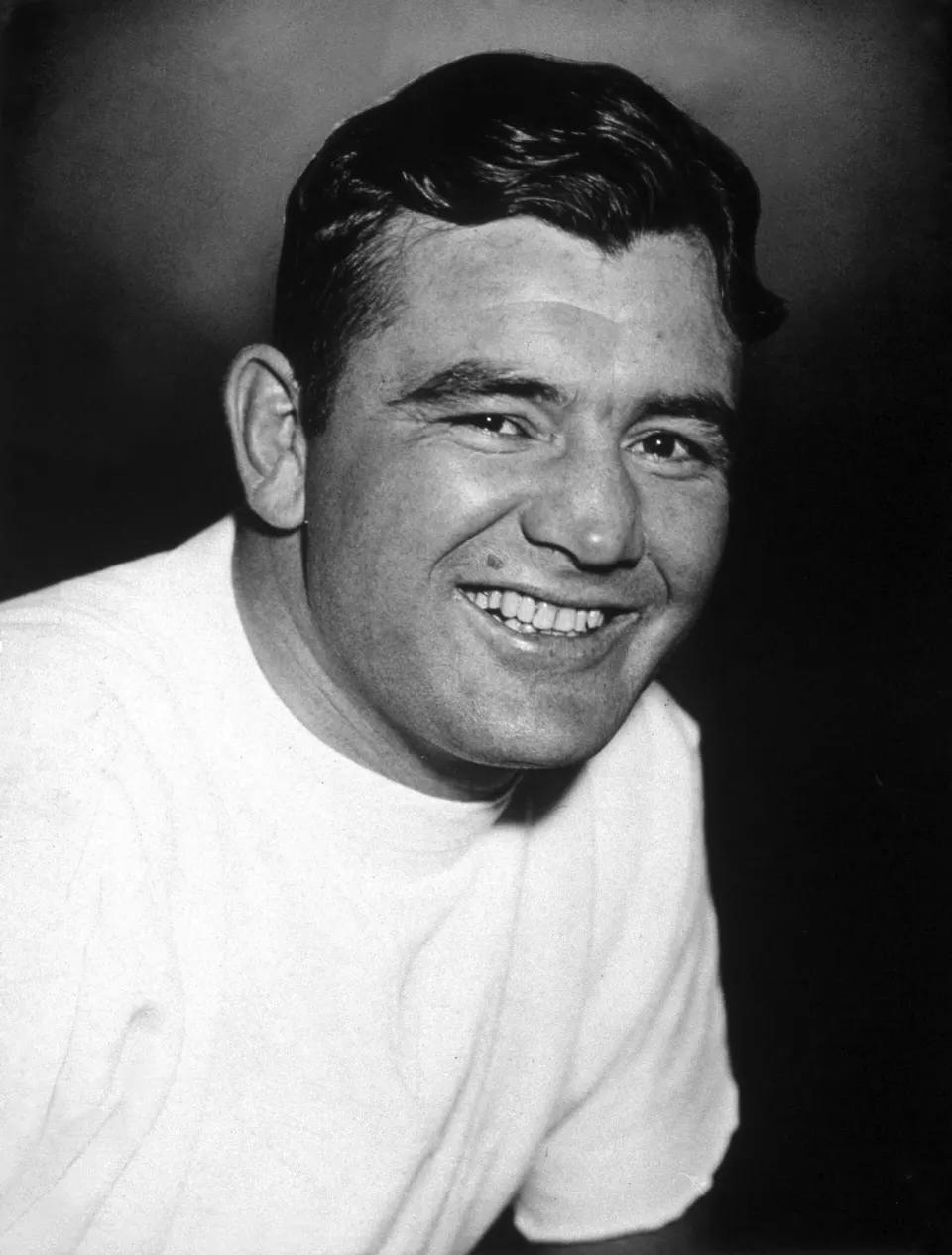
Braddock won the heavyweight title on 13 June 1935, when he upset Max Baer at the Madison Square Garden Bowl. The Depression-era story of a dockworker off the relief rolls winning the championship is told elsewhere on this site. What matters here is what came next: two years went by and Braddock did not defend the title once. When he finally did, against Louis, it was the only defence he ever made.
Braddock was 32 on fight night. Louis, born on 13 May 1914, was 23. He had won his first 27 professional fights before Max Schmeling knocked him out in the twelfth round at Yankee Stadium on 19 June 1936. That loss should have pushed him down the queue. Schmeling, as the man who had beaten him, looked like the obvious challenger.
The Schmeling Fight That Never Happened
According to the Wikipedia biography of Schmeling, Braddock and the German had first been matched for September 1936, and that date was postponed when Braddock hurt his hand in training. Even then there were rumours that the promoters were stalling. They feared the bad publicity of a man seen as a representative of Nazi Germany getting a shot at the title. A new date was set for 3 June 1937 at the Madison Square Garden Bowl, where Braddock was under contract.
Braddock's manager, Joe Gould, had other plans. He had been talking with Mike Jacobs, the promoter who controlled Louis. When word of those talks got out, the New York State Athletic Commission ordered Braddock to fight Schmeling. It made no difference. In February 1937 Schmeling learned that the champion had signed to fight Louis instead. Gould is described as having stirred up anti-Nazi feeling against Schmeling to make the switch easier to defend in public. Braddock's own justification was money: he said a Schmeling fight would have paid him around $25,000, against about $250,000 to face Louis. The New York commission later fined Gould and Braddock $1,000 each for walking away from the Schmeling date.
Jacobs expected that the New York commission would refuse to sanction a fight that cut across the Garden's contract and Schmeling's claim, so he took the bout out of the state. That is how a championship fight built in New York ended up in a Chicago ballpark.
Ten Per Cent for Ten Years
With the champion in hand and the challenger needing the fight, Gould could set hard terms. As described in the Wikipedia articles on Gould and on Louis, Jacobs had to agree to pay 10 per cent of all his future boxing promotion profits for ten years, and that explicitly covered the profits from Louis's future bouts. Over the years Braddock and Gould are said to have collected more than $150,000 from the arrangement.
Sources do not describe the deal in quite the same way. The Wikipedia articles on Braddock and on the fight itself call it a share of Louis's earnings over the following decade. The more detailed account in the Gould and Louis entries makes it a cut of the promoter's profits, Louis's fights included. Either way, Braddock's side had secured an income from the title for years after he lost it, and both versions agree that it paid off handsomely.
Lights Over Comiskey Park
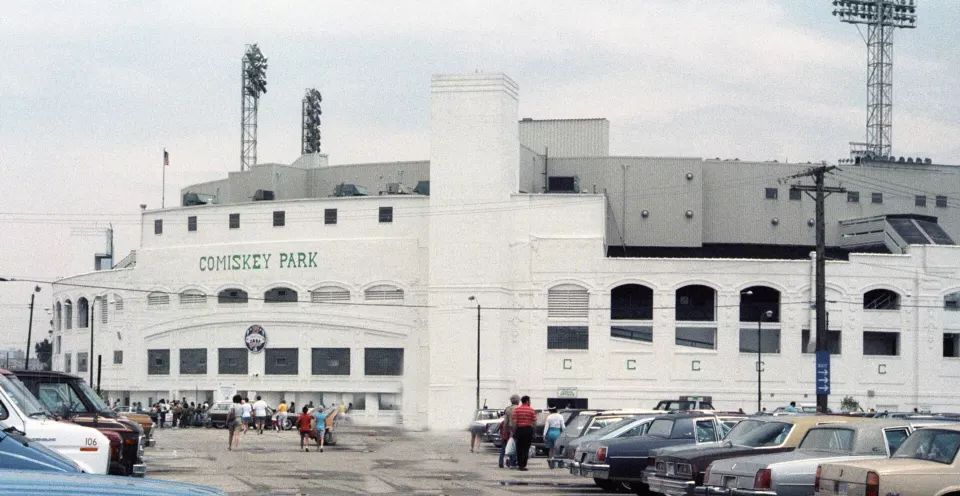
The fight was held at night in the home of baseball's Chicago White Sox. Published estimates of the crowd vary. The Detroit Historical Society's catalogue record for a panoramic photograph of the floodlit ring puts the attendance at roughly 65,000. Whatever the exact number, the stadium was packed around a single lit ring.
Braddock was the champion, but he was nine years older than the man in the other corner, and he had not fought for two years with the title on the line.
Braddock's Opening Punch
The underdog landed the first serious blow. In the opening round Braddock caught Louis with an uppercut and dropped him. For a moment the challenger was down in front of tens of thousands of people, and the old champion seemed to have a chance.
Louis got straight back up, and from then on he controlled the fight. Round after round he punished Braddock and wore him down. By the seventh round the champion's face was bloodied and swollen. Gould is reported to have wanted to stop the fight in his corner, and Braddock refused to let him.
The Eighth Round
Braddock's refusal bought him only a few more seconds. In the eighth Louis landed the finishing punches. Accounts differ on the detail: the Wikipedia article on the fight describes a left-right combination, while the Louis biography focuses on a single heavy right hand. American Heritage's 1987 look back at 1937 also described the finishing blow as a right. All agree on what it did. The punch drove Braddock's teeth through his gum shield and into his lip, and he went down and stayed down for some time. Louis was champion by knockout.
It was the only time in Braddock's long career that he was knocked out. He had lost plenty of fights in his lean years, but nobody had ever left him unable to get up.
Celebration in Harlem and the South Side
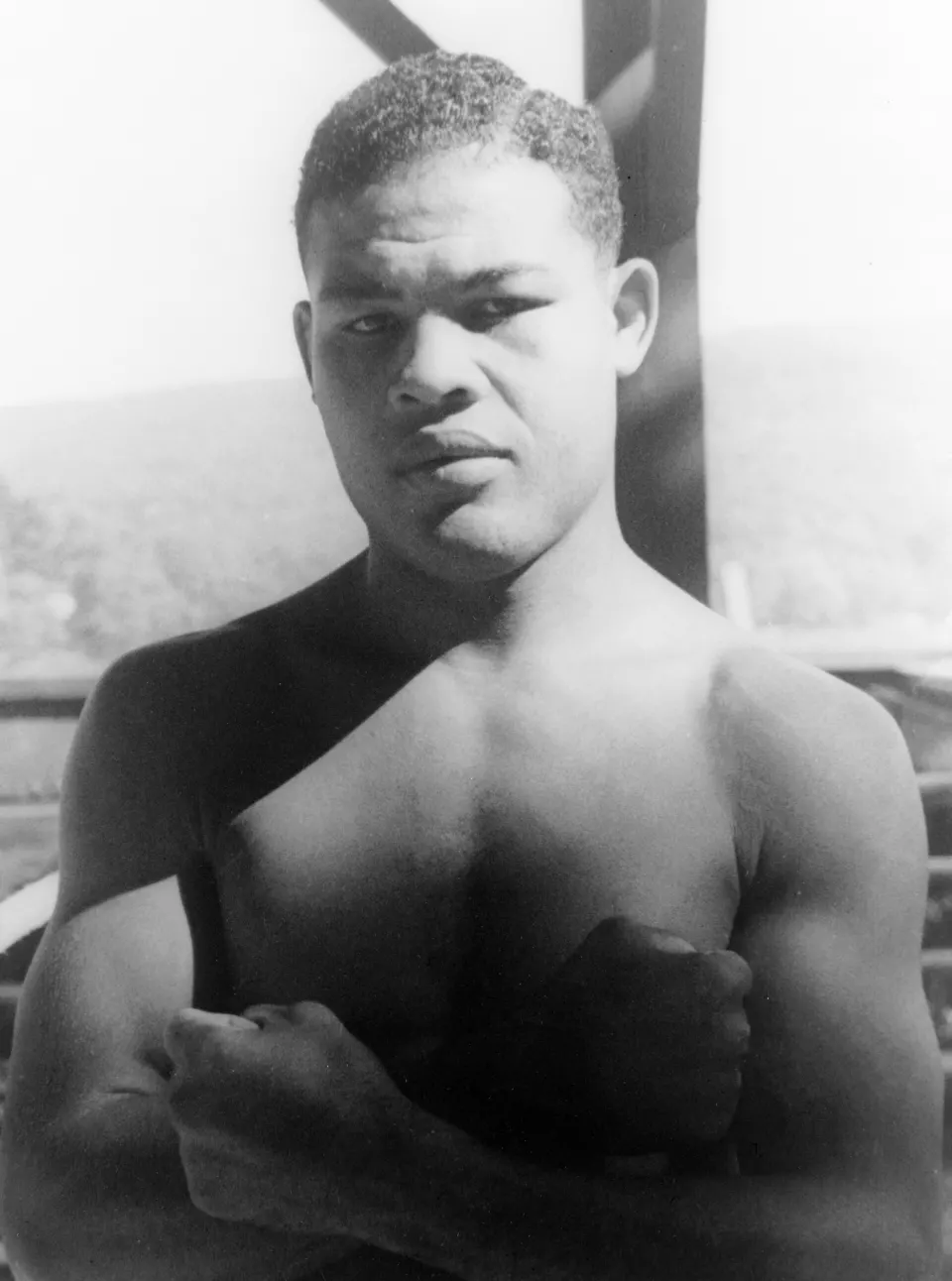
The reaction away from the ballpark went far beyond a normal title change. American Heritage recalled thousands of people pouring into the streets of Harlem and Chicago's South Side, and the Louis biography records Black Americans across the country celebrating through the night. Jack Johnson had become the first Black heavyweight champion in 1908. Louis's handlers had spent years presenting their fighter as Johnson's opposite, and now he held the same title.
Louis himself did not treat the night as the end of anything. He was quoted as saying, in words preserved in his Wikipedia biography, "I don't want to be called champ until I whip Max Schmeling." He got his chance exactly a year later, on 22 June 1938 at Yankee Stadium, and stopped Schmeling in the first round.
What Each Man Took Away
For Louis, Chicago was the start of a reign usually counted at 25 successful defences between 1937 and 1949. Sources measure its length slightly differently. The Louis biography gives 11 years and 8 months, and the article on the Braddock fight describes it as a run of more than 12 years. On any count it is the longest heavyweight reign on record.
Braddock boxed only once more. On 21 January 1938 he beat the Welshman Tommy Farr on a split decision and then retired, ending with an official record of 47 wins, 23 losses and 4 draws. He lived until 29 November 1974. He had given up the title on a summer night in Chicago, but the deal Gould signed with Jacobs meant the champion's money kept reaching Braddock for years afterwards.
Sources
- James Braddock vs. Joe Louis, Wikipedia, accessed October 2026
- James J. Braddock, Wikipedia, accessed October 2026
- Joe Louis, Wikipedia, accessed October 2026
- Joe Gould (boxing), Wikipedia, accessed October 2026
- Max Schmeling, Wikipedia, accessed October 2026
- 1937: Fifty Years Ago, Karolyn Ide, American Heritage, May/June 1987
- Collection record: panoramic negative of the Louis-Braddock fight at Comiskey Park, Detroit Historical Society, accessed October 2026


