
Max Baer the Livermore Larupper Beat Schmeling, Took Carnera's Crown and Lost to the Cinderella Man
From a Livermore butcher shop to the heavyweight championship, Max Baer's career ran through the 1930 ring death of Frankie Campbell, a Star of David victory over Max Schmeling and a famous upset loss to James J. Braddock.

Max Baer could punch as hard as any heavyweight of his era and joked louder than all of them. The butcher's son raised in Livermore, California, won the world title from Primo Carnera in 1934, lost it a year later to James J. Braddock in one of boxing's great upsets, and carried for the rest of his life the memory of a San Francisco night in 1930 when an opponent did not survive their fight.
From Omaha to a Butcher Shop in Livermore
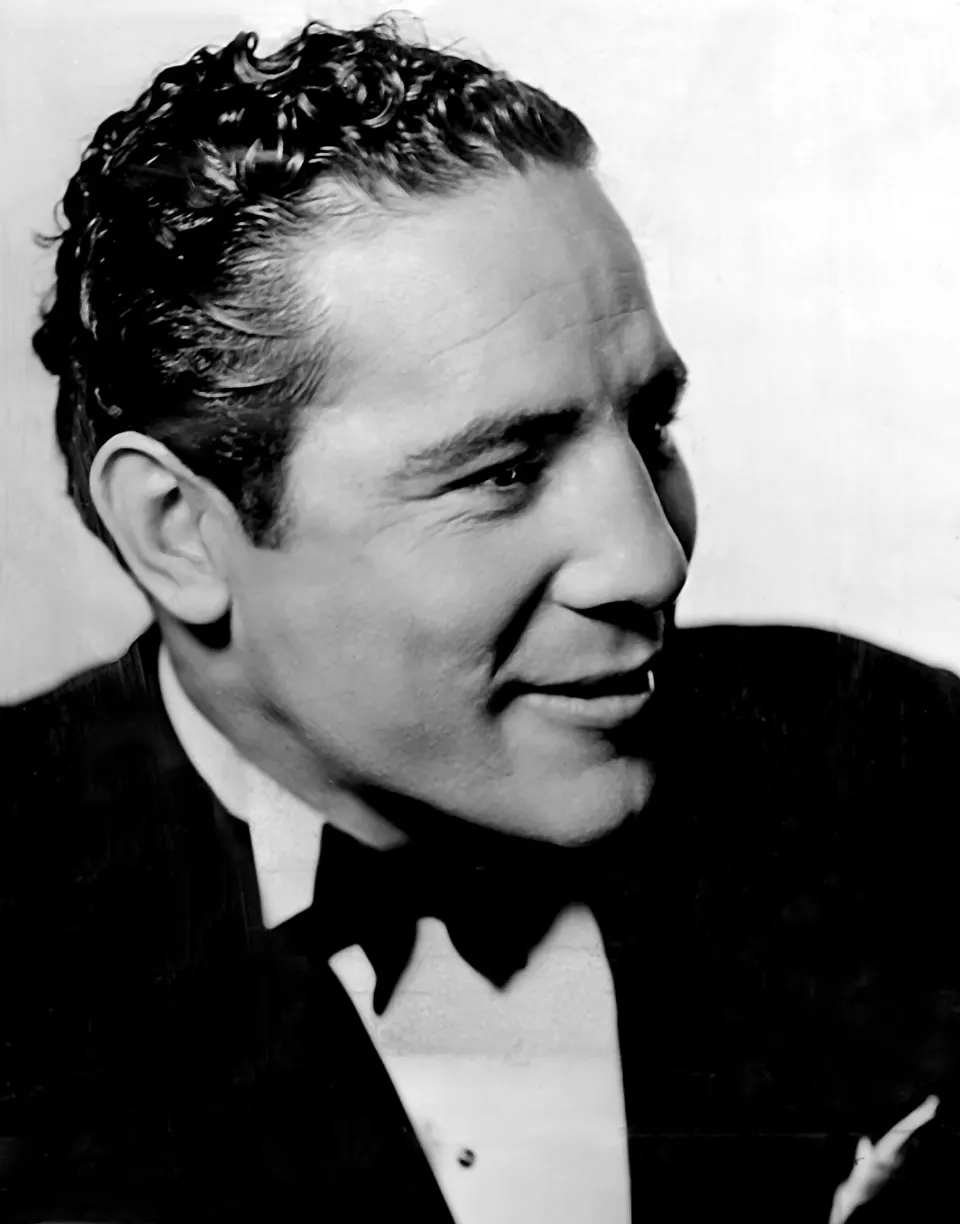
Maximilian Adelbert Baer was born in Omaha, Nebraska, on February 11, 1909. His father, Jacob, was the son of Jewish immigrants from Alsace-Lorraine; his mother, Dora Bales, came from a Scottish Protestant background. His younger brother Buddy would also box as a heavyweight and later act.
While Max was still a boy the family moved west and settled in Livermore, in the hills east of San Francisco Bay. He never treated Omaha as home; Livermore was the town he claimed, and it later named a park after him. Sources differ on his schooling: one says he managed a single year of high school and another that he quit after the eighth grade to help on the family's cattle ranch. He also worked in his father's butcher shop. By eighteen he stood six feet tall and weighed about 190 pounds,.
Oakland, 1929, and a Run of Quick Knockouts

Baer turned professional in 1929 at age twenty, fighting out of Oakland. The Bay Area Sports Hall of Fame records that his first twelve victories all came by knockout. He soon became known as the Livermore Larupper and Madcap Maxie.
Recreation Park, August 25, 1930: The Death of Frankie Campbell
On August 25, 1930, Baer met Frankie Campbell at Recreation Park, a baseball ground in San Francisco, in a bout billed as being for an unofficial Pacific Coast title. Campbell, born Francesco Camilli, was an experienced heavyweight and the brother of future Brooklyn Dodgers star Dolph Camilli.
In the second round Baer went down. The referee treated it as a slip, but Campbell turned away toward his corner, apparently believing a count was under way. Baer got up, crossed the ring and landed a heavy right to the side of Campbell's head. Campbell rallied in the third and fourth. In the fifth, Baer trapped him in a corner and kept hitting him until the referee finally stepped in. Campbell collapsed and lay in the open-air ring for about half an hour before he was taken to hospital.
He never woke up. Sources differ on the date: The Fight City and Wikipedia's Baer article put his death the following morning, while Wikipedia's page on Campbell gives August 25. A brain specialist attributed it to a series of blows to the jaw. Baer was arrested and charged with manslaughter. The charge did not stick, but the California athletic commission banned him from boxing in the state for a year. It also suspended the referee and the managers and cornermen of both fighters.
The fight stayed with him. According to The Fight City, he went to the hospital that night and was comforted by Campbell's widow, and in the years afterward he struggled with insomnia and nightmares. "Nothing that ever happened to me...affected me like the death of Frankie Campbell," Baer said later, as quoted by The Fight City. His fighting changed as well. He lost four of his next six bouts, and observers saw him hold back in exchanges where he had once pressed forward.
Ernie Schaaf and a Slow Rebuild
In December 1930 Baer made his New York debut at Madison Square Garden and lost a ten-round decision to Ernie Schaaf. On August 31, 1932, at Chicago Stadium, he knocked Schaaf out in their rematch. Accounts disagree on the round, with Wikipedia giving the tenth and EBSCO's biography the ninth. In February 1933 Schaaf died after a fight with Primo Carnera. Wikipedia notes that the autopsy found meningitis and the after-effects of influenza, so the injuries could not simply be blamed on Baer.
Yankee Stadium, 1933: The Star of David Against Max Schmeling
The fight that made Baer a national figure came on June 8, 1933, at Yankee Stadium against Max Schmeling, the German former heavyweight champion. About 60,000 people paid to watch, despite the Depression. Baer, whose father's family was Jewish, entered the ring with a Star of David stitched on his trunks, and he wore the symbol in every bout after that. He stopped Schmeling in the tenth round.
The result had an impact far beyond the ring. The Nazi paper Der Stürmer attacked Schmeling for having fought a non-Aryan, and Baer became a hero to Jewish fans and to many people who opposed the new German regime.
Long Island City, 1934: The Title From Primo Carnera
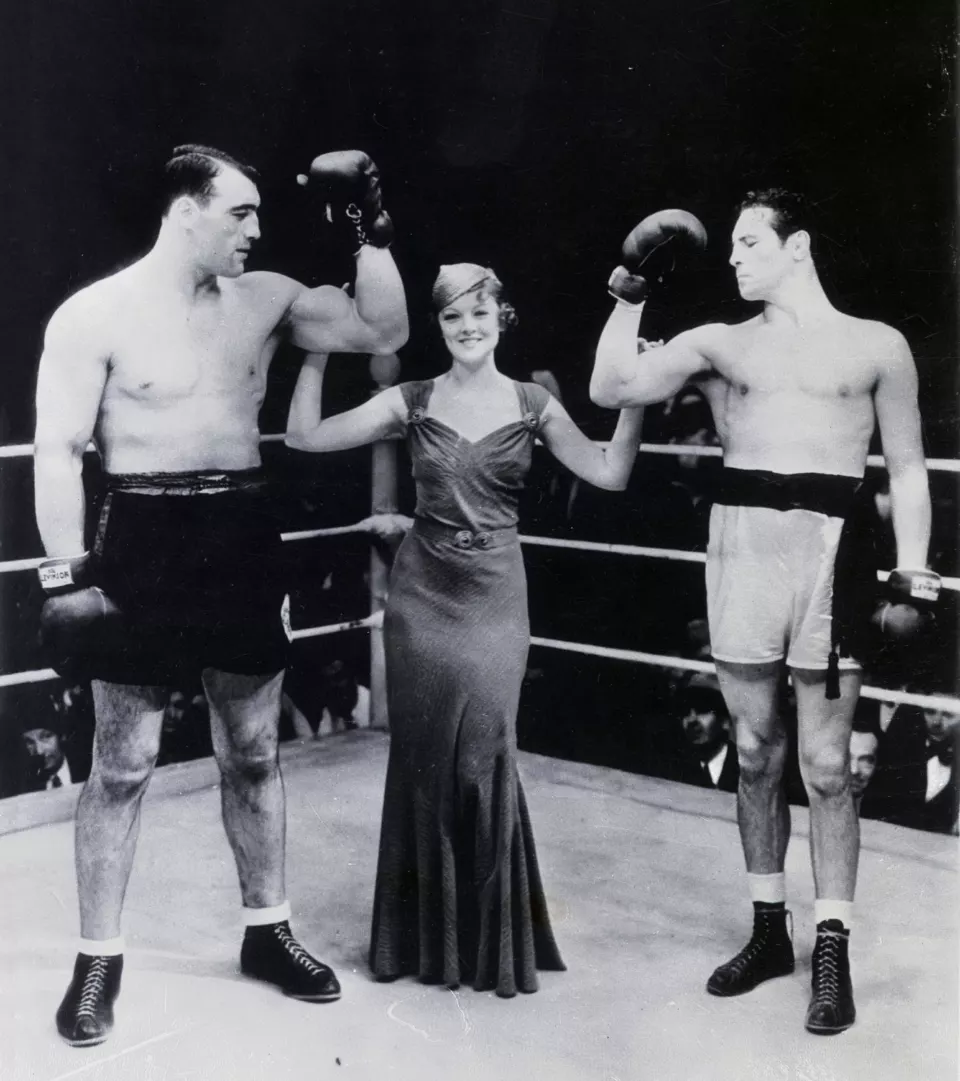
Baer reached Hollywood before he reached the championship. In 1933 he starred opposite Myrna Loy in The Prizefighter and the Lady, with Carnera and Jack Dempsey playing themselves. In March 1934 Germany banned the film at the urging of Joseph Goebbels.
On June 14, 1934, at the Madison Square Garden Bowl in Long Island City, New York, Baer fought Carnera, the 267-pound Italian champion, for the real title. He knocked him down again and again, and the fight was stopped in the eleventh round. Sources do not agree on the number of knockdowns. Wikipedia and the Jewish Virtual Library say eleven, EBSCO says twelve, and Wikipedia adds that some of the falls were slips or wrestling-style tumbles rather than clean knockdowns. After the fight, doctors found that Carnera had a fractured foot. Baer was heavyweight champion of the world at twenty-five.
The Cinderella Man Night, June 13, 1935
Baer held the title for 364 days and made his first defense back at the Madison Square Garden Bowl against James J. Braddock. Braddock was a 10-to-1 underdog. By Wikipedia's account, Braddock trained seriously and Baer barely trained, and in the ring the champion clowned for the crowd. After fifteen rounds the judges gave Braddock a unanimous decision, and the result is still ranked among the biggest upsets in heavyweight history.
Joe Louis, Lou Nova and the Last Bell
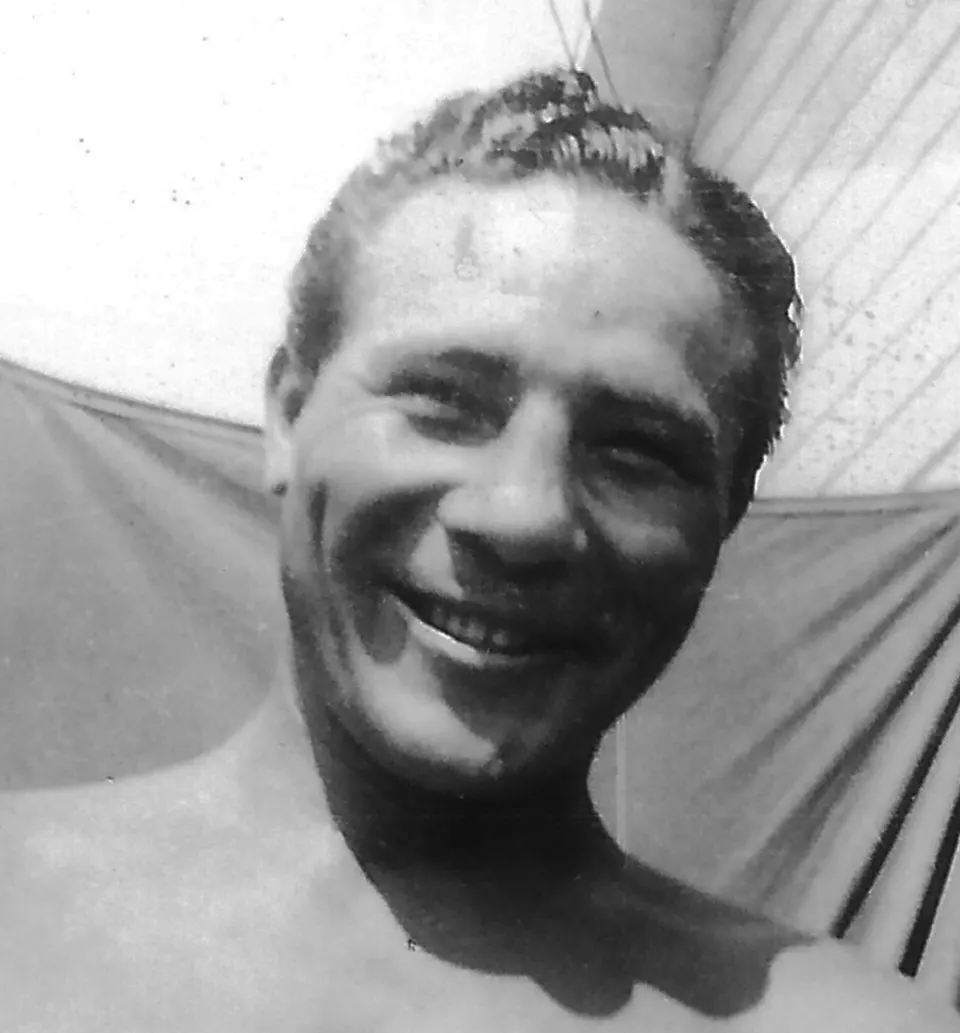
Three months later, on September 24, 1935, Baer faced the rising Joe Louis at Yankee Stadium. Louis knocked him out in the fourth round. According to Wikipedia, it was the first time Baer had been knocked down as a professional, and he went into the fight with a right hand broken against Braddock.
He kept boxing for several more years. He fought in England, where he beat Tommy Farr in a rematch, and he defeated Tony Galento. On June 1, 1939, his loss to Lou Nova was broadcast on WNBT in New York, the first televised heavyweight fight. His last bout was another loss to Nova, by eighth-round stoppage at Madison Square Garden on April 4, 1941. His record depends on the source: Wikipedia gives 66 wins and 13 losses in official bouts, with more if newspaper decisions are included, while the Jewish Virtual Library lists 72 wins, 52 by knockout, and 12 losses.
Hollywood, Army Service and an Early Death
During the Second World War, Baer worked as a physical fitness instructor in the U.S. Army. Afterward he returned to show business. He appeared with Abbott and Costello in Africa Screams (1949), alongside his brother Buddy, and with former light heavyweight champion Maxie Rosenbloom in Skipalong Rosenbloom (1951). His final film role was in The Harder They Fall (1956) with Humphrey Bogart. He also appeared on television and worked as a disc jockey and wrestling referee. His son Max Baer Jr. later played Jethro Bodine on The Beverly Hillbillies.
On November 21, 1959, Baer suffered a heart attack at the Hollywood Roosevelt Hotel and died. He was fifty. His funeral was held in Sacramento, and Joe Louis and Jack Dempsey were among the pallbearers.
A Reputation the Movies Keep Rewriting
Baer entered the Bay Area Sports Hall of Fame in 1988 and the International Boxing Hall of Fame in 1995. The image of him in popular culture has been harder to settle. Budd Schulberg's The Harder They Fall drew a bloodthirsty fighter modelled on him, and the 2005 film Cinderella Man, with Craig Bierko as Baer, presented a cruel and snobbish champion. Critics and his family objected. Max Baer Jr. described his father as a kind and gentle man.
Sources
- Max Baer (boxer), Wikipedia, accessed October 2026
- Frankie Campbell, Wikipedia, accessed October 2026
- James J. Braddock, Wikipedia, accessed October 2026
- Aug. 25, 1930: Baer vs Campbell, The Fight City, accessed October 2026
- Max Baer, Jewish Virtual Library, accessed October 2026
- Max Baer, EBSCO Research Starters, accessed October 2026
- Max Baer, Bay Area Sports Hall of Fame, accessed October 2026


