
Durán vs Barkley in 1989 Saw Hands of Stone Win the WBC Middleweight Title at 37 in Atlantic City
A 37-year-old Roberto Durán, a 3-to-1 underdog, dropped Iran Barkley in the 11th round and took a split decision for the WBC middleweight title, his fourth weight class. The Ring named it the 1989 Fight of the Year.

On 24 February 1989, at Convention Hall in Atlantic City, a 37-year-old Roberto Durán came in as a heavy underdog against the bigger, younger WBC middleweight champion Iran Barkley. After twelve rounds, a knockdown in the eleventh and a split decision, he had won a world title in a fourth weight class. The Ring later named it the Fight of the Year.
A Champion Nobody Expected and a Challenger Nobody Trusted
Barkley, a New Yorker born in May 1960, got to the fight by way of the 1988 upset of the year. On 6 June 1988 he took the WBC middleweight belt from Thomas Hearns, landing a right hand in the third round that ended the fight. The Ring gave it its Upset of the Year award. He was 28, and he wanted a big name for his first defense.
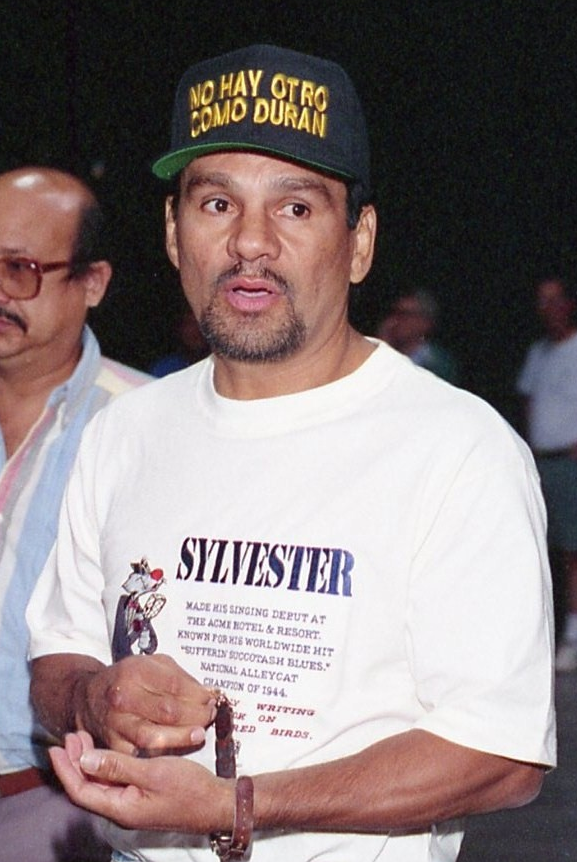
Durán's best years were well behind him by then. Born in Panama in June 1951, he had held world titles at lightweight, welterweight and light middleweight. His last title win had come against Davey Moore in 1983. Hearns knocked him out in two rounds in 1984, and Robbie Sims beat him on a split decision in 1986. Barkley agreed to fight him on the condition that Durán first beat the journeyman Jeff Lanas in October 1988. Durán did, but only by split decision, and that close result did nothing to change the general view that his career was nearly over.
The Davey Moore Grudge
For Barkley there was a personal reason to want the fight. Davey Moore, the man Durán had beaten for the light middleweight title in 1983, was his childhood friend, and Moore had been killed in an accident in 1988, about six months before the bout. Barkley said publicly that he was fighting on his friend's behalf. According to Remezcla's retrospective, he also mocked the idea that the old Panamanian could take the title from him under any circumstances. Durán dismissed the talk and told reporters that Barkley was the one who should be worried.
The bookmakers agreed with Barkley. Remezcla reported that Durán started as a 3-to-1 underdog. The Fight City has described Barkley as the clear favorite on the night, expected to use his size and youth to end Durán's career.
Trouble on the Scale
The weigh-in nearly ended the fight before it began. Durán weighed 156 pounds. Barkley first registered above 164, more than four pounds over the 160-pound middleweight limit, which would have cost him his title. After his camp protested he was weighed again and came in at 159. The difference was blamed on how he had stood on the scale.
A Sold-Out Hall and a Boxer's Plan
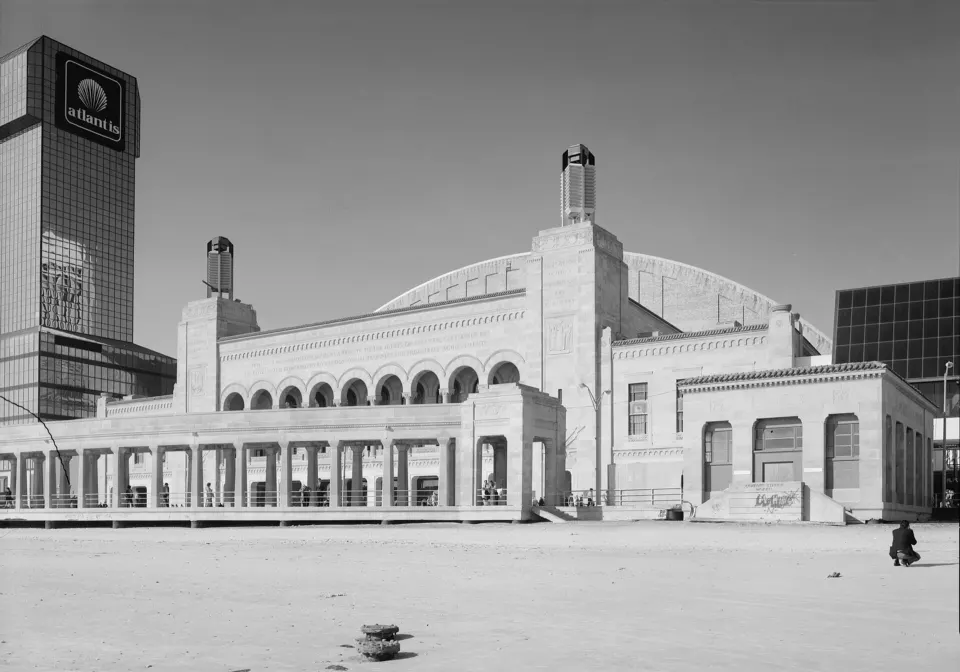
The fight was part of a card marketed as "Gold to Glory" and broadcast in the United States by ESPN. Underneath it, five medalists from the 1988 Seoul Olympics made their professional debuts and all of them won: Ray Mercer, Michael Carbajal, Kennedy McKinney, Robert Wangila and Andrew Maynard. The Fight City describes Convention Hall as sold out, with a crowd strongly behind Durán despite the cold February night.
Barkley chose to box instead of trying to overpower Durán. Accounts of the opening rounds differ. Remezcla and The Fight City both say Durán caught Barkley with a counter right hand in the first round that sent him into the ropes. 3 Kings Boxing's review says Barkley controlled the first six rounds with his jab and steady body punches, then hurt Durán with a double left hook in the seventh. The official scoring shows how divided ringside opinion was: according to the Wikipedia account of the bout, one judge gave Barkley seven of the first eight rounds, while another had those eight rounds split four apiece.
Durán Finds the Right Hand
In the second half of the fight Durán changed his approach. He kept slipping Barkley's jab and answering it with his right hand, often thrown overhand. 3 Kings Boxing dates the change to the eighth round. Barkley stayed in front of him and kept exchanging, which suited Durán's counterpunching. Both Wikipedia and The Fight City quote Barkley's later explanation that Durán's heart was what he could not overcome.
According to Wikipedia's summary, all three judges scored the final four rounds for Durán.
The Eleventh Round
The only knockdown came late in the eleventh round. Sources describe the sequence a little differently. Wikipedia says Durán landed three right hands in a row. The Fight City counts four heavy power punches thrown as Durán moved forward. Remezcla describes a combination finished with a hard right. Every account agrees that Barkley went down, got up and lasted the round. After the bell he was dazed and briefly walked around the ring looking for his own corner.
The twelfth round was close. Barkley was still on his feet at the end, but the momentum of the last third of the fight belonged to Durán.
Split Decision, Fourth Crown
The judges' cards confirmed how hard the fight had been to score. Two had Durán ahead, 118-112 and 116-112. The third had Barkley winning 116-113. The split decision made Durán the WBC middleweight champion at 37 years and 253 days, according to Wikipedia's record of his title fights. He had held a world title in a fourth weight class, which Remezcla and Wikipedia both describe as a first for a Latino fighter. Remezcla quotes him as saying afterwards that he could not remember the last time he had felt this good. Wikipedia credits him with a line comparing himself to a bottle of wine: "The older I get, the better."
The sources do not record the judges' names, so they are not given here.
What Came After
The Ring named Durán-Barkley its Fight of the Year for 1989. Wikipedia's Durán biography calls the win one of the greatest of his career, a former lightweight taking the middleweight title.
Durán did not defend the middleweight belt next. On 7 December 1989 he moved up to super middleweight for a third fight with Sugar Ray Leonard and lost a unanimous decision. He kept boxing until 2001. According to 3 Kings Boxing, he challenged for a middleweight title again at 47 and was stopped in three rounds.
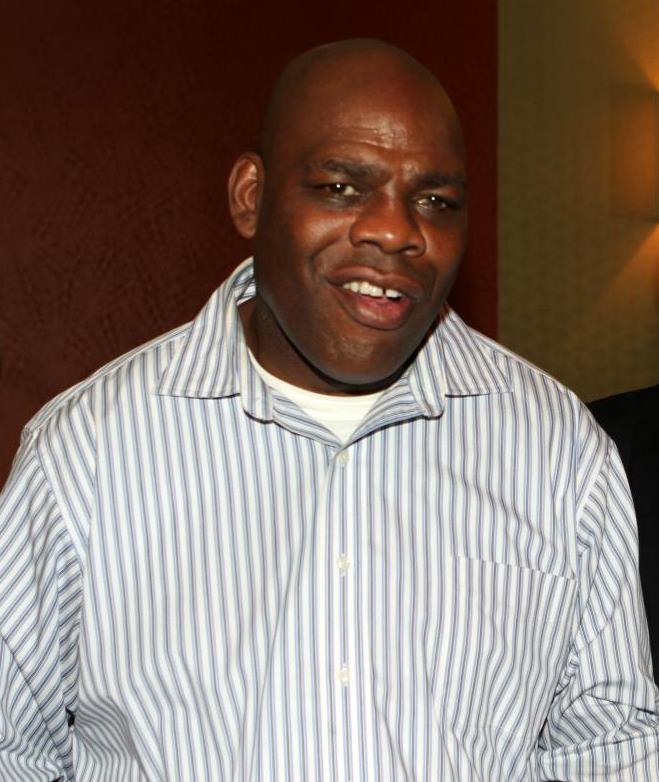
Barkley's career continued too. He went on to win titles in three weight classes and, as 3 Kings Boxing notes, beat Thomas Hearns a second time at light heavyweight. The night in Atlantic City is remembered less for what it did to his career than for what it showed about Durán: an old champion, written off and priced as a long shot, beating a younger, bigger man who had knocked out Hearns, mostly with timing, a counter right hand and stubbornness.
Sources
- Iran Barkley vs. Roberto Durán, Wikipedia, accessed October 2026
- Roberto Durán, Wikipedia, accessed October 2026
- Iran Barkley, Wikipedia, accessed October 2026
- Feb. 24, 1989: Duran vs Barkley, Rafael García, The Fight City, 24 February 2026
- Latin Legends: A Look Back at the Night Roberto Durán Won His Fourth World Title, Carlos Acevedo, Remezcla, undated
- Classic Fight of the Week – Iran Barkley vs Roberto Duran, 3 Kings Boxing, undated


