
Ali vs Spinks in 1978 Brought an Upset in Las Vegas, a Split Title and Ali's Third Crown in New Orleans
Leon Spinks took the heavyweight title from Muhammad Ali in only his eighth pro fight, lost the WBC belt a month later, and surrendered the WBA crown to Ali at the Superdome as Ali became the first three-time heavyweight champion.

In the space of seven months in 1978, the heavyweight championship went from Muhammad Ali to a former Marine with seven professional fights, split in two at a sanctioning body's desk, and came back to Ali in front of one of the largest indoor crowds boxing had ever drawn. The two fights with Leon Spinks bracket the last great chapter of Ali's career and the strangest year the title had seen in a generation.
An Opponent Chosen for Comfort
By early 1978 Ali was 36 years old and carried a record of 55 wins and two losses. The men who surrounded him had reason to worry. Boxing News recalls that the New York State athletic commission had raised concerns about his kidneys and that his longtime physician, Ferdie Pacheco, had urged him to retire. Ali kept fighting, and for a defence in February he was matched with Leon Spinks, the St. Louis light heavyweight who had won Olympic gold in Montreal in 1976.
On paper Spinks was barely a contender. His professional record stood at six wins and one draw, and the Associated Press later described him as unranked, picked precisely because Ali's camp wanted a manageable night. He had never gone past ten rounds. Promoter Bob Arum told the AP decades later that Spinks, judged by the fights he had had up to then, "shouldn't have been a contender at all." Spinks was listed as a 10-to-1 underdog in most accounts; an NPR report on his death went further, saying bookmakers would not even take bets on the bout.
Fifteen Rounds at the Las Vegas Hilton
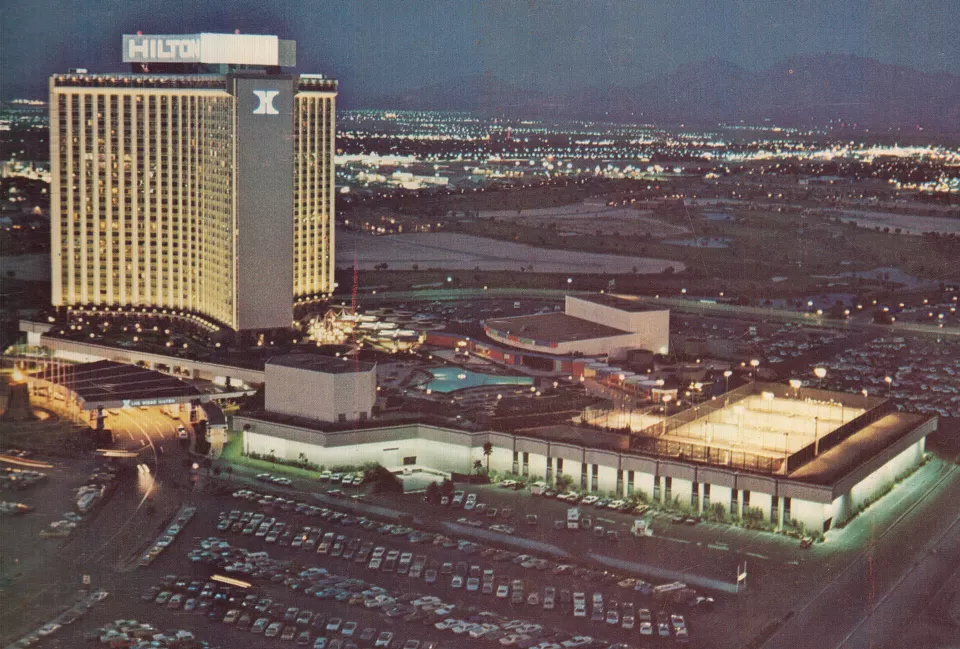
The fight took place on 15 February 1978 in the Pavilion of the Las Vegas Hilton, before a crowd that reports put at about 5,300. The WBA, WBC and The Ring titles were all at stake. Ali, who Boxing News says had sparred only around twenty rounds in camp, weighed 224 pounds to Spinks' 197 and looked heavy when he removed his robe.
Ali's plan, as NPR described it, was the rope-a-dope: lean on the ropes and let the younger man punch himself out. Spinks did not tire. He worked behind his jab from the opening rounds and kept the pressure on through the middle of the fight. Ali came on late, driving Spinks to the ropes and landing hooks and right hands, and the 15th round was savage enough that The Ring later named it its Round of the Year. It was not enough to close the gap.
The decision was split. Two judges scored for Spinks, 145-140 and 144-141; the third had Ali ahead 143-142. Spinks, in his eighth professional fight, was the heavyweight champion of the world. Ali left the ring with a swollen, bruised face. Spinks' famous line afterward survives in slightly different forms: the AP rendered it as "I'm not The Greatest. Just the latest," while NPR's version has him calling Ali still the greatest and himself just the latest.
The result stands apart in Ali's record. Every other defeat of his career to that point had come in a non-title fight or with Ali as the challenger, which made Spinks the only man to take a championship from him in the ring. The Ring named the bout its Upset of the Year, according to Wikipedia and Andscape; the St. Louis American describes it instead as the magazine's Fight of the Year.
The WBC Takes Its Belt Back
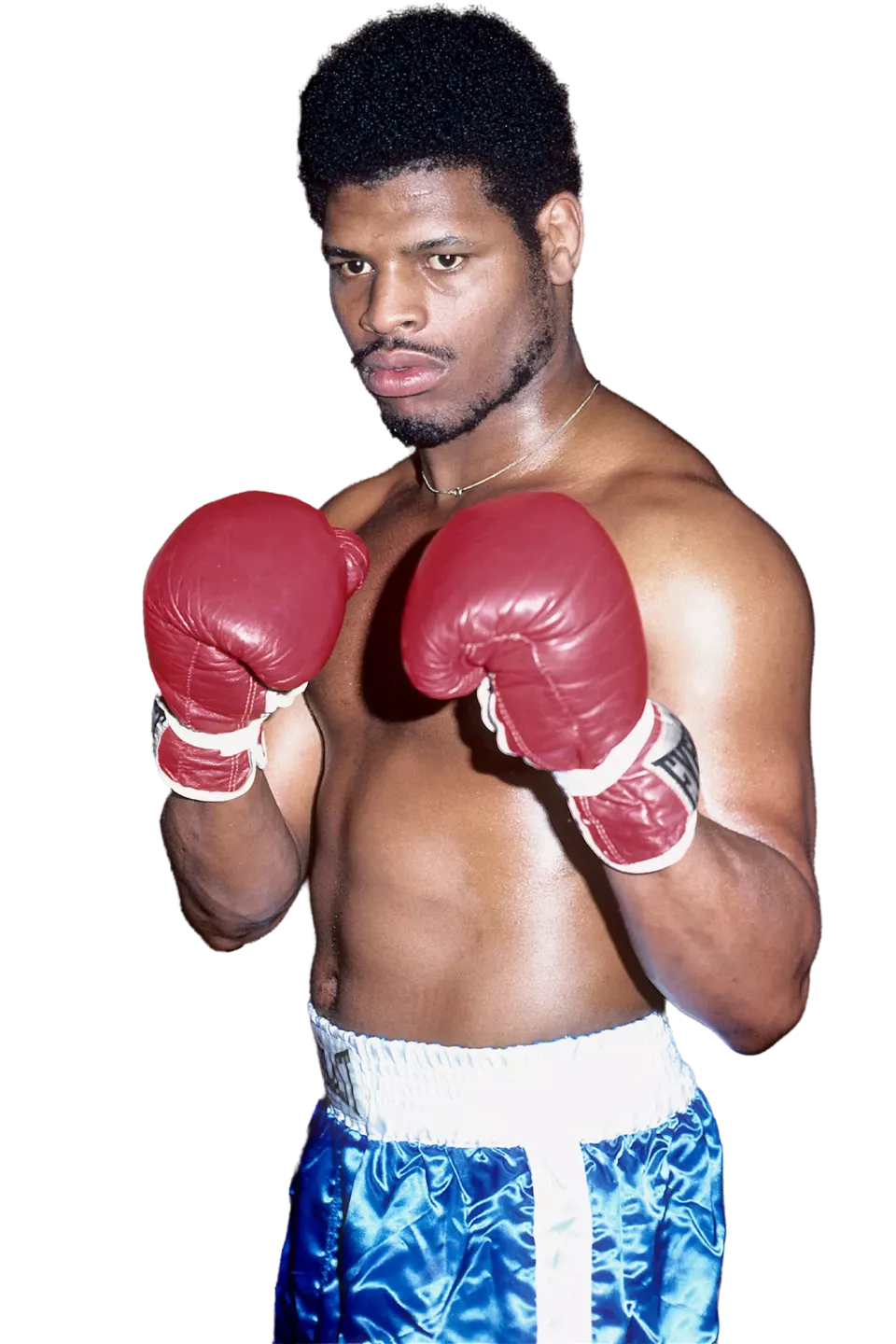
Spinks did not hold the full championship for long. The WBC wanted him to defend against its leading contender, Ken Norton, who had beaten Jimmy Young by a disputed split decision in a 1977 eliminator. Spinks and his handlers preferred the far more lucrative return with Ali, which the WBC had not sanctioned.
On 18 March 1978, a little over a month after the upset, the council stripped Spinks. It then took the unusual step of declaring, retroactively, that Norton's win over Young had been a title fight, and recognised Norton as its champion without his throwing another punch. The heavyweight title was divided again. Norton's reign under that ruling was brief: on 9 June 1978 he lost a split decision to Larry Holmes in his first defence.
That left Spinks with the WBA belt and The Ring's recognition, and those were what he carried into the rematch.
Seven Months of Contrasting Camps
The two men spent the summer in very different ways. The AP's obituary of Spinks says he embraced the life of a champion and spent more time partying than preparing. Ali, stung by the loss, trained seriously and promised to become the first man to win the heavyweight title three times. He also recast the defeat as an opportunity. Andscape quotes him arguing that a win over a fighter with so little experience would have earned him no credit at all.
The money reflected the reversal of roles. According to the Wikipedia account of the rematch, Spinks, now the champion, was paid $3.75 million against $3.25 million for Ali. ABC paid $5.3 million for the American television rights and the broadcast was blacked out across Louisiana and within 200 miles of the arena.
The Superdome, 15 September 1978
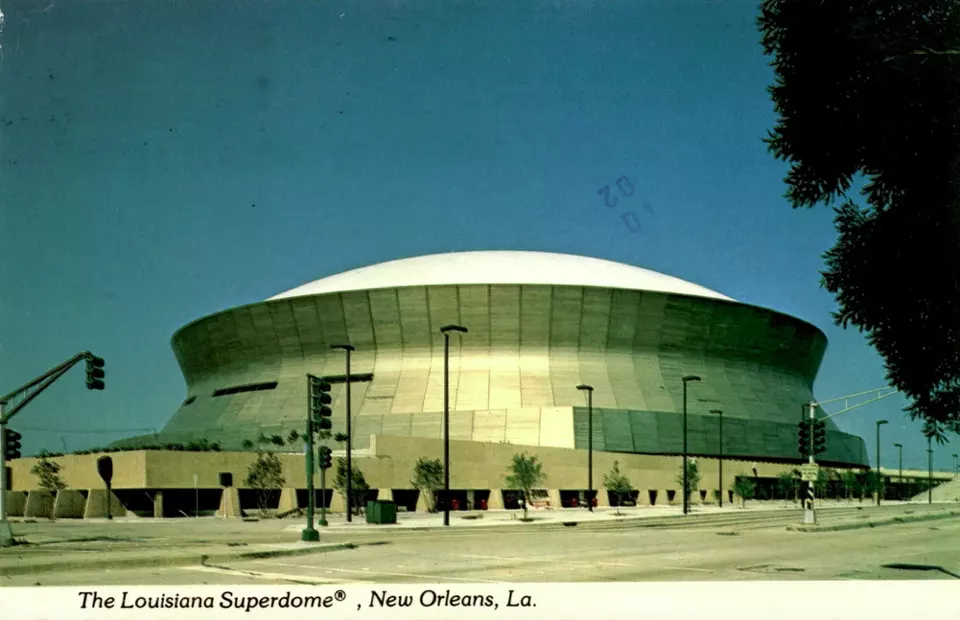
The rematch was staged at the Louisiana Superdome in New Orleans, and the crowd was enormous. Wikipedia gives an indoor record of 63,352 and Andscape a figure of 63,350; the AP, writing in 2021, put it at 72,000. Gate receipts were reported at $4.8 million. In the United States, Wikipedia and the AP agree on an audience of around 90 million television viewers.
This time Ali fought to a narrow, disciplined script. Sports Illustrated's Pat Putnam, as quoted on Wikipedia, summarised it as jab, jab, throw a right and grab. Whenever Spinks rushed forward, Ali wrapped a glove around the back of his head and pulled him into a clinch, then moved away. It was not a graceful performance, and referee Lucien Joubert penalised Ali for holding in the fifth round, according to Andscape. But Spinks never found the sustained pressure that had won him the first fight.
After fifteen rounds all three judges had Ali in front, with cards reported as 10-4, 11-4 and 10-4 in rounds. Ali had regained the WBA and Ring titles and become the first man to win the heavyweight championship three times.
What the Two Fights Left Behind
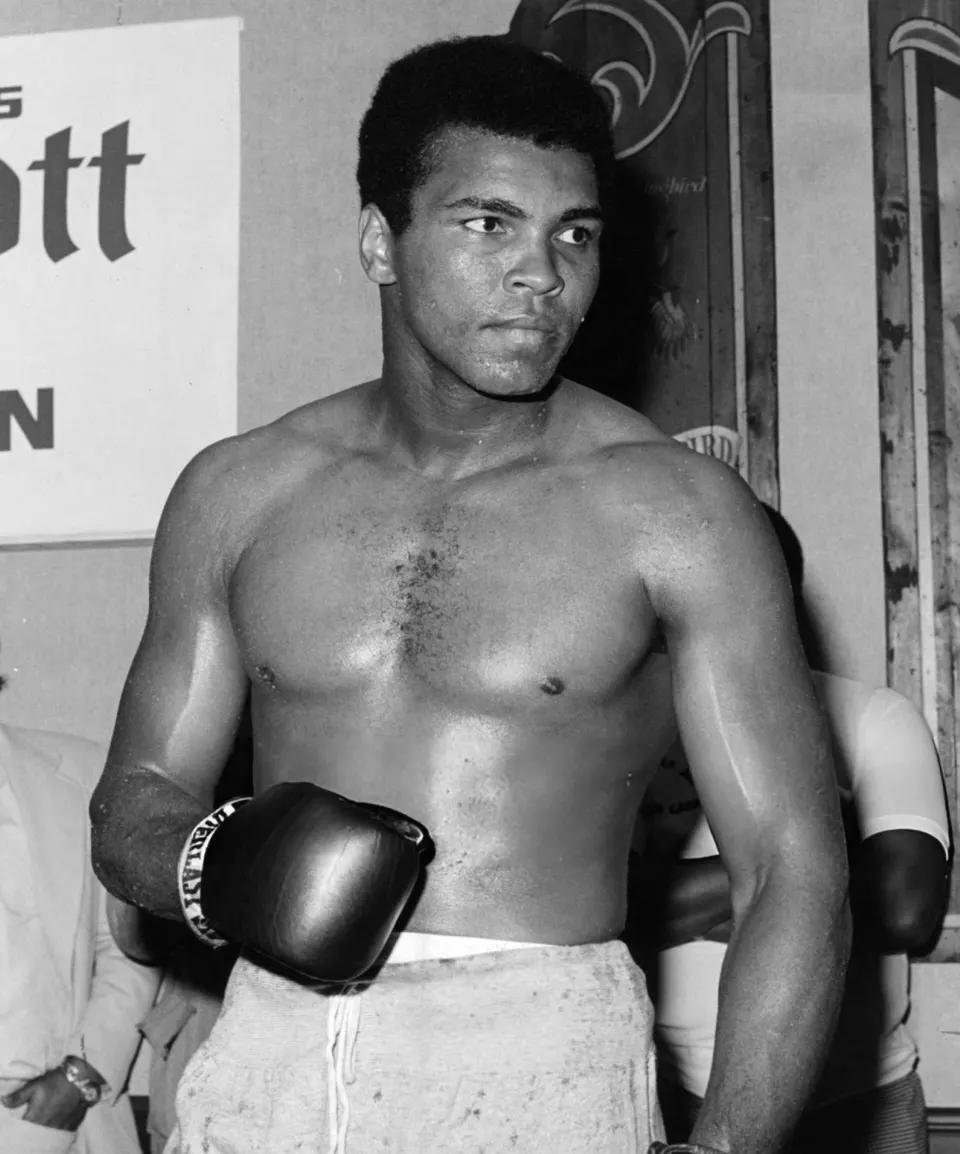
The Superdome win was the last significant victory of Ali's career. He informed the WBA of his retirement in June 1979. Spinks, the St. Louis American notes, began a rapid decline after the rematch, and he never again held the heavyweight championship.
The split the WBC created that March also outlasted both men's reigns, with Holmes, not Spinks or Ali, holding the council's version when Ali stepped away. For a few months in 1978, the most famous belt in sport passed from an aging champion to a novice and back again, and both fights still sit among the most retold nights in heavyweight history.
Sources
- Muhammad Ali vs. Leon Spinks, Wikipedia, accessed October 2026
- Leon Spinks vs. Muhammad Ali II, Wikipedia, accessed October 2026
- Leon Spinks and Ken Norton, Wikipedia, accessed October 2026
- Former heavyweight champion Leon Spinks dies at 67, Tim Dahlberg, Associated Press (via KSL), 6 February 2021
- Boxer Leon Spinks, who toppled Muhammad Ali, dies at 67, NPR (via KPBS), 7 February 2021
- The day Muhammad Ali beat Leon Spinks in a 15-round rematch for a historic third heavyweight title, Andscape
- On this day: Muhammad Ali became the first man to win the heavyweight title three times, Boxing News
- This week in February 1978: St. Louisan upsets Ali, St. Louis American


