
Greb vs Tunney in 1922 Was the Night the Pittsburgh Windmill Handed Gene Tunney His Only Defeat
On 23 May 1922 at Madison Square Garden, Harry Greb took Gene Tunney's American light-heavyweight title in a fifteen-round fight that left Tunney with a broken nose and cuts over both eyes. Tunney won or held his own in their four later meetings and never lost again.

On the night of 23 May 1922, at the old Madison Square Garden, a middleweight from Pittsburgh took the American light-heavyweight title from Gene Tunney over fifteen rounds and left him with a nose broken in two places and cuts above both eyes. Tunney boxed for six more years and went on to beat Jack Dempsey twice, yet no other man ever beat him. Harry Greb was the only one.
Two Fighters on Different Roads
Gene Tunney was born in New York City on 25 May 1897. He learned to box on the West Side and first got noticed in the Marine Corps during the First World War, where he won the boxing championship of the American Expeditionary Forces. That earned him the nickname "The Fighting Marine." He was a careful, thinking boxer, and on 13 January 1922 he beat Battling Levinsky over twelve rounds at Madison Square Garden for the vacant American light-heavyweight title. When he defended it four months later, he had never lost as a professional.
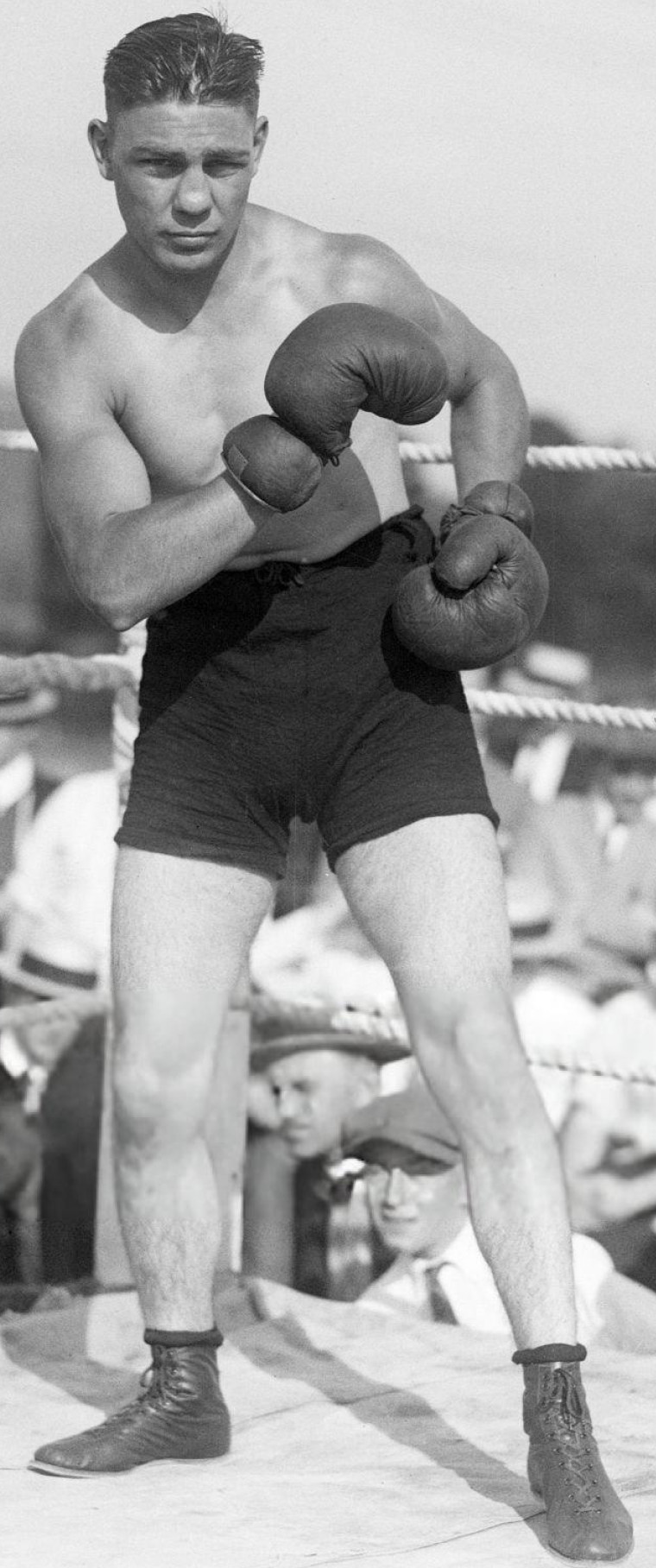
Harry Greb, born Edward Henry Greb in Pittsburgh on 6 June 1894, was a different kind of fighter. People called him "The Pittsburgh Windmill" because he threw punches nonstop and from every angle, and he fought far more often than almost anyone of his time. Record books put his career at close to three hundred bouts. He also had a secret. In a 1921 fight with Kid Norfolk his right eye was thumbed, which damaged the retina and, according to Wikipedia's account of his career, eventually blinded that eye. Greb kept it hidden from commissions and opponents. The Fight City notes that he started 1922 with wins over Chuck Wiggins and Tommy Gibbons before he got his chance at Tunney.
A Doctored Eyebrow and Numbed Hands
Tunney came into the fight in poor shape. In a recollection reproduced by the International Boxing Research Organization (IBRO), he said that during training his left eyebrow had been cut open, both hands had been hurt, and an old left-elbow problem had come back, which kept him from using his jab. His camp doctor, Robert J. Shea, injected adrenaline chloride over the eye to try to limit bleeding if the cut reopened, and he injected Novocain into the knuckles of both hands. Tunney's corner bolted the dressing-room door while this was done. Greb's manager, George Engle, protested loudly when he found it locked, and Tunney eventually unwrapped his bandages so Engle could inspect them.
The weights favoured the champion. Boxing News gives Greb's weight as 11 stone 8¼ pounds, about 162 pounds, and says Tunney was roughly twelve pounds heavier. The WBA's history of Greb puts Tunney at 174. Sources disagree about the size of the crowd. The Fight City reports more than 9,000 spectators, while Pittsburgh Quarterly puts it above 13,000. The Fight City also says bookmakers had made Greb a three-to-one favourite. Kid McPartland was the referee.
Fifteen Rounds Through a Red Film
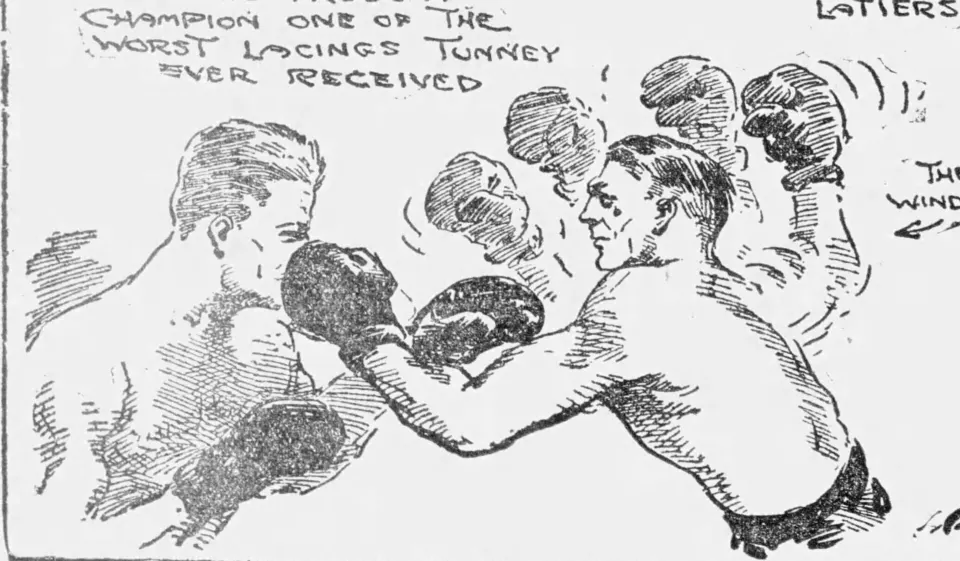
The damage started almost immediately. Tunney later said his nose was fractured in two places in the first exchange of the first round, and that before the round ended his left eyebrow had been opened about four inches. He believed the adrenaline injection had softened the tissue, so the first blow or butt cut straight through. The New York Times round-by-round account, which IBRO quotes, describes both men covered in blood from Tunney's nose by the bell. In the third round a second cut opened over his right eye. For most of the rest of the fight, Tunney said, he saw Greb only through a red haze.
Tunney had his moments. According to the Times, he shook Greb in the fourth round and beat him to the punch with a right to the body in the fifth. Greb slipped to the canvas in the fifth, but it was not ruled a knockdown. In the sixth both men were pushing so hard that they nearly went through the ropes. In the seventh Greb hit Tunney over the eye as the referee was separating them, and the crowd booed. IBRO's account of the fight also lists head-butts, punches on the break and lace-raking among Greb's tactics. Tunney's corner could not stop the bleeding. His chief second, Doc Bagley, had him sniff adrenaline from his palm between rounds, and Tunney recalled that it ran down his throat together with the blood.
By the eleventh round Greb was clearly in control. After the twelfth, Tunney drank from a fifty-fifty mix of brandy and orange juice that he had brought in case he weakened from blood loss. It was the only time in his career he took anything during a fight, and the ring began to spin. Boxing News records that he saw two opponents in the thirteenth. "How I survived the thirteenth, fourteenth and fifteenth rounds is still a mystery to me," Tunney said later, in the recollection IBRO reprints.
The Verdict and the Cost
Greb got the decision after fifteen rounds. Wikipedia's record tables list it as unanimous, and Greb became American light-heavyweight champion. Tunney shook his hand and, by his own account, told him he had been the better man that night. IBRO's article says it was later estimated that Tunney lost about two quarts of blood. That figure comes from a later estimate, not from a medical record of the night. According to Boxing News, Tunney collapsed after he left the ring and had to be carried to his dressing room. Pittsburgh Quarterly says he spent that night in hospital having his face repaired.
His next move showed how stubborn he was. IBRO reports that two days after the fight he went to the athletic commission's office. He did not go to complain about Greb's fouls. He went to arrange a rematch.
Four More Meetings
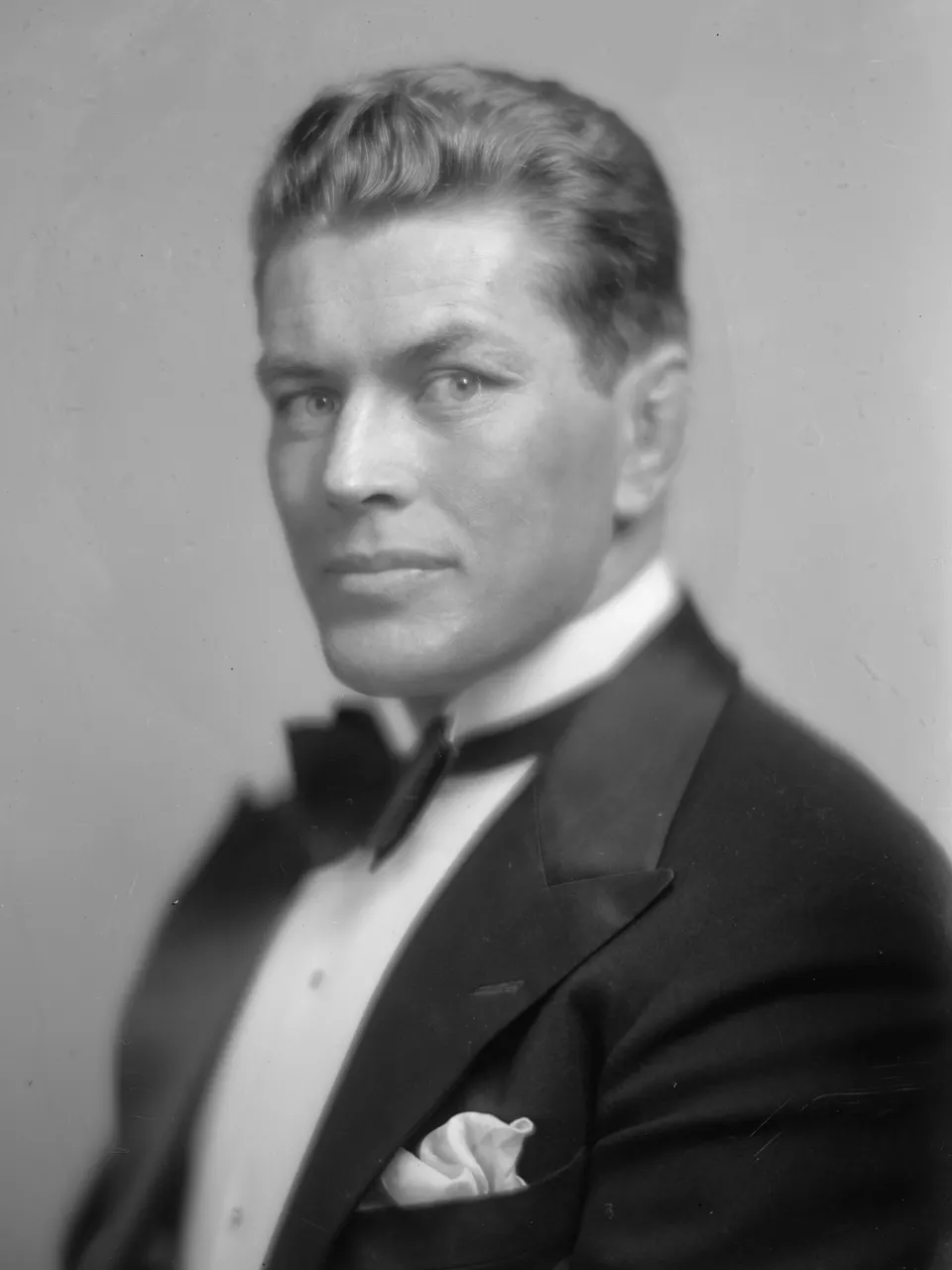
They fought again at Madison Square Garden on 23 February 1923, and Tunney won the title back on a split decision. Several accounts, including Wikipedia's articles on both men and British Vintage Boxing, say many ringside reporters thought Greb had done enough to win. On 10 December 1923 they met for a third time, and Tunney won a clearer decision. British Vintage Boxing says Greb landed more punches but Tunney's were cleaner and harder.
The last two fights were ten-rounders under the no-decision rules of the time. The fourth took place in 1924 at the Olympic Arena in Brooklyn, Ohio, on the edge of Cleveland. Wikipedia dates it 17 September and calls it a newspaper draw, while British Vintage Boxing gives 24 September and says the press coverage favoured Greb. The fifth was on 27 March 1925 at the Auditorium in Saint Paul, Minnesota, and by all accounts Tunney dominated it. According to Wikipedia, Benny Leonard had advised Tunney to attack Greb's body rather than his head, and British Vintage Boxing describes Tunney doing exactly that. Even Tunney's career total varies by source. Wikipedia counts 80 wins, 1 loss and 3 draws, and British Vintage Boxing gives 65 wins, 1 loss and 2 draws. Every count shows the same single defeat.
What Came After
Greb won the world middleweight title in 1923 and held it until 1926. That year he lost it, and on 22 October 1926 he died in Atlantic City at the age of 32 after surgery to repair facial damage from boxing and a car crash. Pittsburgh Quarterly gives the cause as a brain haemorrhage, and Wikipedia gives heart failure. Tunney beat Dempsey for the heavyweight championship on 23 September 1926, won the "Long Count" rematch in 1927, and retired as champion after beating Tom Heeney in July 1928.
Sources
- Tunney vs Greb I, Sam Gregory, International Boxing Research Organization (IBRO), drawing on the New York Times, Pittsburgh Post and Nashville Tennessean of 24 May 1922
- When Harry Greb dished out one of boxing history's most savage beatings, Boxing News
- More Than A Century Ago: Harry Greb's Incredible 1922 (Part One), The Fight City
- A victim of the life he led, Pittsburgh Quarterly
- Harry Greb: "The Pittsburgh Windmill", World Boxing Association (wbaboxing.com)
- The Fighting Marine, British Vintage Boxing
- Harry Greb, Wikipedia, accessed October 2026
- Gene Tunney, Wikipedia, accessed October 2026


