
How Fighting Harada Ended Éder Jofre's Unbeaten Run in Nagoya, 1965
On a split decision in Nagoya in May 1965, Fighting Harada took the bantamweight title from the unbeaten Éder Jofre, then beat him again unanimously at Tokyo's Nippon Budokan a year later.

In May 1965, in a gymnasium beside Nagoya Castle, a 22-year-old from Tokyo took the bantamweight championship from a Brazilian who had gone fifty professional fights without a defeat. The verdict was split, the champion disputed it for the rest of his life, and a year later Fighting Harada beat Éder Jofre again in Tokyo.
The Champion Nobody Had Beaten
By the spring of 1965 Éder Jofre had held the bantamweight title for close to five years. He had knocked out Eloy Sánchez in Los Angeles in November 1960 to win the vacant title, stopped Johnny Caldwell in São Paulo in 1962 to collect wider recognition, and taken the belt on the road, including a trip to Tokyo in 1963. Wikipedia's record table has him entering the Nagoya fight at 47 wins, no losses and three draws, which is why biographies of him speak of fifty fights unbeaten rather than fifty wins. Many of his supporters, according to Wikipedia's article on Harada, had come to regard him as invincible.
The ringtalk biography of Jofre covers his São Paulo upbringing and his later political career. This article stays with the two nights that put the only losses on his record.
Harada's Road to Nagoya
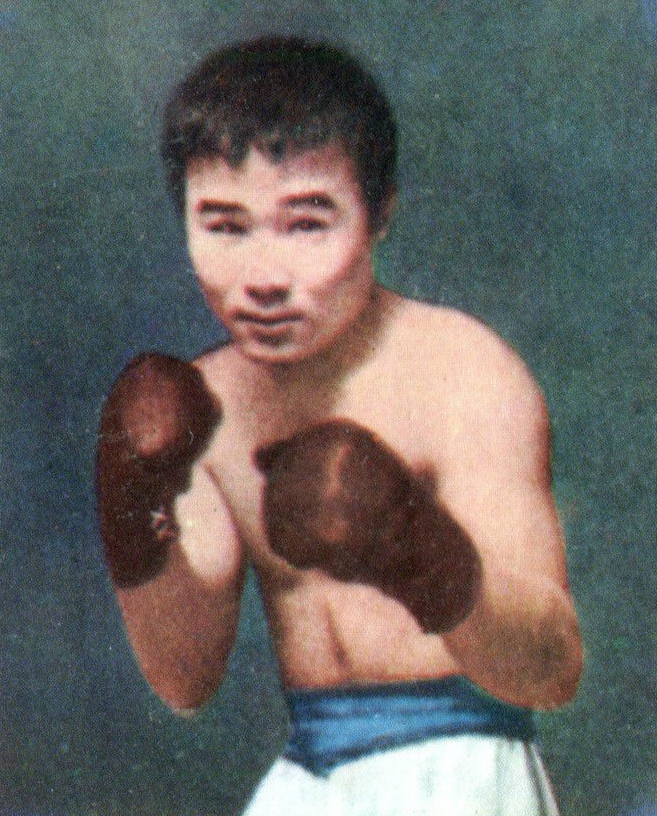
Masahiko Harada, boxing as "Fighting" Harada, had already been a world champion once. He won the flyweight title from Pone Kingpetch in Tokyo in October 1962 at 19 and lost it back to him in Bangkok three months later. He then moved up to bantamweight, and the climb was not smooth. According to the Japanese-language Wikipedia, Mexico's José Medel stopped him in the sixth round in September 1963. Harada recovered, and the same account credits him with a third-round knockout of his countryman Katsutoshi Aoki in October 1964, the result that set up his title chance.
Aoki was a useful measuring stick, because Jofre had knocked him out in three rounds in Tokyo the year before. Even so, Japanese expectations before the fight were gloomy, the Japanese Wikipedia account says, and Harada himself was not immune to the mood. Speaking to Paul Zanon for British Vintage Boxing, he recalled: "When I found out that I was fighting him, I was scared."
Fifteen Rounds Inside the Aichi Prefectural Gymnasium
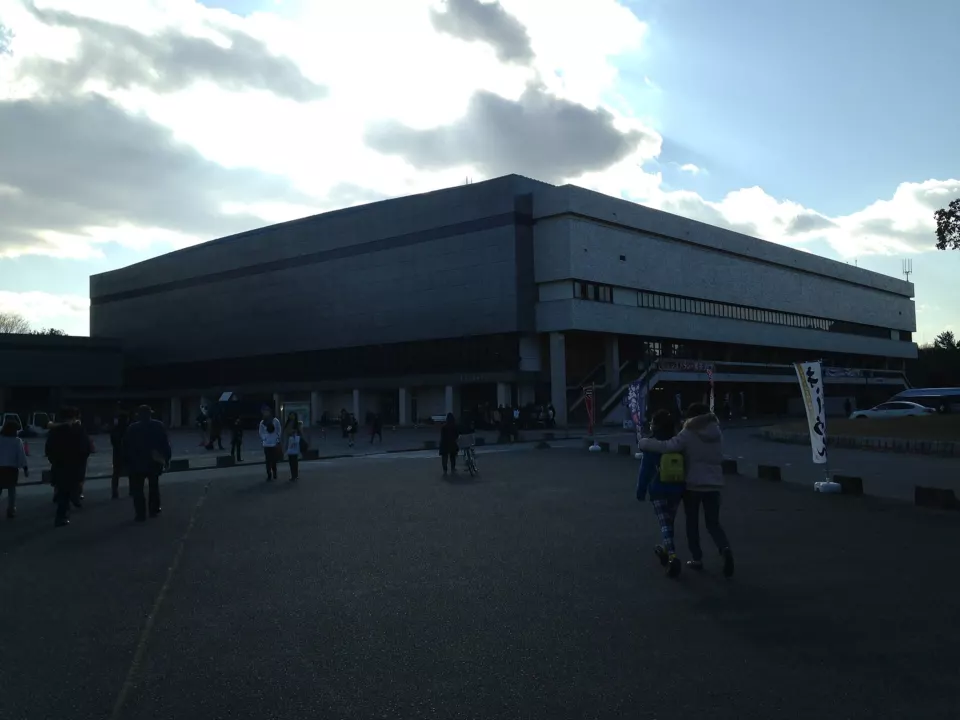
The fight was staged at the Aichi Prefectural Gymnasium in Nagoya, with the WBA, WBC and Ring Magazine titles at stake. Most sources date it to 18 May 1965, among them English and Japanese Wikipedia and British Vintage Boxing. The WBC's own "On This Day" feature places it on 17 May, and a 2022 WBA tribute muddles the chronology further by giving 31 May 1965 for the first fight and 18 May 1966 for the rematch, dates that appear to have been swapped.
Harada was known for swarming pressure, but the Japanese Wikipedia account says that against Jofre he set aside his usual rushing approach and fought a more measured, out-boxing fight behind his left jab and his footwork. The plan made sense against a champion of Jofre's punching power: the longer Harada stayed out of the exchanges Jofre wanted, the fewer chances the Brazilian had to end the night early. The bout went the full fifteen rounds.
When the decision was announced in Harada's favour, the hall erupted. The Japanese account describes spectators throwing countless cushions into the ring in celebration.
Three Officials, Three Different Cards
The third man in the ring was Barney Ross, the former world champion, who also scored the bout. The Fight City and Japanese Wikipedia both name him as the referee. Japanese Wikipedia gives the totals as 71-69 for Harada from Ross, 72-70 for Harada from a Japanese judge it names as Takada, and 72-71 for Jofre from the American judge Jay Edson. Two of three officials had Harada ahead, and the narrowest card went the other way by a single point.
English Wikipedia calls the result controversial in its article on Jofre and contested in its article on Harada. Jofre never accepted it. In a 2022 tribute by Daniel Herbert in Boxing News, he is quoted as saying, "Even the people in Japan thought I won," and as complaining that Harada had butted him and held a great deal. Those are the losing fighter's words, and no source consulted here offers an independent round-by-round account to settle the matter.
Whatever the merits, the record changed that night. Jofre had his first professional defeat, and Harada, the former flyweight king, had his second world title.
Defending the Belt, Then Jofre Again
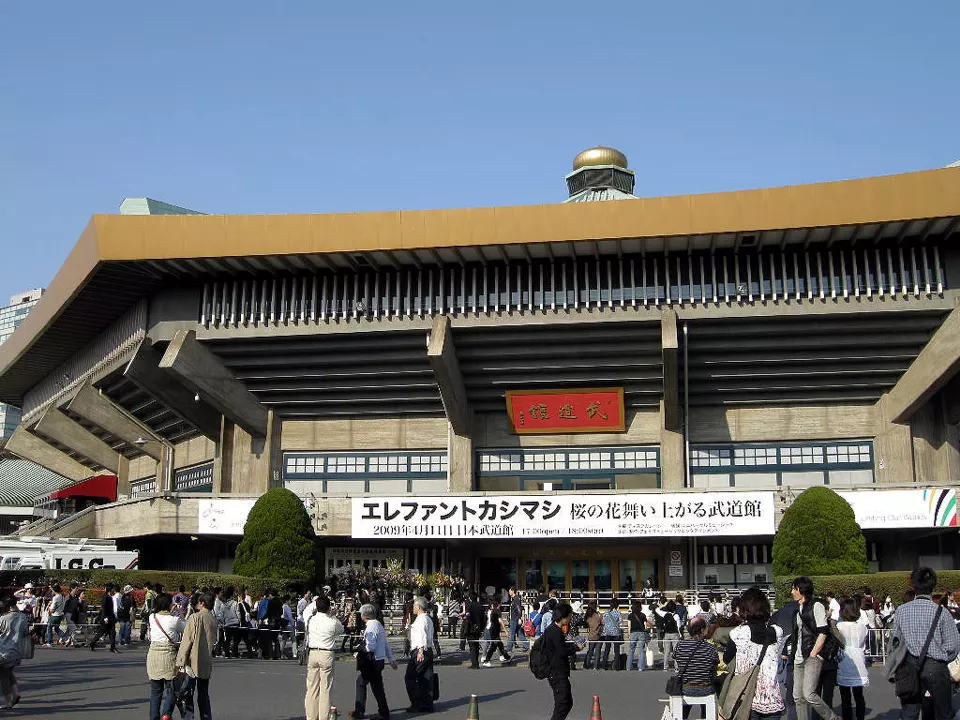
Harada's first defence came in November 1965, when, according to Japanese Wikipedia, he outpointed Britain's Alan Rudkin over fifteen rounds. Then the return with Jofre was made, this time in Tokyo at the Nippon Budokan.
The date is again reported two ways. British Vintage Boxing, Japanese Wikipedia and the fight table in English Wikipedia give 31 May 1966, while the narrative text of English Wikipedia's Jofre article says 1 June 1966.
Jofre's preparation went wrong on the scales. Boxing News reports that he came in at 116 pounds, two below the bantamweight limit, and treats the misjudged weight as his own error. The Fight City describes a crowd of 15,000 cheering Harada home. After fifteen rounds all three officials scored it for the champion, a unanimous decision. Boxing News notes that Jofre did not contest this one the way he had contested Nagoya.
What the Two Nights Left Behind
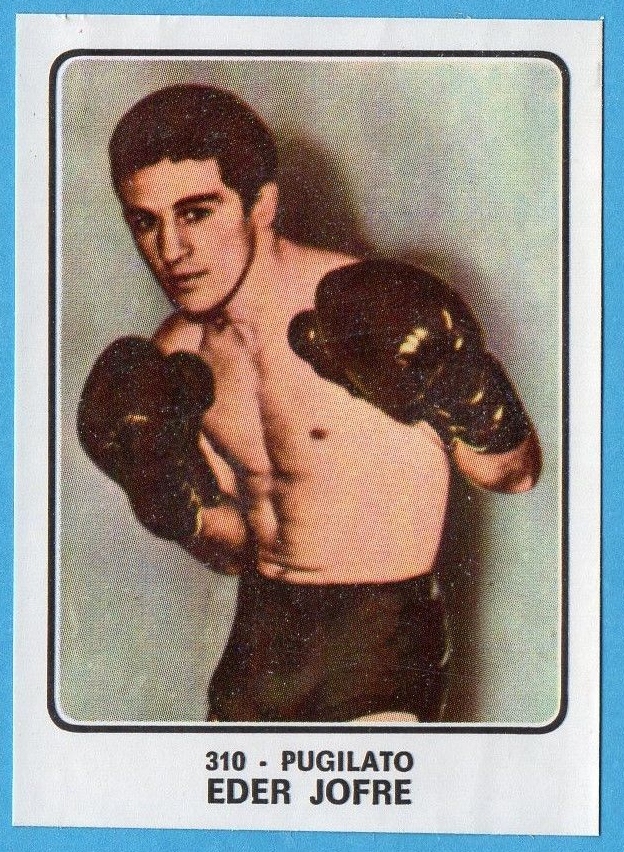
Jofre retired after the Budokan loss. He returned in 1969 as a featherweight and, at 37, won the WBC featherweight title from José Legrá in Brasília in 1973. He never lost again, which left the two Harada decisions as the only defeats in a career of 78 fights. As English Wikipedia puts it plainly, Harada was the only boxer ever to beat him.
Harada held the bantamweight title until February 1968, when Lionel Rose took it from him in Tokyo, and later came up short in two featherweight challenges of Johnny Famechon. The ringtalk biography of Harada follows that part of the story.
The two fights have aged into something larger than a pair of title results. In 1965 Jofre was widely seen as the best bantamweight in the world and possibly the best of any era, and a young Japanese fighter who admitted he had been frightened of him beat him twice in just over a year. The first win remains arguable on the cards. The second was not.
Sources
- Fighting Harada, Wikipedia (English), accessed October 2026
- ファイティング原田 (Fighting Harada), Wikipedia (Japanese), accessed October 2026
- Éder Jofre, Wikipedia (English), accessed October 2026
- Fighting Harada, Paul Zanon, British Vintage Boxing, 29 August 2023
- A tribute to Eder Jofre, the best bantamweight ever, Daniel Herbert, Boxing News, 17 October 2022
- "The Golden Bantam" lowered his guard, World Boxing Association, 12 October 2022
- On This Day in Boxing: May 17, World Boxing Council, 17 May 2023
- Japanese Boxing: From Harada to Inoue, Zach Dunn, The Fight City, 3 June 2015


