
Leonard vs Hearns II in 1989 Ended in Two Knockdowns and a Split Draw After 'The War' at Caesars Palace
Eight years after their first fight, Thomas Hearns dropped Sugar Ray Leonard in the third and eleventh rounds at Caesars Palace, only for the judges to return a split draw that let Leonard keep his WBC super middleweight title.

On the night of 12 June 1989, eight years after Sugar Ray Leonard had stopped him in the fourteenth round, Thomas Hearns climbed back into the ring at Caesars Palace and put Leonard on the canvas twice. When the cards were read, the rematch billed as "The War" was a split draw, Leonard kept his WBC super middleweight belt, and the outdoor crowd let the judges know exactly what it thought.
Eight Years in the Shadow of 1981
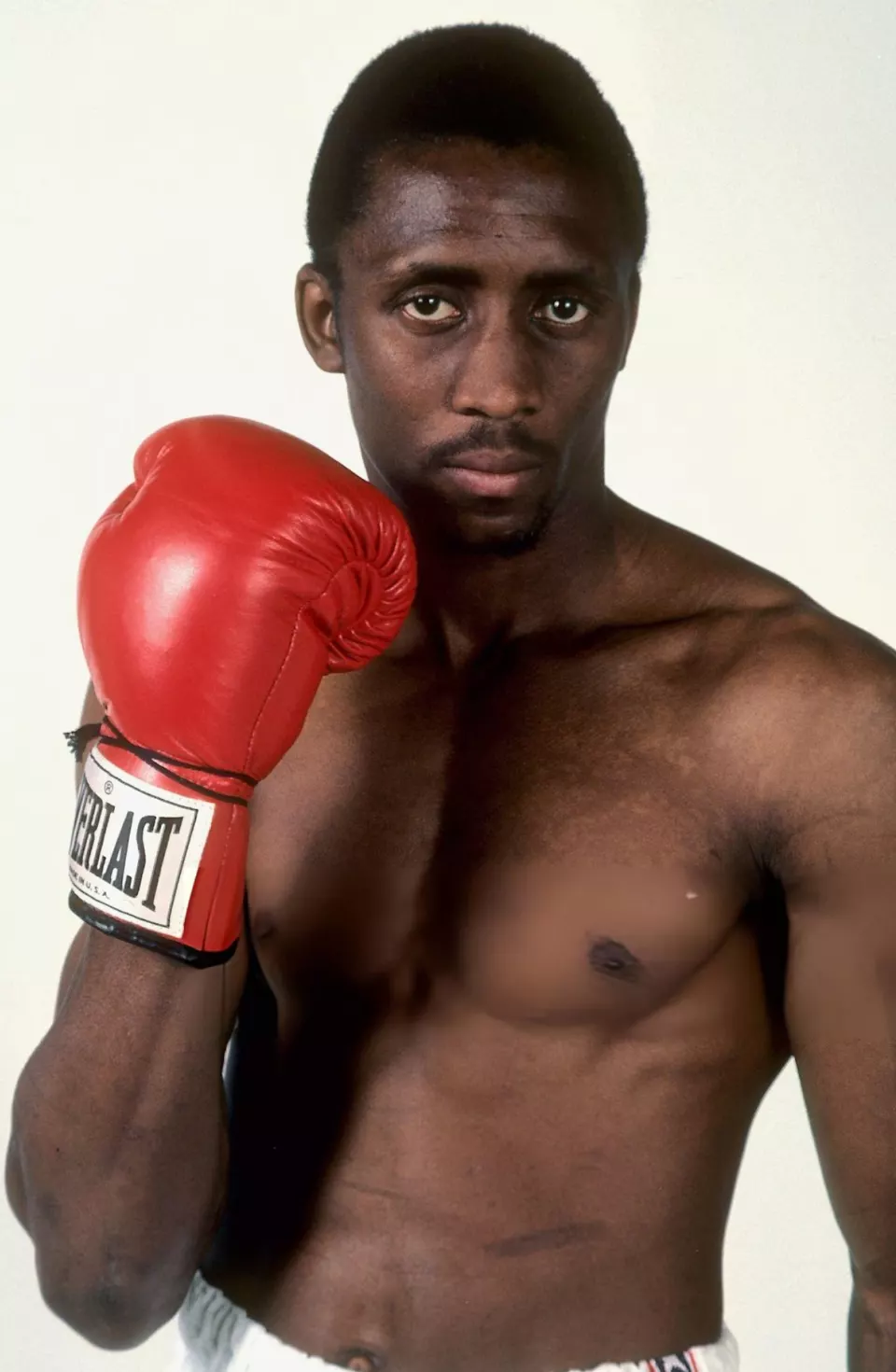
The first Leonard-Hearns fight in September 1981 had ended with Leonard rallying to stop Hearns in the fourteenth round, and The Fight City's retrospective argues that Leonard steered clear of a return meeting for most of the decade that followed. In 1987 he beat Marvelous Marvin Hagler, and on 7 November 1988 he defeated Donny Lalonde to collect the WBC light heavyweight and super middleweight titles, a win that made him a five-division champion.
Hearns had been busy too. Three days before the Lalonde fight he took a majority decision over James Kinchen to win the newly created WBO super middleweight title, becoming the first man to hold world titles in five weight classes. The Kinchen fight was no stroll: The Fight City's account notes that Hearns came close to being knocked out in the fourth round. Promoter Bob Arum announced the rematch in January 1989.
Building "The War": Purses, Pounds and the Odds
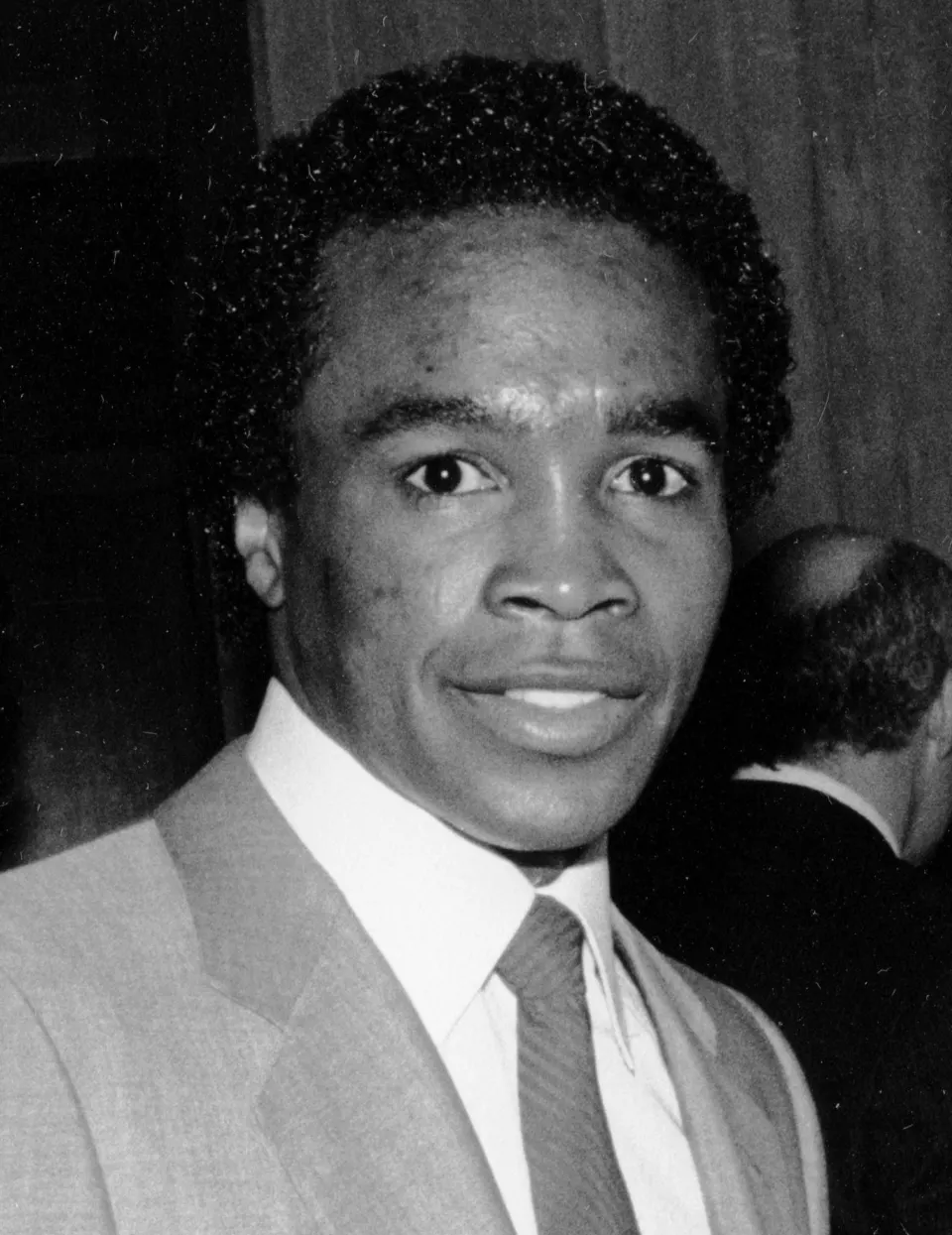
The money reflected how long the public had waited. Leonard was guaranteed 13 million dollars and Hearns 11 million, with The Fight City adding that both men also had percentages on top. The contract set a catch-weight of 164 pounds, backed by a penalty of 500,000 dollars for every pound over. Neither man came close to the limit: Leonard weighed 160 pounds and Hearns 162.5.
Leonard entered with a record of 35-1 and Hearns at 46-3, and the bookmakers made Leonard a 3-to-1 favourite. Wikipedia lists both the WBC and WBO super middleweight belts as being contested, while The Fight City frames the night around Leonard's WBC title alone. Hearns made no secret of what the fight meant to him; in The Fight City's retelling he described the whole promotion as being about payback.
A Family Crisis Days Before the Bell
The build-up was overshadowed by violence in Detroit. Accounts differ on the timing and details. Wikipedia says that on the day of the fight Hearns's brother Henry was arrested for shooting his girlfriend at a house Thomas owned. The Fight City places the shooting roughly 48 hours before the bout, says the 19-year-old victim died, and reports that Henry was charged with murder. Both sources agree that Hearns did not consider pulling out. Arum later recalled visiting him, and Wikipedia records Hearns telling the promoter that he had waited eight years to knock Leonard out.
Leonard would later point to that week as a reason for his slow start. According to The Fight City, he said he lost his edge after going to Hearns at the weigh-in to offer condolences, and that a fighter needs to stay in his competitive zone.
Hearns's Jab and the Third-Round Knockdown
From the opening bell Hearns used his reach, working behind a long jab while Leonard looked flat. In the third round a Hearns right hand sent Leonard down. He was up by five, but he was hurt, and another right that only grazed him nearly finished the fight there and then.
The bout then swung hard the other way. In the fifth, a jab, right hand and left hook combination from Leonard drove Hearns to the ropes, and Leonard poured in punches as Hearns fought to stay upright. He survived, and between rounds Emanuel Steward praised him for it. All three judges scored that round 10-8 for Leonard even though there was no knockdown.
Momentum Swinging Round by Round
The sixth was a quieter exchange of jabs as Leonard regathered his strength. Hearns opened the seventh with left hooks that stunned Leonard and chased him along the ropes, and a right later in the round made Leonard's legs dip before he answered with shots to the body. The eighth was largely uneventful until the two kept exchanging after the bell.
In the ninth, The Fight City's account has Leonard waiting for one big punch rather than staying active, while Hearns jabbed and dug left hooks to the body, though a Leonard left hook wobbled Hearns late in the round. By the tenth both men were openly looking for the finish.
Down Again in the Eleventh
Hearns found it first. In the eleventh round a series of right hands put Leonard on the floor for the second time. Once again he rose by the count of five, visibly tired, and instead of holding he chose to stand and trade.
The twelfth produced the last reversal. Hearns let his punches go in search of a stoppage, but it was Leonard who finished the stronger, landing heavily in the final minute while Hearns held on. Leonard won the round on all three cards, and judge Dalby Shirley scored it 10-8 in his favour.
A Split Draw and a Furious Crowd
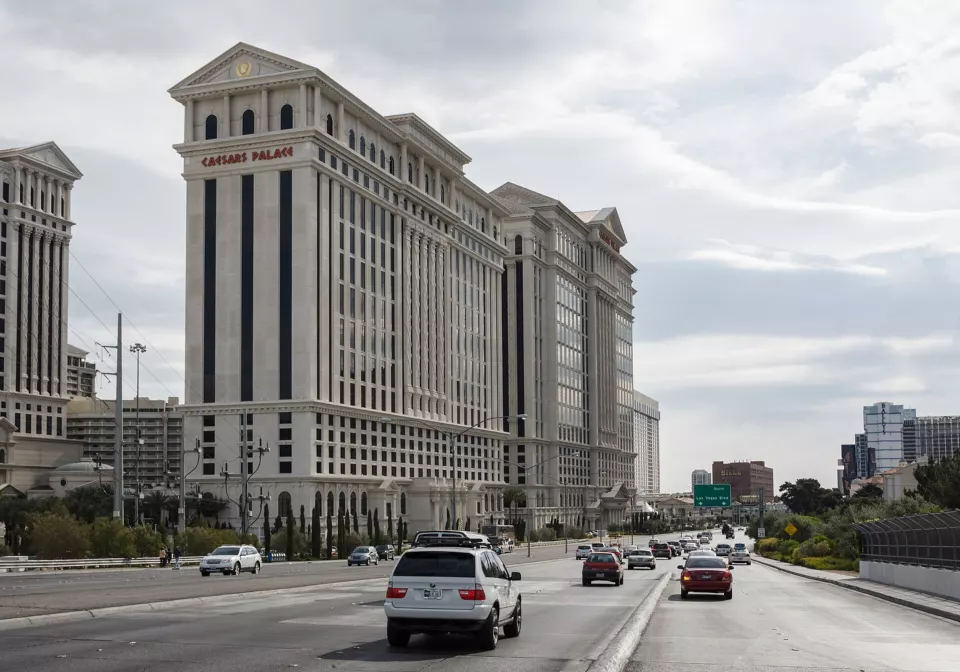
The official verdict was a split draw. Jerry Roth scored the fight 113-112 for Hearns, Tom Kaczmarek had it 113-112 for Leonard, and Shirley returned 112-112. That twelfth-round score proved decisive: had Shirley given Leonard the last round by 10-9, Hearns would have won a split decision. Wikipedia notes that most observers, the television commentators among them, thought Hearns had clearly won, and the ringside crowd booed loudly when the result was announced.
Leonard kept his WBC title. Both men accepted the outcome in public; Leonard said afterwards, as quoted on Wikipedia, "I think we both showed we're champions." Hearns, for his part, said he respected the decision and was proud of the draw, noting that the judges could have ruled against him altogether. The fight was named KO Magazine's Upset of the Year for 1989.
Leonard's Admission and an Unclosed Account
The two never fought a third time. Leonard went on to beat Roberto Duran on a wide unanimous decision in December 1989, and Hearns defended his WBO belt against Michael Olajide in April 1990 before winning the WBA light heavyweight title from Virgil Hill in 1991.
In the years that followed, Leonard conceded the point Hearns had been making since that night. The Fight City quotes him as saying, "Hearns should have gotten the decision. I admit that." For Hearns the admission was welcome but incomplete. Speaking to Boxing News, he said he was grateful Leonard had said it publicly but wanted the win on his record, adding: "The judges had the final say."
Sources
- Sugar Ray Leonard vs. Thomas Hearns II, Wikipedia, accessed 3 October 2026
- June 12, 1989: Hearns vs Leonard II, Robert Portis, The Fight City, 12 June 2026
- Hearns holds grudge for robbery in fight, Tom Eaton, Boxing News, 29 November 2025
- Thomas Hearns, Wikipedia, accessed 3 October 2026
- Sugar Ray Leonard, Wikipedia, accessed 3 October 2026


