
Corrales vs Castillo I in 2005 Saw Corrales Twice Down Before the Comeback in Round Ten
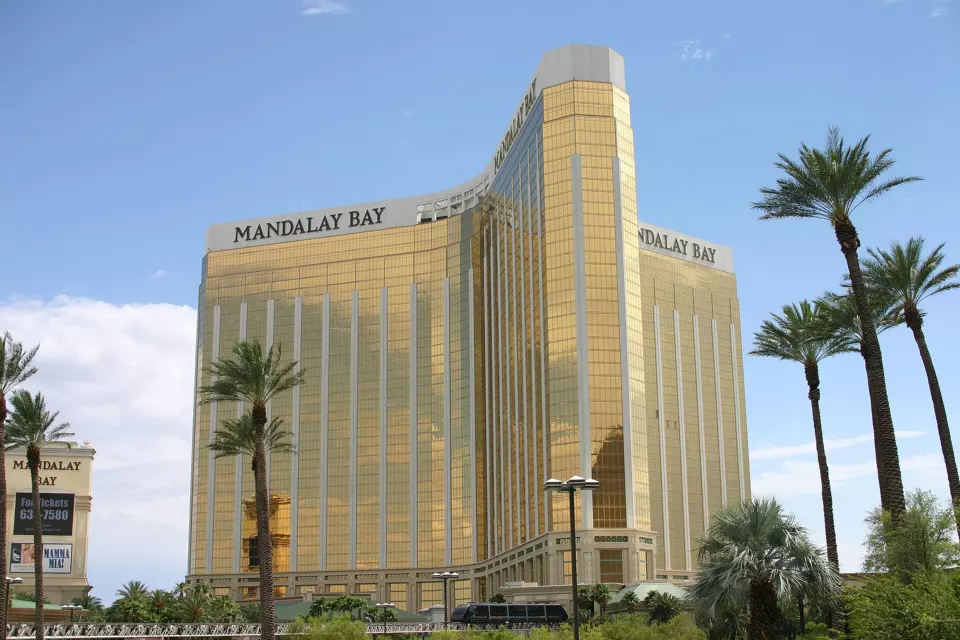
On 7 May 2005 at Mandalay Bay, Diego Corrales was knocked down twice and docked a point in round ten, then stopped José Luis Castillo at 2:06 of the same round to unify the lightweight titles.

On the night of 7 May 2005, inside the Mandalay Bay Events Center in Las Vegas, Diego Corrales was dropped twice in the opening minute of round ten, lost his mouthpiece both times, had a point taken away, and then stopped José Luis Castillo before the round was over. This is the story of that lightweight unification fight, built from the record.
Two Champions, One Style of Fighting
The bout was scheduled for twelve rounds and set to unify three lightweight belts. Castillo, a 31-year-old from Empalme in the Mexican state of Sonora, held the WBC title and the lineal recognition of The Ring magazine. He entered at 52-6-1 with 46 knockouts and was known as "El Temible", a fighter who did his best work at close range. Corrales, 27 and based in Sacramento, California, carried the WBO title into the ring with a record of 39-2 and 32 knockouts.
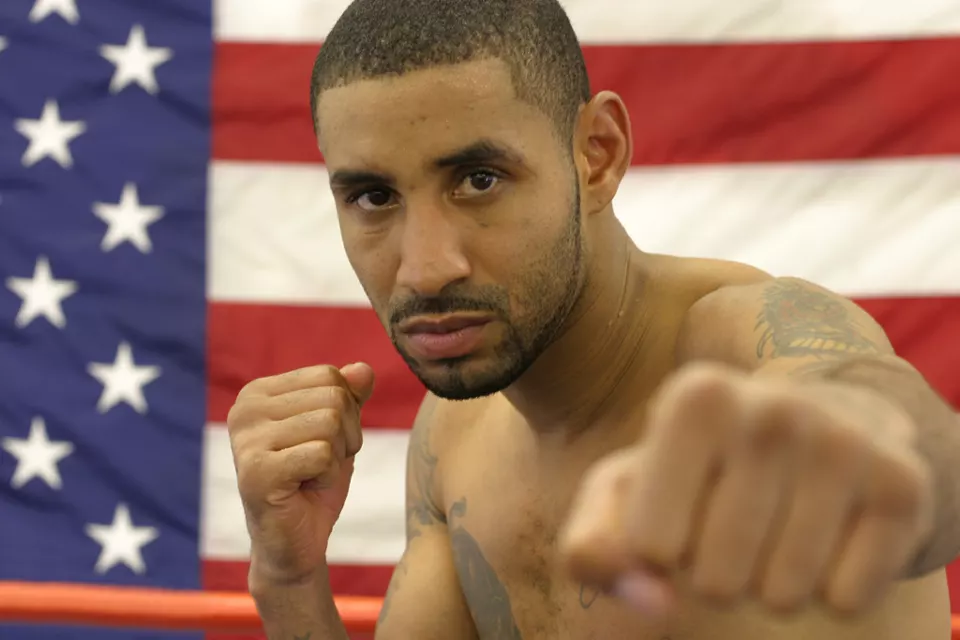
Corrales had already lived a turbulent career. He had won the IBF super featherweight title by stopping Robert Garcia in 1999, been knocked down five times and stopped by Floyd Mayweather Jr. in January 2001, and then served about 14 months in prison after pleading guilty to domestic battery. On his return he split two hard fights with Joel Casamayor before taking the WBO lightweight belt from Acelino Freitas in August 2004, which made him a two-division champion.
Corrales was the taller man. Contemporary reporting by The Sweet Science put him at six feet against Castillo's five-foot-eight, while the fight's Wikipedia entry lists them at five-ten-and-a-half and five-seven-and-a-half. Either way, the height should have favoured a fight at range. His trainer, Joe Goossen, chose the opposite course and told him to meet Castillo on the inside, according to a later Los Angeles Times column cited in the Wikipedia account.
Nine Rounds at Point-Blank Range
The Showtime broadcast showed the two men locked together almost from the first bell. Tim Graham, ringside for The Sweet Science, described three rounds of close trading before Corrales tried to keep some distance at the start of the fourth, a plan that never held for long.
Castillo's weapon was the uppercut, often followed by a hook, and he made a habit of opening up in the last seconds of each round. He was cut on the left eyelid in the fourth. Corrales developed swelling under his right eye in the fifth, and the bigger worry was his left, which was closing by the seventh. Castillo rattled him late in the sixth and again late in the seventh, even though Corrales had a strong round in between.
In the eighth, Corrales came out more aggressive and snapped Castillo's head back several times. Both men were hurt during that round, and Graham noted that the referee, Tony Weeks, paused the action so Corrales could have his mouthpiece put back in. Corrales shook Castillo early in the ninth, but Castillo, despite a warning for low blows, took the round on all three cards.
The officials did not agree on what they had seen. Entering the tenth, one judge had Castillo ahead 87-84, a second had Corrales ahead by the same score, and the third had Corrales in front 86-85. The Sweet Science's own card favoured Castillo by a point.
Round Ten: Down Twice
Inside the first 30 seconds of the tenth, Castillo landed on the chin and Corrales went down. The Sweet Science described the punch as a short left hook. On the canvas, Corrales spat out his mouthpiece and pushed it away, then got up at eight.
A few seconds later Castillo put him down again, this time on his back, with left hands to the head. Corrales took his mouthpiece out and rose at nine. Weeks deducted a point from him for excessive spitting out of the mouthpiece. Under the ten-point must system, that meant Corrales was heading for a 10-6 round if he could last until the bell. To most people at ringside, Castillo now had the fight.
The mouthpiece is where the argument starts. In his year-end column for ESPN, Dan Rafael called it the source of the controversy: each time the gumshield came out and Weeks had it replaced, Corrales gained recovery time. Others pointed to the penalty, which Corrales paid in full. Sources agree on what happened. They do not agree on how much it mattered.
After the fight, Corrales gave a plain account of the sequence to The Sweet Science: "It was a great left hook."
The Right Hand That Turned It
When the action resumed, Corrales, with one eye almost shut, landed what Castillo himself would later describe as "a perfect right hand." According to Graham's report, a left hook and straight right came first, then more rights and lefts to the head, with Castillo slumping against the ropes. Weeks jumped in and stopped it at 2:06 of the tenth round.
Weeks explained afterwards that Castillo had stopped defending himself and was out on his feet. Some in the crowd of 5,168 booed the stoppage. Castillo's promoter, Bob Arum, argued that Weeks should have let it go on and perhaps ruled a knockdown, since the ropes were holding his fighter up. Castillo accepted he had been hurt but insisted he still had a chance.
On Showtime, play-by-play man Steve Albert called the finish live, and his partner Al Bernstein said it ranked among the most extraordinary comebacks to win a round that had ever happened. Corrales kept his WBO belt and took the WBC title and The Ring championship from Castillo.
The Cost Behind the Celebration
Corrales's camp sounded more shaken than triumphant. Goossen told The Sweet Science that only a sadist would want to see the fight again, and promoter Gary Shaw said he personally never wanted a repeat. Both fighters went to hospital. Goossen later recalled that Castillo's body punches had done so much damage that Corrales's urine sample came back the colour of tomato juice.
The verdict on the fight came quickly. The Ring named it Fight of the Year for 2005 and picked the tenth as its Round of the Year. It also received the Harry Markson Award, and ESPN.com chose it as its fight of the year.
A Rematch, a Missed Weight and a Date That Repeated
The rematch took place on 8 October 2005, but the day before, Castillo weighed in a pound and a half over the 135-pound limit. The title could no longer change hands. Early in the fourth round, a left hook from Castillo put Corrales down. He struggled up as the count reached ten, and the fight was over.
A third fight was arranged and then fell apart when Castillo again came in over the limit. Corrales never won another professional bout. On 7 May 2007, two years to the day after his comeback against Castillo, he was killed in a motorcycle crash near Las Vegas. Ring Talk has looked back on that loss in an earlier archive piece. The night at Mandalay Bay is still the fight he is remembered for.
Sources
- Chico Da Man TKOs Castillo, Tim Graham, The Sweet Science, 8 May 2005
- Diego Corrales Stops Castillo In Fight of Year Candidate, The Sweet Science, 8 May 2005
- First Corrales-Castillo fight best of year, Dan Rafael, ESPN.com, 26 December 2005
- Unified WBO Lightweight Championship: 'Corrales-Castillo I' was a brawl of a lifetime, World Boxing Organization (wboboxing.com), 7 May 2020
- José Luis Castillo vs. Diego Corrales, Wikipedia, accessed October 2026
- Diego Corrales, Wikipedia, accessed October 2026


