
Diego Corrales Lived Life at Full Speed Through Sacramento, Prison and Castillo
Diego "Chico" Corrales rose from Sacramento's Oak Park to world titles at super featherweight and lightweight, through a loss to Floyd Mayweather Jr., a prison term and the 2005 classic with Jose Luis Castillo, before dying in a Las Vegas motorcycle crash in 2007.

Diego "Chico" Corrales grew up around gang violence in Sacramento, won the IBF super featherweight title at 22, lost his unbeaten record to Floyd Mayweather Jr., went to prison, and came back to win titles at lightweight. Two years to the day after the greatest night of his career, he died on a Las Vegas road at 29.
From Oak Park to the Police Athletic League Gym
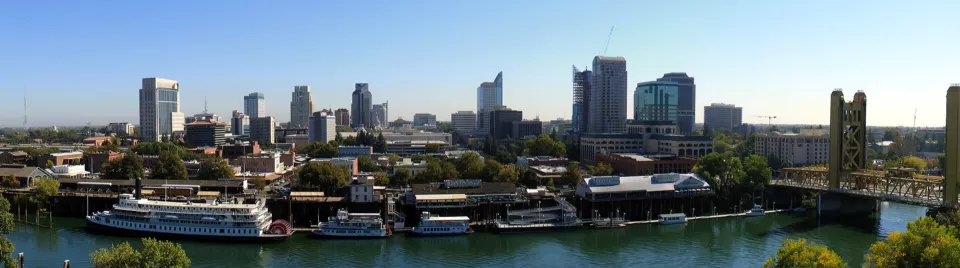
Corrales was born on August 25, 1977. Wikipedia gives his birthplace as Columbia, South Carolina, while Associated Press and WBC reports written after his death describe him as born in Sacramento, California. All sources agree that Sacramento was the city that made him. His father, Diego Corrales Sr., was Colombian and his mother Mexican, and the family settled in the Oak Park section of the city.
Oak Park in those years offered a teenager plenty of trouble. Corrales was running with street gangs by the age of 13, and he saw his best friend killed in a drive-by shooting. The counterweight was the Sacramento Police Athletic League boxing gym. He also completed a culinary arts degree, an unusual line on a fighter's résumé.
In the amateur ranks he went 105-12. At the 1994 United States Amateur Championships he reached the featherweight final and lost on points to Frankie Carmona. A year later he boxed at the Pan American Games and the World Amateur Championships, coming home without a medal from either.
An Unbeaten Climb to the IBF Title, 1996-1999
Corrales turned professional on March 19, 1996, stopping Everett Barry in the third round. He punched hard with both hands, and the knockouts piled up. On October 23, 1999, still unbeaten, he challenged Robert Garcia for the IBF super featherweight belt and won by seventh-round stoppage. He defended the title successfully more than once over the following year while his winning streak grew. The Associated Press later put the number of straight victories at 33.
January 2001: Five Knockdowns Against Mayweather
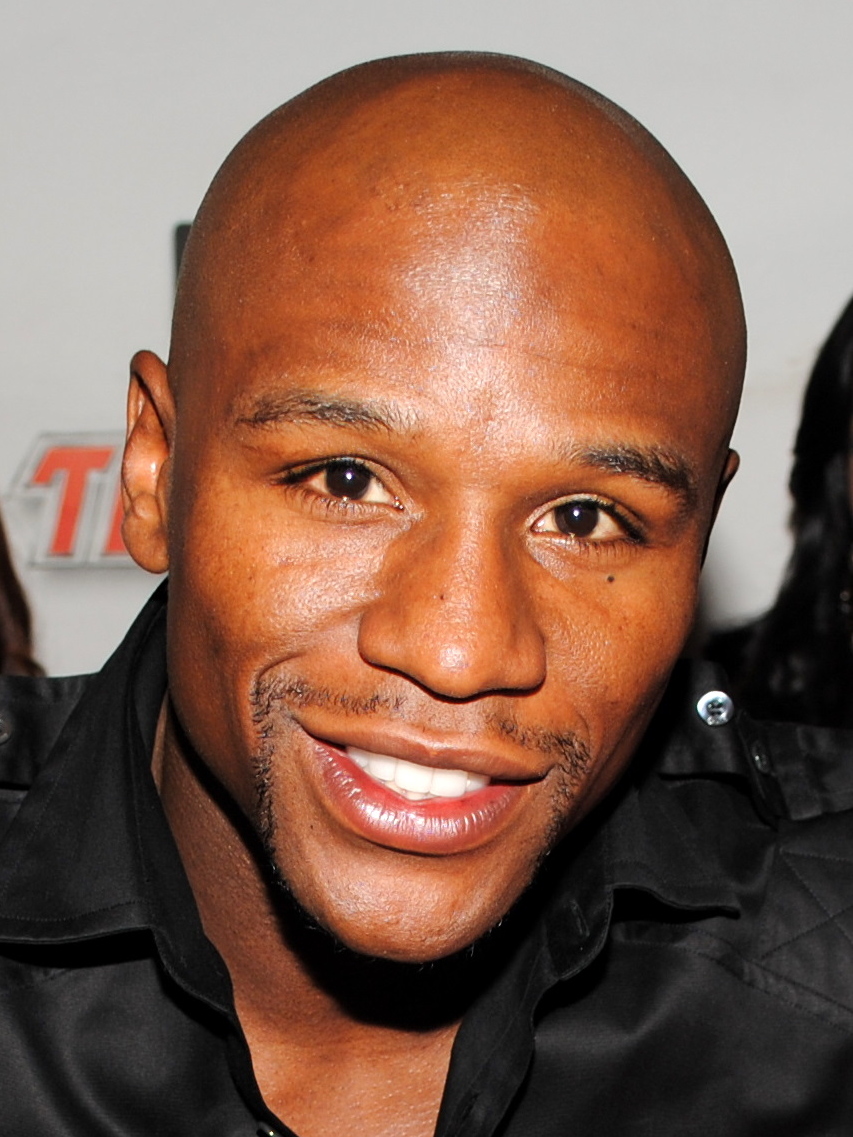
The fight that defined the first half of his career came on January 20, 2001, when he moved to meet Floyd Mayweather Jr. for the WBC super featherweight title. It was a matchup of two unbeaten young fighters, and it went entirely one way. Mayweather floored Corrales three times in the seventh round and twice more in the tenth. With their fighter still protesting, Corrales's corner stopped the contest. His record was no longer perfect, and the title he had held was gone.
A Prison Sentence and a Second Start
Outside the ring, his situation was worse. A few months after the Mayweather loss, Corrales was sentenced to two years in California state prison for beating his wife, Maria, while she was pregnant. Wikipedia reports that he accepted a plea bargain and served 14 months at the Deuel Vocational Institution in Tracy. ESPN's report on his death described the time served as about a year. Maria Corrales later divorced him.
He was released in 2002 and resumed his career. There was no easy road back. He returned as a man convicted of domestic violence, and that record followed him for the rest of his career.
Casamayor, Freitas and a Second Division
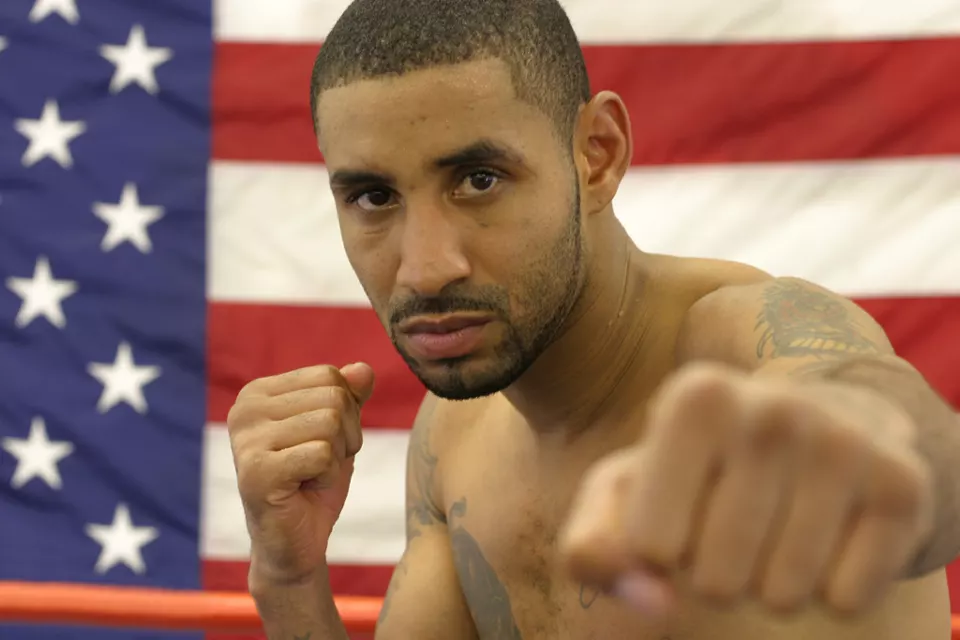
His first major test after prison was Joel Casamayor, the Cuban southpaw, on October 4, 2003. A deep cut inside Corrales's mouth ended the fight in Casamayor's favour in the sixth round. They met again on March 6, 2004, and this time Corrales won a split decision and the vacant WBO super featherweight title.
He then moved up to lightweight. On August 7, 2004, he faced Acelino Freitas, the unbeaten Brazilian who held the WBO lightweight title. Corrales knocked him down three times, and after the third knockdown in the tenth round Freitas quit. The win made Corrales a champion in two divisions.
Castillo: May 7, 2005, and the Rematch
On May 7, 2005, Corrales unified titles against José Luis Castillo of Mexico, the WBC and Ring lightweight champion. The two men traded at close range from the start, and the fight remains one of the most discussed in modern boxing. In the tenth round Castillo knocked Corrales down twice. Corrales rose both times, then landed a right hand that Castillo later described as a perfect punch, and the fight was stopped in the same round. The Ring and the Boxing Writers Association of America named it Fight of the Year.
The rematch on October 8, 2005, was not the same occasion. Castillo came in three and a half pounds over the lightweight limit, so no title was at stake for him. In the fourth round he dropped Corrales with a left hook, and Corrales was counted out. Plans for a third fight in 2006 fell apart when Castillo again could not make weight, weighing 139.5 pounds for a scheduled June date.
The Last Fights and the Crash on Fort Apache Road
The end of his career went quickly. On October 7, 2006, Corrales and Casamayor fought a third time. Corrales weighed in five pounds over the lightweight limit, and Casamayor, the only man still eligible for the WBC and Ring titles, won a split decision. On April 7, 2007, in Missouri, Corrales stepped up to welterweight against Joshua Clottey. He was down in the ninth and tenth rounds and lost a unanimous decision by scores of 97-90, 98-89 and 100-87. It was his third consecutive defeat, and his record stood at 40-5 with 33 knockouts.
A month later, on the evening of May 7, 2007, Corrales was riding a 2007 Suzuki GSX-R1000 north on Fort Apache Road in the southwest part of the Las Vegas Valley, near his home. The motorcycle struck the back of a car. He was thrown more than 100 feet into oncoming traffic and hit by another vehicle. He was wearing a helmet, and he was pronounced dead on arrival at hospital. ESPN reported that he had been travelling at roughly 100 mph. Police said on the night that no tests had yet been done. Wikipedia, citing later findings, gives his blood alcohol content as 0.25, roughly three times Nevada's legal limit. The crash came exactly two years after his first fight with Castillo.
His promoter, Gary Shaw, summed him up to the Associated Press that night: "He fought recklessly and he lived recklessly."
Hall of Fame Induction in 2024
Corrales was elected to the International Boxing Hall of Fame in the modern category as part of the class of 2024, and was honored at the induction weekend in Canastota, New York, in June of that year. He held world titles at super featherweight and lightweight, and the Castillo fight is still the first thing most fans mention. His record also includes the Mayweather loss and the prison sentence for assaulting his pregnant wife.
Sources
- Diego Corrales, Wikipedia, accessed October 2026
- Report on the death of Diego Corrales, ESPN (Dan Rafael), May 8, 2007
- Report on the death of Diego Corrales, Associated Press via Taipei Times, May 9, 2007
- Thirteen years ago Diego Corrales passed away, World Boxing Council, May 7, 2020


