
Carlos Zarate Built Two Knockout Streaks and Ruled the Bantamweights
Carlos Zarate rose from Tepito to the WBC bantamweight title with two runs of 20-plus straight knockouts, lost to Wilfredo Gomez and Lupe Pintor, and came back in the 1980s before a long personal recovery.

Carlos Zarate came out of Tepito, one of Mexico City's toughest barrios, and turned himself into one of the most destructive bantamweights the sport has seen. He strung together two separate runs of more than twenty straight knockouts, held the WBC title from 1976 to 1979, and later came back from five years of retirement before a long personal fall and a slow recovery.
A Golden Gloves Winner From Tepito
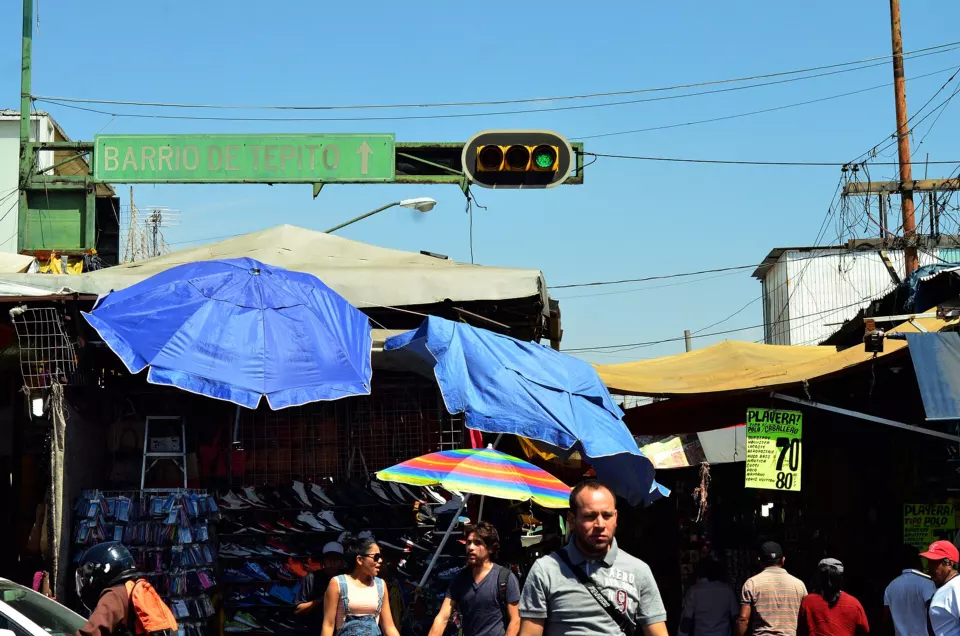
Jesús Carlos Zárate Serna was born on May 23, 1951, and grew up in Tepito, the crowded market district in the heart of Mexico City. Boxing gave him a nickname, "Cañas," and a way out. As an amateur he reportedly went 33-3 with 30 wins inside the distance, and in 1969 he took the Mexican Golden Gloves title, the Guantes de Oro.
He was unusually tall for the lighter divisions. Wikipedia lists him at about 5 feet 8 inches with a 67-inch reach, measurements that let him punch down at most of the men he faced. That frame, combined with a heavy right hand, made him a problem from the very start of his professional life.
Two Knockout Streaks in the Early 1970s
Zarate turned professional on February 2, 1970, in Cuernavaca, stopping Luis Castañeda in the third round. It was the first of 23 consecutive wins, every one of them by knockout. The run of stoppages ended, though without a loss, on January 30, 1974, when Victor Ramirez became the first man to hear the final bell against him, losing a 10-round decision in Mexico City.
Zarate answered by starting over. After the Ramirez fight he won his next 28 bouts by knockout. Wikipedia describes him as the only boxer to put together two streaks of 20 or more straight knockout wins, a distinction that has followed his name ever since.
Winning the WBC Title at the Forum
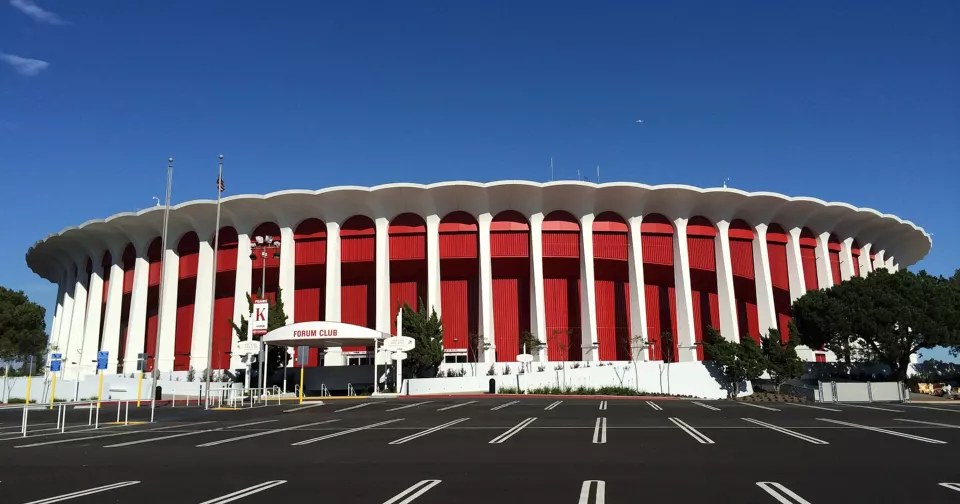
The world title shot came on May 8, 1976, at the Forum in Inglewood, on the edge of Los Angeles. The champion was a fellow Mexican, Rodolfo Martínez. Zarate stopped him, though the sources do not agree on when. The prose of Wikipedia's biography says the eighth round, while its own fight table and the biography published by the glove maker Cleto Reyes both give the ninth.
What followed was a busy reign. Zarate defended the WBC belt in Mexicali, Chihuahua, Culiacán and Mexico City, travelled to Madrid and San Juan and kept returning to Los Angeles. Among the men he stopped were Paul Ferreri in 12 rounds, Danilo Batista in six, Alberto Dávila in eight and Andres Hernández in 13. The Ring named him its Fighter of the Year for 1977.
The Battle of the Zs Against Alfonso Zamora
The fight Mexican fans most wanted arrived on April 23, 1977, again at the Forum. Alfonso Zamora held the WBA version of the bantamweight title and, like Zarate, was a fearsome puncher. The bout was scheduled as a non-title affair, but with both champions in the ring it was billed in Mexico as the battle of the Zetas.
It was also chaotic. According to Wikipedia, a spectator climbed into the ring during the action and had to be removed by referee Richard Steele and police officers. Cleto Reyes notes a separate controversy involving Zamora's father, who was also his manager. When boxing resumed, Zarate kept his distance, picked his shots and knocked Zamora out in the fourth round, a win that made him the dominant bantamweight in the world in the eyes of many observers.
Unbeaten Punchers Meet in San Juan
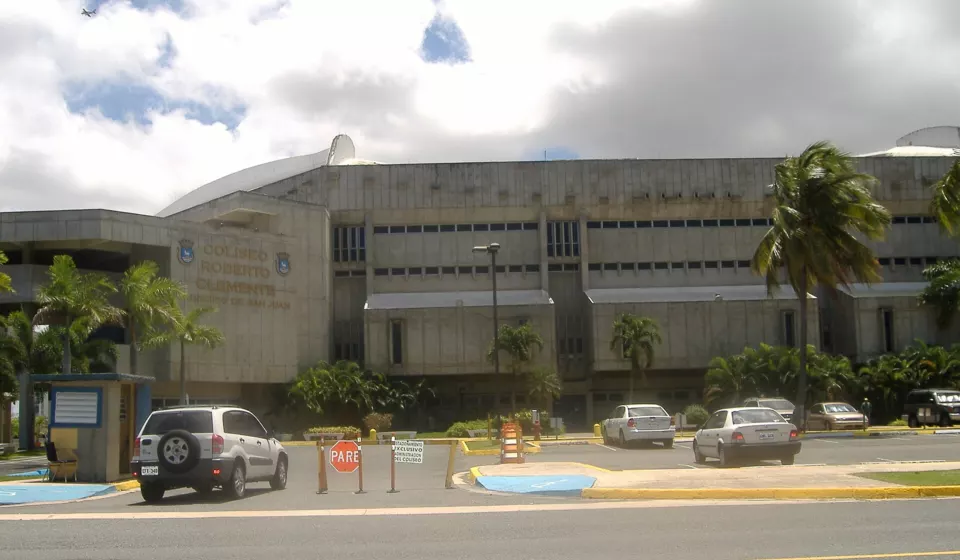
By the autumn of 1978 Zarate was looking for bigger fights, and the biggest available was a step up to 122 pounds against Puerto Rico's Wilfredo Gómez, the WBC super bantamweight champion. They met on October 28, 1978, at the Roberto Clemente Coliseum in San Juan. Neither man had lost. Wikipedia's account of the fight lists Gómez at 21-0-1 and Zarate at 52-0, while Boxing News noted that Zarate's record was given as anything from 50-0 to 54-0 depending on the source.
Zarate's preparation was poor. Wikipedia reports that he was ill with a cold or pneumonia that week and needed four attempts to make the weight, using a sauna and a heated car. He later said he had wanted to pull out and was threatened with legal action if he did. Boxing News, in a 2020 retrospective by Matt Christie, records the same complaint.
Gómez dominated. He dropped Zarate in the fourth round and finished the job in the fifth, with referee Harry Gibbs stopping the fight as Zarate's corner threw in the towel. The number of knockdowns is reported differently: Wikipedia's fight article counts two in the fourth and one in the fifth, its Zarate biography says he went down four times, and Boxing News mentions one in the fourth. Wikipedia also notes that Gómez landed a punch on Zarate while he was down. This site has covered that night in a separate article, so the focus here stays on what it meant for Zarate's career.
The Pintor Decision and a First Retirement
Zarate went back to bantamweight with his title intact. He stopped John Kodjo Mensah in three rounds in Los Angeles in March 1979, then faced another Mexican, Lupe Pintor, on June 3, 1979, at Caesars Palace in Las Vegas. For the first time in his career, a Zarate fight went the full 15 rounds. He dropped Pintor in the fourth, yet the decision went to the challenger.
The verdict caused an uproar and the sources still describe it differently. Wikipedia's articles on both fighters call it a split decision, while Cleto Reyes describes it as unanimous. All of them agree it was controversial. Zarate, disgusted with the result, announced his retirement soon afterward.
A Comeback at Super Bantamweight
He stayed away for about five years. When Zarate returned in 1986, Wikipedia says, the early results were modest before he found his rhythm and reeled off 11 more straight knockouts, including a fifth-round win in Mexico City over Richard Savage, then rated the leading contender at super bantamweight.
That earned him a shot at Jeff Fenech's WBC super bantamweight title on October 16, 1987, at the Hordern Pavilion in Sydney. The fight ended in the fourth round with a technical decision in Fenech's favour. Zarate tried once more on February 29, 1988, at the Forum, against Daniel Zaragoza for the vacant WBC title. Zaragoza stopped him in the tenth round, and Zarate never fought again.
His final record stands at 66 wins and 4 losses, with 63 of those wins by knockout.
Hall of Fame Honours and a Hard Road Back
The recognition came steadily. Zarate was inducted into the International Boxing Hall of Fame in 1994, a year before Gómez. In 1999 the Associated Press voted him the best bantamweight of the 20th century, jointly with Rubén Olivares. The Ring placed him at number 21 on its list of the 100 greatest punchers of all time. Wikipedia adds that he and Gómez, once bitter rivals, eventually became friends.
Away from the ring, the years after boxing were brutal. A November 2025 report by TV Azteca said Zarate lost a fortune once estimated at 18 million pesos through failed businesses, including a furniture company and a winery, and through drug addiction. The same report describes years of depression in which he lived in cheap hotels around La Merced and Tepito and at one point had no home at all.
With help from his family and the World Boxing Council, according to TV Azteca, he overcame the addiction. In his seventies he gives talks about resilience and mental health and trains young boxers at a sports centre in Mexico City, back in the city where his story began.
Sources
- Carlos Zárate (boxer), Wikipedia, accessed October 2026
- Wilfredo Gómez vs. Carlos Zárate, Wikipedia, accessed October 2026
- Wilfredo Gómez, Wikipedia, accessed October 2026
- Lupe Pintor, Wikipedia, accessed October 2026
- Carlos Zarate, Cleto Reyes, accessed October 2026
- On this day: Wilfredo Gomez defeats Carlos Zarate in fierce Puerto Rico vs Mexico firefight, Matt Christie, Boxing News, October 28, 2020
- Fue campeón de boxeo mexicano y terminó en bancarrota y depresión por adicción a las drogas, TV Azteca Deportes, November 22, 2025


