
Jeff Fenech the Marrickville Mauler Won Three World Titles in 20 Fights
Jeff Fenech had an Olympic win overturned in Los Angeles, then won world titles at three weights within 20 professional fights. His disputed 1991 draw with Azumah Nelson was rescored in his favour by the WBC 31 years later.

Jeff Fenech came out of Sydney's inner west with a relentless, crowding style and a grievance from the Los Angeles Olympics. Within twenty professional fights he had won world titles at bantamweight, super-bantamweight and featherweight, and he left the ring arguing that he had been denied a fourth. Thirty-one years after a disputed draw with Azumah Nelson, the WBC agreed with him.
From Rugby League to the Newtown Youth Club
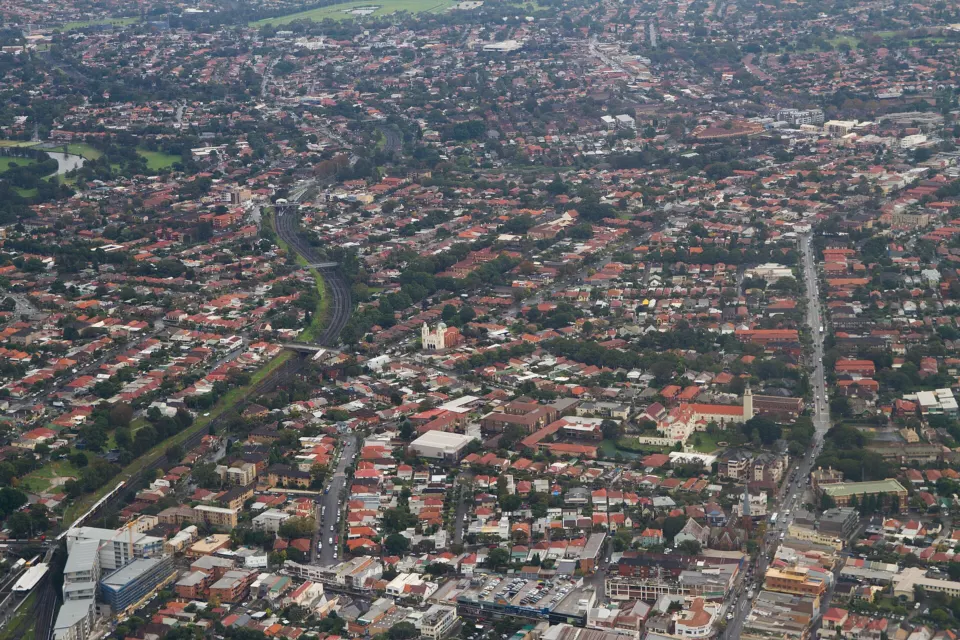
Fenech was born on 28 May 1964 into a family of Maltese heritage in Sydney. Wikipedia gives his birthplace as St Peters, while Boxing News describes him as Marrickville-born; either way, it was the neighbouring suburb of Marrickville that gave him his best-known nickname, the "Marrickville Mauler." He was also called "Brick Top."
As a boy he played rugby league, but according to the Sport Australia Hall of Fame he was too light to carry on into senior football. At 17 he walked into the Newtown Police Citizens Youth Club, which was run by Johnny Lewis. Lewis became his mentor and manager and stayed in his corner for most of his career. Boxing News puts Fenech's amateur career at 28 bouts. In 1983 he took flyweight bronze medals at the World Cup in Rome and at the Commonwealth Championships in Belfast, and in 1984 he won the Oceanian title in Taoyuan.
Los Angeles 1984: A Win Taken Away
Fenech captained Australia's boxing team at the 1984 Los Angeles Olympics. In the flyweight quarter-final he fought Redžep Redžepovski of Yugoslavia, and the judges gave Fenech the decision. The Sport Australia Hall of Fame says the vote was 3-2. The result did not last. After the Olympic boxing committee intervened and the scores were recounted, the jury reversed the verdict and gave the bout to Redžepovski. Sources tell this part slightly differently: the Hall of Fame entry calls his opponent Czech and describes a nine-person jury, but most accounts identify Redžepovski as Yugoslav.
The reversal cost Fenech at least a bronze medal, the reward for reaching the semi-finals. Redžepovski went on to the final and lost it to the American Steve McCrory. Fenech later told Boxing News he believed he was the first boxer in history to win on the judges' cards and then have the jury overturn it. Accounts link the decision directly to his move into the professional ranks later that year.
Three Titles in Twenty Fights
Fenech made his professional debut on 12 October 1984 in Sydney, knocking out Bobby Williams in the second round. Boxing News says around 300 people were in the crowd. He won his first eleven fights inside the distance, and his rise was fast even by the standards of the lighter divisions. In his seventh fight, on 26 April 1985 at the Hordern Pavilion, he stopped Japan's Satoshi Shingaki in the ninth round to take the IBF bantamweight title.
His defences followed in quick succession. In December 1985 he outpointed the previously unbeaten American Jerome Coffee over 15 rounds. In its review of his best wins, The Canberra Times describes Coffee as the only man who took Fenech the full fifteen. In July 1986 he stopped Steve McCrory, the man who had won the flyweight gold Fenech felt he had been denied in Los Angeles, in the 14th round.
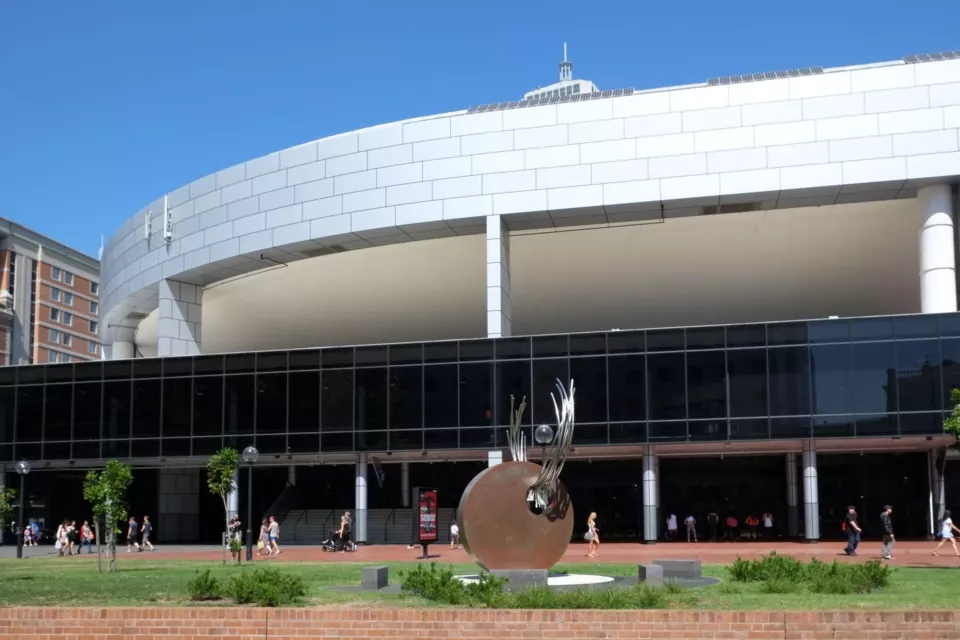
Next he moved up to super-bantamweight. On 8 June 1987 at the Sydney Entertainment Centre he faced Thailand's Samart Payakaroon for the WBC title. Payakaroon put him down early, but Fenech got up and knocked him out in the fourth round, the Thai's first professional defeat. Fenech then defended against Greg Richardson, stopping him in five, and against the Mexican veteran Carlos Zárate, whom he beat on a fourth-round technical decision.
In his 20th professional fight, on 7 March 1988, also at the Sydney Entertainment Centre, Fenech stopped Puerto Rico's Victor Callejas in the tenth round to win the vacant WBC featherweight title. The Canberra Times reports that Callejas was well behind on all three scorecards when it ended. That made three world titles in three weight classes in twenty fights. He went on to stop Tyrone Downes and Georgie Navarro in five rounds each, and in April 1989 in Melbourne he outpointed Mexico's Marcos Villasana over twelve. The Canberra Times counts that as his eleventh and last world title fight win. The Associated Press lists his featherweight reign as running into 1990.
The Mirage, 1991: The Draw
On 28 June 1991 Fenech challenged Ghana's Azumah Nelson for the WBC super-featherweight title at the Mirage in Las Vegas, on the undercard of Mike Tyson's rematch with Donovan "Razor" Ruddock. Fenech was unbeaten and pressed forward for twelve hard rounds. When the scores were read, the bout was a split draw and Nelson kept his belt.
The AP gives the judges' cards. Jerry Roth scored it 115-113 for Fenech, Miguel Donate had it 116-112 for Nelson, and Dave Moretti scored it even at 114-114. The AP reports that about 15,000 fans booed the decision, and many reporters at ringside felt Fenech had clearly won. "I've been robbed. The whole world knows I won," Fenech said that night, according to an AP report republished by the Taipei Times. Wikipedia notes that he also accused promoter Don King of fixing the result and complained about how referee Joe Cortez handled the fight.
Princes Park, 1992: The First Defeat
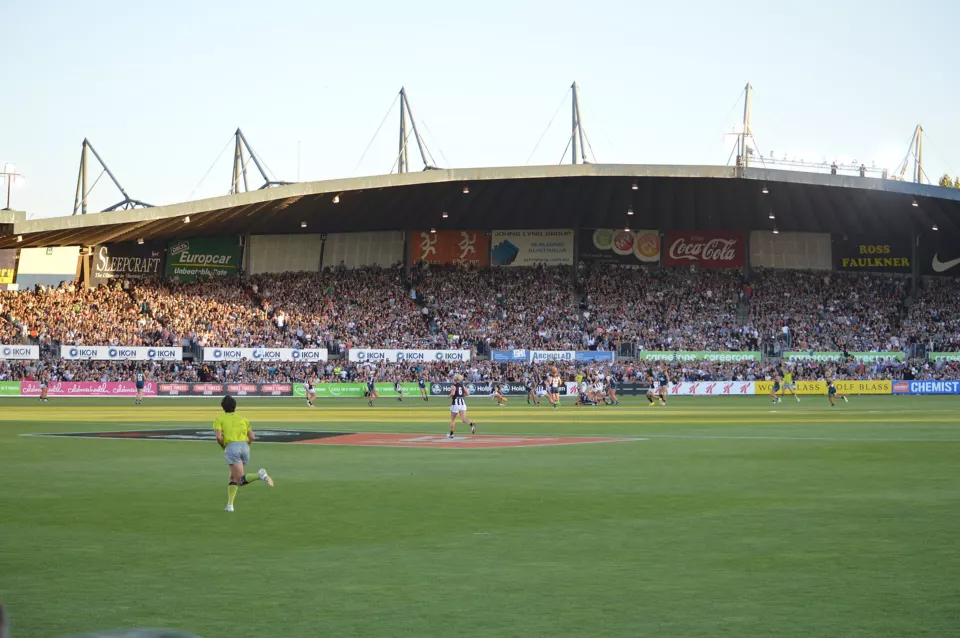
The rematch was held in Fenech's home country. On 1 March 1992 the two met again at Princes Park, the football ground in Melbourne. This time there was no argument about the result. Nelson stopped Fenech in the eighth round, at 2:20 according to Nelson's Wikipedia record. It was Fenech's first professional loss, and The Ring named it the upset of the year for 1992.
Fenech never won another world title. In 1993 Calvin Grove knocked him out in the seventh round. He returned in 1995 and stopped Tialano Tovar in New Jersey, then in May 1996 he challenged South Africa's Philip Holiday for the IBF lightweight title and was stopped in the second round.
A Trilogy Settled at 44
More than a decade later, Fenech and Nelson fought a third time. On 24 June 2008 at Melbourne's Hisense Arena, Fenech won a ten-round majority decision: two judges scored it for him and the third had it level. It was his last fight. Most sources give his final record as 29 wins, 3 losses and 1 draw, with 21 knockouts. The Sport Australia Hall of Fame lists 28 wins from 32 fights, which does not match the generally published figures.
Acapulco, 2022: A Fourth Title on Paper
In November 2022, at the WBC convention in Acapulco, the organisation revisited the 1991 Mirage bout. Council president Mauricio Sulaiman set up a special committee to rescore the fight, and the AP reports that all of the officials on it scored the bout for Fenech. The WBC board of governors then voted to award him the super-featherweight title retroactively, which made him a champion in four weight classes. "It would've meant more to me back when I really won the fight," Fenech told the AP.
Nelson rejected the ruling. Speaking to the Ghanaian Times, he called the reversal of decades-old results a dangerous precedent. He argued that if the decision stood, he had travelled to Melbourne in 1992 as the challenger rather than as the defending champion.
In the Corner and in the Halls of Fame
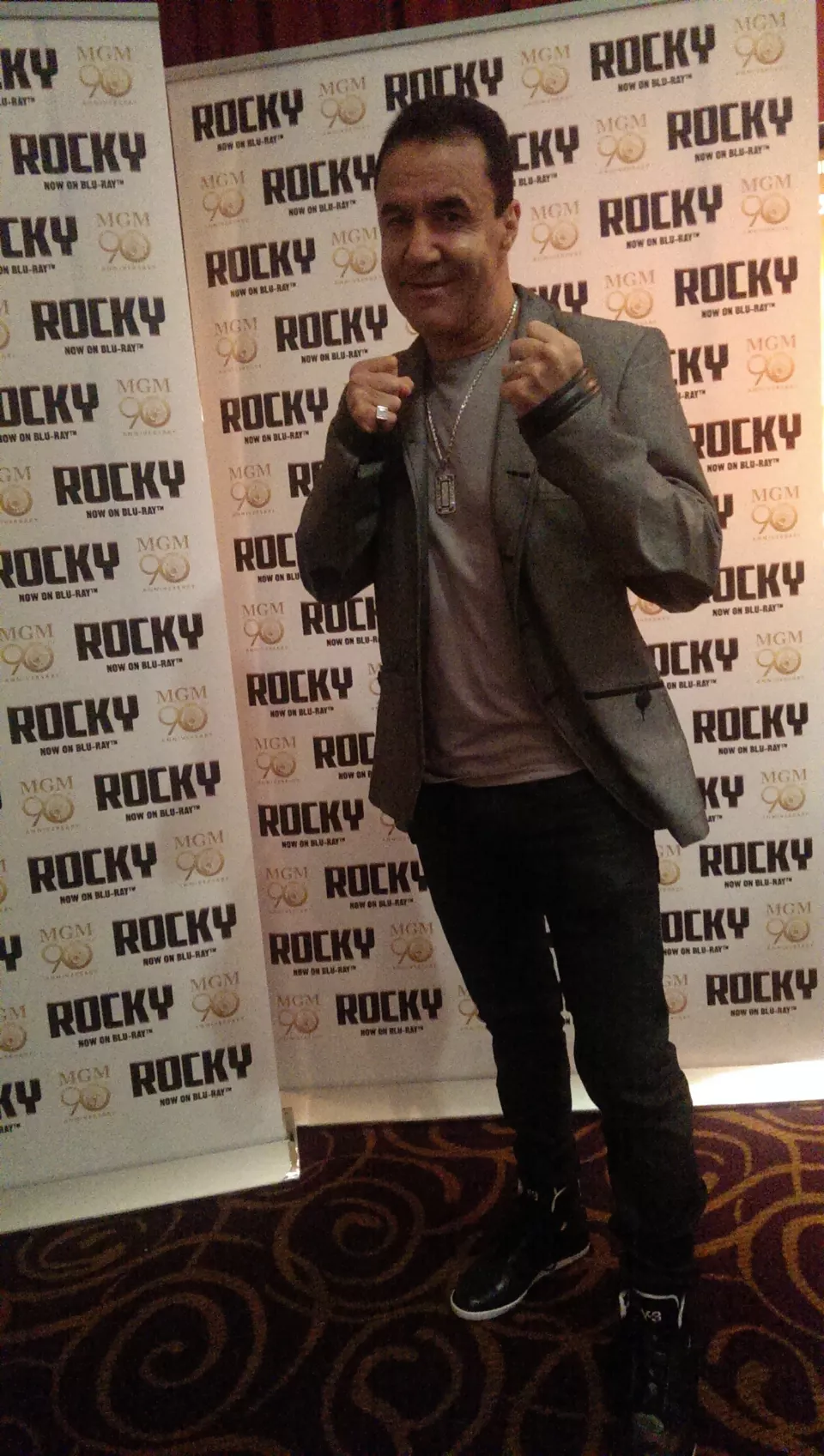
After he stopped fighting, Fenech became a trainer. Wikipedia lists Danny Green, Vic Darchinyan and Sakio Bika among the fighters he worked with. His best-known pupil was Mike Tyson. Fenech replaced Freddie Roach as Tyson's trainer before the June 2005 fight with Kevin McBride in Washington, which ended when Tyson retired on his stool after six rounds. Boxing News also connects Fenech with Tyson's 2003 fight against Clifford Etienne, so sources differ on exactly when the partnership began. According to Wikipedia, Fenech worked with Tyson again in 2020 to prepare him for his exhibition with Roy Jones Jr.
The Sport Australia Hall of Fame inducted Fenech in 1986, while he was still the IBF bantamweight champion. The International Boxing Hall of Fame in Canastota followed in 2002, and the Australian National Boxing Hall of Fame in 2003, which raised him to Legend status in 2013.
Sources
- Jeff Fenech, Wikipedia, accessed October 2026
- Azumah Nelson, Wikipedia, accessed October 2026
- Mike Tyson vs. Kevin McBride, Wikipedia, accessed October 2026
- Aussie legend Jeff Fenech fought as the people's champion, Boxing News
- Jeff Fenech's five best boxing wins, The Canberra Times, 2020
- Jeff Fenech, Sport Australia Hall of Fame member profile
- 30 years later, boxer Jeff Fenech gets 4th weight class belt, Associated Press via Yahoo News, 9 November 2022
- Jeff Fenech awarded belt 30 years later, Taipei Times (AP), 10 November 2022
- Boxing legend Azumah fumes over WBC's decision to award Fenech title, Ghanaian Times, 15 November 2022


