
Pryor vs Argüello I Went to the 14th Round at the Orange Bowl With the Black Bottle Nearby
On 12 November 1982 Aaron Pryor stopped Alexis Argüello in the 14th round in Miami, ending the Nicaraguan's bid for a fourth world title. A bottle his trainer Panama Lewis said he had mixed still clouds what The Ring called the Fight of the Decade.

On the night of 12 November 1982, in front of a crowd of roughly 23,000 at Miami's Orange Bowl, an unbeaten champion from Cincinnati and a three-division great from Managua fought fourteen rounds that The Ring later called the Fight of the Decade. Aaron Pryor won by stoppage, but a single sentence picked up by an HBO microphone in his corner has followed the result ever since.
A Champion Nobody Knew and a Legend Chasing History
Aaron Pryor came into the fight 31-0 with 29 knockouts, the WBA light welterweight champion since he took the belt from Antonio Cervantes in August 1980. For all of that, he was not a famous man. His amateur résumé was outstanding, yet the defining moment of it had been a defeat: a loss to Howard Davis Jr. at the 1976 Olympic trials that sent Davis to Montreal and left Pryor to build his name the slow way.
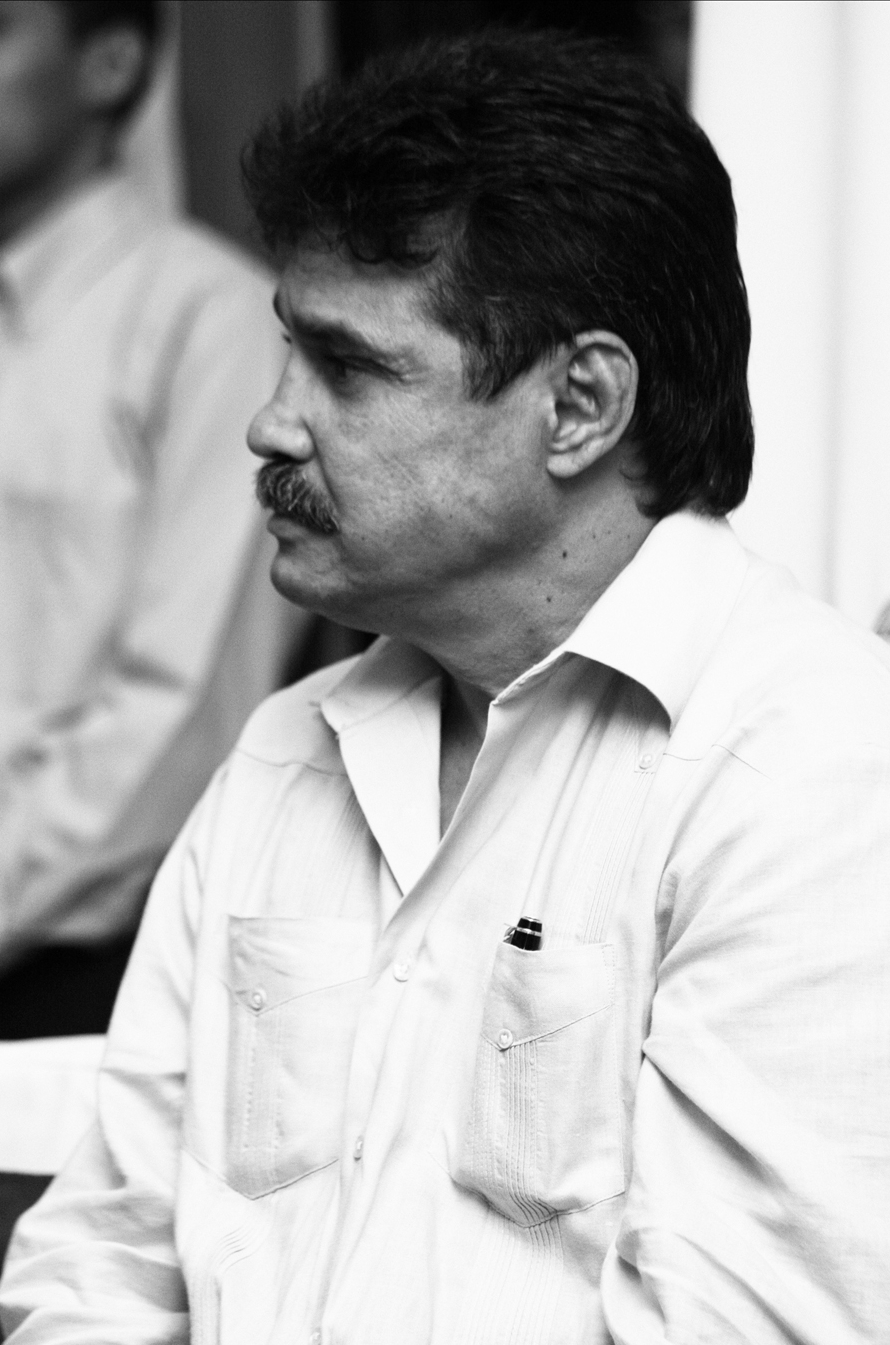
Alexis Argüello was the opposite case. The Nicaraguan had already won world titles at featherweight, junior lightweight and lightweight, and arrived at 76-4 with 62 knockouts. Moving up to 140 pounds, he was trying to become the first boxer to win world titles in four weight classes. The betting reflected his reputation, with Argüello installed as a 12-5 favourite. Promoter Bob Arum, whose Top Rank staged the show alongside Walter Alvarez, sold it as "The Battle of the Champions."
The money was enormous for the era: Wikipedia's account of the bout lists Pryor's purse at $1.6 million and Argüello's at $1.5 million. Pryor, 27, framed the stakes in blunter terms than his opponent ever needed to. "For me, it's either $4.95 an hour or world champion," he said before the fight, as quoted by The Fight City.
The Opening Assault at the Orange Bowl
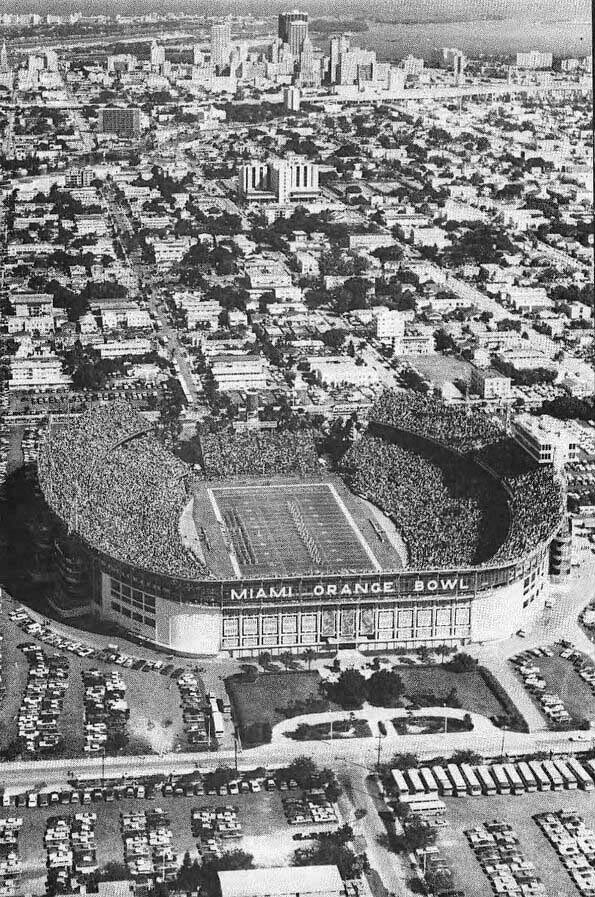
The fight was broadcast live on HBO, and it began at a pace that seemed impossible to keep. According to The Fight City, Pryor threw 130 punches in the first round and Argüello answered with 108. Pryor's style, all angles and hand speed, was built for that kind of tempo; former Associated Press boxing writer Ed Schuyler Jr. later described him as a fighter who could throw punches from all kinds of angles.
Argüello, trained for the fight by Eddie Futch, was the more measured technician, a long puncher who looked for openings rather than volume.
Rounds Eleven to Thirteen: Argüello's Last Surge
In the championship rounds the momentum swung toward the challenger. The Fight City's round-by-round account describes Argüello pushing Pryor backwards in the 11th and 12th with left hooks to the body and right hands to the head. In the 13th he produced what would prove to be his final big effort, and one right hand bent Pryor's knees.
How close the fight stood after 13 rounds depends on which source is consulted. Round By Round Boxing gives the cards as 127-124 and 127-124 for Pryor and 127-125 for Argüello, with referee Stanley Christodoulou of South Africa, who also scored the bout, among the officials favouring Pryor. An Associated Press report from 2009, by contrast, states that Argüello was ahead on two of the three scorecards going into the 14th.
"The One I Mixed": The Corner Between Rounds
It was in the minute before the 14th round that the episode which still defines the fight took place. HBO's microphones caught Pryor's trainer, Panama Lewis, asking cutman Artie Curley for a particular bottle, one he said he had mixed himself. The exact wording varies between published accounts, with versions beginning "Give me the other bottle," "Give me the bottle" and "Not that bottle," but every version ends with the same phrase: "the one I mixed."
The bottle at the centre of the story was described in later reporting as wrapped in black tape, and Wikipedia's account notes that Lewis had given the mixture to Pryor as early as the second round. What it contained has never been established. Pryor's camp said it held peppermint schnapps, with one account adding Perrier water, given because the champion was suffering from stomach problems. Lewis himself later said he had mixed peppermint liquor with water for that reason. Speculation in the years since has ranged widely, and an AP report noted suggestions that included chocolate as well as cocaine. Both Lewis and Pryor denied doing anything illegal.
Fourteen Rounds and a Fallen Challenger
Whatever was in the bottle, Pryor came out for the 14th looking fresh, and Argüello did not. The Fight City describes the challenger as visibly deflated and fatigued. Pryor trapped him along the ropes and unloaded a long sequence of power punches, reportedly around twenty without reply, while Argüello stayed on his feet without fighting back. Christodoulou stepped in at 1:06 of the round, and Argüello slumped to the canvas once the referee had stopped the fight.
HBO commentator Barry Tompkins, as recorded by Round By Round Boxing, called the moment: "Arguello in big trouble against the ropes!"
A Protest That Went Nowhere
The bottle footage drew national attention almost immediately. According to Wikipedia's account of the rematch, Argüello's manager lodged a protest alleging that Pryor had used an illegal substance, pointing to the HBO audio. Yet the result was never overturned. Wikipedia's account of the first fight records that Pryor was not drug tested after the bout, and that his team said nobody had asked for a sample. Lewis was never formally sanctioned over the incident, though his reputation suffered.
Pryor, for his part, rejected the idea that he needed help. Speaking years later to the Associated Press, he pointed out that he had already stopped around 30 opponents before facing Argüello, and said he did not think he had needed anything. The Fight City, revisiting the fight, made a similar argument: that Pryor's dominance in the 14th did not require a chemical explanation.
Panama Lewis and the Resto Scandal
The suspicion around Lewis hardened seven months later for reasons that had nothing to do with Pryor. On 16 June 1983, Lewis worked the corner of Luis Resto, who outpointed Billy Collins Jr. over ten rounds in New York. Afterwards it emerged that Resto's gloves had been stripped of much of their padding. Collins suffered permanent eye damage and never boxed again. The New York State Athletic Commission revoked Lewis's licence on 1 July 1983, and in 1986 Lewis and Resto were convicted on charges that included assault and conspiracy. Lewis was given a six-year sentence and was released in 1990. He maintained his innocence until his death in September 2020.
The Rematch in Las Vegas
Pryor and Argüello met again on 9 September 1983 at Caesars Palace, with the purses rising to $2.25 million for Pryor and $1.75 million for Argüello. Both corners had changed. With Lewis banned, Pryor brought in Emanuel Steward two weeks before the fight. Argüello had parted with Eddie Futch, whom he blamed for overtraining him for the first fight, and worked with Lupe Sanchez instead.
The second fight was far less competitive. Pryor put Argüello down in the first round and again in the fourth, and a third knockdown midway through the 10th ended it at 1:48, with Argüello staying seated rather than trying to rise. Referee Richard Steele counted him out. Both men announced their retirement afterwards, although neither stayed away for good.
What the Night Left Behind
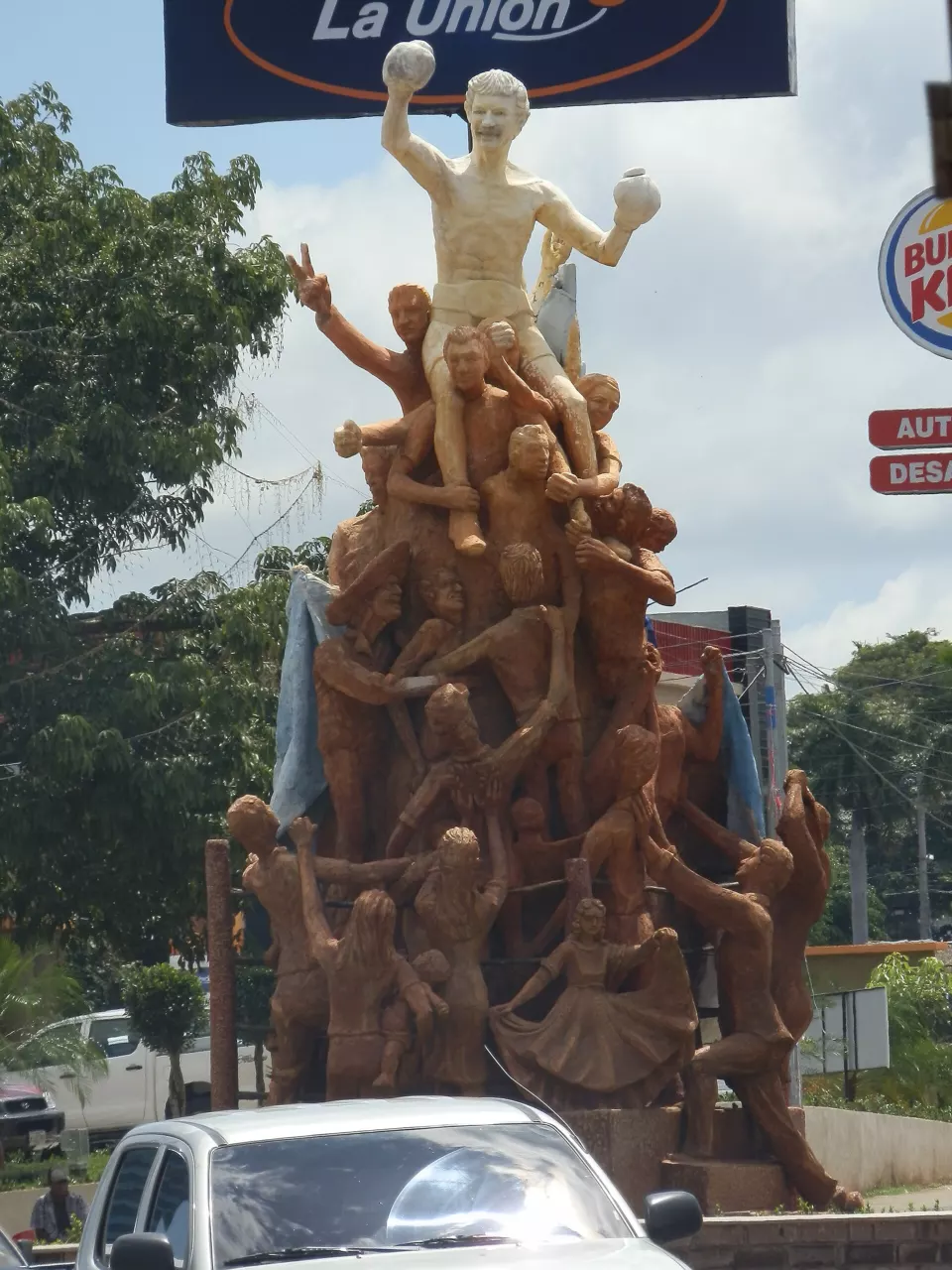
The first fight's reputation never faded. The Ring named it the Fight of the Decade, the Associated Press later called Pryor the greatest junior welterweight of the century, and he entered the International Boxing Hall of Fame in 1996. His later career was damaged by cocaine addiction, with only six fights in the seven years after the rematch, and he finished 39-1 with 35 knockouts. Pryor died in Cincinnati on 9 October 2016 at the age of 60, after a long battle with heart disease. Argüello, who went on to become mayor of Managua, had died in July 2009.
The verdict from the Orange Bowl stands in the record books as a 14th-round stoppage. What happened in the corner before that last round is still unresolved, and it remains part of how the fight is told.
Sources
- Aaron Pryor vs. Alexis Argüello, Wikipedia, accessed October 2026
- Aaron Pryor vs. Alexis Argüello II, Wikipedia, accessed October 2026
- Aaron Pryor, Wikipedia, accessed October 2026
- Panama Lewis, Wikipedia, accessed October 2026
- Nov. 12, 1982: Pryor vs Arguello I, Michael Carbert, The Fight City
- Flashback Friday: Aaron "The Hawk" Pryor vs. Alexis Arguello, Tony Calcara, Round By Round Boxing, 14 October 2016
- Boxing great Aaron Pryor, who battled Arguello, dies at 60, Associated Press via FOX Sports, October 2016
- Arguello death report, Dave Skretta, Associated Press via The Honolulu Advertiser, 1 July 2009


