
Aaron Pryor the Hawk of Cincinnati Went From Over-the-Rhine to Two Argüello Knockouts, Cocaine and the Pulpit
Aaron Pryor lost his Olympic place to Howard Davis, then lost only once as a professional and beat Alexis Argüello twice. After years of cocaine addiction he got sober, served his Cincinnati church and spoke against drugs until his death in 2016.

Aaron Pryor came out of Cincinnati's Over-the-Rhine, missed the 1976 Olympics on a disputed decision, and then ran through the junior welterweight division without a loss as a champion. He beat Alexis Argüello twice. Cocaine nearly took everything he had built, and he spent his last decades sober, working in his church and speaking against the drug. He died in his hometown in 2016, a few days short of his 61st birthday.
A Street Kid from Over-the-Rhine
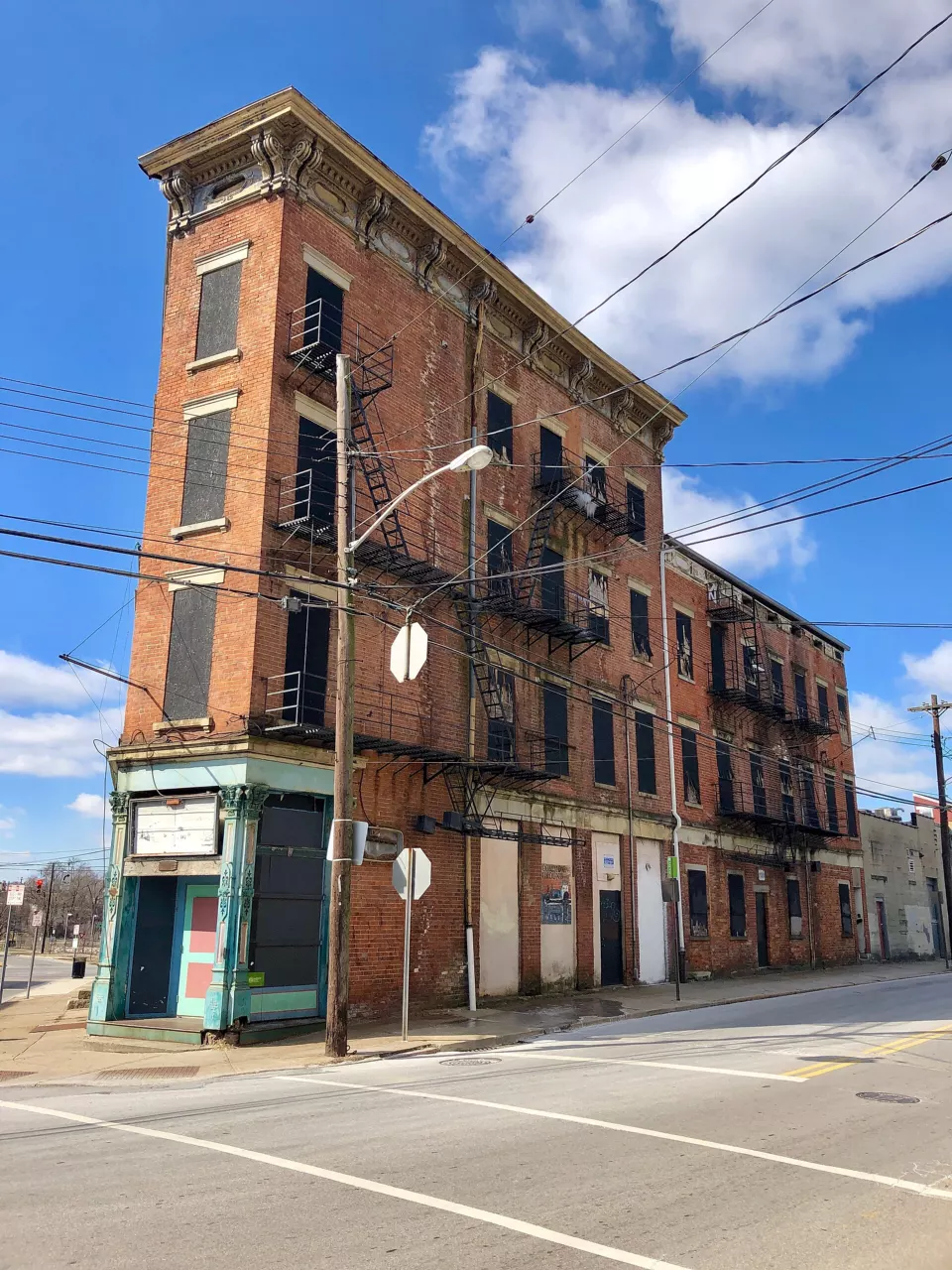
Pryor was born in Cincinnati on October 20, 1955, and grew up in Over-the-Rhine, the inner-city neighborhood just north of downtown. Local obituaries described him as a Cincinnati street kid who became a world champion. Rev. Michael Howard, a childhood friend who also boxed, put it this way to WVXU after his death: "Aaron came from a community that was challenged but he stepped up to the challenge and invested in himself and became somebody famous." Pryor's own hero was Muhammad Ali.
His amateur record, as Wikipedia lists it, was 204 wins and 16 losses. He won national AAU lightweight titles in 1973 and 1975. At the 1975 Pan American Games he took silver after losing the final to Canada's Chris Clarke. In the 1976 National Golden Gloves lightweight final he beat a young Thomas Hearns.
The 1976 Trials: Howard Davis Goes to Montreal
The Golden Gloves win should have put Pryor on course for the Montreal Olympics. At the U.S. trials, though, he lost to Howard Davis Jr., and Wikipedia calls that decision controversial. Davis took the lightweight place and went on to win Olympic gold. Pryor travelled to Montreal only as an alternate and came home without a medal.
Four Hundred Dollars and a Knockout Streak
Pryor turned professional on November 11, 1976, and stopped Larry Smith in two rounds for a purse Wikipedia puts at $400. WVXU's retrospective says his early fights paid a couple of hundred dollars apiece. Cincinnati businessman Buddy LaRosa managed him. Pryor fought eight times in 1977, and by mid-1980 he was 24-0. Part of that run was a streak of 26 consecutive knockouts, which Wikipedia lists among the longest in boxing history.
His style was simple. He came forward, threw punches in bunches and almost never took a backward step. Frankie Sims, an assistant trainer who worked with him, told WVXU: "He was fearless and he fought with a desire." Boxing News described him as a whirlwind and compared him with Henry Armstrong. That outlet also wrote that the biggest names of the era, Hearns, Sugar Ray Leonard and Roberto Durán, never shared a ring with him as professionals.
Getting Up Against Cervantes in Cincinnati
His first world title shot came at home on August 2, 1980. The opponent was Antonio Cervantes, the Colombian veteran who had held the WBA junior welterweight title twice. Boxing News records that Pryor was knocked down in the first round. He got up and stopped Cervantes in the fourth to win the WBA belt, earning $50,000, according to Wikipedia. Over the next three years he made eight defenses, as Boxing News counts them.
Argüello, the Orange Bowl and the Black Bottle
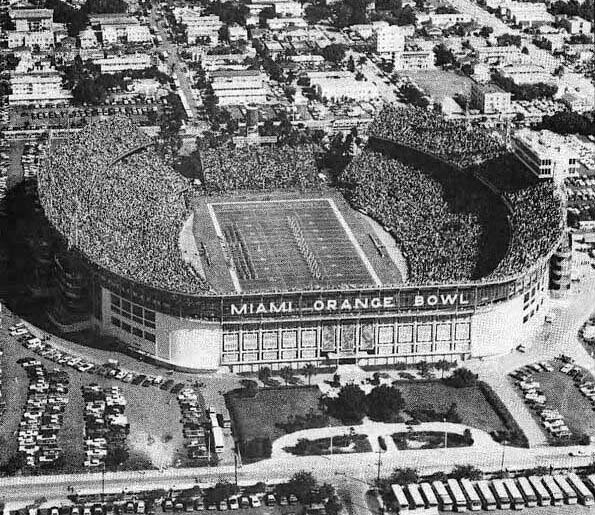
The fight that defined him took place on November 12, 1982, at the Orange Bowl in Miami. His opponent was Alexis Argüello, and 23,800 people watched. Pryor stopped him in the 14th round, and The Ring later named the bout its Fight of the Decade. Wikipedia lists the purses as $1.6 million for Pryor and $1.5 million for Argüello.
The win never fully belonged to him. Between rounds, someone in his corner called for a special black bottle and Pryor drank from it. The accounts disagree on who handled it. The Boston Globe names cornerman Artie Curley, while Boxing News says trainer Panama Lewis asked for a bottle he had mixed. Pryor's camp said it held peppermint schnapps. The Associated Press noted that Lewis was later banned from boxing. Ten months later, on September 9, 1983, at Caesars Palace in Las Vegas, Pryor knocked Argüello out in the 10th round of a rematch. That night he earned his largest purse, $2.25 million. The two men later became friends and stayed close until Argüello's death in 2009. ringtalk has covered both fights in more detail elsewhere.
Cocaine, the IBF Belt and an Empty Calendar
The Globe dates Pryor's heavy cocaine use to the period after the second Argüello fight. WVXU estimated that he earned about $5 million in his five years as champion. He then held the IBF version of the title. Sources differ on when that recognition began: Wikipedia ties it to his return in March 1984, while WCPO dates his IBF reign from 1983. He beat Nick Furlano over 15 rounds on June 22, 1984, and Gary Hinton on March 2, 1985, both on decisions. After that he stopped fighting, and in December 1985 the IBF stripped him for failing to defend.
Bobby Joe Young and the Half-Blind Comeback
After 29 months out of the ring he returned on August 8, 1987, in Fort Lauderdale against Bobby Joe Young. Wikipedia describes him as a shell of the fighter he had been. Young stopped him, giving Pryor the only defeat of his career. The Associated Press and Wikipedia put the stoppage in the seventh round, while a later Boxing News tribute says the ninth.
The decline was not only in the ring. In September 1989 police found a cocaine pipe in his car. In April 1990 he pleaded no contest to possessing drug paraphernalia and was ordered into two years of treatment. He kept fighting anyway. Before a 1990 bout he had a cataract removed and a detached retina repaired, and he was declared legally blind in his left eye. California, New York and Nevada refused him a licence. Wisconsin licensed him only after he signed a liability waiver. He won three more fights, the last on December 4, 1990, a seventh-round stoppage of Roger Choate. He finished with 39 wins, 35 by knockout, and one loss.
Sobriety, the Pulpit and the Gym
Wikipedia dates Pryor's sobriety to 1993 and says he stayed clean afterwards. Boxing News credits the support of his wife, Frankie, in his recovery. He was ordained as a deacon at New Friendship Baptist Church in Cincinnati, and some obituaries describe him as a minister there. He also helped train fighters. The Associated Press, WCPO and WVXU all noted that he spent years speaking to young people about the dangers of drugs, using his own life as the warning.
Recognition followed. He entered the International Boxing Hall of Fame in 1996. In 1999 the Associated Press voted him the best junior welterweight of the 20th century, and in 2002 The Ring ranked him 35th among the greatest fighters of the previous 80 years. WCPO adds that he entered the World Boxing Hall of Fame in 2001.
Death at Home in Cincinnati
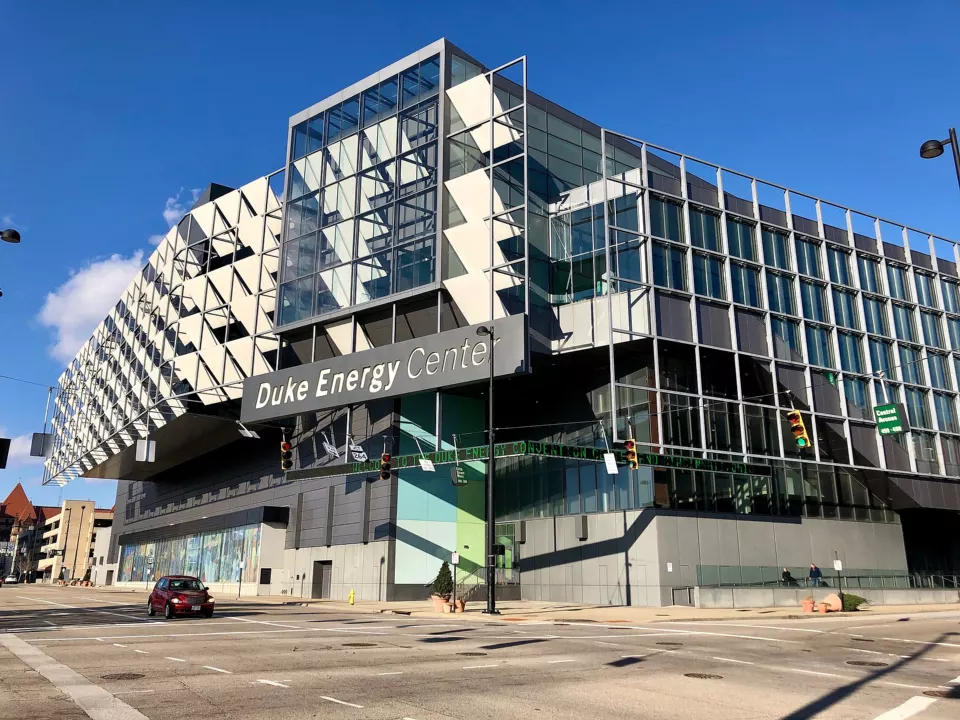
Pryor died at his home in Cincinnati on October 9, 2016, after a long illness with heart disease. He was 60. His wife's statement, carried by the Associated Press, said he died surrounded by his family. He was survived by Frankie, his sons Aaron Jr. and Antwan Harris, his daughter Elizabeth, and three grandsons. Sugar Ray Leonard, who never fought him, called him a long-time friend in a statement quoted by WCPO. A public memorial was held at the Duke Energy Convention Center in Cincinnati.
Sources
- Aaron Pryor, Wikipedia, accessed October 2026
- Former junior welterweight champ Aaron Pryor dies, Associated Press (via ABC7), October 9, 2016
- Aaron Pryor, boxer with frenetic approach, The Boston Globe, October 9, 2016
- Cincinnati boxing great Aaron "The Hawk" Pryor dies, WCPO, October 2016
- Cincinnati boxer Aaron Pryor remembered, WVXU, October 20, 2016
- Remembering "The Hawk" Aaron Pryor, Boxing News, October 2016


