
Alexis Argüello Won Three Divisions, Fought the Pryor Wars, Fled the Revolution and Became Mayor of Managua
From a poor Managua barrio to world titles at 126, 130 and 135 pounds, Alexis Argüello lost twice to Aaron Pryor, fought the Sandinistas, later joined them and died as mayor of Managua in 2009.

Alexis Argüello grew up poor in Managua and became a world champion at featherweight, super featherweight and lightweight. He never lost any of those titles in the ring. He fell twice to Aaron Pryor while trying for a fourth, lost his property during the Sandinista years and took up arms against the government. Late in life he joined that same party and was elected mayor of Managua, then died in office in 2009 at the age of 57.
A Shoemaker's Son From Barrio Monseñor Lezcano
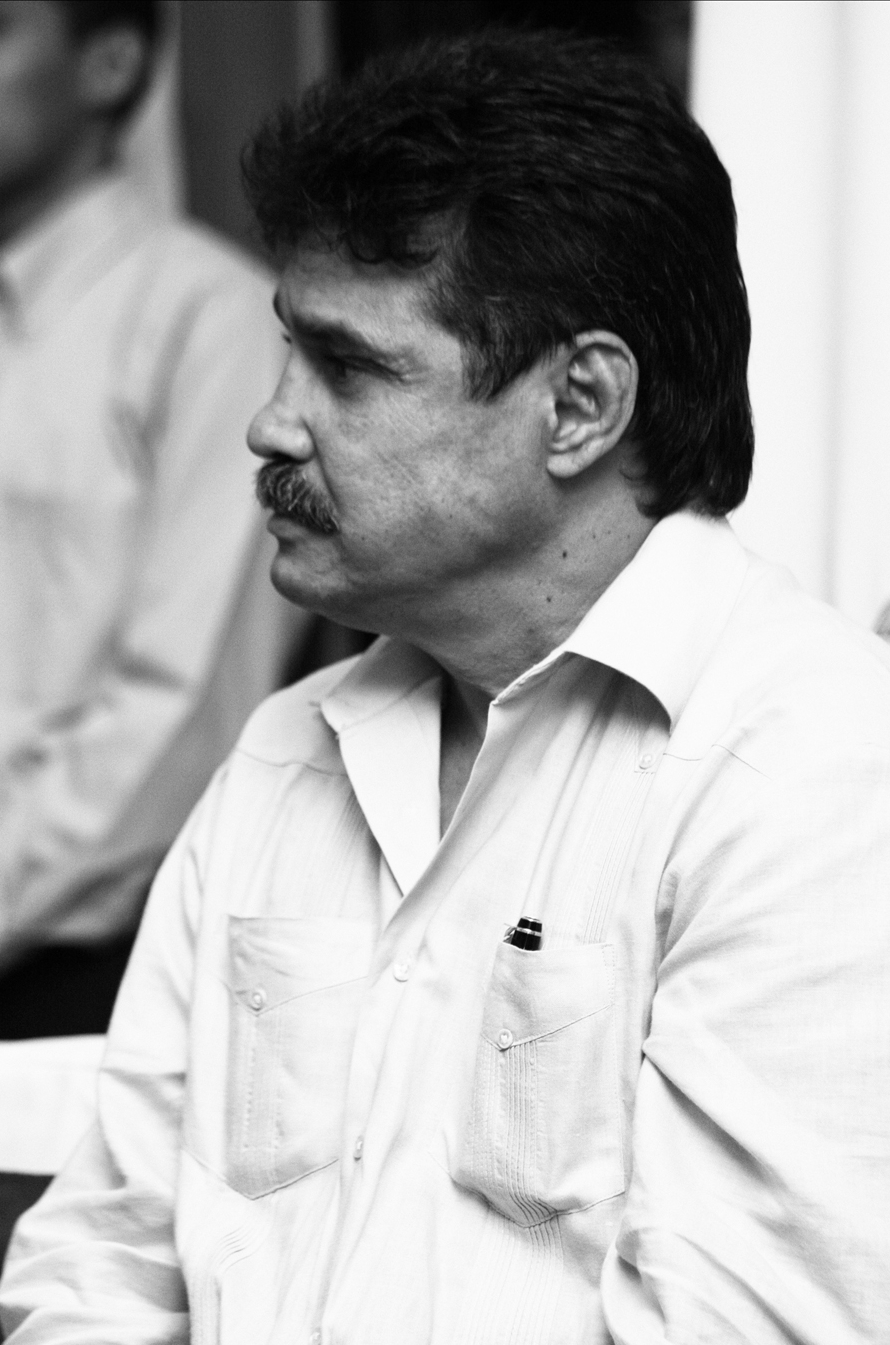
Argüello was born on April 19, 1952, in the Monseñor Lezcano neighborhood of Managua. His father, Guillermo Argüello Bonilla, mended shoes. His mother was Zoila Rosa Bohórquez, and he was one of five children. Wikipedia's account of his early years describes a hard household. His father tried to take his own life when Alexis was five, and the boy left home at nine to work on a dairy farm. He became interested in boxing after his sister Marina married a fighter. His amateur record is listed at 58 wins and two losses.
Wikipedia dates his professional debut to August 1, 1968, under trainer Miguel Angel Rivas. A World Boxing Association profile gives 1971 instead. His start was uneven. He won his first three bouts, then lost one inside four rounds and dropped a split decision. After that he won 29 of his next 30 fights over roughly five years. One of those wins came against former featherweight champion José Legrá.
Olivares, the Forum and the Featherweight Crown
His first world title shot came on February 16, 1974, in Panama City against WBA featherweight champion Ernesto Marcel. Argüello lost a unanimous decision over 15 rounds. Nine months later, on November 23, 1974, he faced Rubén Olivares at the Forum in Inglewood, California. Olivares had success with his left hook, but Argüello's own left put him down hard in the 13th round, and Argüello left with the WBA belt.
Nicknamed "El Flaco Explosivo," he defended the title away from home. He stopped Leonel Hernández in eight rounds in Caracas, Rigoberto Riasco in two in Granada, Nicaragua, and Royal Kobayashi in five in Tokyo. Wikipedia lists him as The Ring and lineal featherweight champion from May 1975 until June 1977, when he moved up in weight.
The Bloody Battle of Bayamón and a Run at 130 Pounds
On January 28, 1978, at Juan Ramón Loubriel Stadium in Bayamón, Puerto Rico, Argüello challenged WBC super featherweight champion Alfredo Escalera. The fight became known as the Bloody Battle of Bayamón and is often named among the most violent title fights on record. Escalera was badly hurt around the eye, mouth and nose early on. He kept fighting and began to recover before Argüello finished him in the 13th round. A rematch in Rimini, Italy, on February 4, 1979, also ended in a 13th-round stoppage.
His other title defenses at 130 pounds included Rafael Limón (stopped in 11 rounds at New York's Felt Forum, July 1979), Bobby Chacon (retired after seven at the Forum, November 1979), Ruben Castillo (stopped in 11 in Tucson, January 1980) and Cornelius Boza-Edwards (stopped in eight in Atlantic City, August 1980). He gave up the belt in late 1980. In 1999 an Associated Press panel of experts voted him the best junior lightweight of the 20th century and the sixth-best lightweight.
Wembley, Mancini and a Third Title
On June 20, 1981, at the Empire Pool in Wembley, London, Argüello won a unanimous 15-round decision over WBC lightweight champion Jim Watt. That made him a champion in a third weight class. Only five boxers had done it before him, and Wilfred Benítez was the only Latin American among them. In October 1981 he stopped the young Ray Mancini in the 14th round in Atlantic City. He then embraced Mancini in the ring, and the gesture won him many American admirers. In May 1982 in Las Vegas, Andy Ganigan put him down in the second round, but Argüello recovered and knocked Ganigan out in the fifth.
The Orange Bowl, 1982: Pryor and the Second Bottle
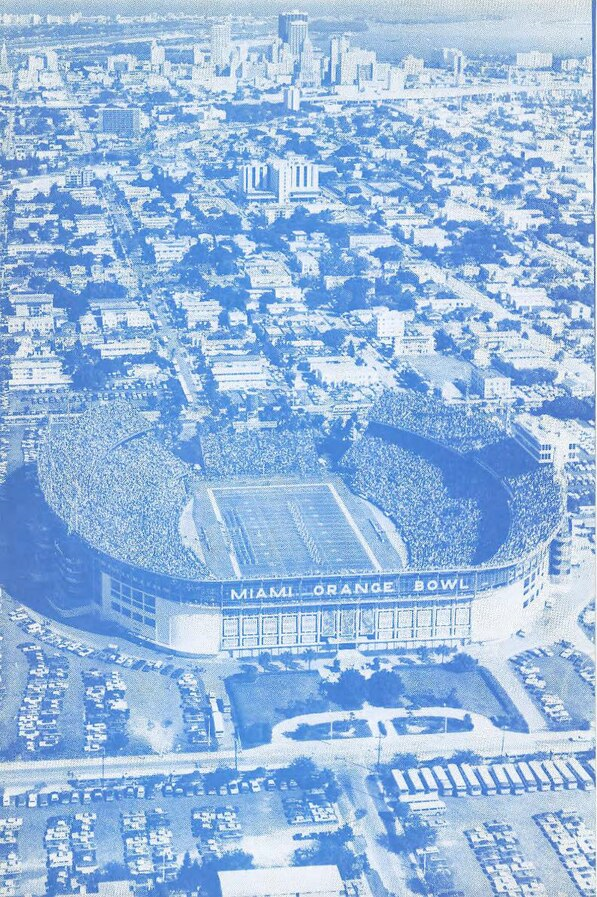
Argüello then went after a fourth division. On November 12, 1982, he challenged unbeaten WBA light welterweight champion Aaron Pryor at the Miami Orange Bowl, in a fight promoted as "The Battle of the Champions." According to Wikipedia, Pryor came in at 31-0 with 29 knockouts and Argüello at 76-4. The AP reported a crowd of more than 23,000. Pryor kept pressing forward with combinations while Argüello countered with straight, heavy shots, and the middle rounds were close and hard-fought.
Between the 13th and 14th rounds, cameras picked up Pryor's trainer, Panama Lewis, asking for a different water bottle that he said he had mixed himself. In the 14th, Pryor trapped Argüello on the ropes and landed a long run of unanswered punches. Referee Stanley Christodoulou stopped the fight, and Argüello collapsed. Nobody tested what was in the bottle, and the Florida commission did not order post-fight urine tests. Explanations range from peppermint schnapps for an upset stomach to illegal stimulants. A 2009 documentary later showed Lewis had put crushed antihistamine pills into fighters' water. Pryor denied any wrongdoing. The Ring named the fight its Fight of the Year and later its Fight of the Decade.
Caesars Palace, 1983: "I Will Stay Here"
The rematch took place on September 9, 1983, at Caesars Palace in Las Vegas. Pryor dropped Argüello in the first round and again in the fourth. Argüello rallied with body punches in the middle rounds but lost a point for low blows. In the 10th, Pryor put him down a third time and Argüello stayed on the canvas. Afterward he told reporters he had chosen not to risk his life by getting up, according to a retrospective by The Fight City. He also announced his retirement that night.
It did not last. Money troubles brought him back to the ring several times. His best comeback win was a fourth-round stoppage of former junior welterweight champion Billy Costello in Reno in February 1986. He retired for good in 1995. His final record differs depending on the source: Wikipedia gives 77-8 with 62 knockouts, the AP's 2009 obituary 82-8 with 65, and the WBA's profile 88-8 with 70. He was inducted into the International Boxing Hall of Fame in 1992. Bob Arum, who promoted his biggest fights, said after his death, as quoted by the AP: "Not only was he one of the greatest fighters I've ever seen, he was the most intelligent fighter."
Revolution, Confiscation and Taking Up Arms
Argüello's peak years overlapped with Nicaragua's revolution. His brother Eduardo José died fighting for the Sandinista National Liberation Front (FSLN) and is remembered as a national hero, with a street named after him. After the Sandinistas took power, the new government seized Argüello's property and bank account, according to the AP. He turned against them, and through the 1980s he backed and fought with the Contra rebels against the government his brother had died to put in power.
From Opponent to Mayor of Managua
Years later Argüello switched sides. He joined the FSLN, was elected vice mayor of Managua in 2004 and ran for mayor in 2008 as the Sandinista candidate. On November 9, 2008, he was declared the winner over the Constitutionalist Liberal Party's Eduardo Montealegre with about 51 percent of the vote. Opponents accused the government of fraud, and the AP noted that the legitimacy of the result was disputed. Earlier that year he had carried Nicaragua's flag at the opening ceremony of the Beijing Olympics.
Death in Office, July 2009
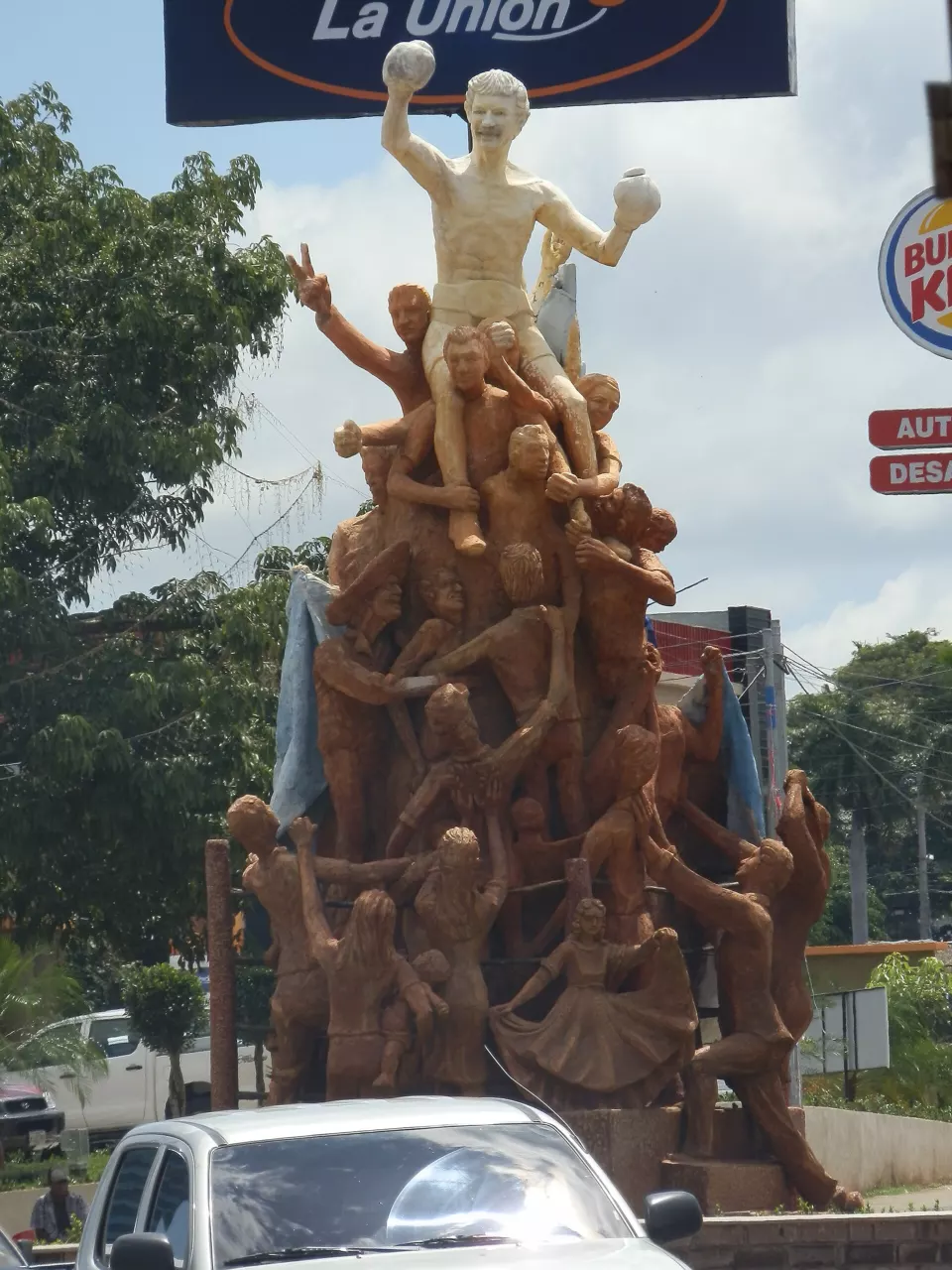
On July 1, 2009, Argüello was found dead at his home in Managua with a gunshot wound to the chest. He was 57. Presidential spokeswoman Rosario Murillo announced the death, and President Daniel Ortega called off a planned trip to Panama. The authorities ruled it a suicide and pointed to gunpowder residue on his hands. Sources differ on the details. AP-based reports describe a single shot to the chest, while Wikipedia's article mentions two bullets through the heart. Some of his children rejected the official finding and said he had been killed because he had grown unhappy with the Ortega government. His widow, Karla Rizo, later said on Nicaraguan television that she had seen him decide to end his life, according to an AP report carried by Fox Sports. Argüello had spoken publicly about depression and substance abuse before his death.
Sources
- Alexis Argüello, Wikipedia (accessed October 2026)
- Aaron Pryor vs. Alexis Argüello, Wikipedia (accessed October 2026)
- Managua Mayor Alexis Arguello, Boxing Legend, Dies, Associated Press via The Herald (Everett), July 1, 2009
- Alexis Arguello, boxing legend and Managua mayor, found dead, Associated Press via Honolulu Advertiser, July 1, 2009
- Nicaragua boxer's widow says death was suicide, Associated Press via Fox Sports
- Sept. 9, 1983: Pryor vs Arguello II, The Fight City
- Alexis Arguello: The "Flaco Explosivo", World Boxing Association


