
Olivares vs Castillo from 1970 to 1971 Was the Bantamweight Trilogy That Filled the Forum
Rubén Olivares and Chucho Castillo fought three times for the bantamweight title at the Inglewood Forum: a points win for Olivares, a cut stoppage for Castillo, and a third fight in which Olivares took the belts back.

Between April 1970 and April 1971, Rubén Olivares and Jesús "Chucho" Castillo met three times for the bantamweight championship, every time at the Forum in Inglewood, California. Olivares won the first on points, Castillo took the second when a cut ended it in the 14th round, and Olivares won the belts back in the third. The series drew record crowds to a building where Castillo's supporters had rioted two years before it began.
A Building Still Marked by the 1968 Riot
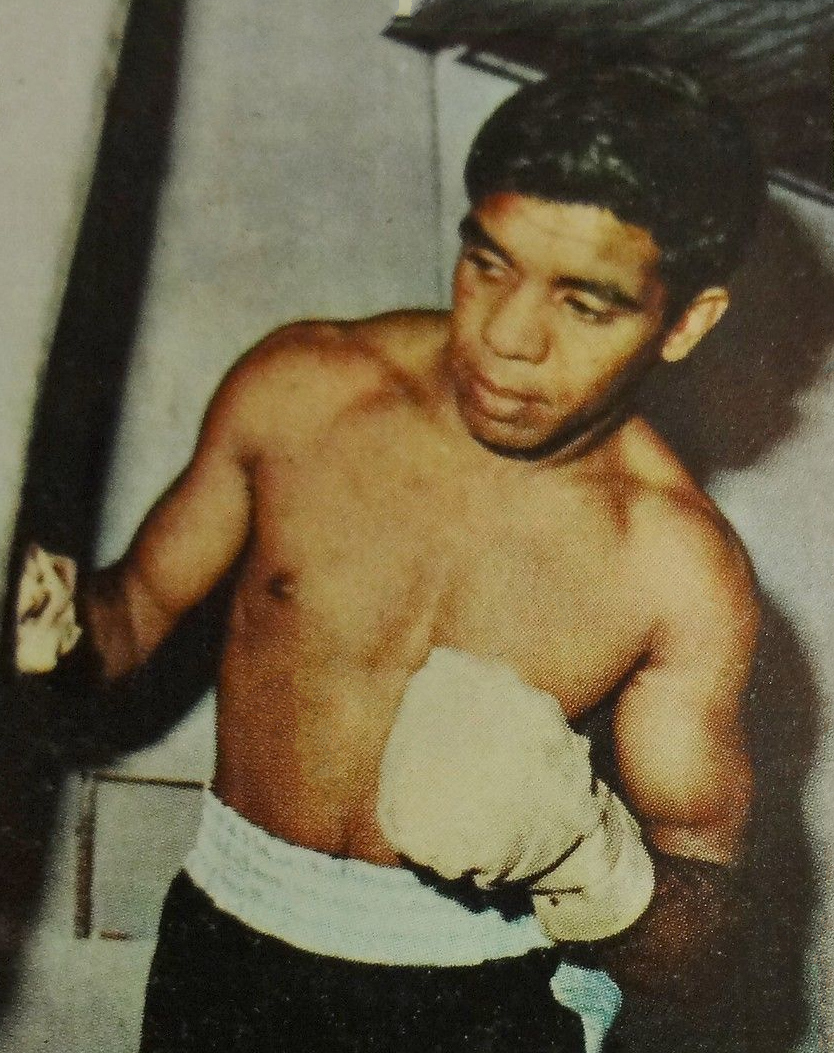
The trilogy was staged in a building with a bad memory. On December 6, 1968, Castillo challenged Australia's Lionel Rose for the bantamweight title at the Forum and lost a 15-round decision. Most of the crowd was behind Castillo, and many of them were furious with the verdict. Wikipedia's account of Rose's career says a riot broke out in which 14 spectators and the referee, Dick Young, were injured badly enough to be hospitalised.
Boxing went back to the Forum all the same. On August 22, 1969, Olivares took Rose's titles there with a fifth-round knockout. Wikipedia, citing the book The Ring: Boxing in the 20th Century, says the Forum's director was worried enough about a repeat of 1968 that he went to Olivares's dressing room before that fight to raise it. Olivares was now the champion, Castillo was the Mexican contender who felt he had already been robbed once, and the two men did not like each other.
Castillo was the older man. He was born on June 17, 1944, near León in the state of Guanajuato, and he turned professional in 1962 with a loss. Olivares, born in Guerrero in January 1947, came to the series unbeaten and was known for a long run of early knockouts.
April 18, 1970: A Record Gate and a Third-Round Knockdown
The first fight was a commercial event on a scale the Forum had not seen for boxing. A 2020 retrospective by Teodoro Medina Reynoso on PhilBoxing puts the paid attendance at 18,762 and the live gate at $281,840, with the total rising to $458,240 once closed-circuit receipts were added. The same account says Olivares went off a 13-5 favourite, earned $100,000 to Castillo's $30,000, and that both men weighed 117 pounds.
Castillo came close to winning it. In the third round he dropped the champion with a right hand thrown on the counter, and The Fight Site's 2019 profile of Olivares adds that Castillo hurt him again in the 14th without being able to finish the job. Olivares took the decision over 15 rounds. PhilBoxing gives the cards as 9-4-1 from referee George Latka, 7-6-2 from judge Rudy Jordan and 10-5 from judge Dick Young, the referee from the 1968 riot, here working as a judge. The decision kept the title with Olivares, but the fight went the full distance, and that ended his long streak of knockouts.
The Fight Site quotes Sports Illustrated's report on Olivares's opinion of his opponent: "I don't like Chucho, but he's not a bad little boxer."
October 16, 1970: A Clash of Heads in the First Round
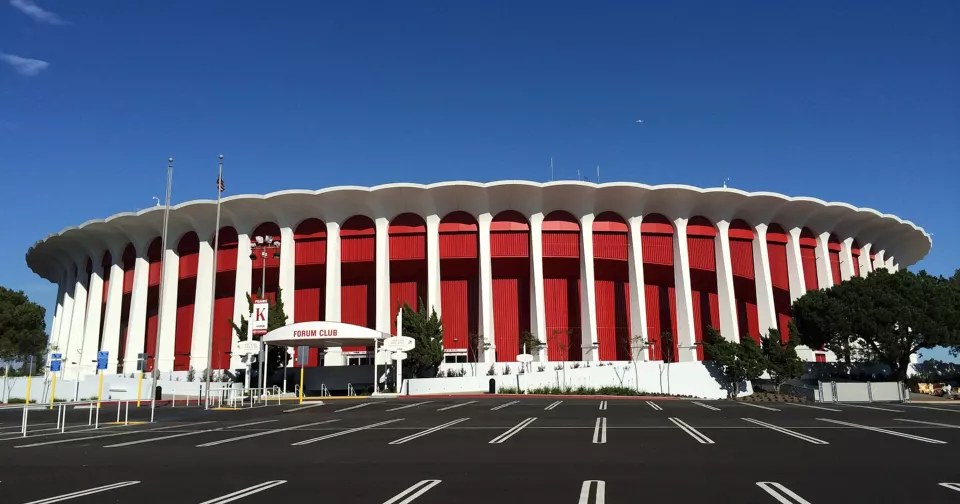
Six months later they met again at the Forum, both at 118 pounds according to PhilBoxing. Writing for The Fight City in 2025, Rafael García reports that Castillo prepared unusually for the rematch: he saw himself as an introvert, believed it held him back in the ring, and went to a psychologist before the fight.
The fight was decided in the first round. The two men's heads came together, and a cut opened above Olivares's left eye. The Fight Site says he was also cut on the left cheekbone. The accounts consulted here describe the clash as accidental. García describes a quiet opening two rounds, then exchanges that kept getting harder, with Olivares landing left hooks, Castillo landing right hands, and long stretches of close-range fighting and clinching from the middle rounds on. The wound kept bleeding, and Castillo kept throwing at it.
The 14th Round and Who Was Ahead
Dick Young, now the referee, stopped the fight in the 14th round. PhilBoxing says the bout ended at 2:27 of the round, with Young acting on the advice of the ringside physician, Dr. Jack Useem. García's account in The Fight City says it was stopped at the end of the round. Either way, Castillo won by technical knockout and took the WBA, WBC and Ring bantamweight titles. Wikipedia counts it as the first defeat in Olivares's 62 professional fights.
The fight was close when it was stopped, but the sources disagree on how close. A 2013 Real Combat Media piece by Robert Brizel says the cards were even. The Fight Site says one judge had Olivares in front and the other two had the fight level. Neither source gives a single card in which Castillo was leading.
Young said afterwards that he had stopped it reluctantly. The Fight Site quotes his explanation: "However, in the 14th round, I had to stop it, as much as I didn't want to." Olivares put the defeat down to the clash of heads. He told reporters, as The Fight Site also records, that Castillo had fought him the same way as before, "except for the butts."
Some later retellings say this fight ended in a riot like the one in 1968. None of the sources used here reports one. PhilBoxing, The Fight City, The Fight Site, Wikipedia and the World Boxing Council's own record of the fight cover the cut, the stoppage and the new champion, and they say nothing about trouble in the crowd. The riot they do document is the one after Rose beat Castillo in 1968, and that is why it is the only one mentioned in this article.
April 2, 1971: Olivares Wins the Belts Back
Castillo's reign lasted less than six months. The deciding fight was again at the Forum, with more than 18,000 in attendance and both men at 117 pounds, according to PhilBoxing. Castillo had caught Olivares in each of their first two fights and did so again. The Fight Site says he put the former champion down in the sixth round with a left hook thrown on the counter.
Olivares got up and won the rest of the fight with his boxing. The Fight Site says his jab and footwork controlled the later rounds. All three officials scored it for him. PhilBoxing lists the cards as 9-4-1 from referee John Thomas, 11-4 from Larry Rizadilla and 10-3-2 from Chuck Hassett. Olivares was the WBA, WBC and Ring bantamweight champion again, and since the Mexico News Daily profile of him also notes that he came back from an early knockdown to win, the sources agree on how the series ended.
What the Three Fights Added Up To
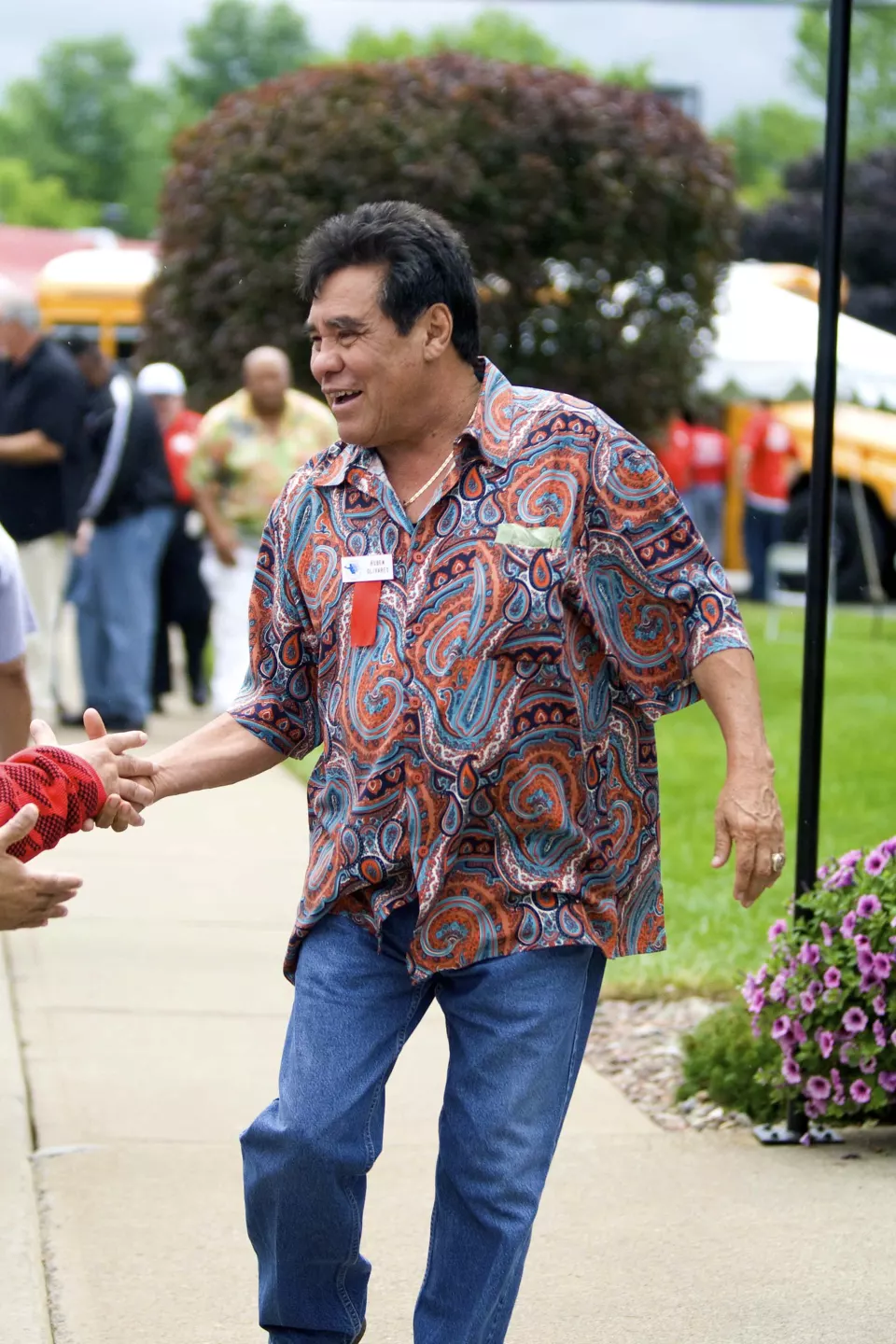
Over 42 rounds, each man had real success. Olivares won two decisions, both of them in fights where he had been knocked down. Castillo's one win came from a cut caused by a clash of heads, and the cards were close when it was stopped. Wikipedia's article on Castillo calls the series one of the major rivalries in Mexican boxing, and PhilBoxing's retrospective calls it the first Mexican boxing civil war, a fight between two Mexicans for a title that had belonged to a Japanese and then an Australian champion only a few years earlier.
The World Boxing Association reported his death on January 15, 2013, in Mexico City, from a heart attack linked to complications of peritonitis, and gave his record as 47 wins, 18 losses and 2 draws with 22 knockouts. The WBA said that after boxing he worked with the Mexico City metro workers' union. Olivares fought on for many years and later won titles at featherweight.
Sources
- April 2, 1971 - Climax of the First Mexican Boxing Civil War, Teodoro Medina Reynoso, PhilBoxing.com, April 2, 2020
- Olivares vs Castillo II: A War To Remember At The Inglewood Forum, Rafael García, The Fight City, October 16, 2025
- The All-Time Great Bantamweights: No 1: Rubén Olivares, Kyle McLachlan, The Fight Site, November 11, 2019
- RCM Historical Boxing: Bam! Bam! Ruben Olivares Had Mucho Power in the Lower Weights, Robert Brizel, Real Combat Media, August 29, 2013
- Dies Mexican Former Champ Chucho Castillo, World Boxing Association, January 15, 2013
- On This Day… October 16, World Boxing Council, October 16, 2024
- Who was Rubén Olivares, the greatest Mexican boxer of all time?, Bob Pateman, Mexico News Daily, August 6, 2025
- Chucho Castillo; Rubén Olivares; Lionel Rose, Wikipedia, accessed October 2026


