
Chávez vs Camacho in 1992 Pitted Mexico Against Puerto Rico on Independence Weekend in Las Vegas
On 12 September 1992 Julio César Chávez retained his WBC super lightweight title with a lopsided unanimous decision over Héctor Camacho at the Thomas & Mack Center. The scorecards read 120-107, 119-110 and 117-111.

On 12 September 1992, with Mexican Independence weekend filling Las Vegas, Julio César Chávez defended his WBC super lightweight title against Puerto Rico's Héctor "Macho" Camacho at the Thomas & Mack Center. The fight was sold as a summit between two of boxing's fiercest national traditions. What the crowd saw was twelve rounds of pursuit, a swollen eye and three scorecards that left no room for argument.
A Matchup Three Years in the Making
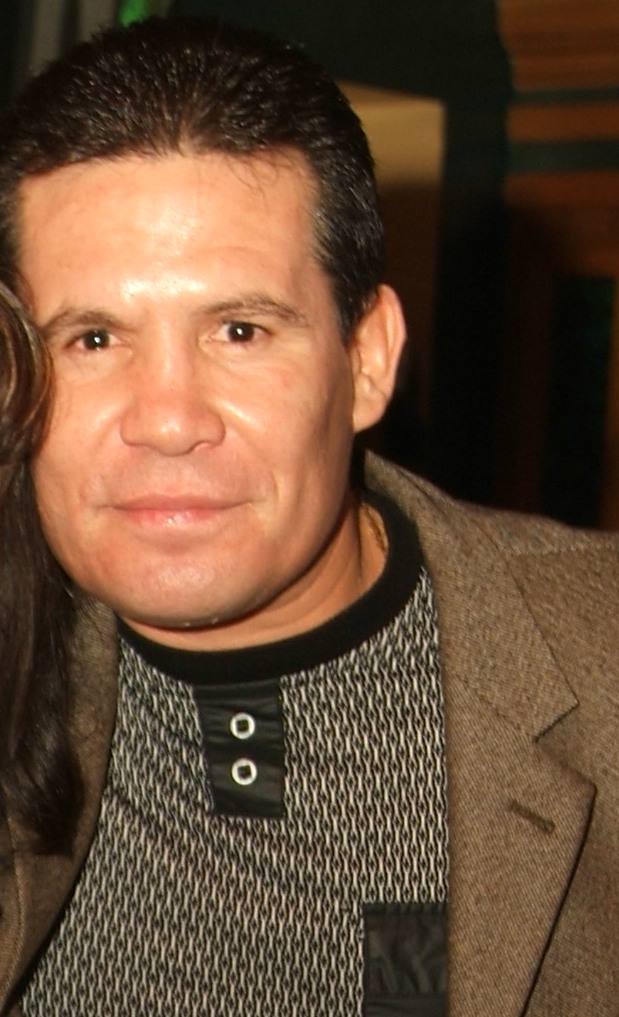
The idea of Chávez against Camacho had been floating around boxing since 1989, but disputes on the management side kept it from reaching a signed contract. By 1992 both men were 30 years old and both had collected titles across several weight classes. Chávez, whose wider career is told in our separate biography, came in with an unbeaten record of 81 wins, 68 of them inside the distance. Camacho, raised in New York and fighting under the Puerto Rican flag, carried a record of 40 wins and one loss, with only 18 knockouts.
The final push came in April 1992, when Chávez beat Angel Hernández and then called Camacho out from the ring, telling him he was next. Both fighters took tune-up bouts on 1 August, and the date was set for the second Saturday of September, the weekend Mexico celebrates the start of its war of independence.
Ultimate Glory: Don King's Independence Weekend Card
Don King promoted the event under the banner "Ultimate Glory: The Fight for it All." Each fighter was guaranteed $3 million, according to both Wikipedia's account of the bout and The Fight City's retrospective. That figure mattered to Chávez, who had grown openly resentful of how much of his earlier purses had stayed with his promoter, and who had begun insisting that a champion who could fill stadiums deserved to be paid like one.
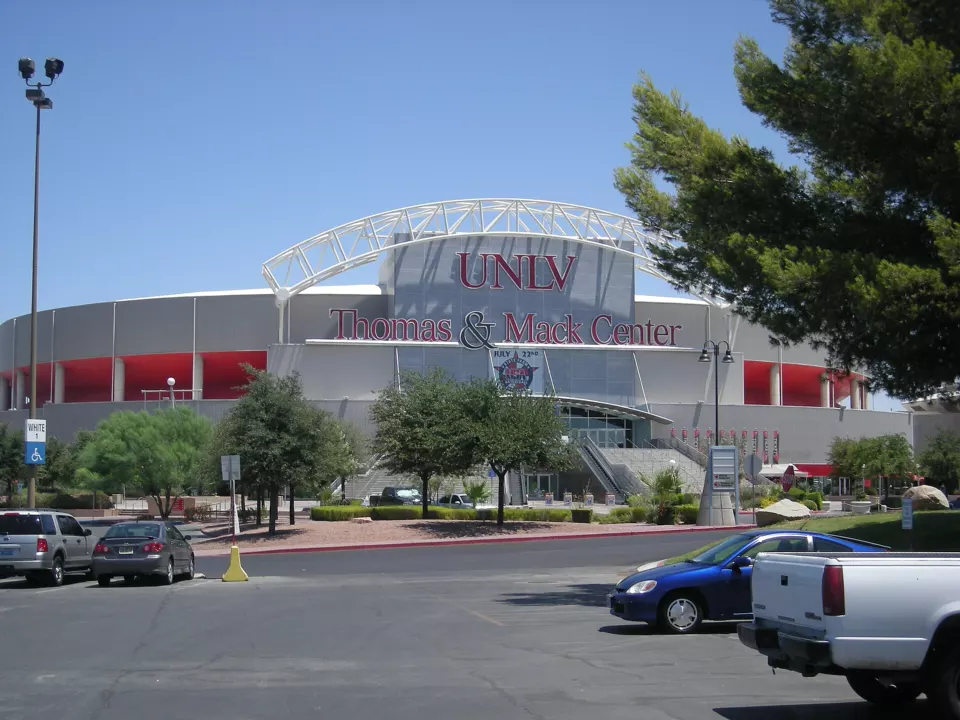
The Thomas & Mack Center held roughly 20,000 people, but The Fight City reports that around 150,000 fans travelled to Las Vegas for the weekend, many of them Mexican supporters treating the trip as a national holiday on the road. The bookmakers had Chávez as a clear favourite, though the exact line differs by source: Wikipedia gives 5 to 1, while The Fight City cites 11 to 2. The referee was Richard Steele, working a Chávez fight for the first time since his much-debated stoppage of the champion's 1990 win over Meldrick Taylor.
Two Fighters, Two Personalities
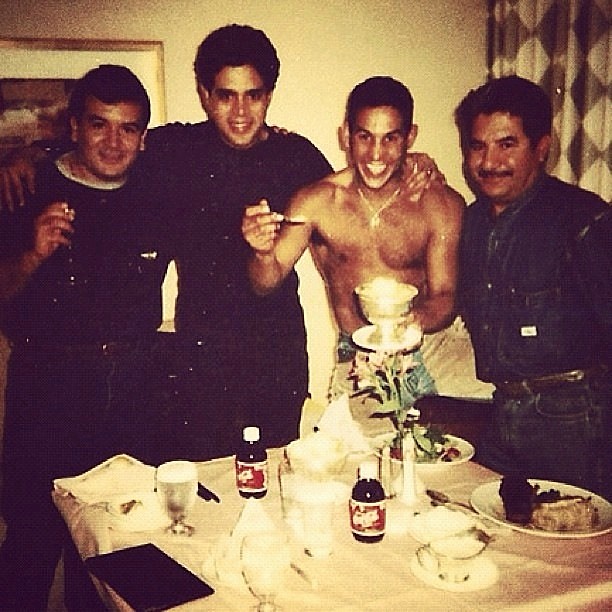
The promotion leaned heavily on contrast. Chávez was presented as the working man's champion: plain in manner, relentless in the gym, and busy in the ring, with six fights in 1992 alone. Camacho was the opposite in almost every public respect. He was famous for loud costumes, fast cars and constant talk, and boxing writer Arne K. Lang, quoted by The Fight City, likened his preening to the old wrestler Gorgeous George.
The rivalry around them was older than either man. Mexico and Puerto Rico had produced a long line of champions in the lighter divisions, and their supporters treated meetings between the two as matters of national pride. Dan Rafael, looking back on the bout in 2021, described it as a Mexico versus Puerto Rico rivalry fight staged on Mexican Independence Day weekend.
Twelve Rounds of Pursuit
From the opening bell, the shape of the night was clear. Chávez walked forward and Camacho moved away, circling, holding and trying to make the champion miss. The approach kept Camacho upright but produced very little in return. In the early rounds Chávez found him with lead right hands and left hooks, and a combination in the third round came close to finishing the fight. The champion also worked the body steadily, the punishment that had worn down so many of his earlier opponents.
Camacho's best single moment came in the fourth, when he landed a hard uppercut that briefly quietened the largely pro-Chávez arena. It did not change the direction of the fight. Primera Hora, the Puerto Rican daily, noted in a 2008 look back that Camacho was already bleeding from the nose by that stage, that his eyes were swelling by the seventh, and that he had cuts around both eyes by the eighth.
By the end of the eighth round Camacho's left eye was badly swollen and a cut had opened beside his right eye. The Fight City writes that his corner could do little more than urge him to throw something. He answered with his busiest spell in the ninth, the most eventful round of the night, but the crowd's chants of "Duro! Duro!" told the story of who was in control. Chávez never put him down. Camacho, whatever the critics said about his tactics, absorbed the beating and was still on his feet at the final bell.
The Scorecards: 120-107, 119-110, 117-111
All three judges scored the fight for Chávez, by margins of 120-107, 119-110 and 117-111. Even the closest of the three had the champion six points clear. Primera Hora summed up the result as a shutout, observing that Camacho's face matched what the judges had written down. The win kept Chávez unbeaten at 82-0 and, by Rafael's count, was the ninth successful defence of his WBC 140-pound title.
The two men embraced afterwards. Chávez admitted he had expected to stop his opponent, and The Fight City quotes him as saying, "I thought I could've knocked him out, but Macho was able to take a lot of punches." He added that his right hand had not been working well. Both men agreed afterwards that a rematch was warranted.
Money, Fame and a Blueprint for Las Vegas
Commercially, the fight was a landmark. Showtime carried it in the United States, and pay-per-view buys were reported in the range of 740,000 to 800,000. The Fight City reports that King took more than $4.5 million at the box office. Back home, Chávez was received at Los Pinos, the Mexican presidential residence, where President Carlos Salinas de Gortari congratulated him.
Camacho, beaten clearly, still came out of the night more famous than he went in, with fashion brands courting him in the months that followed. The longer legacy belonged to the city. The Fight City argues that the fight, with its holiday date, travelling national crowd and huge television audience, showed Las Vegas how to stage a modern boxing event, a model the MGM Grand would soon build on. For Chávez, it was another step in an unbeaten run that had become the defining story of boxing in the early 1990s.
Sources
- Julio César Chávez vs. Héctor Camacho, Wikipedia, accessed October 2026
- Chavez vs Camacho: A Fiesta On Día de la Independencia, The Fight City, 11 September 2026
- The Tale Of Chavez vs Camacho Part II: Divergent Destinies, The Fight City, 12 September 2026
- Camacho vs. Chávez: combate entre grandes, Primera Hora, 29 April 2008
- Notebook: Chavez family takes center stage for 'Tribute to the Kings' PPV card, Dan Rafael (Substack), 18 June 2021


