
Froch vs Groves from 2013 to 2014 Brought a Manchester Stoppage, a Wembley Rematch and an Eighth-Round Right Hand
Carl Froch's disputed ninth-round stoppage of George Groves in Manchester led to an IBF-ordered rematch. In May 2014, in front of about 80,000 people at Wembley, Froch settled it with an eighth-round knockout.

Over six months between November 2013 and May 2014, Carl Froch and George Groves fought twice for the IBF and WBA super-middleweight titles. The first fight in Manchester ended with a stoppage that many people thought came too early. The second filled Wembley Stadium with about 80,000 people and ended with one right hand in the eighth round.
A Champion From Nottingham and a Challenger From London
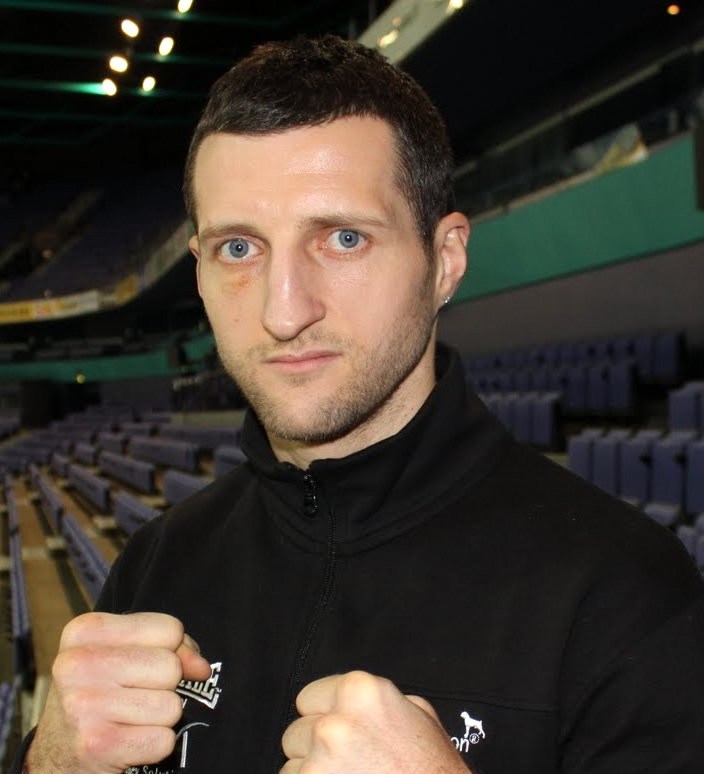
Carl Froch was born in Colwick, Nottingham, in 1977. As an amateur he won ABA titles and a bronze medal at the 2001 World Championships. By late 2013 he was 36 and had a professional record of 31 wins and 2 defeats. He held the IBF and WBA (Regular) super-middleweight belts.
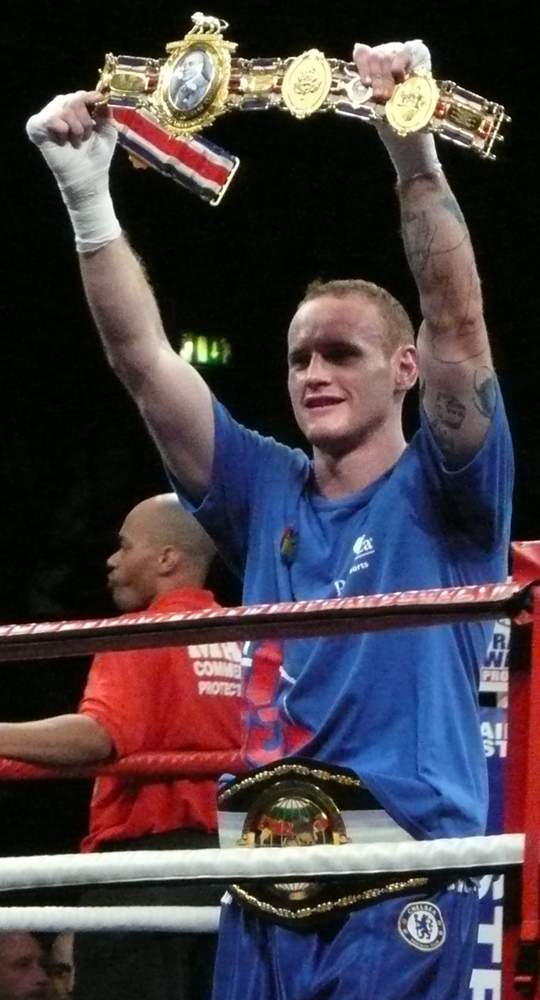
George Groves, his challenger, was 25 and unbeaten in 19 fights. The fight was set for 23 November 2013 at the Manchester Arena, then sponsored as the Phones4u Arena. Most predictions favoured the champion. Boxing News later admitted it had tipped Froch to win by stoppage in the ninth round, and that is how the result was recorded, though nobody had pictured the argument that followed.
A Knockdown in the Opening Round
The plan to make Groves feel the champion's experience fell apart within three minutes. In the first round Groves landed an overhand right that put Froch on the canvas, a heavy knockdown that changed the mood in the arena at once. Froch got up, but over the following rounds Groves boxed with more speed and cleaner punches, and the champion often looked a step behind.
The fight was intense from start to finish. Froch kept coming forward, as he always did, and by the later rounds Groves began to tire. After eight rounds, however, the challenger led on all three official scorecards, 78-73, 76-75 and 76-75, according to the record of the fight.
Howard Foster Steps In
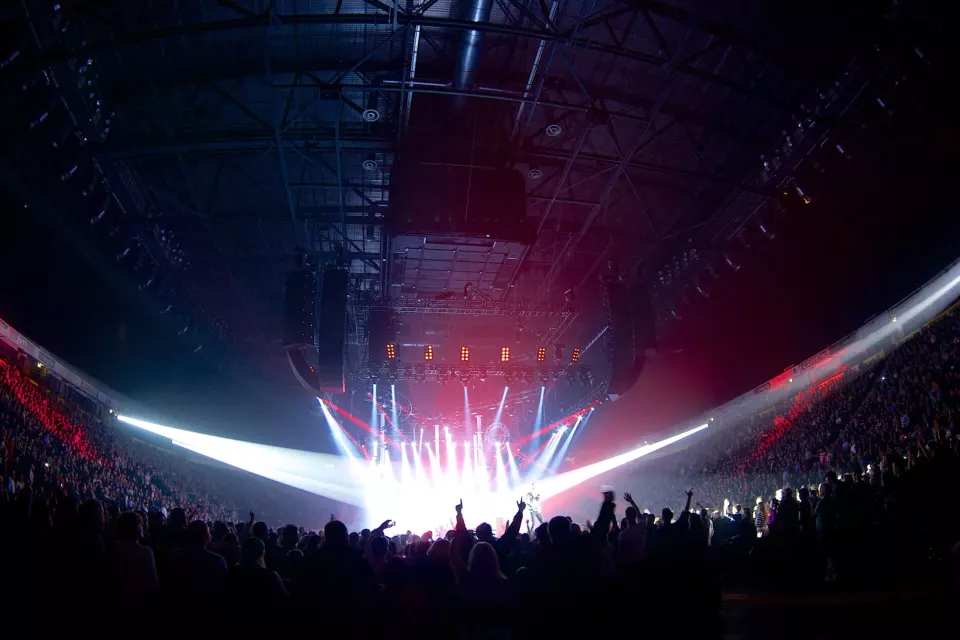
In the ninth round Froch increased the pressure and landed a run of straight right hands. Groves was hit, moved unsteadily along the ropes and tried to cover up. At 1:33 of the round, referee Howard Foster stepped between them and stopped the fight. Froch had retained his titles by technical knockout.
The crowd booed. Contemporary reports said Groves was hurt but did not seem badly dazed, and many ringside observers thought the referee had acted too soon. Boxing News, looking back years later, called the decision questionable but also defensible, which reflected how divided opinion was. Groves was clear about his view. "I feel it was an unjust stoppage," he said in remarks carried by The Peninsula. Froch said the referee had done his job properly, and the British Boxing Board of Control supported Foster.
An Appeal and an Ordered Rematch
Groves appealed to the International Boxing Federation within the ten days its rules allow. A three-person panel heard the case in Newark, New Jersey, on 15 January 2014 and ruled that the fight should be staged again immediately. The IBF set a 90-day deadline starting on 24 January, which meant Froch risked losing his belt if he did not face Groves. At the time there was talk that the champion might go to Las Vegas to fight Julio Cesar Chavez Jr instead.
He chose Groves. Promoter Eddie Hearn announced the rematch in early March 2014, with Wembley Stadium as the venue, and it was promoted as "Unfinished Business". News reports described it as the first fight at the rebuilt stadium since it opened in 2007. Tickets sold fast: about 60,000 were reportedly gone in less than an hour, and the total reached 80,000 once more seats were released.
Wembley, 31 May 2014
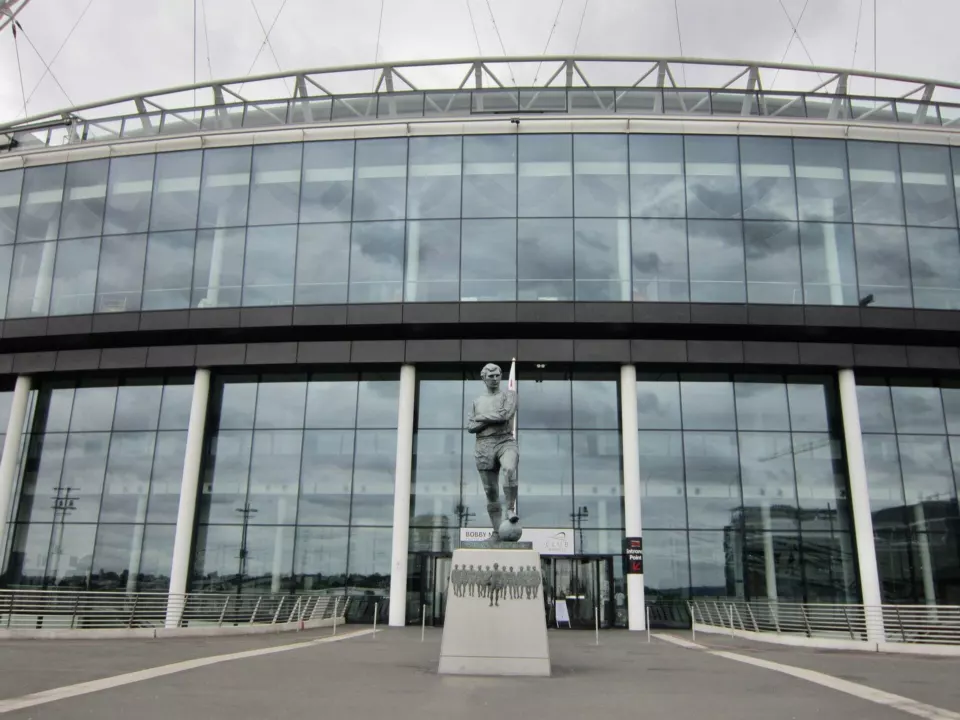
Charlie Fitch, an American referee, was brought in to officiate the rematch. On the undercard, the London 2012 Olympic champion Anthony Joshua won in the first round, and James DeGale's fourth-round stoppage made him the IBF mandatory challenger for the winner of the main event.
Groves fought more carefully than he had in Manchester, using his jab and avoiding long exchanges. Reports of the middle rounds differ. Some describe Froch taking control from about the fifth round and backing Groves onto the ropes with body punches. Others say Groves landed the sharper shots, including a jab or left hook in the seventh that knocked the champion back. CompuBox figures quoted by ESPN show Groves landing more often: 126 of 314 punches against Froch's 96 of 349. According to Wikipedia's account of the fight, the scorecards were close going into the eighth, with two judges favouring Froch by a point and the third scoring for Groves.
The Right Hand in the Eighth
Late in the eighth round Groves retreated to the ropes. Froch feinted or threw a left that knocked him off balance, then landed a straight right hand cleanly on the chin. Groves fell onto his back with one leg folded beneath him. He tried to rise against the ropes, but Fitch waved the fight off at once without counting.
The FA's report placed the finish 26 seconds before the end of the round, and ESPN gave the official time as 2:34. Other sources give different times. Wikipedia's article on Froch lists 2:28 and its article on the fight lists 2:43, so the exact second is not settled in the published record.
Froch described it, in remarks reported by Al Jazeera, as "the best punch I have ever thrown and landed in my life." Groves did not blame the referee this time. Matchroom quoted him as saying he had to hold his hands up because Froch caught him with a shot. Froch went to 33-2 and Groves to 19-2.
What the Night Left Behind
The 80,000 crowd was a record for a British boxing event since the Second World War. That record stood until Anthony Joshua fought Wladimir Klitschko at the same stadium in 2017. The Ring named Froch's finish its Knockout of the Year for 2014 and the show its Event of the Year, and the event reportedly brought in more than £22 million.
Wembley was Froch's last fight. He did not box again and announced his retirement in July 2015 with a record of 33-2 and 24 knockouts. Groves returned in September 2014 with a points win over Christopher Rebrassé. Their two fights are remembered as a single story: a disputed ending in Manchester and a decisive one at Wembley.
Sources
- Carl Froch vs. George Groves, Wikipedia, accessed October 2026
- Carl Froch vs. George Groves II, Wikipedia, accessed October 2026
- Carl Froch, Wikipedia, accessed October 2026
- On this day: Carl Froch scores wildly controversial victory over George Groves, Boxing News
- Froch open to Groves rematch after controversial victory, The Peninsula (Qatar), 25 November 2013
- IBF orders Froch-Groves rematch, SBS News, 25 January 2014
- Froch v Groves II fight report, The FA (thefa.com), 31 May 2014
- Carl Froch knocks out George Groves in rematch to retain title, ESPN, 31 May 2014
- Froch silences Groves with KO, Al Jazeera, 1 June 2014
- Froch stops Groves at Wembley, Matchroom Boxing, June 2014


