
Barrera vs Morales from 2000 to 2004 Was Boxing's Closest Trilogy, From Tijuana to Mexico City
Erik Morales won their first fight on a disputed split decision in 2000, and Marco Antonio Barrera took the next two, in 2002 and 2004. Three fights, 36 rounds, and none of the verdicts settled the argument.

Between February 2000 and November 2004, Marco Antonio Barrera and Erik Morales met three times in Las Vegas, at three different weights, and fought 36 rounds that the judges could barely separate. Morales won the first fight on a split decision, Barrera took the next two, and none of the results ended the argument about who was better.
Two Champions, Two Cities
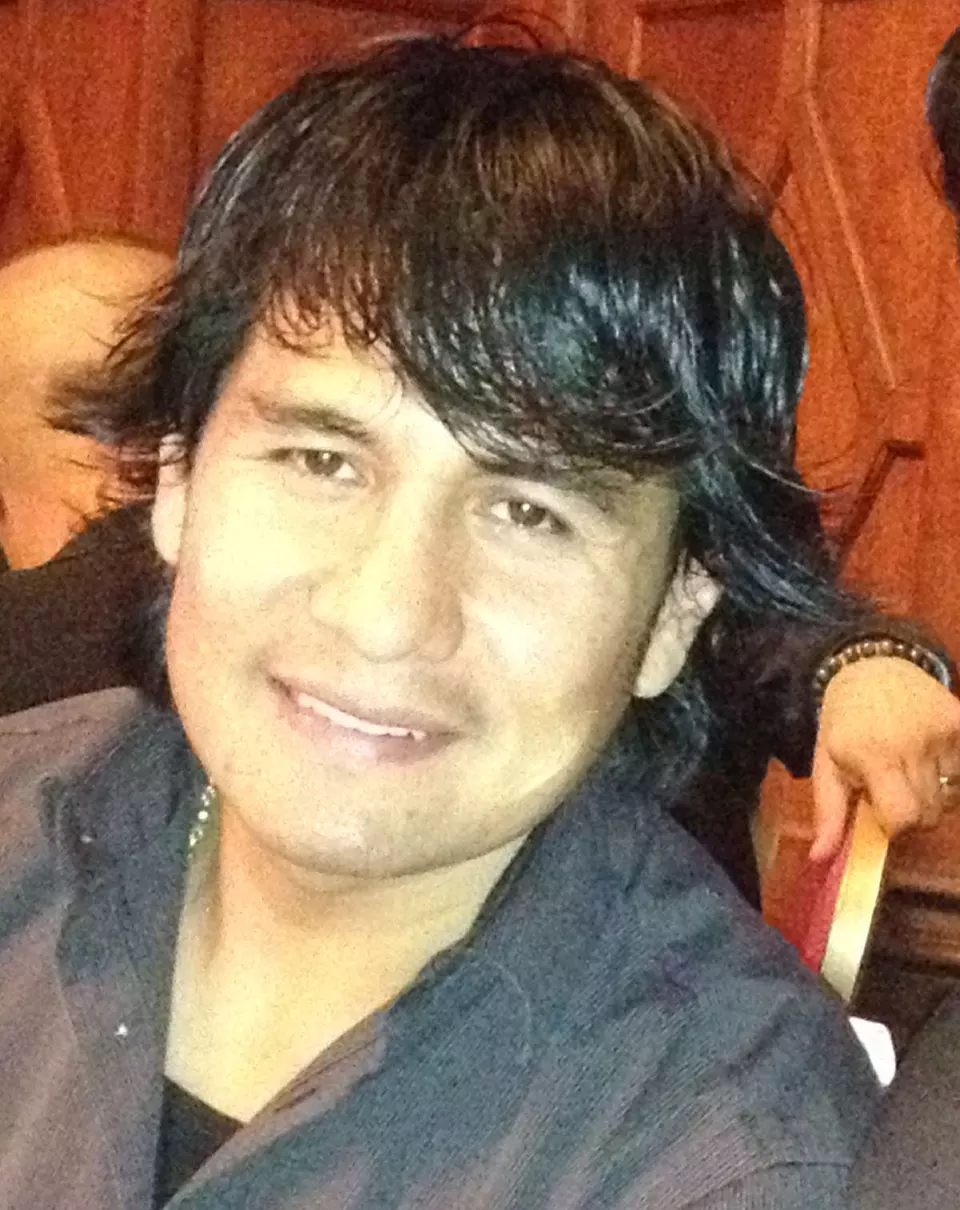
By the end of the 1990s Mexico had two world champions at 122 pounds, and they did not like each other. Barrera, born in Mexico City on January 17, 1974, had turned professional at 15 and won the WBO super bantamweight title in 1995. Along the way he went to university to study law, and fans knew him as the "Baby-Faced Assassin." Morales was born in Tijuana on September 1, 1976, and was trained and managed by his father, José, a former fighter. He won the WBC belt in 1997 by stopping the veteran Daniel Zaragoza in the 11th round.
The rivalry was about more than belts. Reporters at the time described it as Tijuana against the capital, and the Associated Press noted that both men played up their regional differences. La Opinión later called it one of the most bitter feuds in Mexican boxing, and wrote that the two never got along and once clashed at a press conference in a way that looked more like a street fight than a promotion.
February 19, 2000: Twelve Rounds at Mandalay Bay
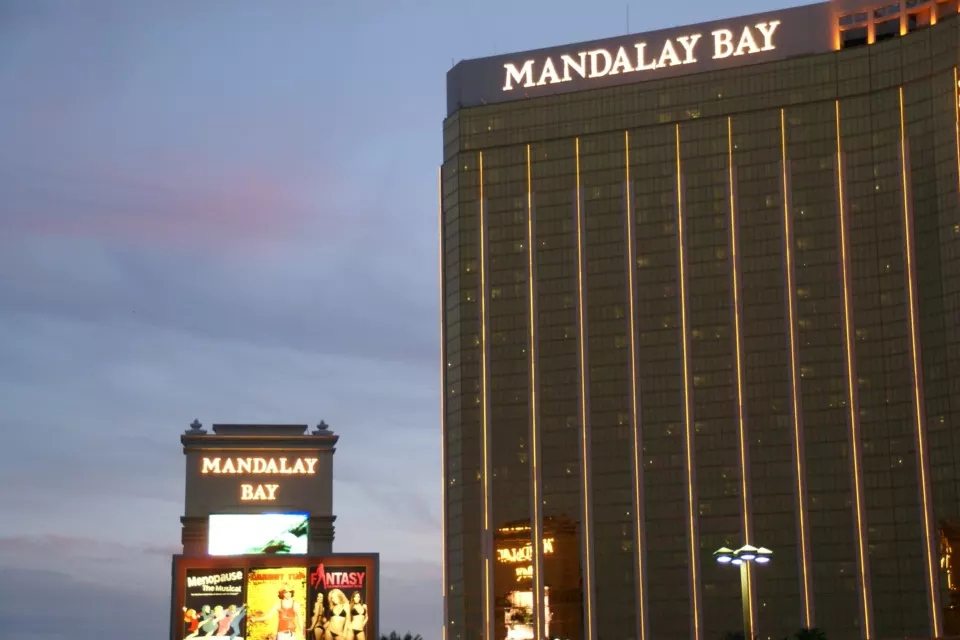
The first fight, at the Mandalay Bay Resort and Casino in Las Vegas and televised by HBO, unified the WBC and WBO super bantamweight titles. Morales came in unbeaten at 35-0 and Barrera was 49-2. Before the fight Morales said he had once dropped Barrera in sparring. Boxing News reported that Barrera answered that the knockdown had happened only in Morales's dreams. The fighters did not touch gloves until the final round.
Barrera took the early rounds with left-hook combinations. From the fifth round on the fight never settled. That fifth round, in which both men were hurt in turn, was later named The Ring's Round of the Year. Barrera hammered Morales's body in the eighth, the two traded hooks and right hands through the ninth and tenth, and Barrera's left cheek was cut open. With about half a minute left in the 12th, referee Mitch Halpern ruled a knockdown when Morales went to one knee. Several accounts, Boxing News among them, describe it as a slip.
The knockdown did not decide the fight. Two judges scored for Morales, 115-112 and 114-113, and the third had Barrera ahead 114-113, giving Morales a split decision. According to Boxing News, Morales landed slightly more punches, 319 to 299, but the consensus at ringside was that Barrera had done enough to win. The Ring named it Fight of the Year for 2000.
Bad Blood and a Delayed Rematch
The two careers then went their separate ways, both at featherweight. Morales vacated his 122-pound belt, beat Kevin Kelley for the WBC interim featherweight title in September 2000 and won the full title from Guty Espadas Jr. in February 2001. Barrera's big night came on April 7, 2001, when he outpointed Naseem Hamed.
The rematch was set for March 2, 2002, at the MGM Grand, then postponed. Multichannel News reported in February 2002 that Barrera had hurt a rib in training, and the fight moved to June 22. During the long build-up the hostility only grew. The AP wrote of the bitterness between them, and Barrera himself said before the fight that he would not accept the WBC belt if he won, citing past difficulties with the organization.
June 22, 2002: A Slower Fight, a Different Verdict
The second fight, a pay-per-view at the MGM Grand Garden Arena, did not start the way the first one had. The AP reported that Barrera boxed and moved early, that some fans booed the lack of exchanges, and that he started pressing forward from the sixth round. Sources disagree about how those early rounds should be judged. The Wikipedia account of the bout says Morales clearly won at least four of the first six, and HBO's unofficial scorer Harold Lederman had Morales winning 115-113. In the seventh, Morales put Barrera on the floor, but referee Jay Nady ruled it a trip rather than a knockdown. The AP report said neither man was knocked down.
The judges went for Barrera: 116-112 and 115-113 twice, with all three giving him five of the last six rounds. The AP's own card was also 116-112 for Barrera. Morales's left eye was nearly shut by the end. He left the ring in tears and said afterward that he still believed he had won. Before the scores were read, Barrera had walked to Morales's corner. "It was a great fight and we should be friends," he said, as quoted by the AP. As promised, he refused the WBC belt, and the organization declared it vacant. The win did bring him The Ring's featherweight title. Each fighter was paid $2 million, the AP reported.
Between the Second and Third Fights
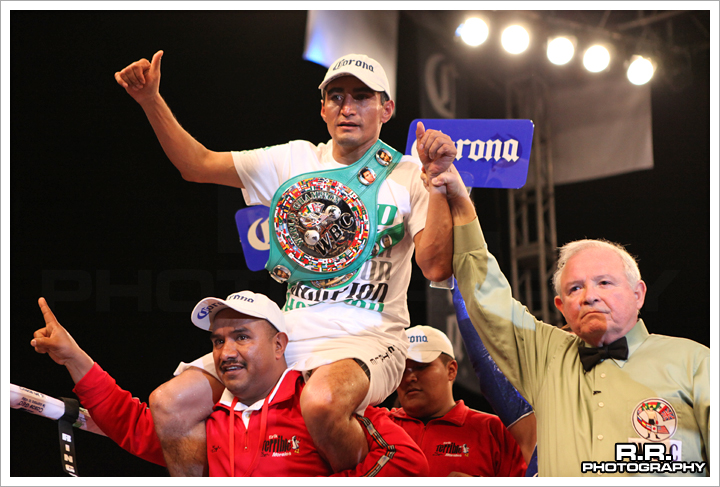
Morales recovered quickly. He beat Paulie Ayala in November 2002 to win back the vacant WBC featherweight title, moved up to 130 pounds, took the WBC super featherweight belt from Jesús Chávez in February 2004 and added the IBF title by beating Carlos Hernández that July. Barrera's path was rougher. On November 15, 2003, Manny Pacquiao stopped him in the 11th round, a beating that led many writers to declare his career finished.
November 27, 2004: The Rubber Match at 130 Pounds
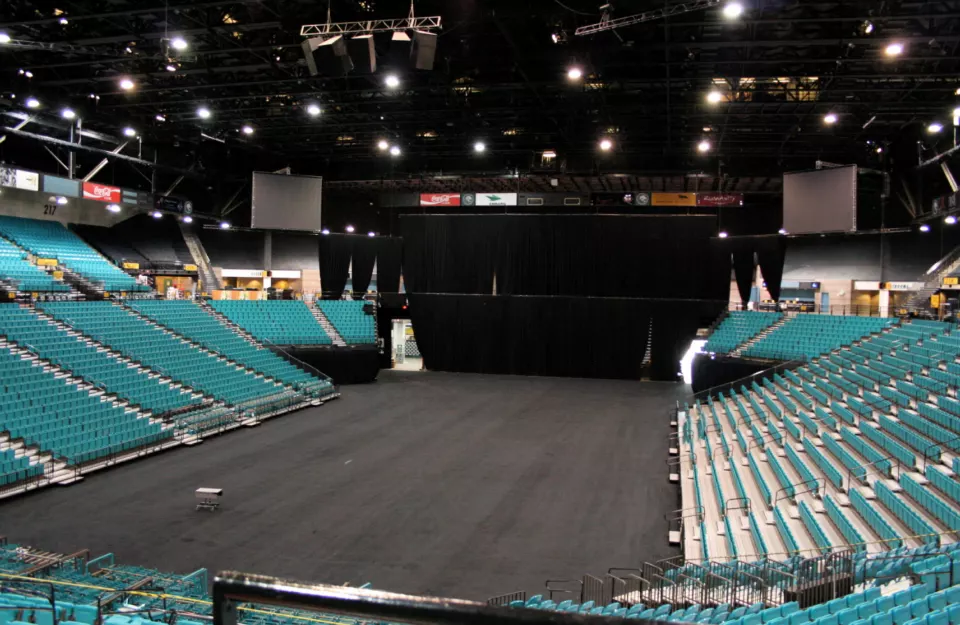
The third fight was again held at the MGM Grand Garden Arena, with Morales's WBC super featherweight title at stake. Barrera won five of the first six rounds with accurate combinations to the head and body. Morales found his right hand in the seventh and eighth, and the last two rounds were fought at full speed: Morales pushed hard while a tired Barrera kept countering. The fifth round was later named The Ring's Round of the Year for 2004.
The scores were 115-113 and 115-114 for Barrera and 114-114 even, a majority decision. The AP scored it a draw, 114-114, and its writer Tim Dahlberg wrote that the fight was every bit the equal of their first meeting. Morales stared in disbelief as the result was announced. Barrera held up two fingers, one for each straight win. Lederman had Barrera ahead 115-113 this time. The Ring again named it Fight of the Year, and the event sold about 325,000 pay-per-view buys, according to the Wikipedia account of the bout.
What the Trilogy Left Behind
Barrera won the series two fights to one, but each of the three decisions was disputed. Morales got the first verdict when many thought Barrera had won, and Barrera got the second when many thought Morales had. La Opinión estimated that the two threw about 4,300 punches across the 36 rounds.
Morales went on to become the first Mexican-born fighter to win world titles in four divisions. He was inducted into the International Boxing Hall of Fame in 2018, a year after Barrera. The hostility eventually wore off. Long after they retired, the two former rivals hosted a YouTube show together called "Un Round Más," about boxing, entertainment and politics.
Sources
- Late surge by Barrera helps him defeat rival, Associated Press via ESPN.com, June 22, 2002
- Barrera victorious in Morales rematch, Associated Press via The Spokesman-Review, November 28, 2004
- On This Day: Marco Antonio Barrera and Erik Morales opened one of the deepest grudges in boxing history, Boxing News (Paul Wheeler), February 19, 2021
- Guerras aztecas en el ring que nunca se olvidarán, La Opinión (Ricardo López Juárez), August 26, 2015
- Barrera-Morales PPV Fight Postponed, Multichannel News, February 11, 2002
- This Day in Boxing History: Morales vs. Barrera I, The Sweet Science
- Barrera's rebirth (El Paso press conference report), The Sweet Science, 2005
- Erik Morales vs. Marco Antonio Barrera; Marco Antonio Barrera vs. Erik Morales II; Erik Morales vs. Marco Antonio Barrera III; Barrera vs. Morales trilogy, Wikipedia, accessed October 2026
- Marco Antonio Barrera; Erik Morales, Wikipedia, accessed October 2026


