
Marco Antonio Barrera Was the Baby-Faced Assassin From Mexico City
From a pro debut at 15 and law studies in Mexico City to world titles in three divisions, Marco Antonio Barrera beat Naseem Hamed, won two of three wars with Erik Morales and twice fell to Manny Pacquiao.

Marco Antonio Barrera turned professional in Mexico City at 15 and boxed for more than two decades. Along the way he won world titles in three weight classes, handed Naseem Hamed the only defeat of his career and fought Erik Morales three times in one of the fiercest rivalries Mexican boxing has produced. He also lost twice to a young Manny Pacquiao. His Hall of Fame record covers a long arc: he started out as a teenage knockout artist and finished as one of the most complete boxers of his era.
A Teenage Professional From Mexico City
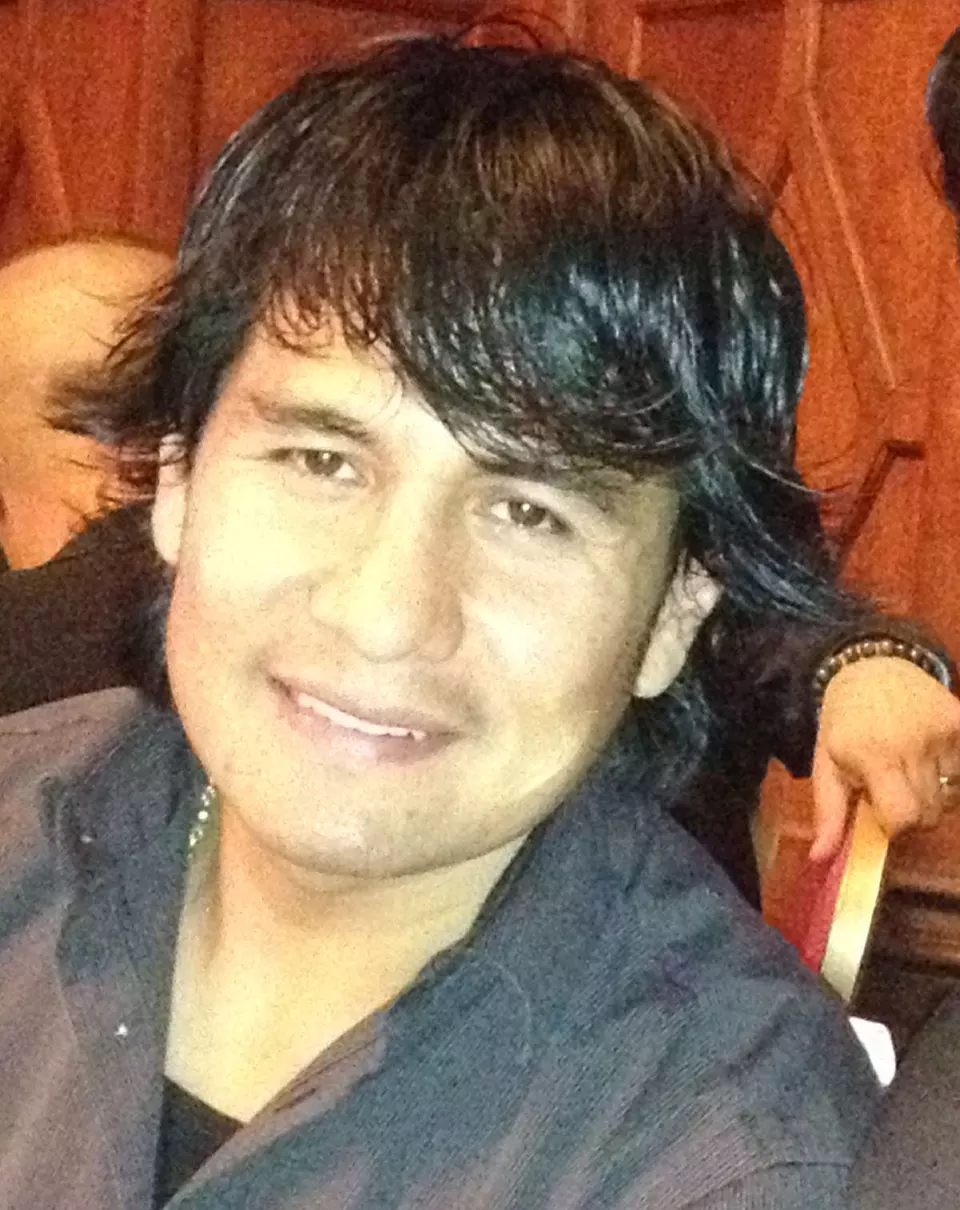
Barrera was born in Mexico City on January 17, 1974. His full name is Marco Antonio Barrera Tapia. The sources disagree on his amateur record. Wikipedia lists 104 wins and 4 losses, including a 56-0 run before his first defeat, while the Hall of Fame class profile published by Fox Sports gives 56-4. They agree that he won five Mexican national amateur titles.
His professional debut came on November 22, 1989, when he stopped David Felix in the second round. He was 15 years old. Boxing did not take up his whole life at first. Wikipedia notes that in 1994, while he was already an established professional, he was still attending university with the aim of becoming a lawyer. With a face that looked younger than his age and a brutal body attack, he soon earned the nickname "The Baby-Faced Assassin."
Forty-Three Straight Wins and the WBO Super Bantamweight Belt
Barrera won his first 43 professional fights. He took the Mexican super flyweight title from Justino Suárez in 1992 and also won the NABF super flyweight belt. His first world championship came on March 31, 1995, in Anaheim, California, where he outpointed Daniel Jiménez over 12 rounds for the WBO super bantamweight title.
He made eight successful defenses of that belt, according to the Hall of Fame profile, with stoppage wins over Eddie Croft, Kennedy McKinney and Jesse Benavides. The McKinney fight on February 6, 1996, became one of the defining nights of HBO's Boxing After Dark series. McKinney was knocked down five times and put Barrera down once before the fight was stopped in the 12th round. Frontproof Media later called it the benchmark that every Boxing After Dark fight would be measured against.
The Junior Jones Losses
Barrera's unbeaten run ended in Tampa, Florida, on November 22, 1996. Junior Jones gave him trouble from the opening bell, and in the fifth round a hard right hand dropped the champion. Barrera got up and was bleeding and covering up against the ropes when members of his corner climbed into the ring. Because of that intervention the result went into the books as a disqualification win for Jones rather than a stoppage, and the WBO title changed hands. The Ring's account of the fight says the corner's intervention appeared to save Barrera from being stopped.
The rematch at the Las Vegas Hilton on April 18, 1997, went the full 12 rounds. Jones later told The Ring that Barrera boxed far more carefully the second time and that it took him several rounds to adjust. Jones won a close unanimous decision. Barrera now had two straight losses to the same opponent, and many people saw him as a fighter whose best days were already over.
Surgery in 1997 and a Return to the Title
His health also came into question later in 1997. According to a 2003 report in The Philippine Star, he had surgery that year to repair a congenital malformation of blood vessels in his brain. The operation was performed in Mexico City by Dr. Ignacio Madrazo. Barrera kept fighting regardless. On October 31, 1998, he won the vacant WBO super bantamweight title again when Richie Wenton retired on his stool after the third round.
Morales I: The Split Decision of 2000
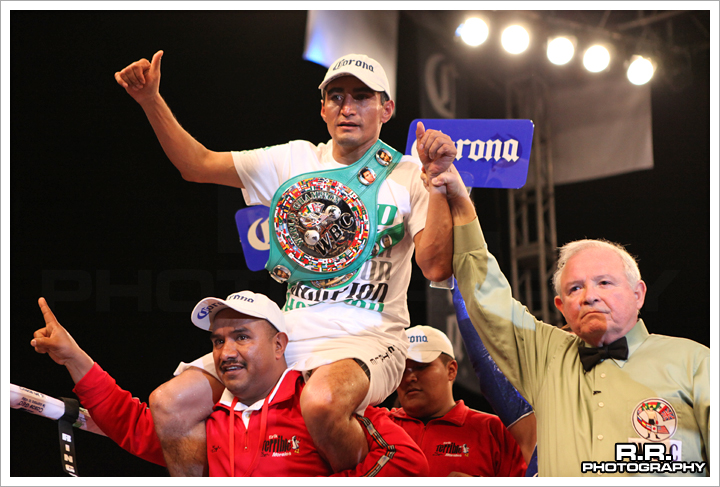
Erik Morales of Tijuana was unbeaten at 35-0 and held the WBC super bantamweight title. On February 19, 2000, he and Barrera met at Mandalay Bay in Las Vegas in a unification bout. The two men fought at a hard pace for 12 rounds. In the last round Barrera scored the only knockdown of the night, and all three judges scored that round 10-8 for him. Two judges still gave the fight to Morales. Wikipedia's account of the bout says many observers believed Barrera deserved the win. The Ring named it the Fight of the Year, and its fifth round was named Round of the Year.
Naseem Hamed, Las Vegas, April 7, 2001
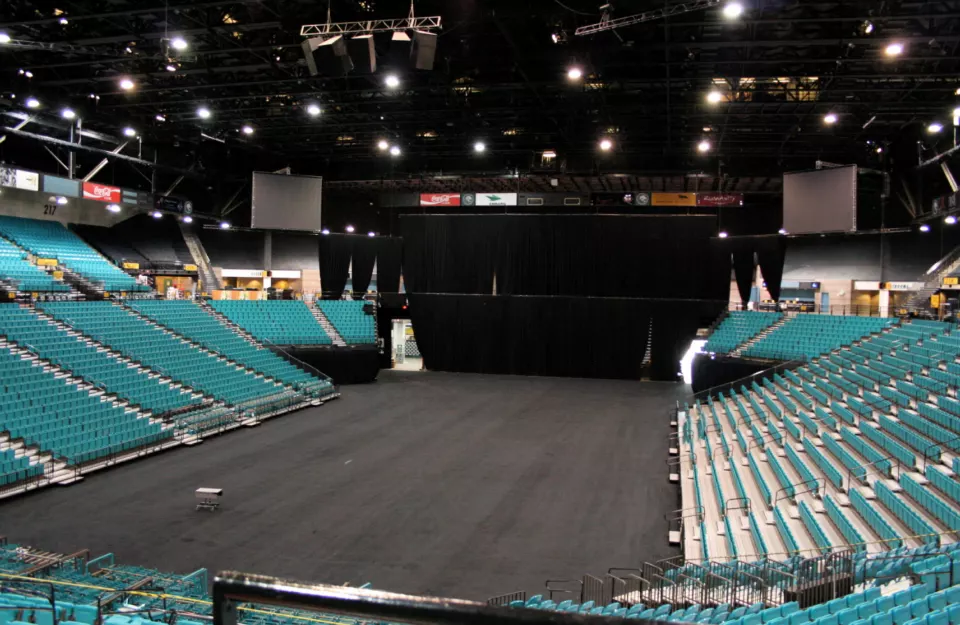
Barrera moved up to featherweight to face Naseem Hamed, the flamboyant Sheffield star, who was 35-0 with 31 knockouts. The fight took place at the MGM Grand Garden Arena. Barrera went in as roughly a 3-1 underdog, and Wikipedia reports purses of $6 million for Hamed and $2 million for him. He did not get into a brawl with Hamed. He boxed patiently, made the Englishman miss and countered him. In the final round he grabbed Hamed in a headlock and pushed his head into the turnbuckle, which cost him a point. That deduction made no difference. The judges scored it 115-112, 115-112 and 116-111 for Barrera. Hamed said he wanted a rematch but never took up his contractual option. He boxed only once more and never lost again.
Settling the Score With Morales
The rematch with Morales took place at the MGM Grand on June 22, 2002, at featherweight. Barrera won a unanimous decision and also received the WBC title and The Ring's featherweight championship. The third fight was on November 27, 2004, at the same venue, now at super featherweight with Morales's WBC belt at stake. Barrera won a majority decision. The Ring made it Fight of the Year for 2004 and also gave Barrera its Comeback of the Year award for 2004.
The Pacquiao Fights
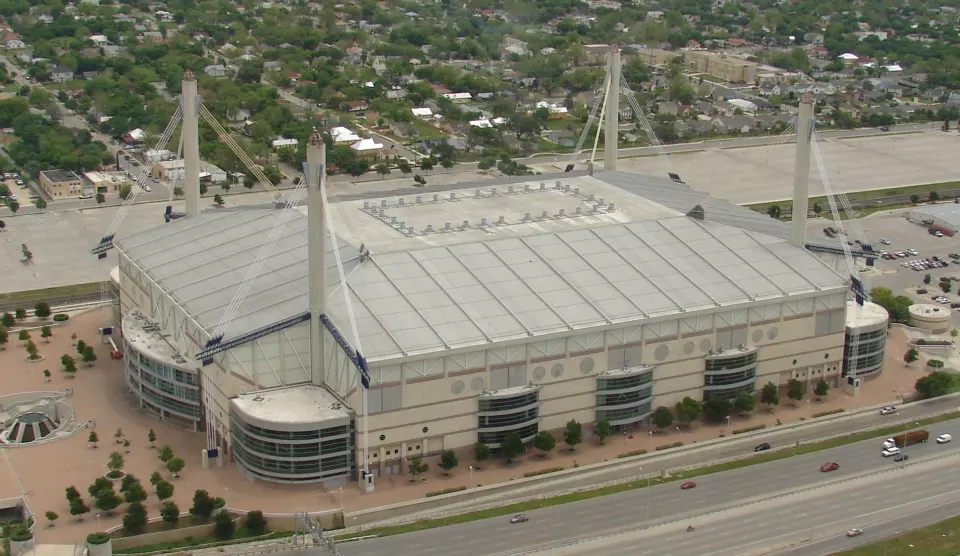
His worst night had come a year before the third Morales fight, on November 15, 2003, at the Alamodome in San Antonio. Before the bout, the Texas commission required neurological tests because of his 1997 surgery. He passed them, and Barrera went in as the clear favourite against Manny Pacquiao, a southpaw from the Philippines. Pacquiao dropped him in the third round with a straight left and again in the 11th, and kept punching him on the ropes until his corner threw in the towel at 2:56 of the 11th. ESPN reported that the towel was thrown by his brother and cornerman, Jorge. Speaking to ESPN, Barrera said Pacquiao "punches hard" and that he had struggled to see many of the shots. The loss cost him the Ring featherweight championship.
On September 17, 2005, he unified titles with a unanimous decision over Robbie Peden, adding the IBF super featherweight belt. On March 17, 2007, he lost the WBC super featherweight title to Juan Manuel Márquez on a unanimous decision that some observers disputed. A rematch with Pacquiao at Mandalay Bay on October 6, 2007, went the full 12 rounds, and Pacquiao won clearly with scores of 118-109, 118-109 and 115-112.
Final Rounds and the Hall of Fame
Barrera returned in 2008 under Don King. On March 14, 2009, in Manchester, he lost to Amir Khan by technical decision after five rounds; the fight was ended because of a cut from an accidental head clash. His last fight was on February 12, 2011, in Guadalajara, where he stopped Jose Arias in two rounds. He retired with a record of 67-7 and 44 knockouts, with one no-contest. In 2017 he was inducted into the International Boxing Hall of Fame alongside Evander Holyfield and the late Johnny Tapia. Since retiring he has worked as a television analyst.
Sources
- Marco Antonio Barrera, Wikipedia, accessed October 2026
- Erik Morales vs. Marco Antonio Barrera, Wikipedia, accessed October 2026
- Naseem Hamed vs. Marco Antonio Barrera, Wikipedia, accessed October 2026
- The 2017 Boxing Hall of Fame class, Fox Sports, accessed October 2026
- Junior Jones: Greatest Hits, The Ring, accessed October 2026
- Barrera confident of hurdling medical tests, The Philippine Star, November 4, 2003
- Fight Facts: Pacquiao vs. Barrera, Doug Fischer, ESPN.com, November 15, 2003
- On this day: Manny Pacquiao stuns the boxing world by thrashing Marco Antonio Barrera, Boxing News, November 15, 2018
- A Rare Breed: Marco Antonio Barrera, Frontproof Media, accessed October 2026


