
Juan Manuel Márquez Was the Fighting Accountant From Iztacalco
From a Mexico City government accounting job to world titles in four divisions, the four-fight Pacquiao saga and the Hall of Fame, the career of counter-puncher Juan Manuel Márquez.

For more than two decades Juan Manuel Márquez boxed like a man reconciling a ledger: patient, exact, and rarely careless with a single punch. The counter-puncher from Iztacalco in Mexico City started as a government accountant who trained before and after office hours, and finished as a champion in four weight classes, the owner of the most famous knockout of his generation and a member of the International Boxing Hall of Fame.
Iztacalco, the Romanza Gym and the Fighting Accountant
Márquez was born on August 23, 1973, in Iztacalco, a working-class borough on the east side of Mexico City. Pulse News Mexico describes a poor neighbourhood where gangs pulled at plenty of boys his age; he went to the boxing gym instead and built an amateur record usually given as 82 wins and four losses. His younger brother Rafael would follow the same path and later win world titles at bantamweight and super bantamweight.
What set Juan Manuel apart from most young Mexican prospects was what he did between sessions. He studied accounting and took a job in public administration, and Pulse News Mexico says he worked for several government agencies. His days were split three ways: road work in the morning, a desk job through office hours, then evening training under Ignacio "Nacho" Beristáin, the coach who shaped both Márquez brothers. The double life earned him the nickname "The Fighting Accountant." Sources do not agree on exactly when he left the office. Wikipedia says he kept the job until his first world title, which it dates to 2004, although the same article records his first title win in February 2003.
A Disqualification Debut and a Long Wait
His professional career began badly. On May 29, 1993, aged 19, he lost his debut to Javier Durán by disqualification. The setback did little to slow him, but the road to a title shot was long. Márquez was technically excellent and dangerous, and opponents had little reason to want him. He spent most of a decade winning without getting the big fights.
The breakthrough came on February 1, 2003, at the Mandalay Bay Events Center outside Las Vegas, where he stopped Manuel Medina in the seventh round to win the vacant IBF featherweight title. He was 29, and he had been a professional for almost ten years. On November 1 that year in Grand Rapids, Michigan, he added the WBA featherweight belt against Derrick Gainer. That fight ended as a technical decision in the seventh round after an accidental clash of heads left a cut.
Pacquiao, Part One, and a Setback in Indonesia
On May 8, 2004, at the MGM Grand Garden Arena, Márquez defended his featherweight titles against Manny Pacquiao of the Philippines. Pacquiao dropped him three times in the opening round. Márquez got up each time and fought his way back into the contest. The judges returned a split draw: one card for each man at 115-110 and a third level at 113-113. It was the start of a rivalry that would run for eight years.
His career then took a step back. On March 4, 2006, he travelled to Kutai Kartanegara in Indonesia and lost a unanimous decision to Chris John for the WBA featherweight title. In the record books it is one of his most overlooked defeats.
Barrera, Pacquiao II and the Lightweight Throne
Márquez rebuilt at super featherweight. On March 17, 2007, at Mandalay Bay, he met Marco Antonio Barrera, another Mexico City veteran and a fellow future Hall of Famer, for the WBC title. He won a unanimous decision on scores of 116-111, 116-111 and 118-109. A year later, on March 15, 2008, at the same venue, he defended that belt against Pacquiao in their rematch. A third-round knockdown proved decisive, and Pacquiao took a split decision.
He moved up again. On September 13, 2008, in Las Vegas, Márquez knocked out Cuba's Joel Casamayor in the 11th round to win The Ring's lightweight championship, his third division.
The Díaz Wars
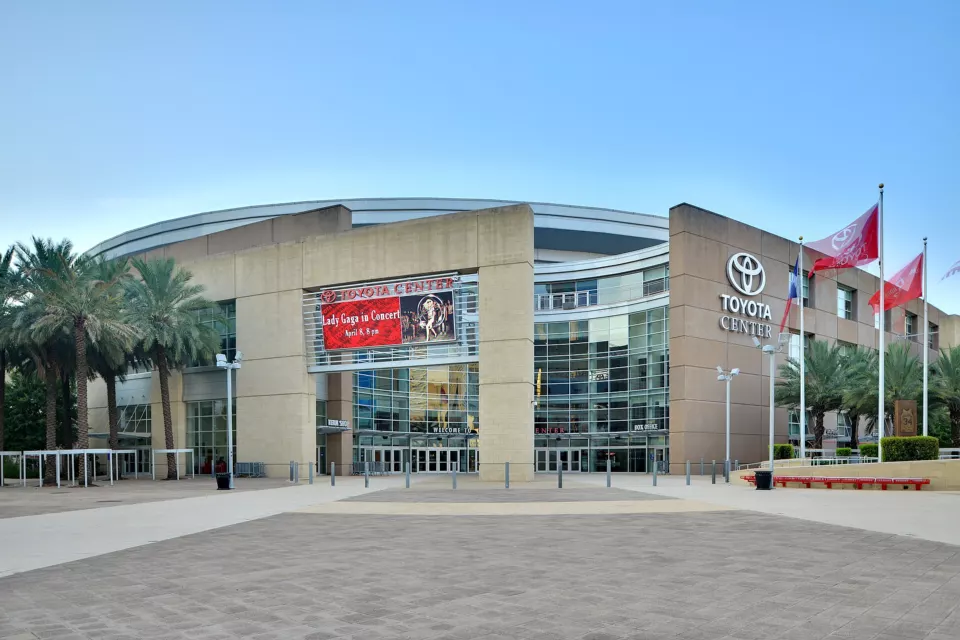
The first of his two fights with Juan Díaz, the Houston lightweight known as "Baby Bull," took place on February 28, 2009, at the Toyota Center in Díaz's home city. Díaz pressed hard early, and Márquez absorbed it and countered. A cut opened over Díaz's eye in the eighth round, and in the ninth Márquez dropped him twice to force the stoppage. Márquez left with the WBA and WBO lightweight titles, and The Ring and ESPN.com both named it their 2009 Fight of the Year.
The rematch on July 31, 2010, at Mandalay Bay was less dramatic but no closer. Márquez won a unanimous decision, 117-111, 118-110 and 116-112. Four months later, on November 27, he was knocked down by Michael Katsidis in the third round, recovered, and stopped him in the ninth.
Mayweather, 2009: Too Big a Gap
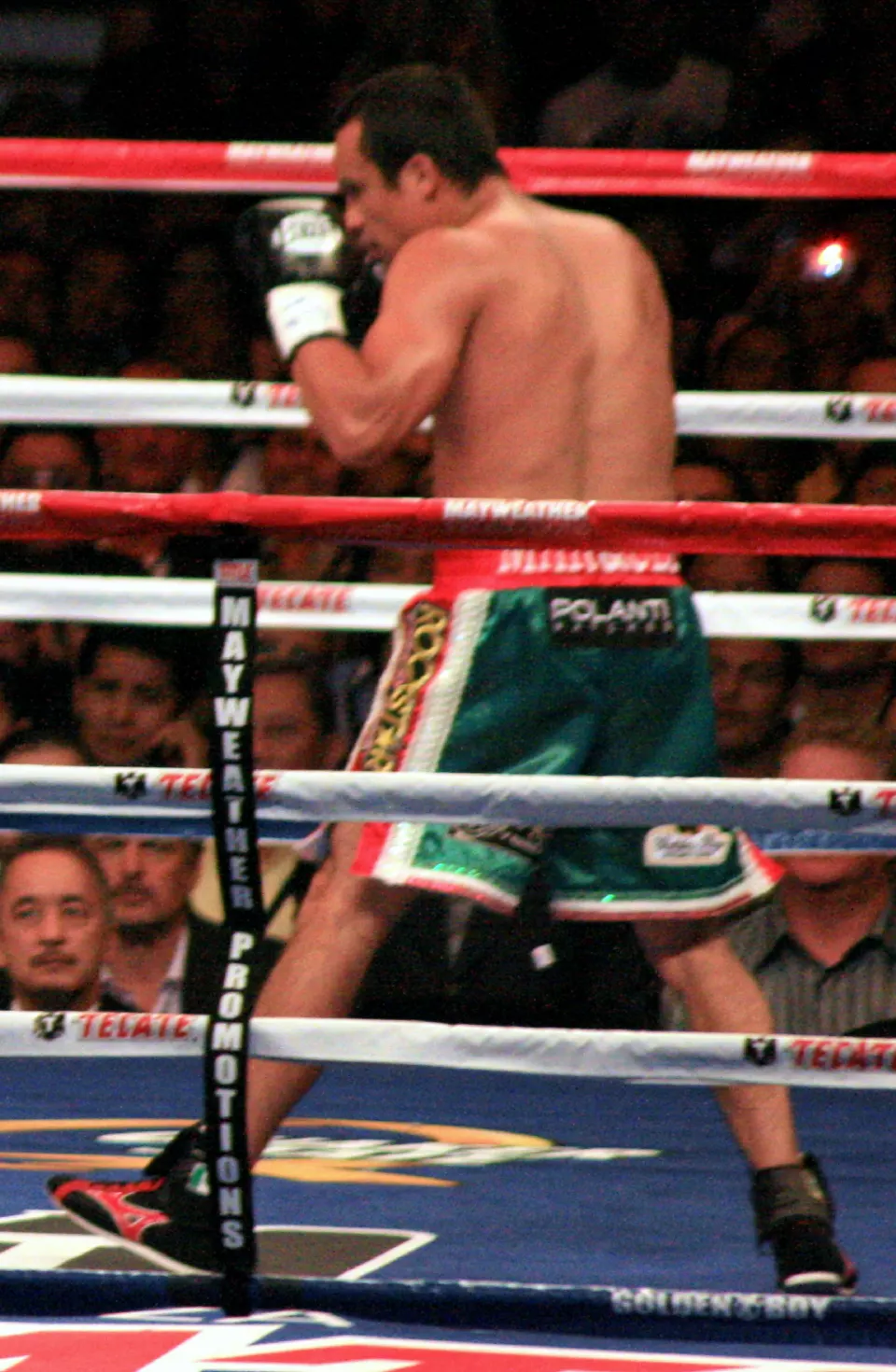
Between the two Díaz fights, Márquez took the biggest payday available and moved two divisions up to face Floyd Mayweather Jr. The bout on September 19, 2009, at the MGM Grand Garden Arena was Mayweather's first after almost two years in retirement. It had been agreed at a 144-pound catchweight. Mayweather came in at 146 pounds and, according to Wikipedia's account of the fight, paid Márquez a penalty of $600,000 on top of his $3.2 million guarantee.
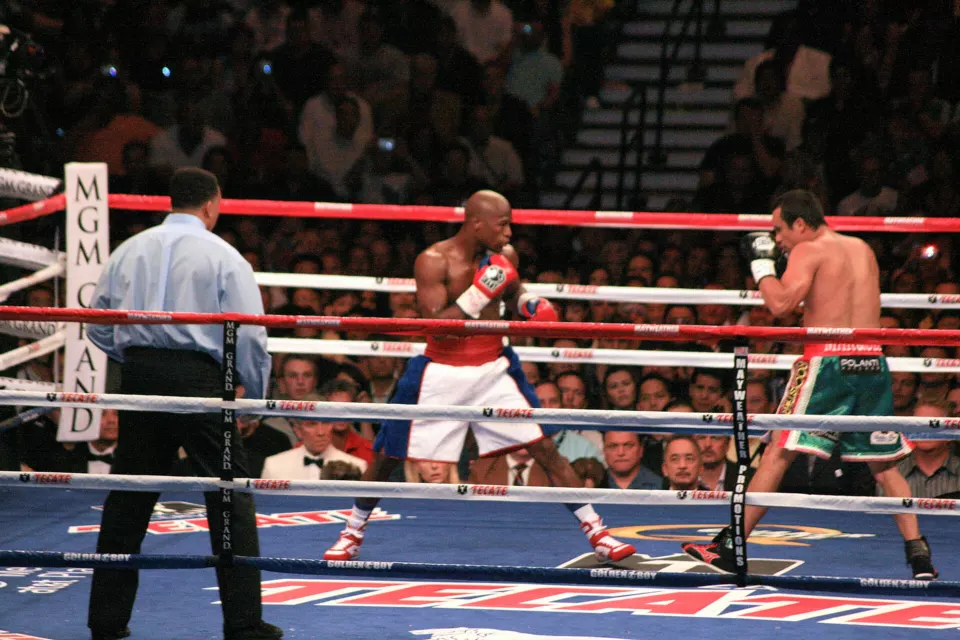
The size difference showed. A Mayweather left hook put Márquez down in the second round, and the rest of the fight was one-sided. The judges scored it 120-107, 119-108 and 118-109 for Mayweather. The event drew more than a million pay-per-view buys.
Pacquiao III and IV: Robbery, Then Redemption
The third Pacquiao fight, on November 12, 2011, at the MGM Grand, was a welterweight bout. The judges gave Pacquiao a majority decision, and the result was so disputed that The Ring's voters named it the Robbery of the Year.
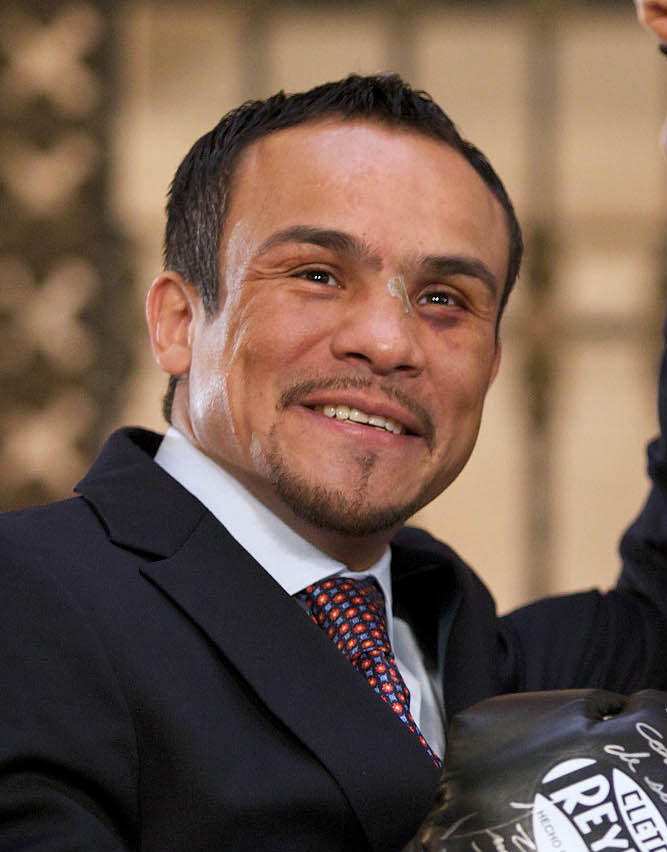
In April 2012, in front of a home crowd at the Arena Ciudad de México, Márquez beat Serhiy Fedchenko on scores of 119-109, 118-110 and 118-110 for the WBO junior welterweight belt, which Wikipedia lists as the interim title. ESPN counts it as the fourth division in which he won a world title. Then, on December 8, 2012, back at the MGM Grand, came the fourth fight. Márquez dropped Pacquiao in the third round and was dropped himself in the fifth. With a second left in the sixth, he landed an overhand right that knocked Pacquiao out. The Ring named it both Fight and Knockout of the Year, and Márquez its Fighter of the Year. That night is covered in more detail in RingTalk's separate account of the fourth fight.
Last Fights, Retirement and Canastota
Márquez boxed twice more. On October 12, 2013, at the Thomas & Mack Center in Las Vegas, he lost a split decision to Timothy Bradley for the WBO welterweight title. On May 17, 2014, at the Forum in Inglewood, California, he beat Mike Alvarado by unanimous decision. It was his last professional fight. ESPN reports that a knee injury kept him out afterwards.
He made it official on August 4, 2017, a few weeks before his 44th birthday. "The injuries pushed me to make this decision," he said, as reported by Boxing News. He finished with a record of 56 wins, 7 losses and 1 draw, with 40 knockouts. By then he had also begun working as a television analyst; Wikipedia notes his role on ESPN's Spanish-language programme Golpe a Golpe.
Márquez appeared on the International Boxing Hall of Fame ballot for the first time in the autumn of 2019, and he was elected as part of the class of 2020. According to Pulse News Mexico, he was formally enshrined in Canastota, New York, in June 2022. The accountant from Iztacalco had closed his books with a record few of his contemporaries could match.
Sources
- Juan Manuel Márquez, Wikipedia (accessed October 2026)
- Floyd Mayweather Jr. vs. Juan Manuel Márquez, Wikipedia (accessed October 2026)
- Juan Díaz (boxer), Wikipedia (accessed October 2026)
- Bernard Hopkins, Juan Manuel Marquez headline Hall of Fame ballot, ESPN, October 1, 2019
- Juan Manuel Marquez retires, Boxing News (John Dennen), August 4, 2017
- On the Mark: Juan Manuel Márquez, Mexican Boxing Legend, Pulse News Mexico, June 27, 2022


