
Willie Pep the Will o' the Wisp Survived a Plane Crash and Four Fights With Sandy Saddler
Willie Pep won 62 straight fights, became featherweight champion at 20, survived a 1947 plane crash, and fought Sandy Saddler four times. He finished with more than 240 bouts and a legend that the record does not support.

Willie Pep turned professional at seventeen, won 62 fights in a row, held the world featherweight title at twenty and then nearly lost everything in a 1947 plane crash. He came back to fight on, met Sandy Saddler four times, and by most counts finished with more than 240 professional bouts. He also left behind a story about winning a round without throwing a punch, and the evidence for that story is weak.
Guglielmo Papaleo of Middletown, Connecticut
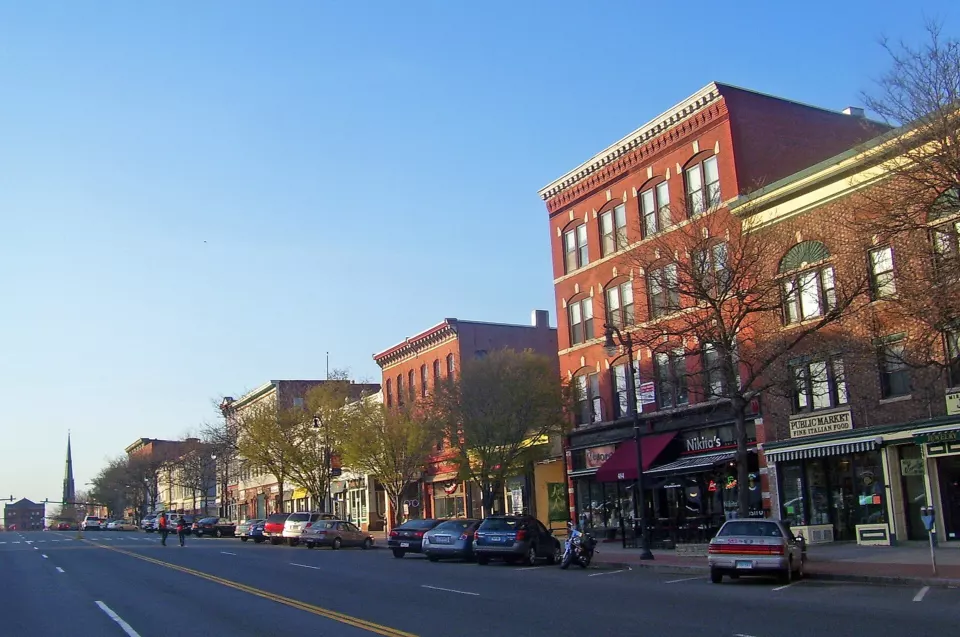
Pep was born Guglielmo Papaleo on September 19, 1922, in Middletown, Connecticut. He started boxing as an amateur in 1937 and on July 10, 1940, in Hartford, he made his professional debut with a decision over James McGovern. The ring name Willie Pep stayed with him for the rest of his life.
He was small even for a featherweight, about five foot six, and he did not depend on knockouts. He won by moving: feints, angles, footwork, and a habit of being somewhere else when the punch arrived. He was nicknamed "Will o' the Wisp," and the name stuck because it described what opponents went through trying to hit him.
Sixty-Two Without a Loss
Through 1940, 1941 and most of 1942 Pep kept winning, fighting at a pace few modern boxers would attempt. Wikipedia's account of his career has him unbeaten in his first 52 bouts when he got his first world title chance in late 1942. The streak ran to 62 before he lost for the first time, a 10-round decision to Sammy Angott at Madison Square Garden on March 19, 1943.
According to The Washington Post obituary, Pep then won 73 fights in a row after the Angott defeat.
Champion at Twenty: The Chalky Wright Fight
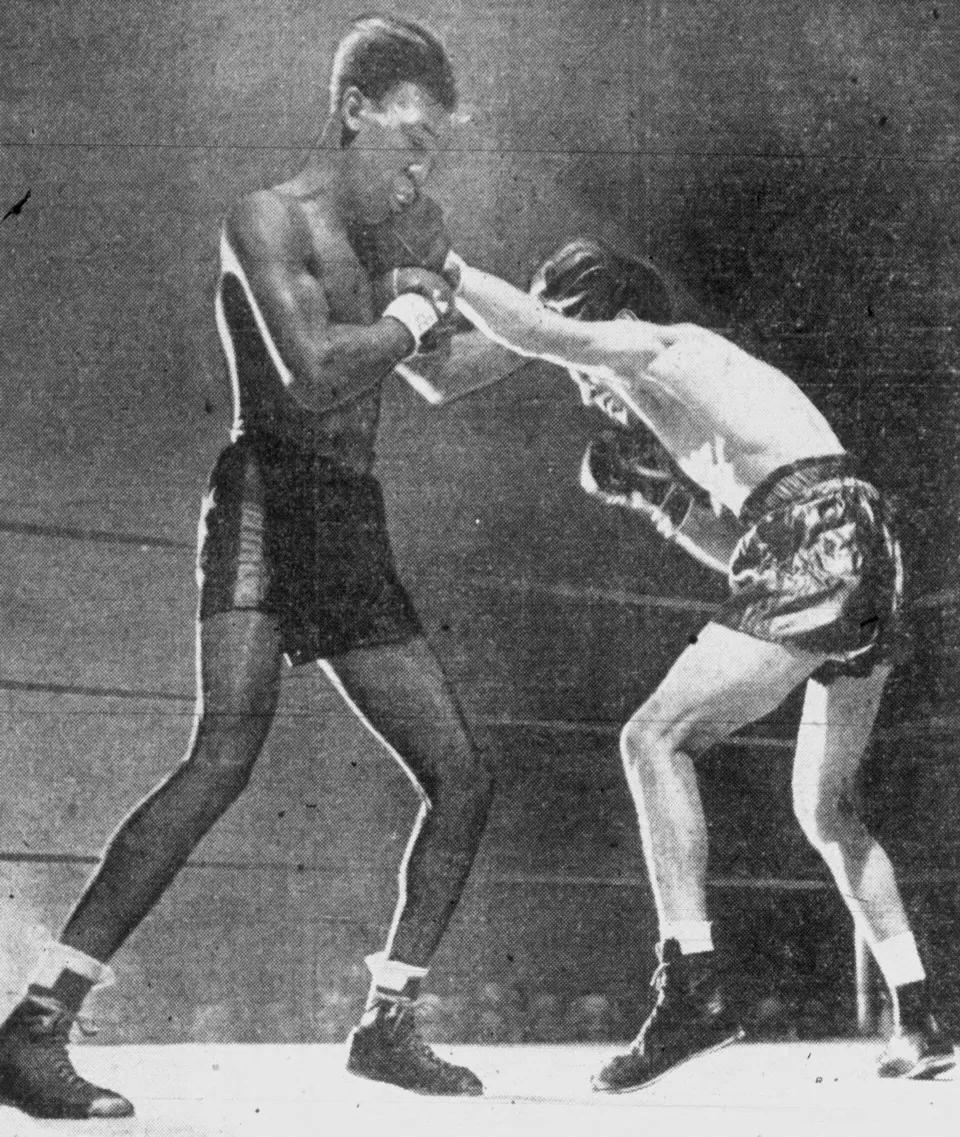
On November 20, 1942, at Madison Square Garden, Pep outpointed Chalky Wright over 15 rounds and won the featherweight championship recognised by the New York State Athletic Commission. He was 20 years old. In those years the title was split between New York and the National Boxing Association, and Pep did not hold both until June 7, 1946, when he stopped Sal Bartolo in the 12th round to add the NBA belt. Sources describe his first reign as lasting about six years, from 1942 to 1948.
The Snowstorm Crash of 1947
In January 1947, Wikipedia dates it January 5, Pep was a passenger on a plane that went down in a snowstorm in New Jersey. The WBA's profile places the crash near Millville. His injuries were serious: accounts agree on a broken leg and a broken back, which the WBA describes as two fractured vertebrae, and The Washington Post obituary adds a period of temporary paralysis in the lower body. Boxing News and 3Kings Boxing both report that he spent five months in a cast. 3Kings adds that doctors told him he would not fight again.
The sources do not agree on the details. Boxing News and 3Kings say several people on board died, while the WBA article puts the toll at about twenty. The Washington Post obituary, as reprinted by The Seattle Times, dates the crash to 1946 instead of January 1947. No source we read could settle the death toll, so it is left open here.
The comeback was quick. Boxing News reports that Pep was back in the ring about two months after the cast came off, beat Victor Flores over ten rounds, and defended his world title roughly two months later. Wikipedia says he fought ten times in 1947 and lost none of them.
Four Nights With Sandy Saddler
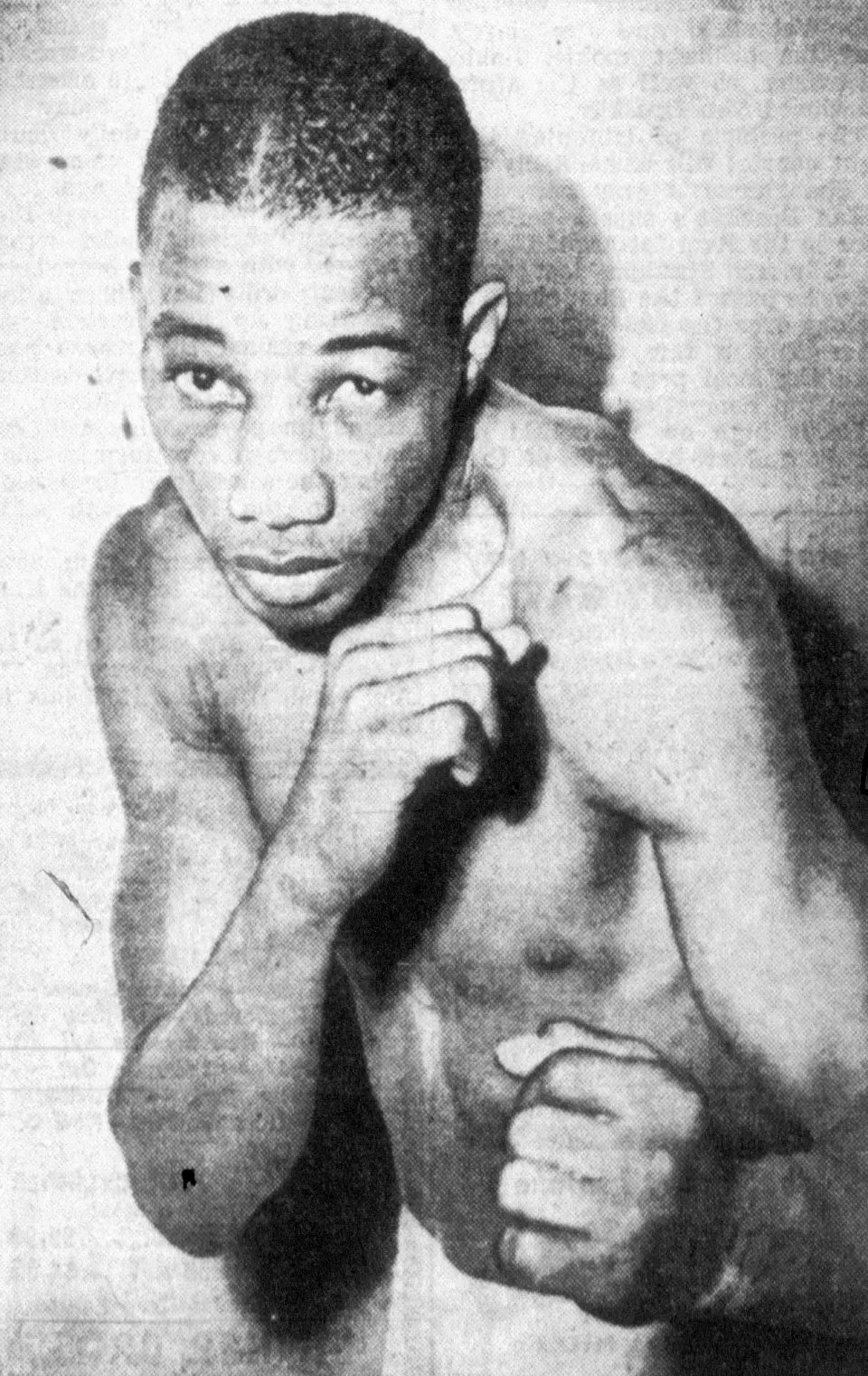
Sandy Saddler, born in Boston in 1926, is ranked fifth on The Ring magazine's list of the 100 greatest punchers. On October 29, 1948, at Madison Square Garden, he went in as the underdog against Pep. According to Saddler's Wikipedia biography, he put Pep down four times and won by knockout in the fourth round, ending Pep's first reign.
The rematch, on February 11, 1949, again at the Garden, went the other way. Pep boxed for fifteen rounds, won the decision, and got the title back. Boxing News writes that Pep later called it the greatest fight for both men. It is the only win he ever had against Saddler.
The third fight was held outdoors at Yankee Stadium on September 8, 1950. Pep did not come out after the eighth round because of a separated shoulder, and Saddler was champion again. The fourth, at the Polo Grounds on September 26, 1951, ended after nine rounds with Pep cut badly over the right eye. Saddler's Wikipedia page notes that this last fight is widely described as one of the dirtiest championship bouts on record. Boxing News reports that Pep was banned for life in New York over fouls including butting, thumbing and wrestling, and that the ban was later cut to 21 months.
The WBA's profile says Saddler won three of the four fights, two of them inside the distance, which matches the other sources, but it also dates the last meeting to February 1949. The dates used here follow Wikipedia and The Washington Post.
The Round Without a Punch: Legend and Record
The most repeated Pep story comes from a fight with Jackie Graves in Minneapolis on July 25, 1946. In the usual version, Pep told reporters before the bout that he would win the third round without throwing a punch, then did it by slipping, feinting and spinning out of range until the judges scored the round for him.
The evidence is thin. Wikipedia lists the claim as disputed and notes that contemporary newspaper reports describe toe-to-toe exchanges with no mention of a punchless round. Boxing News goes further and calls it a myth. Pep's own later explanation, as quoted by Boxing News and 3Kings Boxing, was that he made Graves miss so badly that the round went to him. That is a story he told years later, not a scorecard. It is best read as a legend that fit the way he boxed.
The Long Goodbye
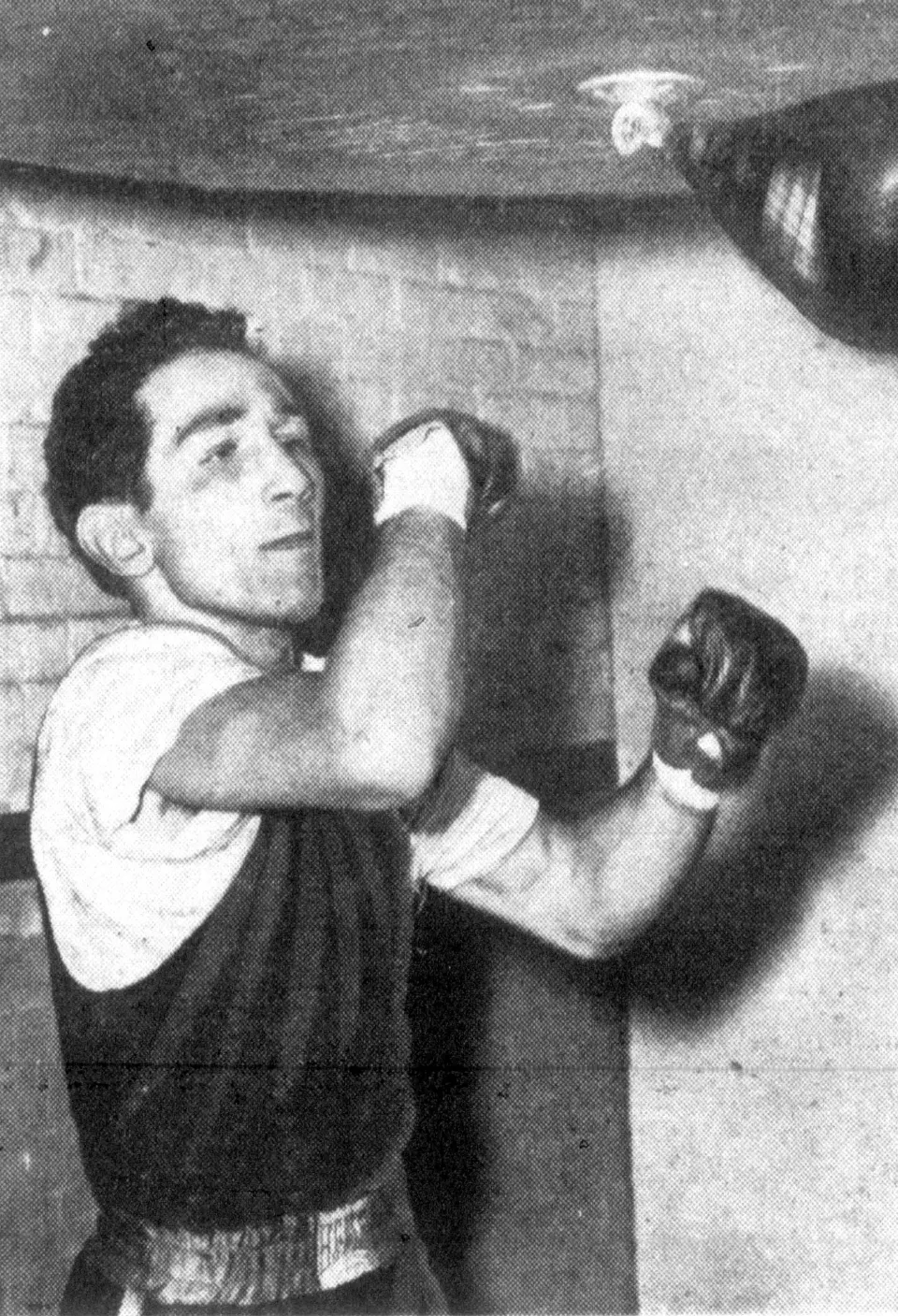
Pep did not stop after Saddler. He fought on through the 1950s and retired in 1960. He came back in 1964 and, by The Washington Post's count, went 43 wins and 5 losses before his last bout, a six-round decision loss to Calvin Woodland on March 16, 1966. The final record differs slightly by source: Wikipedia gives 229 wins, 11 losses and 1 draw, while the 2006 obituaries cite 230 wins. All agree on 65 knockouts. Only 11 losses in about 241 fights over 26 years is a remarkable figure.
After boxing he worked as a referee and as a Connecticut boxing inspector, according to The Washington Post. The paper also reports that he married six times. Boxing News writes that gambling and generosity took most of his earnings. In 1990 he entered the International Boxing Hall of Fame in its first class, alongside Saddler. The Associated Press named him the best featherweight of the 20th century. Historian Hank Kaplan told The Washington Post that Pep "was probably the greatest pure boxer that ever lived."
His last years were spent in an Alzheimer's unit. Willie Pep died on November 23, 2006, in Rocky Hill, Connecticut. He was 84.
Sources
- Willie Pep, Wikipedia, accessed October 2026
- Sandy Saddler, Wikipedia, accessed October 2026
- Willie Pep, featherweight boxing champ, dies at age 84, The Washington Post (reprinted by The Seattle Times), November 26, 2006
- Farewell to Willie Pep, a magical boxer, Boxing News, November 23, 2019
- A Look Back: Willie Pep, Chris Henderson, 3Kings Boxing WorldWide, November 23, 2017
- Willie Pep: A Featherweight Like No Other, World Boxing Association, November 10, 2025


