
Mancini vs Kim in 1982 Was the Las Vegas Title Fight That Took Boxing From 15 Rounds to 12
Kim Duk-koo collapsed after Ray Mancini stopped him in the 14th round at Caesars Palace in November 1982 and never woke. His death, and the tragedies that followed, led the WBC to cut title fights to 12 rounds and pushed new safety rules across the sport.

On 13 November 1982 a WBA lightweight title fight at Caesars Palace ended 19 seconds into the 14th round. The loser, South Korea's Kim Duk-koo, never regained consciousness. His death reached far beyond one family and one ring, and it is the reason world championship fights are now scheduled for twelve rounds rather than fifteen.
A Challenger From Gangwon Province
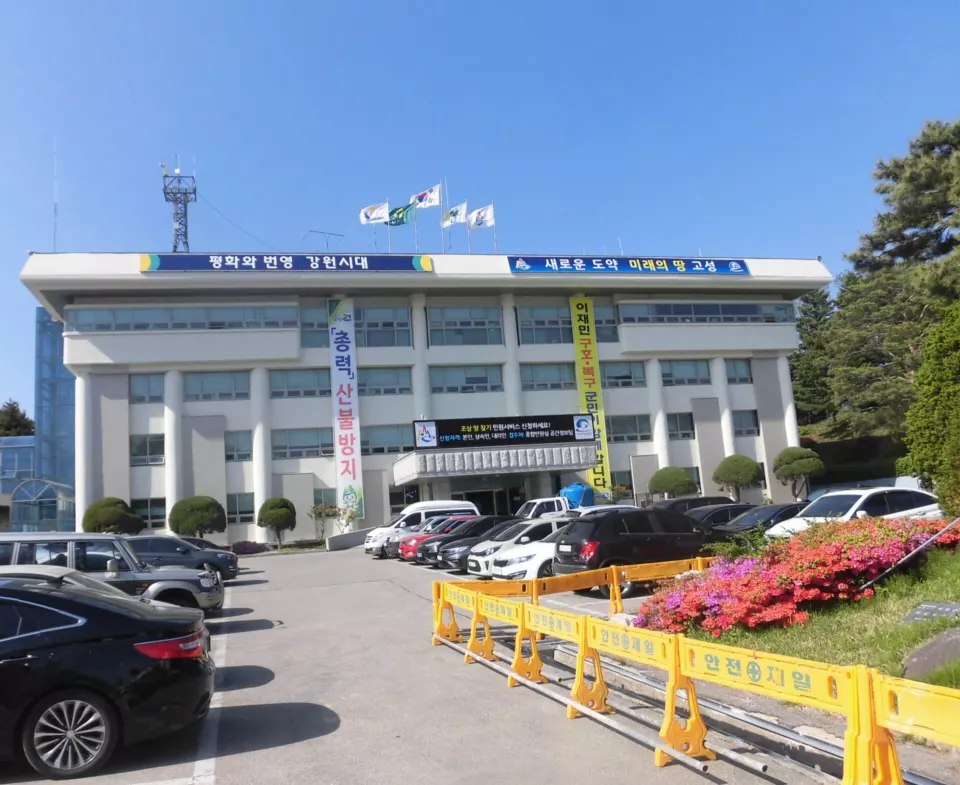
Kim was born on 29 July 1955 in Goseong County, Gangwon Province, on South Korea's east coast. Wikipedia's account says he was the youngest of five children and lost his father at the age of two. The family was poor. A UPI dispatch written in the days after his death described him as a former street peddler and shoeshine boy who had moved to Seoul as a teenager, and The Korea Herald later recalled a young man who slept on the floor of the gym where he trained.
Accounts of his early boxing differ. Wikipedia credits him with a 29-4 amateur record before he turned professional in 1978; the 1982 UPI report said he had turned professional with no amateur experience at all. What is not disputed is the climb that followed: a Korean national title, then the Orient and Pacific Boxing Federation lightweight championship in February 1982, which carried him to the top of the WBA rankings. He arrived in Las Vegas with a record of 17 wins, one loss and one draw, according to Wikipedia's fight article, having boxed abroad only once before, in the Philippines.
The Champion and the Purse Gap
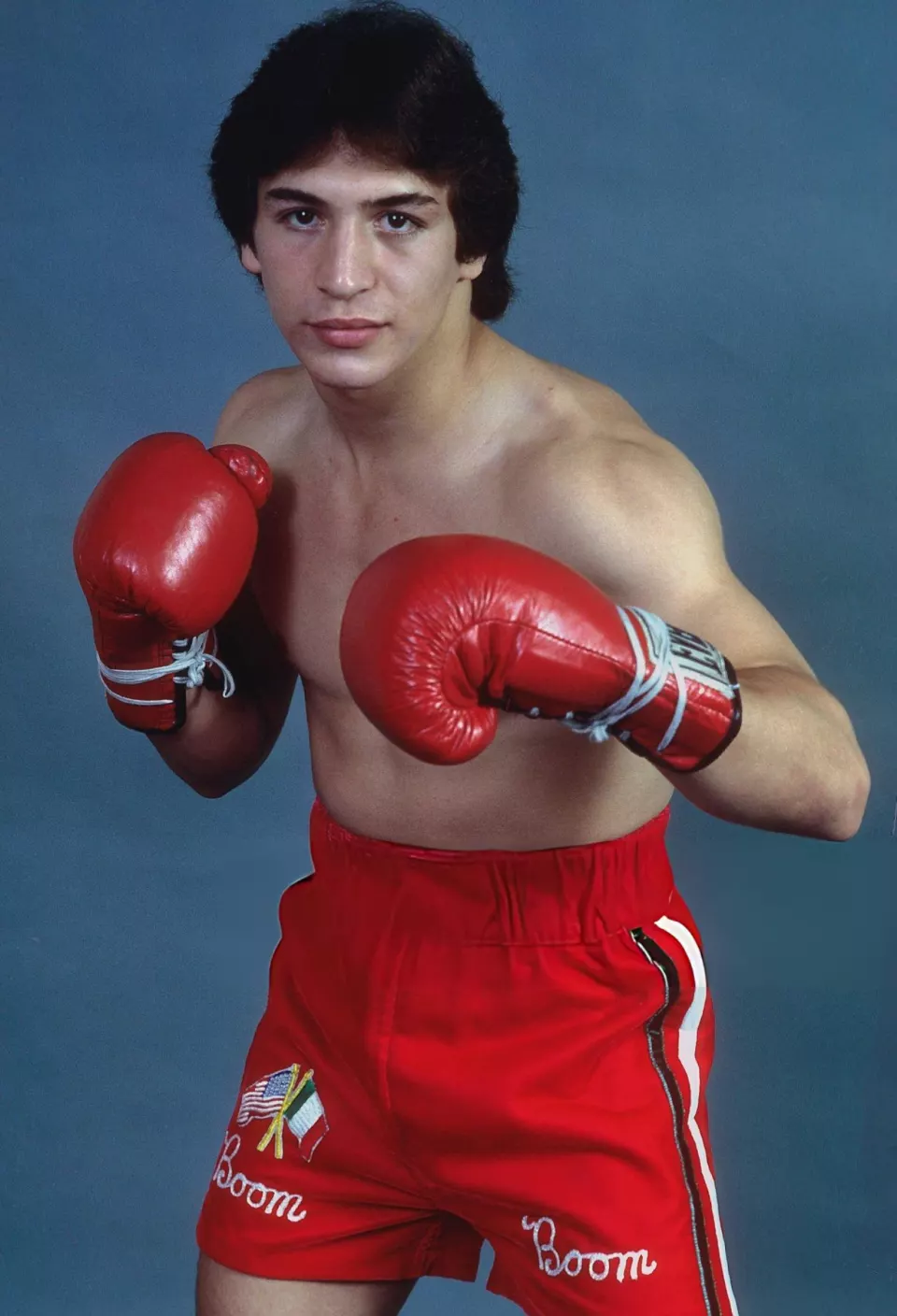
The man waiting for him was Ray "Boom Boom" Mancini of Youngstown, Ohio, 21 years old and 24-1 as a professional, who had taken the WBA belt by stopping Arturo Frias in the first round in May 1982. Mancini was one of the most marketable fighters in America, and the gap between the two corners showed in the money: UPI and Wikipedia both put Mancini's purse at 250,000 dollars and Kim's at 20,000.
Kim had struggled to make the 135-pound limit. Several sources record his grim pre-fight mood. UPI quoted him calling the bout a fight to the finish in which one of the two men would be finished, and Wikipedia reports that he wrote a phrase meaning "kill or be killed" on a lampshade in his hotel room. Writing for ESPN 25 years later, Ron Borges argued that the weight cut had left Kim drained before the first bell.
Thirteen Hard Rounds on CBS
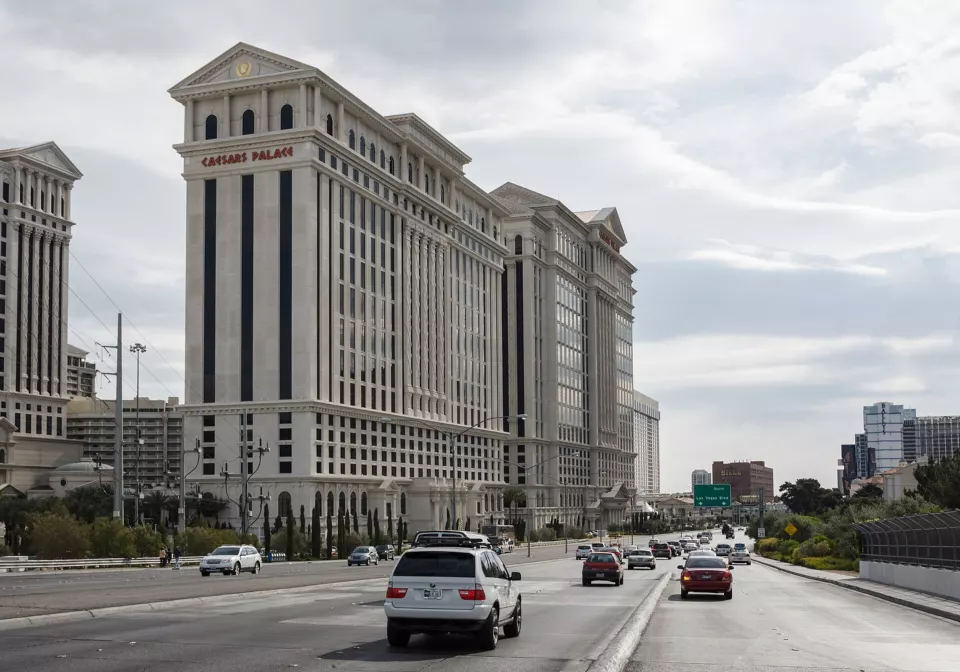
The bout was staged outdoors at Caesars Palace and broadcast live across the United States by CBS. The Korea Herald put the crowd at about 10,000. For long stretches it was an even fight. Kim tore open Mancini's left ear and the champion's left eye swelled badly; Mancini also hurt his left hand in the third round. Referee Richard Green docked Kim a point in the tenth for holding and hitting.
From the 11th round the champion took over. Early in the 13th Mancini threw a long, unanswered combination; Wikipedia counts it at 39 punches and Borges at roughly 40. Kim survived the round. Agence France-Presse, looking back in 2012, described both men's faces as so swollen by then that they were struggling to see.
Nineteen Seconds Into the 14th
Mancini opened the 14th by driving Kim back and landing right hands. Kim went down, pulled himself up using the ropes, and Green waved the fight off at 0:19 of the round. Within minutes Kim collapsed and slipped into a coma. Dr. Donald Romeo had him rushed to Desert Springs Hospital, where a scan showed a subdural hematoma, bleeding between the brain and its outer covering. Neurosurgeon Lonnie Hammargren operated for about two hours to remove the clot. The operation could not save him.
Kim's mother, Yang Sun-nyo, was flown to Las Vegas, with help from the South Korean government according to The Korea Herald. She agreed to end life support and to donate his organs. UPI quoted her explanation that through the transplants her son's fighting spirit could be given to others.
The date of death is reported two ways. Wikipedia says Kim was legally declared dead on the evening of 17 November, four days after the fight, and gives 18 November as the date of death; UPI reported him declared dead on the Wednesday night, which was 17 November. That is why AFP and The Korea Herald write "four days later" while ESPN and Wikipedia say five.
A Chain of Grief
The loss did not end in Las Vegas. A few months later Kim's mother took her own life by drinking pesticide. Wikipedia and The Korea Herald place this three months after the fight; AFP and ESPN say four months. The Korea Herald quoted a note in which she blamed her own poverty for her son's choice of career. On 1 July 1983 Richard Green, the referee, also died by suicide.
Kim had been engaged to Lee Young-mee, who was pregnant when he died. Their son, Kim Chi-wan, was born in July 1983 and later became a dentist.
Mancini considered quitting. He cancelled his next defence and boxed again only in February 1983. Promoter Bob Arum told ESPN that afterwards Mancini "was never the same." He held the title until he lost it to Livingstone Bramble in Buffalo in June 1984.
Fifteen Rounds Become Twelve
The most visible change came quickly. At its annual convention in December 1982 the World Boxing Council voted to cut its championship fights from 15 rounds to 12, effective 1 January 1983. Borges noted that the decision rested on studies showing that injuries rose sharply in the final three rounds. The other bodies took longer: the WBA adopted the 12-round limit in 1987, and the IBF is dated to 1987 by some sources and to a June 1988 vote by Wikipedia's fight article. The WBO, founded in 1988, used twelve rounds from the start.
Other changes followed. Nevada introduced the standing eight count and a mandatory suspension for fighters coming off a knockout loss, initially 45 days. Pre-fight medical checks, which had largely consisted of blood pressure and pulse readings, grew to include electrocardiograms and brain and lung examinations. AFP's 2012 retrospective summed up the package as shorter title fights, the standing count and a rebuilt medical testing regime. Wikipedia also traces a longer line to later Nevada rules on weight cutting, hydration and brain-health testing, introduced after further ring deaths in 2005, with brain-health testing made mandatory in 2016.
A Meeting in Santa Monica
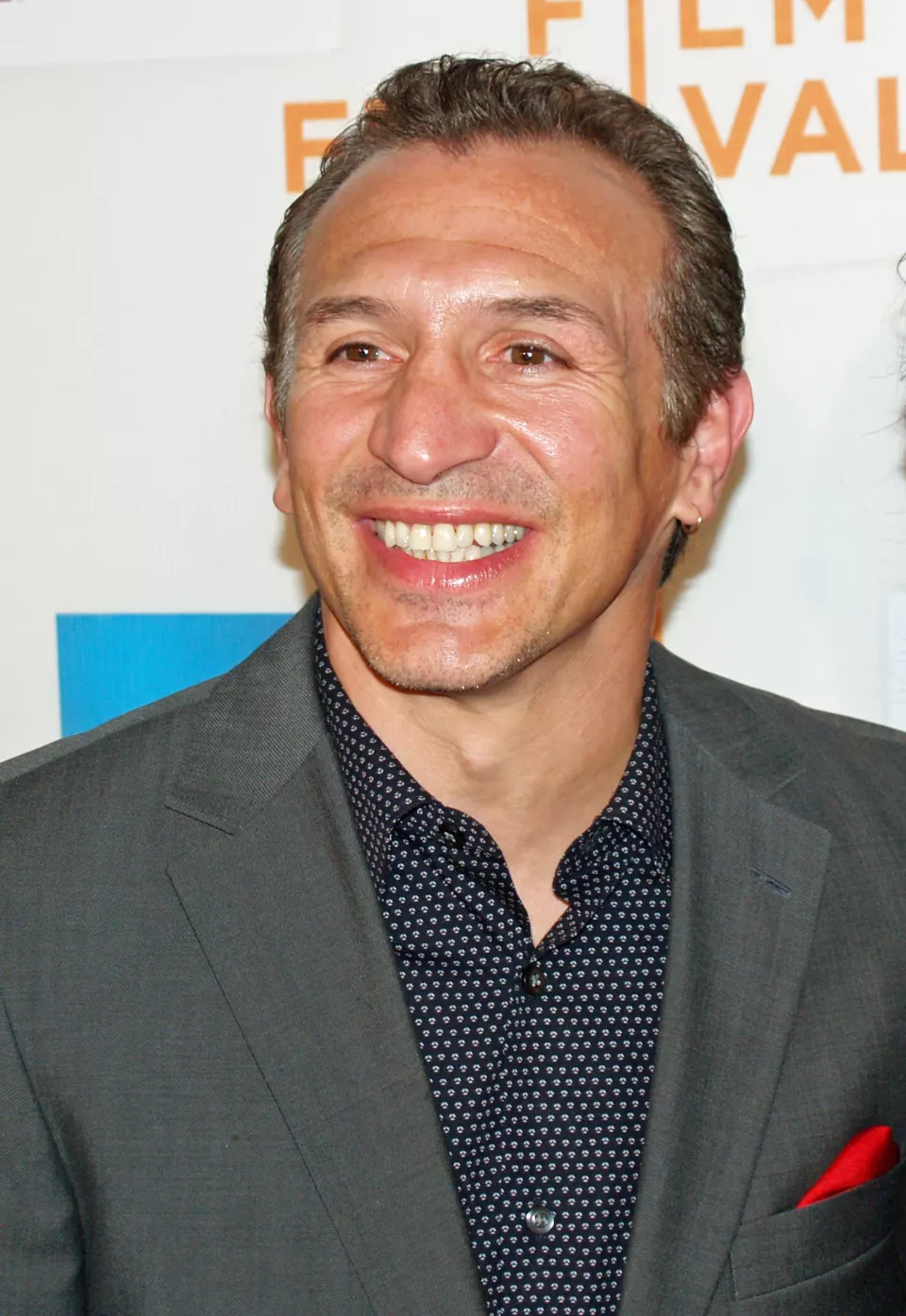
Almost three decades on, author Mark Kriegel, then writing his Mancini biography The Good Son, arranged for Lee Young-mee and Kim Chi-wan to meet the former champion in California. Wikipedia dates the visit to 2011 and AFP to June 2011. According to AFP, the son told Mancini that the death was not his fault. Kriegel told the agency that Mancini had been haunted in every obvious way, and had also come through it.
Kim Duk-koo's life was later dramatized in the 2002 Korean film Champion, and his name became the title of a long song by the band Sun Kil Moon. In boxing itself he is remembered most clearly every time a world title fight ends at the twelfth bell.
Sources
- Ray Mancini vs. Kim Duk-koo, Wikipedia, accessed October 2026
- Kim Duk-koo, Wikipedia, accessed October 2026
- Duk Koo Kim, born in poverty, ironically may provide..., UPI, 20 November 1982
- Twenty-five years is a long time to carry a memory, Ron Borges, ESPN, 13 November 2007
- The tragic title fight that changed boxing, Agence France-Presse via Arab News, 9 November 2012
- [History Through The Korea Herald] How tragedy of Kim Duk-goo changed boxing forever, The Korea Herald, 19 April 2023


