
How Jack Sharkey the Boston Gob Went From the Navy to the Heavyweight Championship
Born Joseph Paul Zukauskas to Lithuanian immigrants in Binghamton, Jack Sharkey learned to box in the US Navy, fought Dempsey, Schmeling, Carnera and Louis, and held the heavyweight title from 1932 to 1933.

Joseph Paul Zukauskas, the son of Lithuanian immigrants, left home with almost nothing, learned to fight in the US Navy and came back to the ring as Jack Sharkey, "The Boston Gob." He traded punches with Jack Dempsey, lost and then won against Max Schmeling in two of the most argued-over heavyweight fights of the era, held the championship for one year, and lived another six decades after his last fight.
From Binghamton to Boston
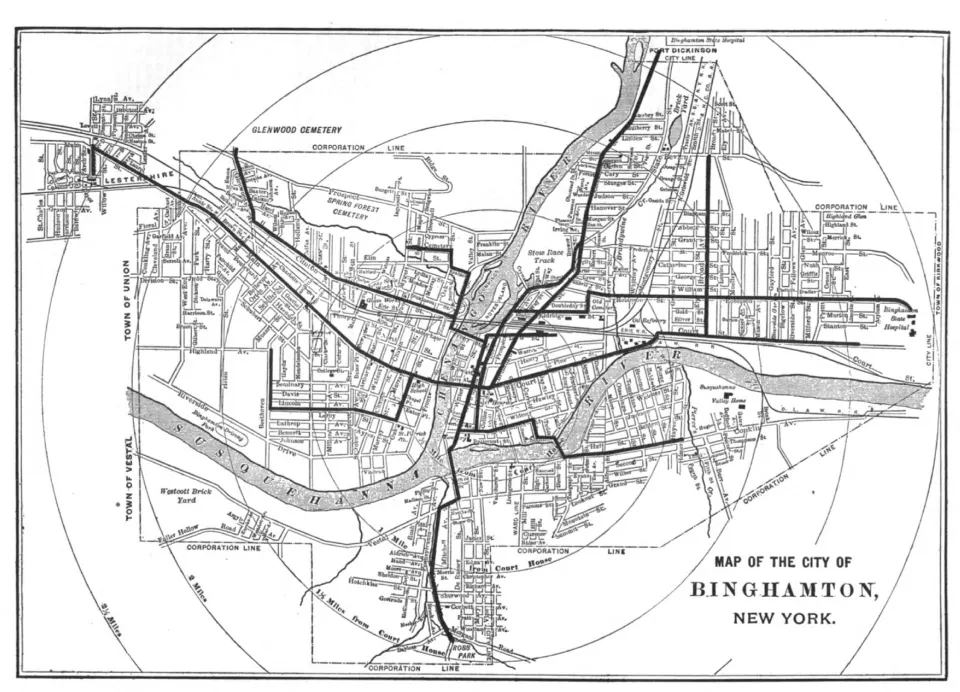
Sharkey was born Joseph Paul Zukauskas in Binghamton, New York, to parents who had emigrated from Lithuania. Most references give his birth date as October 26, 1902; a Boston history timeline lists the year as 1903, a small discrepancy that runs through some of the older records. He grew up in the Boston area, where, according to The Fight City, he fished for bass and eels by hand.
He did not stay at home long. The New England Historical Society describes a teenager who ran away, worked behind bars and shoveled coal, and finally joined the Navy carrying five cents. That enlistment changed the direction of his life.
A Sailor Who Learned to Fight
The accounts of how he started boxing differ in their details. The Fight City writes that he was pushed into his first bout as a substitute, told he would lose shore leave if he refused, and that he went on to become champion of the Atlantic Fleet. The New England Historical Society puts his Navy record at 38 fights, while other summaries say he simply told a Boston promoter he had a long string of Navy bouts behind him in order to get a paid four-rounder.
What the sources agree on is the name. Boston's boxing scene of the early 1920s was dominated by Irish fighters and fans, and "Zukauskas" was considered a hard sell. The young sailor borrowed his ring name from two men he admired: the first name of Jack Dempsey and the surname of the old heavyweight contender Tom Sharkey. The Fight City credits his manager Johnny Buckley with putting the two together. Sharkey turned professional in 1924, fighting early cards at Boston's Mechanics Building, and newspapers soon called him "The Boston Gob," old slang for a sailor.
Climbing the Heavyweight Ladder
Sharkey's rise was quick. In 1926 he beat the leading Black contender Harry Wills when Wills was disqualified in the 13th round. In 1927 he defeated the former light-heavyweight champion Mike McTigue and stopped Jim Maloney. By the summer he was one fight away from a shot at the champion, Gene Tunney.
Yankee Stadium, 1927: The Turn of the Head
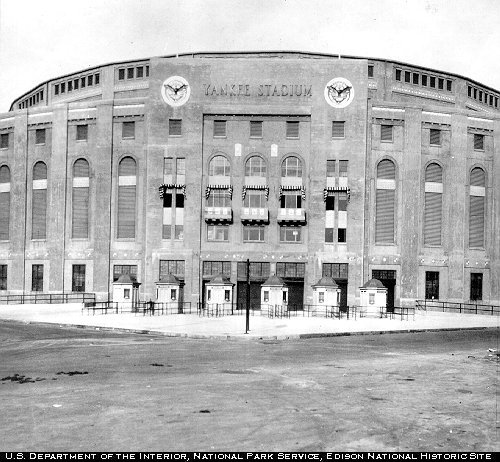
On July 21, 1927, Sharkey met Jack Dempsey, the man whose name he had borrowed, at Yankee Stadium. The winner was in line to face Tunney. Boxing Over Broadway reports a crowd of about 82,000 and a gate of $1,083,530, and notes that the younger Sharkey went in as a 7-5 betting favorite.
For six rounds he looked the better man, landing uppercuts and jabs while Dempsey kept digging at the body. In the seventh, after punches that Sharkey felt had landed below the belt, he turned toward referee Jack O'Sullivan to complain. Dempsey threw a short left hook into the opening, and Sharkey went down and was counted out. The referee did not accept the foul claim. Historians still disagree over whether the punches were low; Boxing Over Broadway's Bobby Franklin argues the decisive blow was legal and that Sharkey simply forgot to protect himself.
The Fight City records Sharkey shrugging off the loss afterward: "Aw, shut up. It's all in the game."
A Title Lost on the Canvas: Schmeling, 1930
Tunney retired in 1928 and left the heavyweight championship vacant. Sharkey kept winning: a draw with Tom Heeney and a first-round knockout of Jack Delaney in 1928, then victories over Young Stribling in Miami Beach and Tommy Loughran in 1929. That put him in the ring with Germany's Max Schmeling at Yankee Stadium on June 12, 1930, for the vacant title.
Sharkey had the better of the early rounds and shook Schmeling in the third. In the fourth he threw a left that landed in the groin, and Schmeling went down. With Schmeling's manager Joe Jacobs climbing into the ring and the arena in chaos, the referee disqualified Sharkey. Schmeling became the first man to win the world heavyweight championship on a foul. According to The Fight City, he told Fight Stories, "I do not want to be champion this way."
The Rematch of 1932 and "We Wuz Robbed"
In October 1931 Sharkey beat the giant Italian Primo Carnera over 15 rounds at Ebbets Field, keeping himself at the front of the queue. The rematch with Schmeling took place on June 21, 1932, at the Madison Square Garden Bowl in Long Island City, Queens.
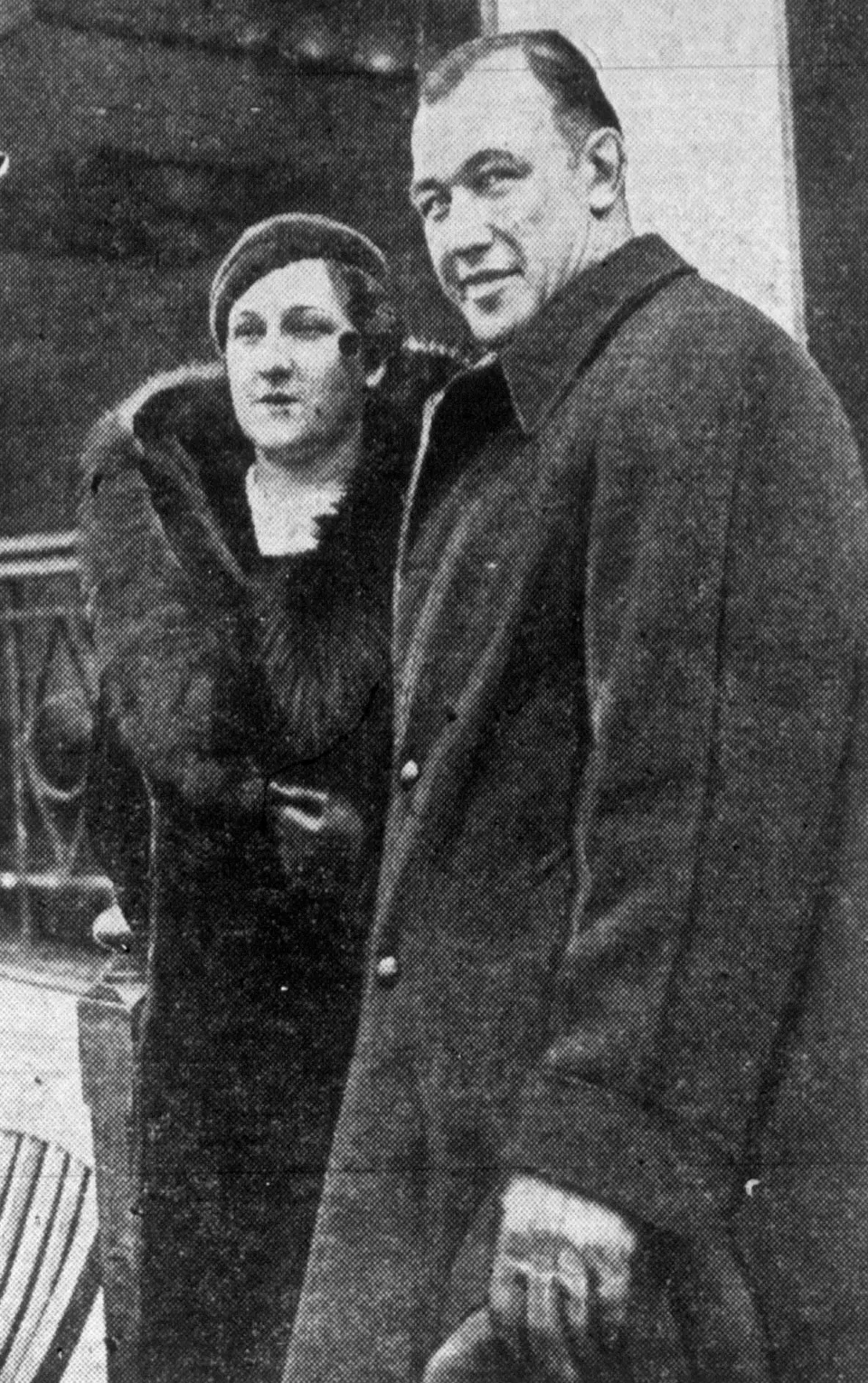
This time there was no foul. Sharkey won a split decision over 15 rounds and with it the New York State Athletic Commission, National Boxing Association and The Ring heavyweight titles. Many at ringside thought otherwise. Wikipedia's Schmeling article notes that Gene Tunney and New York's mayor were among those who believed the German had been robbed, and The New York Times, as quoted by The Fight City, judged the fight lacking in thrills. Jacobs gave the night its lasting legacy: the New England Historical Society credits him with the line "We wuz robbed," which entered American slang. The Ring nevertheless named Sharkey its Fighter of the Year for 1932.
One Punch in Queens: Carnera, 1933
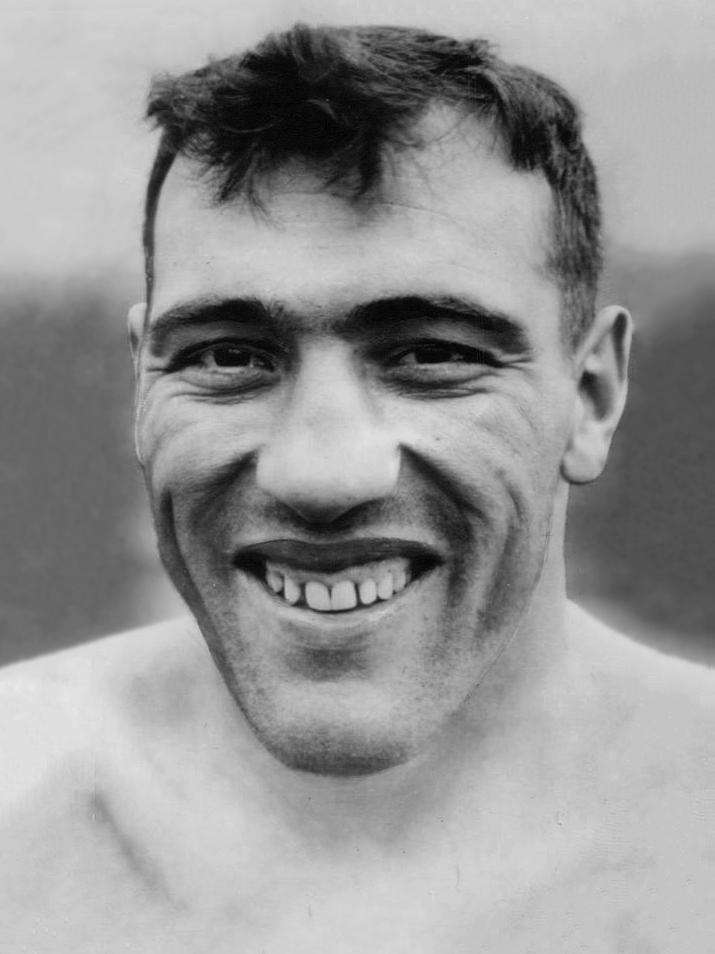
Sharkey's reign lasted one year. On June 29, 1933, he defended against Carnera at the same Garden Bowl in front of about 40,000 people. In the sixth round Carnera landed a right uppercut and Sharkey fell to the canvas and was counted out. The Fight City notes that the way he went down looked odd, and that the Associated Press reported he had to be told what had happened.
The fight has carried a shadow ever since. Carnera's career was managed by figures with organized-crime ties, and boxing historian Herbert Goldman has called him heavily mob-controlled. Sharkey himself later claimed the fight was fixed. No proof was ever produced, and the allegation remains just that.
Joe Louis and the Last Bell
After losing the title, Sharkey won only twice in seven fights, according to The Fight City. On August 18, 1936, he faced the rising Joe Louis at Yankee Stadium and was knocked out in the third round. That result left him with a unique distinction: he is the only man to have fought both Jack Dempsey and Joe Louis. He had no illusions afterward, saying, as quoted by The Fight City, "Louis convinced me that I have no business in trying to continue." His final record stood at 38 wins (13 by knockout), 14 losses and 3 draws.
Tavern Owner, Referee and Fly Fisherman
Retirement was long. Sharkey ran a tavern in Boston; one timeline places Sharkey's Ringside Tavern on Causeway Street, and the sources disagree on when it closed, with the New England Historical Society giving 1943 and another account 1954. He took up refereeing in both boxing and wrestling. His best-known assignment came on December 10, 1958, at the Forum in Montreal, when he refereed Archie Moore's light-heavyweight title defense against Yvon Durelle. Moore was knocked down three times in the first round and again in the fifth before stopping Durelle in the 11th. Sharkey also refereed their rematch on August 12, 1959.
The other passion was fishing. Sharkey settled in Epping, New Hampshire, became a skilled fly caster and gave casting demonstrations across North America, at times alongside the Red Sox star Ted Williams. He liked to point out that fishing paid less than boxing, but that fish did not punch back.
He was inducted into the International Boxing Hall of Fame in 1994. Jack Sharkey died on August 17, 1994, in Beverly, Massachusetts, at the age of 91.
Sources
- Jack Sharkey, Wikipedia, accessed October 2026
- Max Schmeling, Wikipedia, accessed October 2026
- Primo Carnera, Wikipedia, accessed October 2026
- Fight City Legends: The Boston Gob. The Tale Of Jack Sharkey, Patrick Connor, The Fight City, June 2, 2025
- We Wuz Robbed, or How Jack Sharkey Boxed His Way to a Catchphrase, New England Historical Society, updated 2026
- Dempsey vs Sharkey: Protect Yourself At All Times, Bobby Franklin, Boxing Over Broadway, July 20, 2017
- Jack Sharkey vs Joe Louis, Boxing Over Broadway, January 2, 2017
- Sharkey, Jack, is born in Binghamton, New York, When and Where in Boston, accessed October 2026


