
Carmen Basilio the Onion Farmer From Canastota Beat Sugar Ray Robinson
Carmen Basilio left an onion farm in Canastota, New York, to win the welterweight title twice and take the middleweight crown from Sugar Ray Robinson in 1957. He lost the rematch on a split decision in 1958, fighting with one eye swollen shut.

Carmen Basilio grew up pulling onions out of the ground in Canastota, New York, and became one of the hardest men of boxing's 1950s. He took the welterweight title from Tony DeMarco, lost it and won it back from Johnny Saxton, and in 1957 crossed into the middleweight division to beat Sugar Ray Robinson at Yankee Stadium. Six months later he lost the rematch on a split decision, fighting most of the night with one eye.
Ten Children and an Onion Farm in Canastota
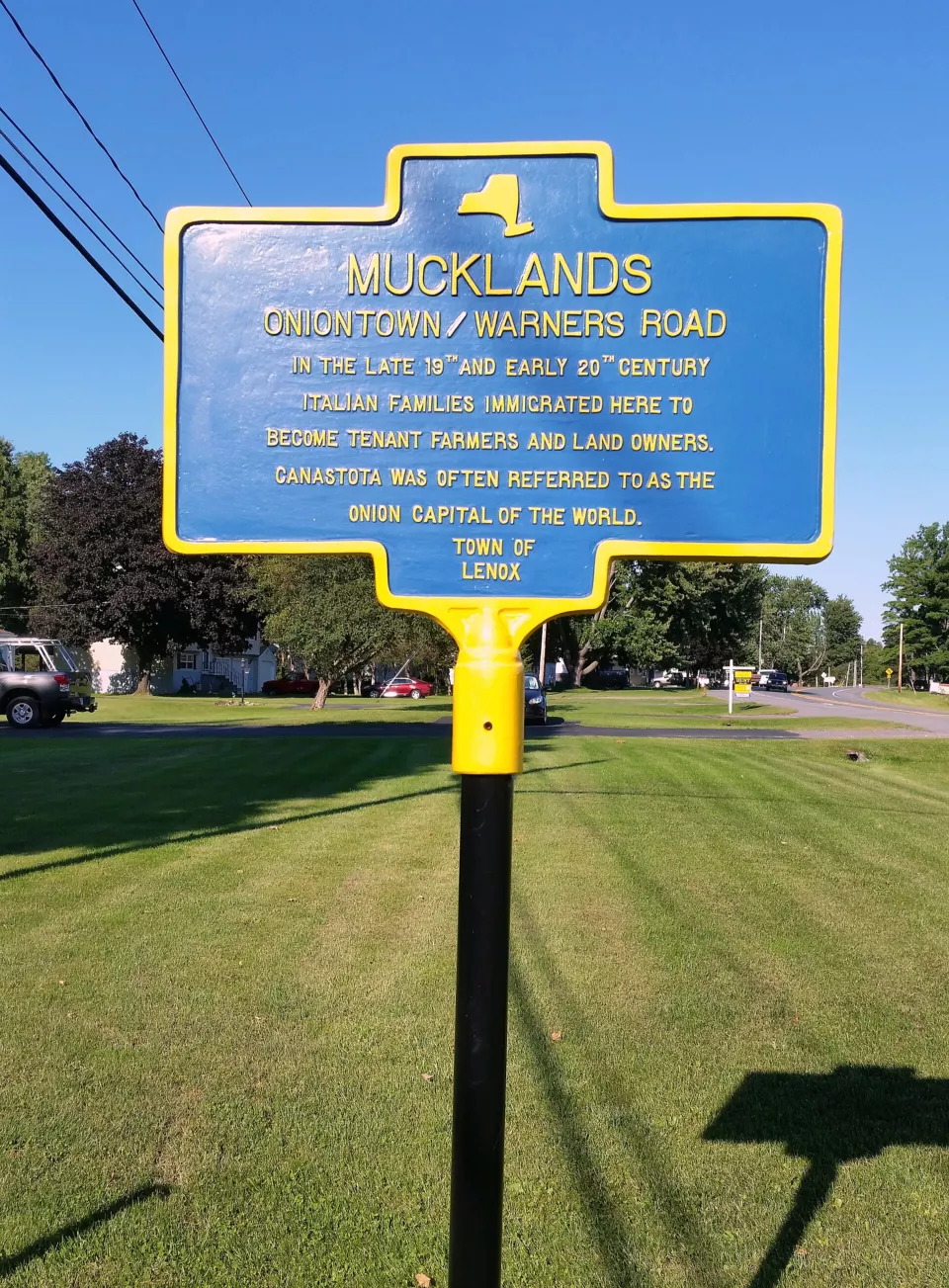
He was born Carmine Basilio on April 2, 1927, in Canastota, a small town in central New York. His parents had come from Italy, and he was one of ten children. The family made its living on an onion farm, and the boy worked the fields long before he worked a heavy bag. The farm stayed with him for life: the press later called him "The Upstate Onion Farmer," a nickname recorded by both ESPN and Wikipedia.
After high school he joined the U.S. Marine Corps during the Second World War. At Camp Lejeune in North Carolina he started boxing in service competitions, and after an honorable discharge he decided to try fighting for money.
The Slow Climb Through New York Rings
Basilio turned professional on November 24, 1948, in Binghamton, New York, knocking out an opponent named Evans in the third round. For his first 24 fights he never left his home state, and he went 19-3-2 in that stretch. His first defeat came against Connie Thies on May 2, 1949.
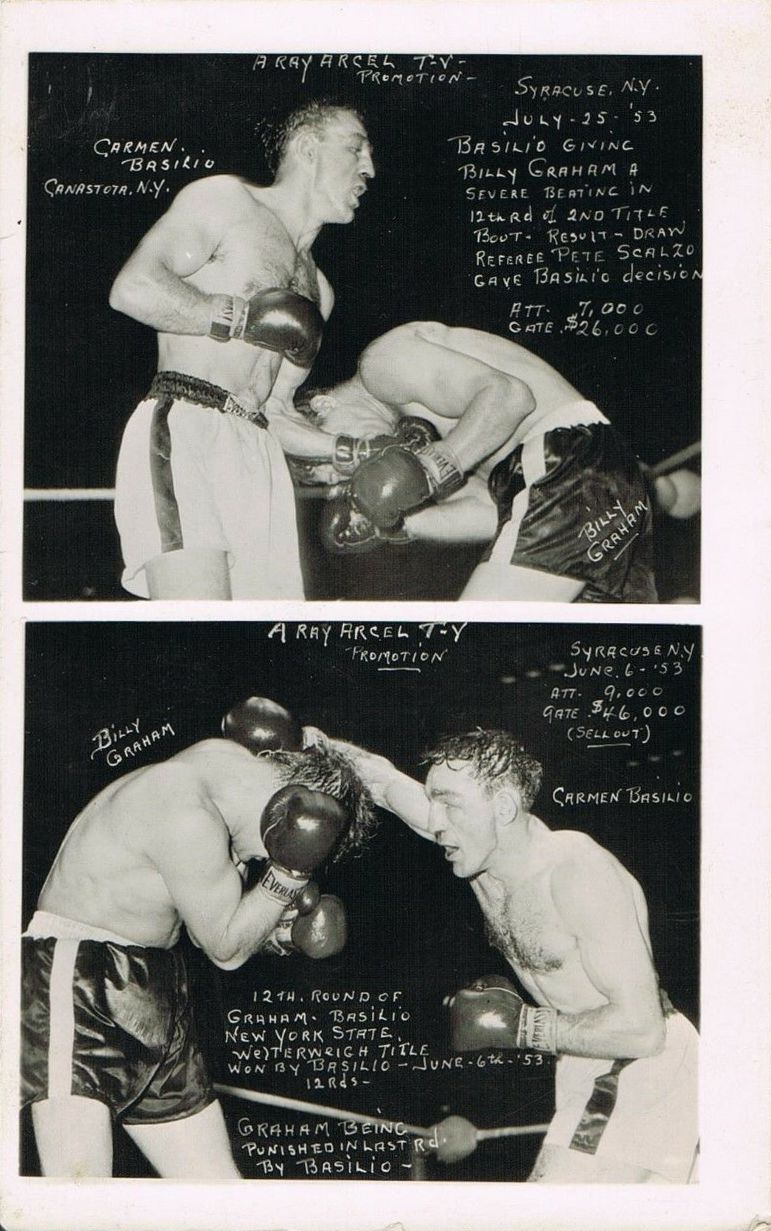
The road was rough in other ways. The Associated Press obituary written by Ben Dobbin lists broken bones in his hands, a bout of mononucleosis and repeated cuts around the eyes, and notes that for a time he took a factory job in Syracuse. He also met Billy Graham several times, losing their first meeting, winning the second over 12 rounds and drawing the third in 1953.
That same year he got his first title chance. On September 18, 1953, at the War Memorial Auditorium in Syracuse, he challenged Kid Gavilán for the welterweight championship. Basilio put the champion on the canvas, which the AP described as the first time Gavilán had been floored, but lost a 15-round split decision.
Two Twelfth-Round Wars With Tony DeMarco
By 1955 the welterweight belt belonged to Tony DeMarco of Boston, who had won it on April 1 of that year by stopping Johnny Saxton in the 14th round at the Boston Garden. Basilio met him on June 10, 1955, back at the War Memorial Auditorium in Syracuse, and stopped him in the 12th round to become world champion.
The rematch was staged in DeMarco's city, at the Boston Garden on November 30, 1955. Wikipedia's DeMarco entry describes both fights as back-and-forth brawls, and says that in the second one a DeMarco left hook left Basilio badly hurt and close to finished. DeMarco could not complete the job. Basilio recovered and, as in June, ended it in the 12th round. The Boxing Writers Association named Basilio its Fighter of the Year for 1955, and that year began a run of five straight years, from 1955 to 1959, in which he appeared in The Ring magazine's Fight of the Year.
Losing and Regaining the Crown Against Johnny Saxton
On March 14, 1956, in Chicago, Basilio lost the title to Saxton on a decision he never accepted. He compared it to a mugging, according to the quote Wikipedia attributes to him: "It was like being robbed in a dark alley."
He settled the matter in the ring. On September 12, 1956, in Syracuse, he knocked Saxton out in the ninth round to take the championship back. When they met a third time, on February 22, 1957, in Cleveland, Basilio needed only two rounds.
Yankee Stadium, September 1957: Basilio Beats Sugar Ray Robinson
With nothing left to prove at 147 pounds, Basilio moved up to challenge the middleweight champion, Sugar Ray Robinson. They fought on September 23, 1957, at Yankee Stadium in the Bronx, in front of a crowd that Wikipedia's Robinson article puts at 38,000. The fight went the full 15 rounds and was fought at close quarters, the style Basilio preferred. Years later he summed up his approach to the AP in 2007: "I gave them action; they loved to see action."
The officials split. Two of the three scored for Basilio and one for Robinson, and the welterweight champion left the stadium as middleweight champion of the world. The Ring named it the Fight of the Year for 1957, made Basilio its Fighter of the Year, and he also received the Hickok Belt as the top professional athlete of 1957. ESPN's obituary, published the day Basilio died, placed the bout among the great fights in boxing history.
Chicago Stadium, March 1958: The One-Eyed Rematch
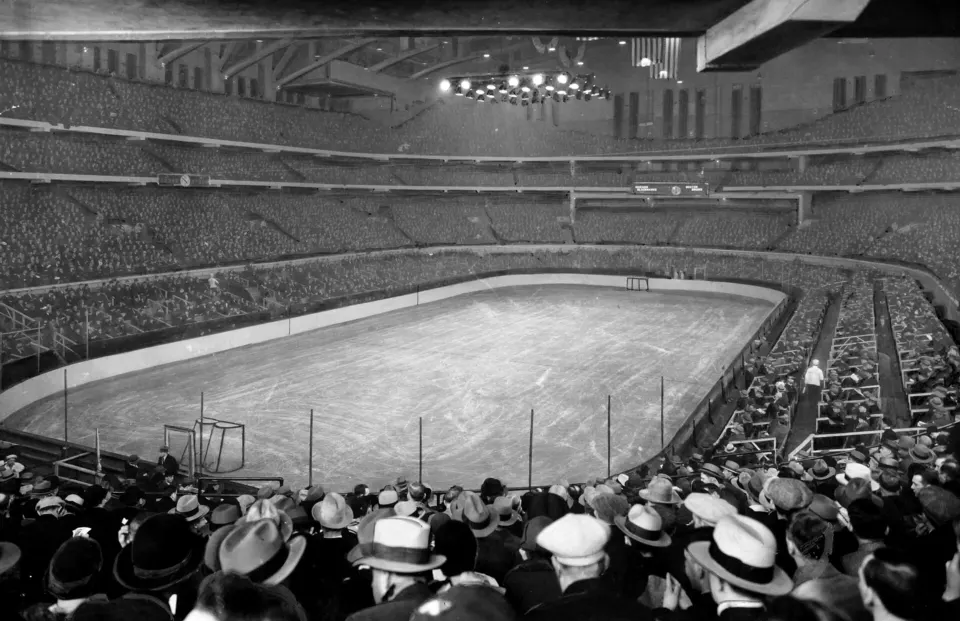
Robinson got his return on March 25, 1958, at Chicago Stadium. Early in the fight he damaged Basilio's left eye, and it closed completely. The sources disagree slightly on when: Wikipedia's Basilio article says the eye was shut from the sixth round onward, while its Robinson article says it was swollen shut by the seventh. Either way, Basilio fought more than half the bout half-blind and still went the distance.
The decision was split again, this time the other way. According to Wikipedia's Robinson article, the two judges scored it 72-64 and 71-64 for Robinson, while the referee had Basilio ahead 69-64 and was loudly booed by a crowd of about 19,000. Robinson became middleweight champion for a record fifth time. The AP described the result as razor-close, and Wikipedia notes that many ringside observers believed Basilio had won. The rematch was named Fight of the Year for 1958.
The Fullmer Fights and the Last Bell
Basilio tried three more times to win back a middleweight title, and failed each time. Gene Fullmer stopped him in the 14th round on August 28, 1959, in Daly City, California, just outside San Francisco, and again in the 12th round on June 29, 1960, in Salt Lake City. On April 22, 1961, he lost a decision to champion Paul Pender. It was his final fight.
He retired in 1961 with a record of 56 wins, 16 losses and 7 draws, with 27 wins inside the distance, figures that ESPN and the AP report identically. In 2002 The Ring ranked him 40th among the greatest fighters of the previous 80 years.
Le Moyne College, Genesee Beer and a Quiet Life
After boxing, Basilio worked for the Genesee brewery in Rochester, which the AP describes as marketing its beer. He also taught physical education at Le Moyne College in Syracuse for 21 years. He and his wife Josephine settled in Irondequoit, a suburb of Rochester. A Sports Collectors Digest remembrance describes him playing fast-pitch softball, hunting and fishing, and signing autographs for anyone who asked.
The Hall of Fame in His Hometown
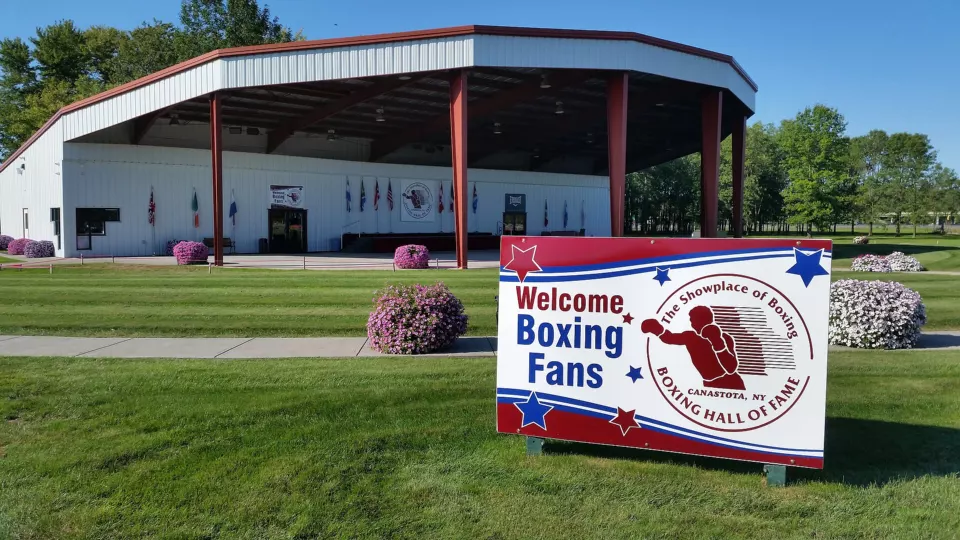
The International Boxing Hall of Fame stands in Canastota because of Basilio. Wikipedia traces the museum to a local effort in the 1980s, led by Ed Brophy, to honor the town's two world champions: Basilio and his nephew Billy Backus, who held the welterweight title in the 1970s. When the hall inducted its first class in 1990, Basilio was in it, alongside Robinson, Muhammad Ali, Rocky Marciano, Joe Louis and Jake LaMotta, according to the AP.
He kept coming back for the hall's annual induction weekend for years. Carmen Basilio died of complications from pneumonia on November 7, 2012, at Rochester General Hospital, at the age of 85. ESPN reported that the flags at the Hall of Fame were lowered to half-staff. Wikipedia adds that his childhood home in Canastota has since been designated a historic site.
Sources
- Carmen Basilio, Wikipedia, accessed October 2026
- Sugar Ray Robinson, Wikipedia, accessed October 2026
- Tony DeMarco, Wikipedia, accessed October 2026
- Carmen Basilio dies at 85 (Dan Rafael), ESPN, November 7, 2012
- Carmen Basilio obituary (Ben Dobbin), The Associated Press via Portland Press Herald, November 8, 2012
- Remembering 'The Champ' Carmen Basilio, Sports Collectors Digest, December 2012


