
Kid Chocolate, the Cuban Bon Bon, Became Cuba's First World Champion
Eligio Sardiñas Montalvo went from selling newspapers in Havana to winning the junior lightweight title at Shibe Park in 1931, making him Cuba's first world boxing champion. This is the story of his rise in New York, his fights with Berg and Canzoneri, and his long later life in Cuba.

Eligio Sardiñas Montalvo grew up selling newspapers in Havana's Cerro district and became Kid Chocolate, the slick, fast-handed boxer who won the junior lightweight title in Philadelphia in 1931 and made Cuba a world champion for the first time. New York crowds loved him, and he lived well there. Illness and hard fights wore the career down, and he died in Havana in 1988.
A Newspaper Boy From Cerro
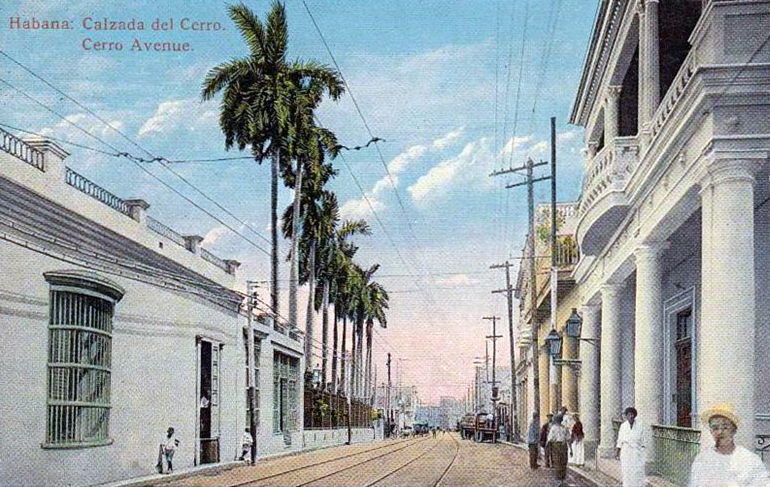
Most accounts give his birth date as January 6, 1910, in Cerro, a working-class district of Havana. Wikipedia, the Stark Center archive at the University of Texas and the Cuban encyclopedia EcuRed all use that date. CubaPLUS Magazine gives October 28, 1910, so the record does not fully agree. His family was poor. EcuRed says his father died when he was young, that he finished only three grades of primary school, and that he earned money shining shoes and selling papers.
Fighting came first as a matter of business. Several biographies say young Eligio used his fists to hold on to his newspaper corner against rival boys. He learned the craft by watching old fight films shown in Havana cinemas, and later retellings add that he sparred with Benny Leonard and Jack Johnson. He started as an amateur at about twelve, in a tournament sponsored by the Havana paper La Noche, according to CubaPLUS and EcuRed.
The figures for his amateur career vary. The Stark Center lists 100 amateur fights with 28 knockouts. EcuRed says he never lost as an amateur in Cuba. The Fight City reports a 160-0 amateur record and says his manager, Luis "Pincho" Gutiérrez, probably inflated it.
Havana Debut and the Leap to New York
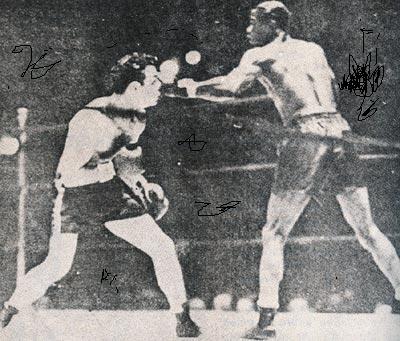
According to Wikipedia, his first official professional fight was on March 3, 1928, at the Arena Colón in Havana, where he knocked out Kid Sotolongo in the first round of a scheduled six. That same summer he went north. EcuRed dates his first appearance in the United States to August 1, 1928, a third-round knockout of Eddie Enos at Mitchel Field, a military base near New York.
Gutiérrez put him to work in New York, and he moved up the rankings quickly. Sportswriters, struck by his youth and dark skin, called him Kid Chocolate, and the name lasted. He was also billed as "The Cuban Bon Bon." EcuRed counts 22 fights in 1929 without a loss, ten of them won by knockout. By The Fight City's count he went 61-3-1 as a professional before his first world title win. Wikipedia lists him at 5 ft 6 in, and The Fight City describes his speed and sharp combinations as the core of his style.
Hard Lessons in 1930
The unbeaten run ended in the summer of 1930. On August 7, at the Polo Grounds in Manhattan, the English lightweight Jack "Kid" Berg beat him by split decision over ten rounds. On November 3, Fidel LaBarba beat him on a unanimous ten-round decision. On December 12 he got his first world title fight, against featherweight champion Bat Battalino, and lost a unanimous decision over fifteen rounds.
The Fight City says all three losses were disputed. It also says the Battalino fight came while Chocolate was enjoying Broadway nightlife, and that his conditioning suffered for it.
Shibe Park, July 15, 1931
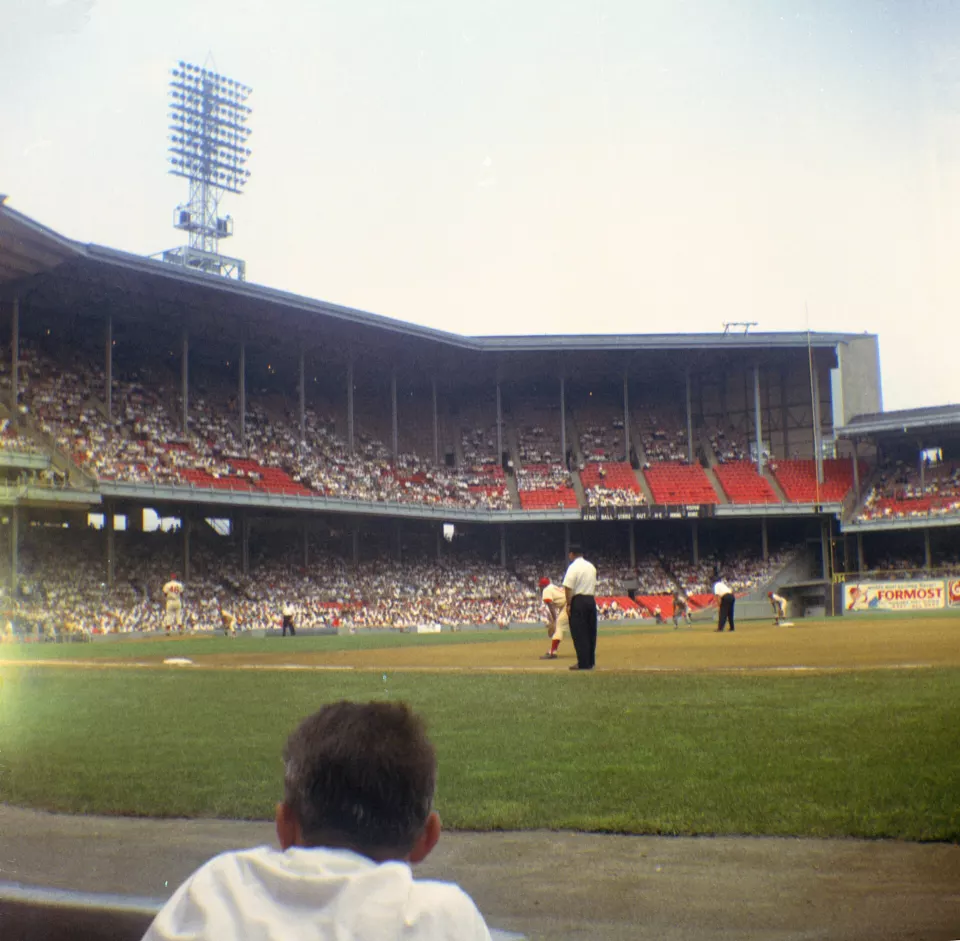
Chocolate's next title chance came in Philadelphia, against the city's own Benny Bass, who held the National Boxing Association junior lightweight title. They fought outdoors at Shibe Park, the baseball stadium, on July 15, 1931. The Fight City says Bass claimed he was thumbed in the left eye in the first round. The cut reopened in the second and bled heavily. Chocolate kept hitting the injured eye with fast combinations, while Bass had some success with body punches but could not keep up with Chocolate's speed.
In the seventh round, referee Leo Houck stopped the fight. Bass's left eye was closed and he also had a cut under his chin. Chocolate was now Cuba's first world boxing champion, a point both The Fight City and Boxing News make. The Fight City adds that his Cuban stablemate Black Bill had already been forced out of boxing by blindness, so the title meant a great deal back home.
Canzoneri and the Garden
Chocolate then moved up in weight. On November 20, 1931, at Madison Square Garden, he challenged Tony Canzoneri for the lightweight and junior welterweight titles. Writer Richard Weintraub, citing The New York Times report, says Chocolate went down to his fingertips in the fourth round. In the last round he was trading so hard that he missed the final bell and landed two more rights. Canzoneri won a split decision over fifteen rounds.
In 1932 he fought Berg again and lost another fifteen-round decision; Wikipedia records it as a majority decision. His second title came on October 13, 1932, at Madison Square Garden. He knocked out Lew Feldman in the twelfth round to win the featherweight title. Boxing News points out that only the New York State Athletic Commission recognized that championship, not the whole sport.
Christmas Night, 1933
The end of his title years came quickly. On November 24, 1933, at the Garden, Canzoneri knocked him out in the second round of their rematch. A month later, on December 25, 1933, in Philadelphia, he lost the junior lightweight title to Frankie Klick when the fight was stopped in the seventh round. Wikipedia puts the crowd at about 4,000. He had held the belt for almost two and a half years. Wikipedia says it was revealed after the Klick fight that he had syphilis. EcuRed says the disease went untreated and badly affected his body.
The Comeback Years
He left the ring after the Klick loss but came back in 1934, and over the next four years he won 47 of 50 fights, according to Wikipedia and EcuRed. He never fought for another world title. His last fight was a draw with Nicky Jerome on December 18, 1938.
His final record also varies between sources. Wikipedia, EcuRed and CubaPLUS give 136 wins (51 by knockout), 10 losses, 6 draws and one no-decision. The Stark Center lists 145 wins in 161 fights with 64 knockouts.
A Quieter Life in Havana
When he retired, Kid Chocolate went back to Cuba. EcuRed says he became a trainer and lived in poverty, even though he had earned large purses against Berg, Canzoneri and others. Both EcuRed and CubaPLUS say he gave much of his money away to help other people. Wikipedia says that after the 1959 revolution the new government at first paid little attention to his career, and he was nearly forgotten. In the late 1970s the government recognized him and gave him a small pension.
He lived in the house he had bought for his mother while he was champion. He died there on August 8, 1988, at the age of 78. EcuRed and CubaPLUS both say he died of complications from syphilis.
The Legacy of the Cuban Bon Bon
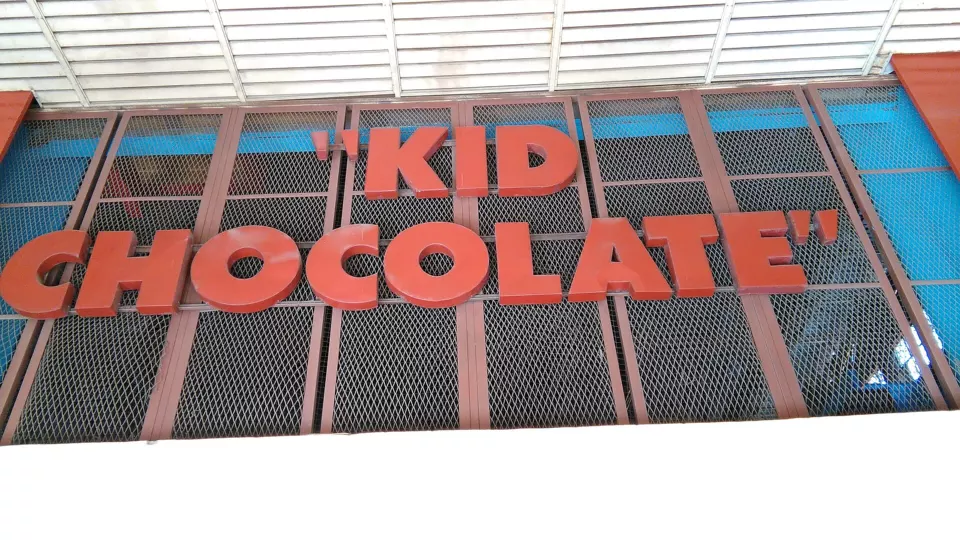
He was inducted into the International Boxing Hall of Fame. Wikipedia and other references give 1991 as the year, while the Stark Center archive gives 1994. Wikipedia says Sugar Ray Robinson admired him and borrowed much of his style. It also says playwright Clifford Odets based the character Chocolate Drop in Golden Boy on him. In Havana, an indoor sports hall, the Sala Polivalente Kid Chocolate, bears his name. Decades later, the American middleweight Peter Quillin fought as "Kid Chocolate" in tribute to him.
Sources
- Kid Chocolate, Wikipedia, accessed October 2026
- July 15, 1931: Chocolate vs Bass, The Fight City, accessed October 2026
- 10 of the best boxers called Kid, Boxing News, accessed October 2026
- Eligio "Kid Chocolate" Sardinas, H.J. Lutcher Stark Center for Physical Culture and Sports (Albert Davis Collection), accessed October 2026
- Kid Chocolate, EcuRed, accessed October 2026
- Kid Chocolate: champion with fists and heart, CubaPLUS Magazine, accessed October 2026
- Tony Canzoneri vs Kid Chocolate (Melted Chocolate and the Save), Richard Weintraub, Substack, accessed October 2026


