
How Tony Canzoneri Went From Slidell to Three World Titles, Barney Ross and Lou Ambers
Born in Slidell, Louisiana and raised in the New York fight clubs, Tony Canzoneri won world titles at featherweight, lightweight and junior welterweight in a 175-fight career. This is the story of his rise, his battles with Barney Ross and Lou Ambers, and his life after the ring.

Tony Canzoneri was born in a small Louisiana town, learned to fight in New York, and won world championships at featherweight, lightweight and junior welterweight before he turned 23. He fought 175 times across fourteen years, shared the ring with the best little men of a crowded era, and was knocked out only once, in the final bout of his career.
From Slidell to the New York Fight Clubs
Antonio Canzoneri was born on November 6, 1908, in Slidell, Louisiana, the son of Italian parents. The family did not stay put for long. Boxing News places them in New Orleans when Tony was about two, and that is where he is said to have taken his first lessons as a boy of 11, under the eye of the former bantamweight champion Pete Herman at the Gayosa Gym.
The move that mattered was to New York, though the sources do not agree on the borough. Wikipedia and Boxing News put the teenage Canzoneri in Brooklyn, with Wikipedia citing a 1925 address in Bedford-Stuyvesant. The Louisiana encyclopedia 64 Parishes and the Allstate Sugar Bowl's hall of fame profile say Staten Island. At 15, according to Boxing News, he won the New York State amateur bantamweight title.
He turned professional on July 27, 1925, knocking out an opponent recorded as Jack Gardner (later sources give the name as Grodner). Boxing News reports that he lied about his age to get licensed. Before the year was out he had flattened Danny Terris on December 23, 1925, a result he liked to describe as the first knockout scored in the newly opened Madison Square Garden.
A Featherweight Champion at 19
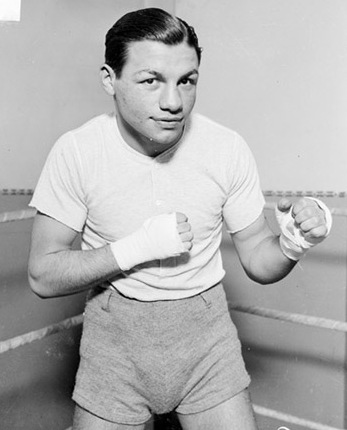
Canzoneri stood about 5 feet 4 inches with a 63-inch reach, according to Boxing News, which describes a thick-chested fighter on thin legs who did not waste much effort on footwork. He let his left hand hang, threw a wide left hook, and relied on quick reflexes and a deep gas tank. He also fought constantly; 64 Parishes notes that in his early years he could be in the ring four times a month.
His first attempts at a championship came up short at bantamweight, where Boxing News records a draw and then a loss against Bud Taylor. He moved up instead. On October 24, 1927, at Madison Square Garden, he took a 15-round decision from the veteran Johnny Dundee, and on February 10, 1928, he beat Benny Bass over 15 rounds in the same building to become featherweight champion of the world. 64 Parishes calls that verdict a split decision.
The reign was short. On September 28, 1928, back at the Garden, the Frenchman André Routis won a 15-round split decision and the title.
Fifty-Odd Seconds Against Al Singer
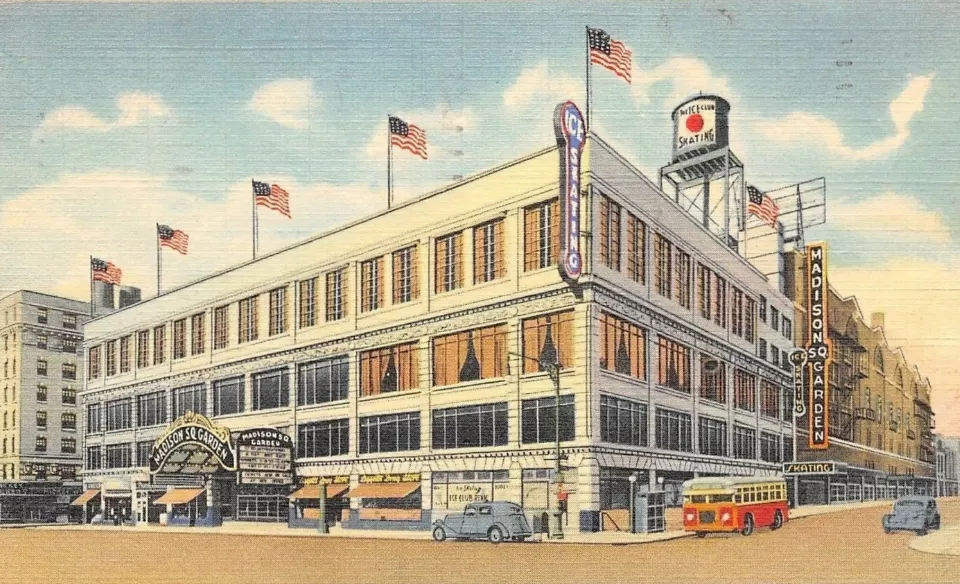
Canzoneri kept growing into the lightweight division. His first try at the 135-pound crown failed when Sammy Mandell beat him on a 10-round split decision at Chicago Stadium on August 2, 1929. Fifteen months later the chance came again, against Al Singer at Madison Square Garden on November 14, 1930, and it was over almost before the crowd had settled. Canzoneri knocked Singer out in the first round. The exact time differs by source: 64 Parishes gives 56 seconds, while Boxing News says 66 seconds and calls it the quickest knockout in a lightweight title fight.
Five months later he went after a third division. On April 24, 1931, at Chicago Stadium, he stopped the English fighter Jack "Kid" Berg in the third round to win the junior welterweight title. That made Canzoneri only the second boxer to win world titles in three weight classes, a distinction noted by 64 Parishes and the Sugar Bowl hall of fame.
Holding two belts did not make him untouchable. He kept the lightweight title against the Cuban star Kid Chocolate on November 20, 1931, in a decision that an IBRO review of Mark Allen Baker's biography describes as unpopular. On January 18, 1932, in Philadelphia, he lost the junior welterweight championship to Johnny Jadick over 10 rounds. He won it back on May 21, 1933, outpointing Battling Shaw over 10 rounds at Heinemann Park in New Orleans, close to where his life had started.
Two Losses to Barney Ross in 1933
A month after the Shaw fight, Canzoneri met Barney Ross, the rising Chicago fighter, at Chicago Stadium on June 23, 1933. It was Ross's first world title fight and he took full advantage, winning a 10-round majority decision and leaving with both the lightweight and junior welterweight championships.
The rematch moved to New York, to the Polo Grounds, on September 12, 1933. This time the fight was scheduled for 15 rounds and the officials split, but Ross again got the decision. Canzoneri never held the junior welterweight title again.
On November 24, 1933, at Madison Square Garden, Canzoneri stopped Kid Chocolate in the second round. The Sugar Bowl hall of fame profile notes that nobody had knocked out the Cuban in his first 100 fights.
Lou Ambers, Sparring Partner and Successor
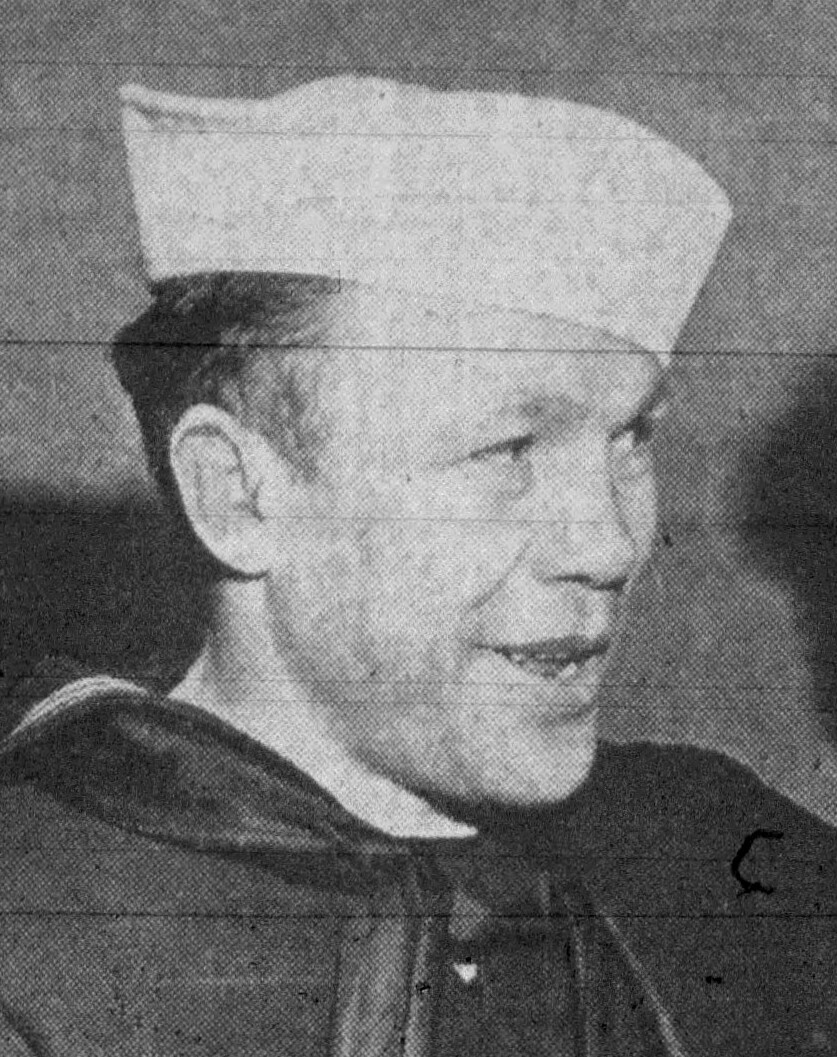
Ross gave up the lightweight title, and in 1935 Canzoneri was matched for the vacant championship against Lou Ambers, a younger fighter from Herkimer, New York, who had worked as his sparring partner. On May 10, 1935, before 17,433 people at Madison Square Garden, Canzoneri dropped Ambers twice in the third round and again near the final bell on his way to a unanimous 15-round decision. He was lightweight champion for the second time.
In May 1936 he beat the former welterweight champion Jimmy McLarnin over 10 rounds at the Garden. But on September 3, 1936, Ambers got his rematch in the same building and reversed the result, pressing his old employer from the start and winning a wide unanimous decision. The Associated Press, as cited by Wikipedia, gave Ambers nine rounds, including the last three. A month later McLarnin evened their series with a 10-round decision. Canzoneri met Ambers once more for the title on May 7, 1937, and lost again on points over 15 rounds.
The Last Night, Against Bummy Davis
Canzoneri kept fighting for two more years without another title shot. His final bout came on November 1, 1939, at Madison Square Garden, against the young Brownsville puncher Al "Bummy" Davis, eleven years his junior. Davis hurt him late in the second round, put him down twice in the third, and the referee stopped it at 2:13 of that round, according to Baker's research as summarized by IBRO. It was the only time in his career that Canzoneri failed to finish a fight on his feet. The Garden crowd, according to Wikipedia's account of Davis's career, booed the winner for beating a fighter they loved. Canzoneri did not box again.
Vaudeville, a Broadway Bar and an Early Death
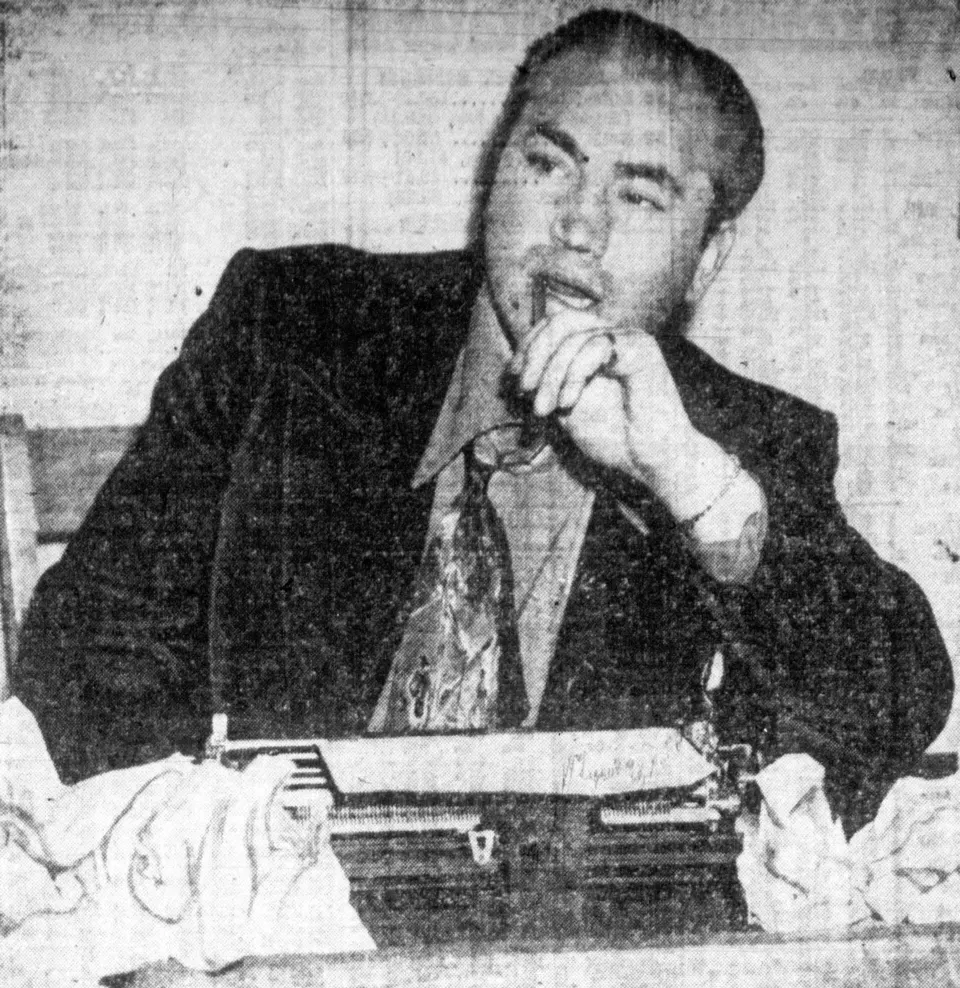
Out of the ring, Canzoneri tried show business. He worked in vaudeville and cabarets, including a partnership with the comedian Joey Adams, and appeared in films, among them one titled Ringside, as well as on television. His name went on Tony Canzoneri's Paddock Bar on Broadway, though Boxing News says he was paid mainly for the use of that name. The same source says much of his ring money went on spending and an expensive divorce; the IBRO review dates the end of his marriage to his wife Rita to 1952. They had a daughter, Denise.
On December 9, 1959, Canzoneri died of a heart attack in Manhattan at the age of 51. Boxing News places his death at the Hotel Bryant. Among the honorary pallbearers listed in the IBRO review were two men he had fought, Barney Ross and Jimmy McLarnin.
Record and Recognition
Canzoneri's record is usually given as 137 wins, 24 losses and 10 draws, with 44 knockouts and four newspaper decisions; counting those newspaper verdicts as wins produces the 141-24-10 figure used by the Sugar Bowl hall of fame. Boxing News credits him with beating 13 world champions, while the Sugar Bowl profile says he faced 18 champions in all. He entered The Ring's Hall of Fame in 1956, the Louisiana Sports Hall of Fame in 1959, the World Boxing Hall of Fame in 1981, the Greater New Orleans Sports Hall of Fame in 1984 and the International Boxing Hall of Fame in 1990. The historian Bert Sugar, as cited by Wikipedia, ranked him twelfth among the greatest fighters of all time.
Sources
- Tony Canzoneri, Wikipedia, accessed October 2026
- On this day: the brilliant Tony Canzoneri was born in 1908, George Zeleny, Boxing News, November 6, 2019
- Tony Canzoneri, S. Derby Gisclair, 64 Parishes (Louisiana Endowment for the Humanities), accessed October 2026
- Tony Canzoneri, Hall of Fame, Allstate Sugar Bowl / Greater New Orleans Sports Hall of Fame, 2022
- Book review and interview: Tony Canzoneri, The Boxing Life of a Five-Time World Champion by Mark Allen Baker, Roger Zotti, International Boxing Research Organization, June 5, 2023
- Barney Ross, Wikipedia, accessed October 2026
- Lou Ambers, Wikipedia, accessed October 2026
- Al Davis (boxer), Wikipedia, accessed October 2026


