
How Bob Foster Went From Borger and the Air Force to Light Heavyweight King and Deputy Sheriff
Bob Foster's life, from his Texas birth and Albuquerque youth to his 1968 knockout of Dick Tiger, 14 title defenses, losses to Frazier and Ali, and his years with the Bernalillo County Sheriff's Department.

Bob Foster was born in a Texas oil town, learned to fight in Albuquerque and the US Air Force, and spent six years as the most feared light heavyweight on earth. He tried twice to take the heavyweight crown and failed both times, then spent his later working life wearing a sheriff's badge in the city that raised him.
From Borger to Albuquerque's South Valley
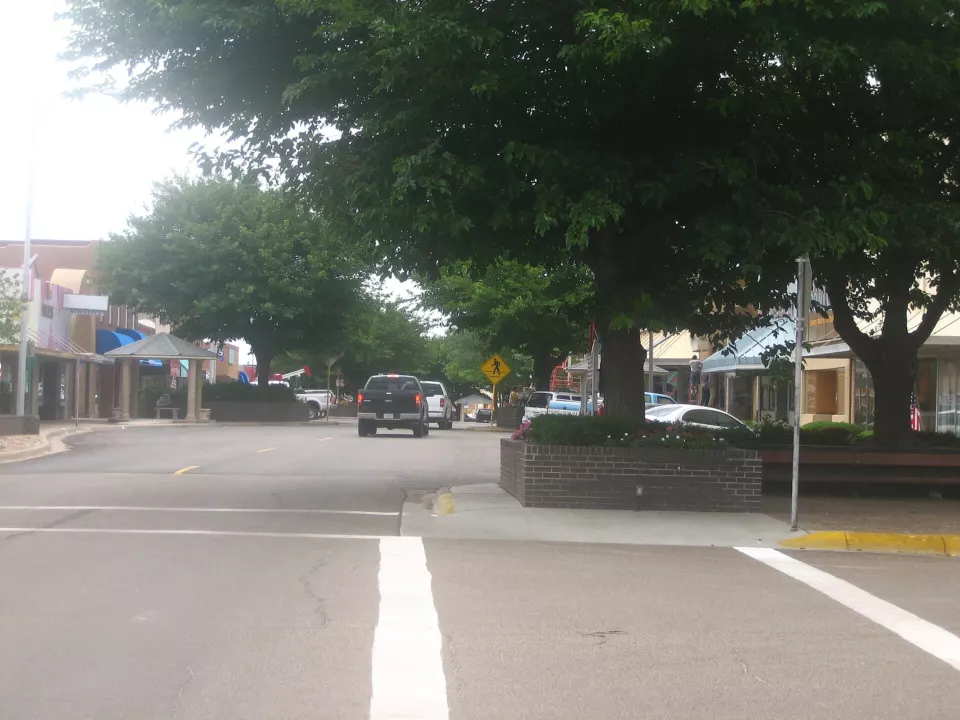
Robert Lloyd Foster was born on December 15, 1938, in Borger, a boom town in the Texas Panhandle. While he was still a child his family moved west to Albuquerque, New Mexico. He grew up in the city's South Valley and went to Albuquerque High School, and Albuquerque would stay home base for the rest of his life.
The Fight City says he started boxing at 13. Joe Louis Murphy, a childhood friend who later helped train him, told KRQE in 2019 that he spotted the boy's potential early. Foster was not yet a physical problem for anyone. He was tall and thin, and the weight came later.
An Air Force Boxer and a Pan American Silver
Foster joined the United States Air Force and served as an Airman Second Class. Boxing News puts his service at five years. Murphy's account to KRQE has Foster weighing about 101 pounds when he enlisted and filling out to around 175 on regular military meals, which happens to be the light heavyweight limit.
He built his amateur record in the services. The Fight City lists three All-Service titles, and he also fought on the Golden Gloves circuit. In 1959, at the Pan American Games in Chicago, he won a silver medal as a middleweight. When he turned professional he already had a long, lean frame of six feet three inches and, by The Fight City's figure, a 79-inch reach.
Hard Lessons Among the Heavyweights
Foster turned pro on March 27, 1961, stopping Duke Williams in two rounds at the Capitol Arena in Washington, D.C. Over the next few years he was often matched against much bigger men, and some of those nights went badly. Doug Jones stopped him in the eighth round in October 1962, in only his tenth pro fight. Mauro Mina outpointed him over ten rounds in 1963. Ernie Terrell stopped him in seven in 1964, and Zora Folley beat him on points in December 1965.
The ring did not pay enough to live on. According to Boxing News, Foster supported a large family with jobs at a bomb factory in Washington and as a nightclub bouncer. The Fight City reports that when a title shot finally became possible, he put up some of his own money to get it.
The Left Hook That Felled Dick Tiger
On May 24, 1968, Foster faced Dick Tiger at Madison Square Garden. Tiger was a Nigerian veteran and a former middleweight champion, and he held the WBA, WBC and Ring magazine light heavyweight titles. Foster's height and reach were a problem for Tiger from the opening bell. In the fourth round Foster landed a combination that finished with a left hook, and Tiger went down and was counted out at 2:05 of the round.
That punch made Foster a world champion, and it became the one people remembered him by. Years later his widow, Rose Foster, gave KRQE a short explanation of his power: "His reach was so long. When it would connect it was the end." The Boxing Writers Association of America named him its Fighter of the Year for 1968.
Six Years at 175 Pounds
Foster held the title from 1968 to 1974 and made 14 successful defenses against 13 different challengers, a division record at the time. Among the men he beat were Frank DePaula, Andy Kendall, Roger Rouse, Ray Anderson, Tommy Hicks and Brian Kelly.
His recognition was split for a while. The WBA stopped recognizing him as champion in the period after his first heavyweight attempt. On April 7, 1972, he unified the belts again by knocking out the WBA titleholder, Vicente Rondón, in the second round. Later that year he knocked out Mike Quarry in four rounds with a left hook. Boxing News reports that Foster afterwards feared the punch might have killed Quarry. In September 1972 he stopped Britain's Chris Finnegan in the 14th round of a hard fight. In 1973 he twice beat South Africa's Pierre Fourie on unanimous decisions over 15 rounds, and the second of those fights was held in South Africa during apartheid.
Reaching for the Heavyweight Crown: Frazier and Ali
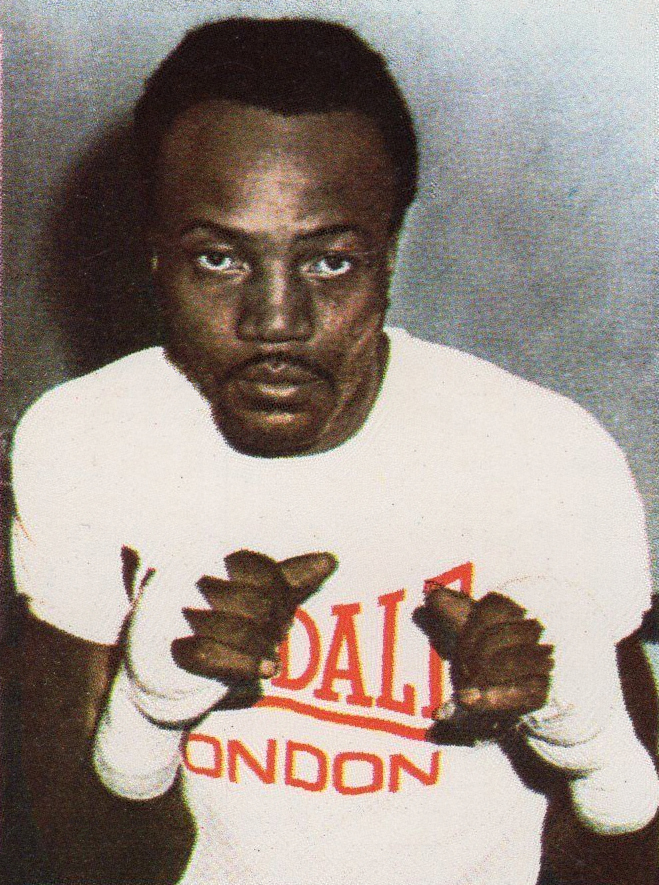
Foster could make the light heavyweight limit easily, but the heavyweight division paid much better. The Fight City notes that he never managed to add real weight even when he ate and drank heavily. On November 18, 1970, he challenged Joe Frazier for the undisputed heavyweight title at Cobo Arena in Detroit. Frazier knocked him out at 0:49 of the second round. Boxing News dates the fight to December 1970 and says Foster gave away 21 pounds. Wikipedia and most records give the November date.
He tried again two years later. On November 21, 1972, at the Sahara Tahoe in Stateline, Nevada, he fought Muhammad Ali. Boxing News puts the weight difference at 41¾ pounds. Ali knocked Foster down seven times before stopping him in the eighth round. Losses like these are why The Fight City could say that nearly all of his defeats came against heavyweights.
The Ahumada Draw and a Reluctant Exit
His final title defense was at home. On June 17, 1974, at University Arena in Albuquerque, Foster fought Argentina's Jorge Ahumada over 15 rounds. He was knocked down during the fight, and the judges returned a split draw, which meant he kept his titles. Soon afterward he announced his retirement as champion.
He came back in 1975 and boxed on until 1978, but the comeback did not produce any significant wins. Defeats to Mustafa Wassaja and Bob Hazelton marked the end. Sources disagree on his age when he stopped: Wikipedia says 36, while KRQE says 40. Going by his birth date, he was in his late thirties. His final record was 56 wins, 8 losses and 1 draw, with 46 wins by knockout. Six of the losses came inside the distance.
The Deputy Sheriff of Bernalillo County
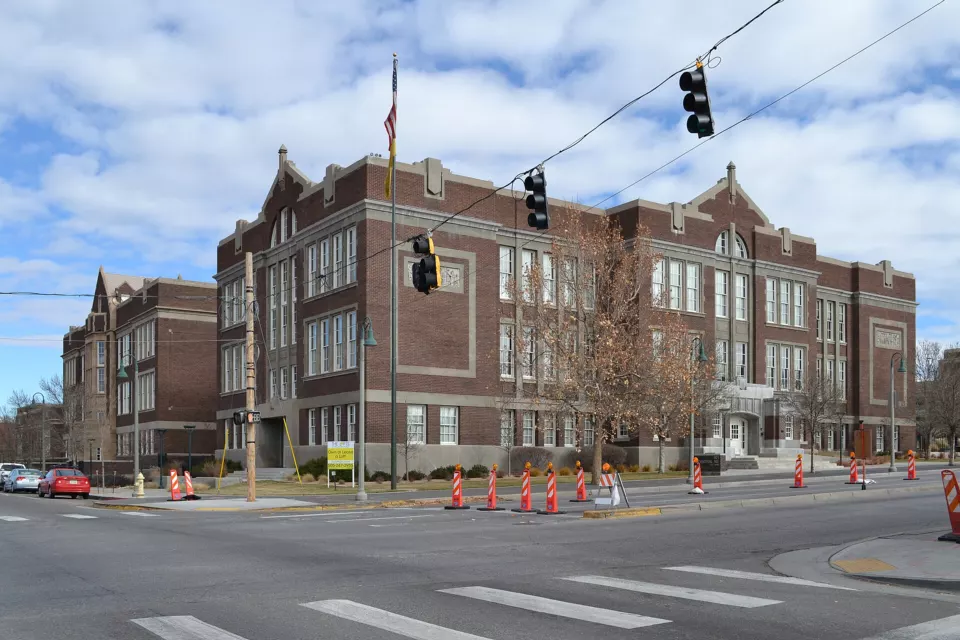
Foster's second career was in law enforcement. He joined the Bernalillo County Sheriff's Department in Albuquerque and later became a detective, and that work gave him the nickname "The Deputy Sheriff." The sources differ on when he started. Wikipedia places his start with the department in the mid-1970s, which would overlap with his comeback fights, while KRQE says he went into law enforcement after leaving the ring.
He also stayed in the sport locally and continued coaching young boxers, according to KRQE. Luis Gutierrez, an Albuquerque boxing coach, told the station that even as one of the greatest light heavyweights in history, Foster kept coming back to serve his community.
Legacy and the Final Bell
When the International Boxing Hall of Fame opened in 1990, Foster was part of its first class of inductees. The Ring has ranked him among the hardest punchers of all time, and in 1994 it named him the third-greatest light heavyweight in history, according to the Associated Press report on his death.
Foster died on November 21, 2015, at Presbyterian Hospital in Albuquerque with his wife Rose and his family with him. KRQE later reported that the cause was cancer. The wire report published at the time gave his age as 76, which matches his 1938 birth date, but Wikipedia and some obituaries say 77. He was born in a Texas oil town and became a champion in New York, but Albuquerque was where he lived and served, and it was where he died.
Sources
- Bob Foster (boxer), Wikipedia, accessed October 2026
- Bob Foster: 1938-2015, Robert Portis, The Fight City, November 24, 2015
- Bob Foster remembered, Boxing News, 2015
- Former light heavyweight champion Bob Foster dies (Associated Press wire report), Observer-Reporter, November 22, 2015
- Bob Foster profile and family interviews, Van Tate, KRQE News 13, January 18, 2019


