
Sullivan vs Corbett in 1892 Was the Night Gentleman Jim Ended John L.'s Reign in New Orleans
On 7 September 1892 at the Olympic Club in New Orleans, James J. Corbett outboxed John L. Sullivan and knocked him out in the 21st round to win the heavyweight championship. The fight closed out a three-night carnival and ended the reign of the last bare-knuckle champion.

On the night of 7 September 1892, under electric light at the Olympic Club in New Orleans, a former San Francisco bank clerk named James J. Corbett took the heavyweight championship from John L. Sullivan, the man who had ruled American prizefighting for a decade. It took 21 rounds, padded gloves and a style of boxing most of the crowd had backed against at long odds.
The Boston Strong Boy at the End of His Reign
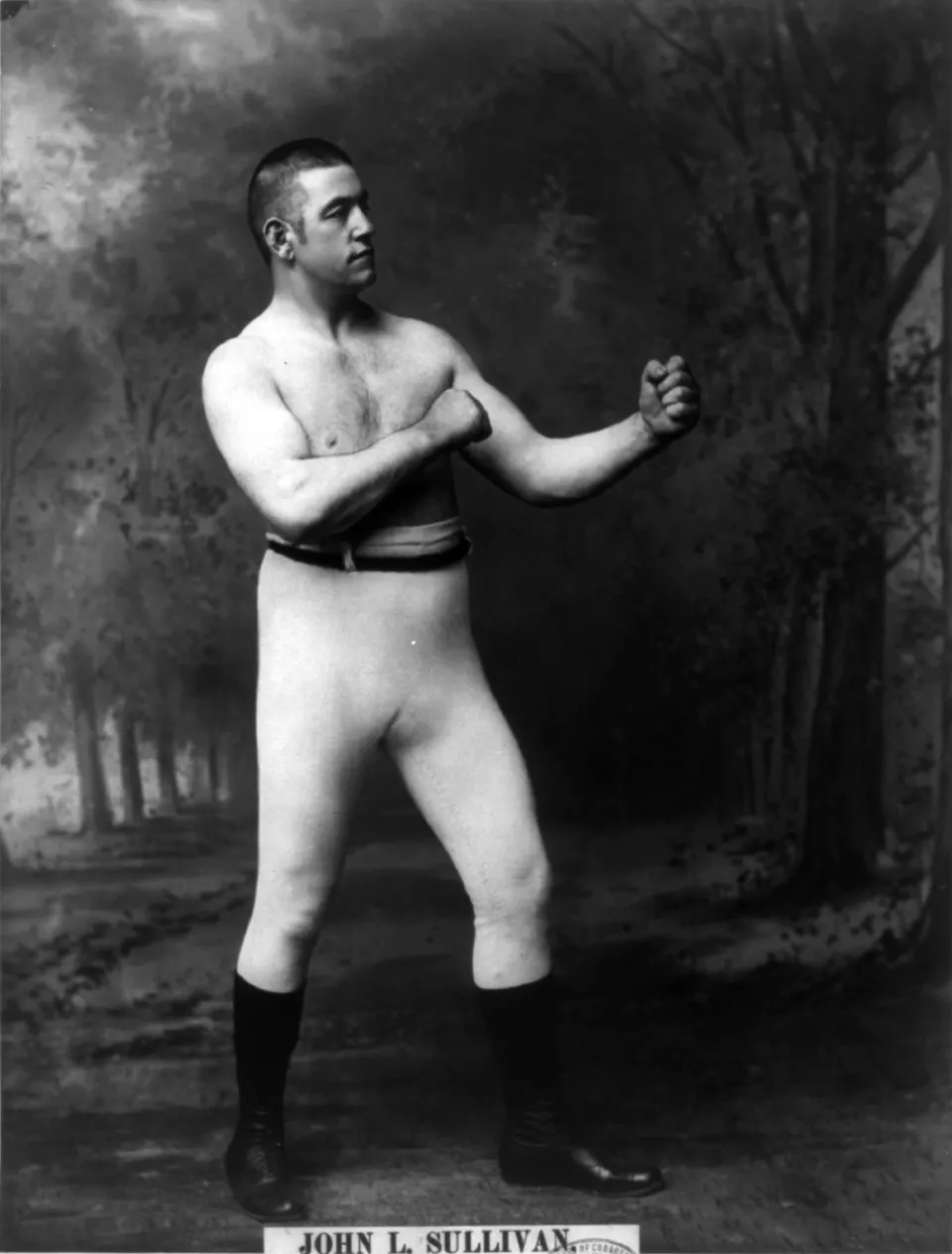
By 1892 Sullivan was the most famous athlete in the United States. He had won the American bare-knuckle title from Paddy Ryan near Gulfport, Mississippi, on 7 February 1882, and in July 1889 he had outlasted Jake Kilrain over 75 rounds at Richburg, Mississippi, in what Wikipedia describes as the last world heavyweight title bout under the London Prize Ring Rules. Wikipedia credits him with 47 wins, one loss and two draws across 51 documented fights.
For his next defence Sullivan announced that he would meet any challenger for a purse of $25,000 and a side bet of $10,000, winner take all, according to the Boston history site When and Where in Boston. The man who took up the offer was not a slugger in his own mould.
Gentleman Jim from the Olympic Club of San Francisco
Corbett was born in San Francisco on 1 September 1866 to Irish immigrant parents, and Encyclopedia.com records that his father ran a livery stable and that the boy was twice expelled from school for fighting. He went to work as a clerk and then in a bank before boxing took over his life. He became an instructor at San Francisco's Olympic Club, one of the city's leading athletic clubs, and his polished manners earned him the name "Gentleman Jim."
His reputation rested on a single marathon. On 21 May 1891 in San Francisco he met the Australian Peter Jackson, who was favoured at 2 to 1. After 61 rounds, roughly four hours of fighting, the bout was declared a no contest because neither man could punch effectively any longer. Wikipedia says the result lifted Corbett to national attention. Around the same time he shared a ring with Sullivan for a brief exhibition on a San Francisco stage, both men dressed in formal clothes, and Wikipedia notes that the experience left Corbett more confident that he could beat the champion.
Three Nights of the Carnival of Champions
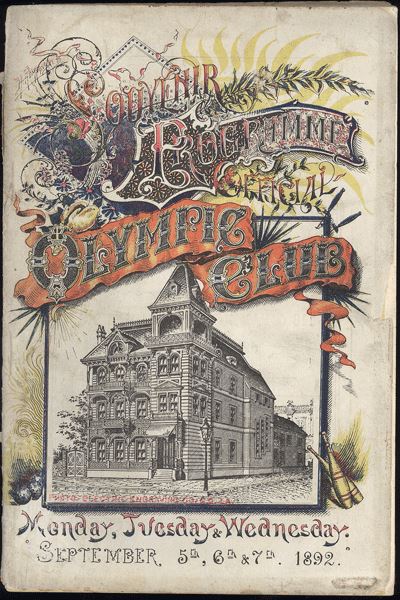
The host was the Olympic Club of New Orleans. Its four-storey building, which Melissa Haley's history in Common-place places between Chartres and Royal, Montegut and Clouet streets in today's Bywater, was hung with banners and lit by sixty electric lights. American Heritage writer Nathan Ward notes that the authorities permitted the contest only under strict rules requiring gloves, a condition that turned an illegal spectacle into a licensed sporting event.
The club built a three-night programme around the heavyweight bout. On 5 September the lightweight champion Jack McAuliffe kept his title by knocking out Billy Myer in the 15th round. On 6 September George Dixon, whom Wikipedia identifies as the first Black athlete to win a world championship in any sport, stopped Jack Skelly in the eighth round to retain his title. Sullivan and Corbett were left for the third night.
Railroads ran special trains to the city. Haley records that the Illinois Central sold round trips from Chicago for twenty-five dollars on a vestibuled train with a commissary car. Wikipedia puts the crowd at the club's capacity of 10,000, with tickets from $5 to $15.
Money, Odds and Gloves
The stakes are reported differently depending on the source. The Boston account gives the $25,000 purse with a $10,000 side bet. Haley writes that the Olympic Club itself put up $25,000 toward a total purse of $45,000. Ward's American Heritage piece simply lists $25,000 and the championship as the prize. Whatever the exact figure, the betting public had a clear view: Encyclopedia.com reports that Sullivan went in as a 4 to 1 favourite.
The bout was fought under the Marquess of Queensberry Rules, with gloves and three-minute rounds. It is often called the first heavyweight title fight with gloves, and When and Where in Boston repeats that description. Wikipedia disagrees, pointing to Sullivan's gloved win over Dominick McCaffrey in 1885 as an earlier title fight under the same rules. The safer claim is that New Orleans marked the moment the gloved game took the heavyweight crown for good.
Twenty-One Rounds Under the Electric Lights
The fight began at 9 p.m., according to Wikipedia, with "Professor" John Duffy as referee, as Haley records. Sullivan, a month and a half short of his 34th birthday, fought as he always had, crouching and rushing forward to land his heavy blows. Corbett, 26, refused to stand and trade. He moved, slipped the charges and kept the jab in Sullivan's face.
Encyclopedia.com writes that Corbett broke Sullivan's nose with a hard punch in the third round, and that from then on he kept dancing around the champion and stepping in to land before Sullivan could answer. Round after round the pattern held. The timed rounds of the new code suited the younger man, who could keep chipping away without ever standing still long enough to be caught.
By the 21st round Sullivan was spent. Wikipedia describes the finishing blow as a smashing left that could be heard throughout the building, and it put the champion down for the count. Sullivan's reign, which had lasted since 1882, ended on the canvas in New Orleans.
"I Stayed Once Too Long"
The crowd threw belts, coats, hats and canes toward the new champion, Haley writes. When Sullivan was able to speak, he addressed the audience, and his words survive in more than one version. Haley's account has him admitting, "I stayed once too long." Wikipedia gives a different line: "If I had to get licked, I'm glad I was licked by an American." The Boston account combines the two ideas, and both versions agree on the substance: he accepted that a younger man had beaten him and took comfort that the title stayed in American hands. When and Where in Boston adds that his generosity toward Corbett did not last and he later became critical of his conqueror.
After New Orleans
Sullivan never fought a real contest again. Wikipedia records that he spent the following years in exhibitions, on the stage and the lecture circuit, as a baseball umpire, sports writer and saloon owner, and finally as a temperance speaker after giving up drink. He died on 2 February 1918.
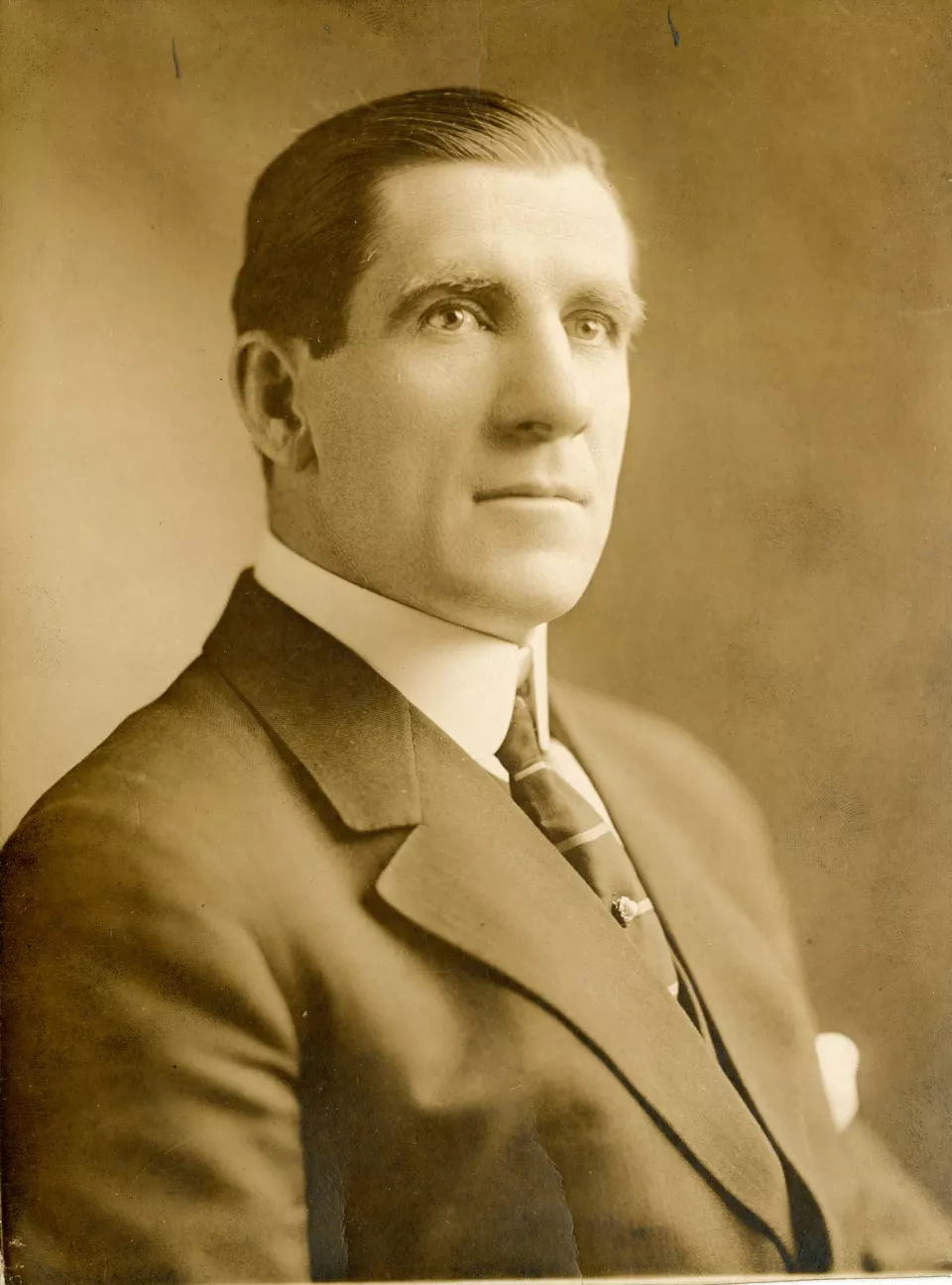
Corbett held the title for the first years of the gloved era, though Wikipedia notes he rarely defended it. His win showed that footwork, timing and a stiff jab could beat strength and nerve, and the scientific approach he brought from the San Francisco club gyms became the model for the gloved era that followed.
Sources
- John L. Sullivan, Wikipedia, accessed October 2026
- James J. Corbett, Wikipedia, accessed October 2026
- George Dixon (boxer), Wikipedia, accessed October 2026
- Jack McAuliffe (boxer), Wikipedia, accessed October 2026
- Storm of Blows, Melissa Haley, Common-place, January 2003
- 1892: One Hundred Years Ago, Nathan Ward, American Heritage, September 1992
- Corbett, Jim, Encyclopedia.com, accessed October 2026
- John L. Sullivan loses the heavyweight boxing championship in New Orleans, Louisiana, When and Where in Boston, accessed October 2026


