
How Ali Outlasted Foreman in the Rumble in the Jungle in Kinshasa, 1974
On 30 October 1974 in Kinshasa, Zaire, Muhammad Ali absorbed George Foreman's power on the ropes and knocked him out in the eighth round to regain the heavyweight title. The story of the promotion, the cut that delayed it and the rope-a-dope.

Before dawn on 30 October 1974, in a stadium in Kinshasa, a 32-year-old former champion that most bettors had written off leaned back on the ropes and let the most feared puncher in the world hit him. Eight rounds later George Foreman was on the canvas, and Muhammad Ali was heavyweight champion again.
A Champion Nobody Wanted to Fight
George Foreman arrived in Africa as close to unbeatable as a heavyweight could look. The 1968 Olympic champion from Mexico City was 40-0 with 37 knockouts. In January 1973 in Kingston, Jamaica, he had taken the title from Joe Frazier, dropping him six times inside two rounds. In March 1974 in Caracas, Venezuela, he put Ken Norton down three times in the second round before the referee waved it off.
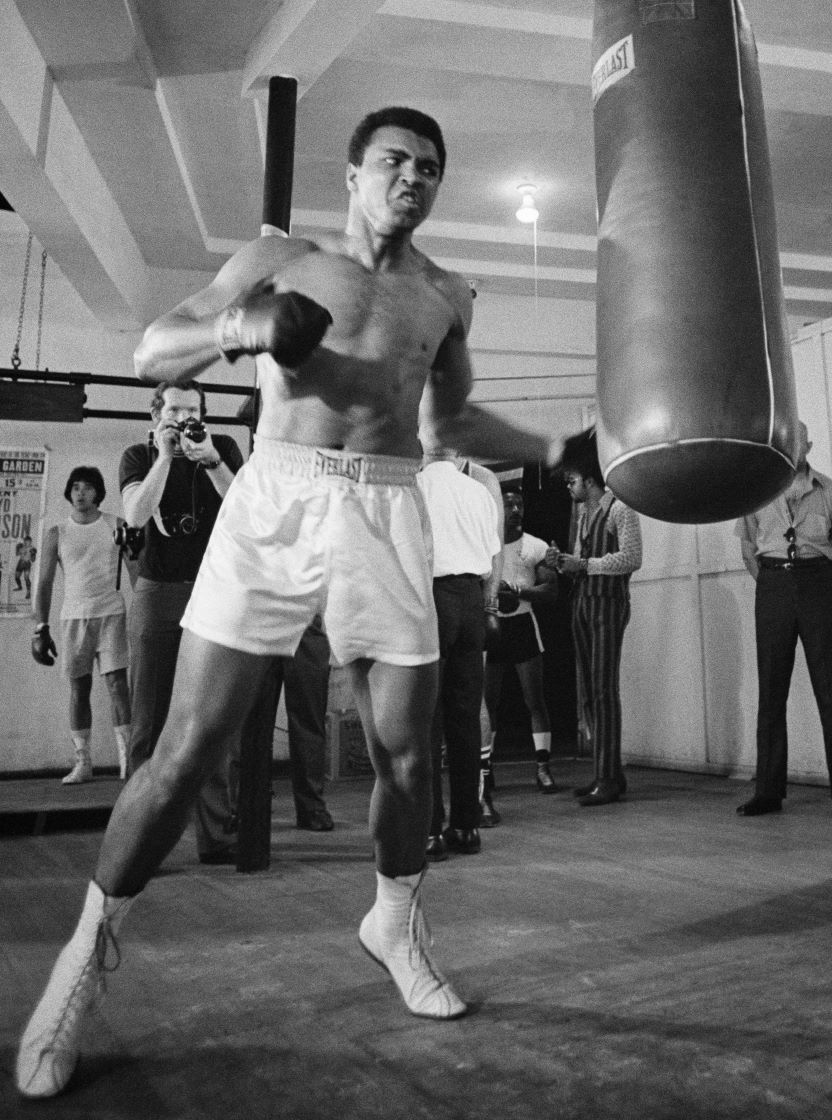
Those two names mattered. Frazier had handed Ali the first defeat of his professional career in 1971, and Norton had beaten him in 1973. Ali had evened both scores in rematches, yet Foreman had needed barely four rounds combined to destroy the two men who had beaten him. Ali was 32, seven years older than the champion, and he was still carrying the long gap of the late 1960s, when he was stripped of his title for refusing induction into the U.S. Army during the Vietnam War. Bookmakers made him roughly a 4-to-1 underdog.
Don King, Mobutu and a Five-Million-Dollar Promise
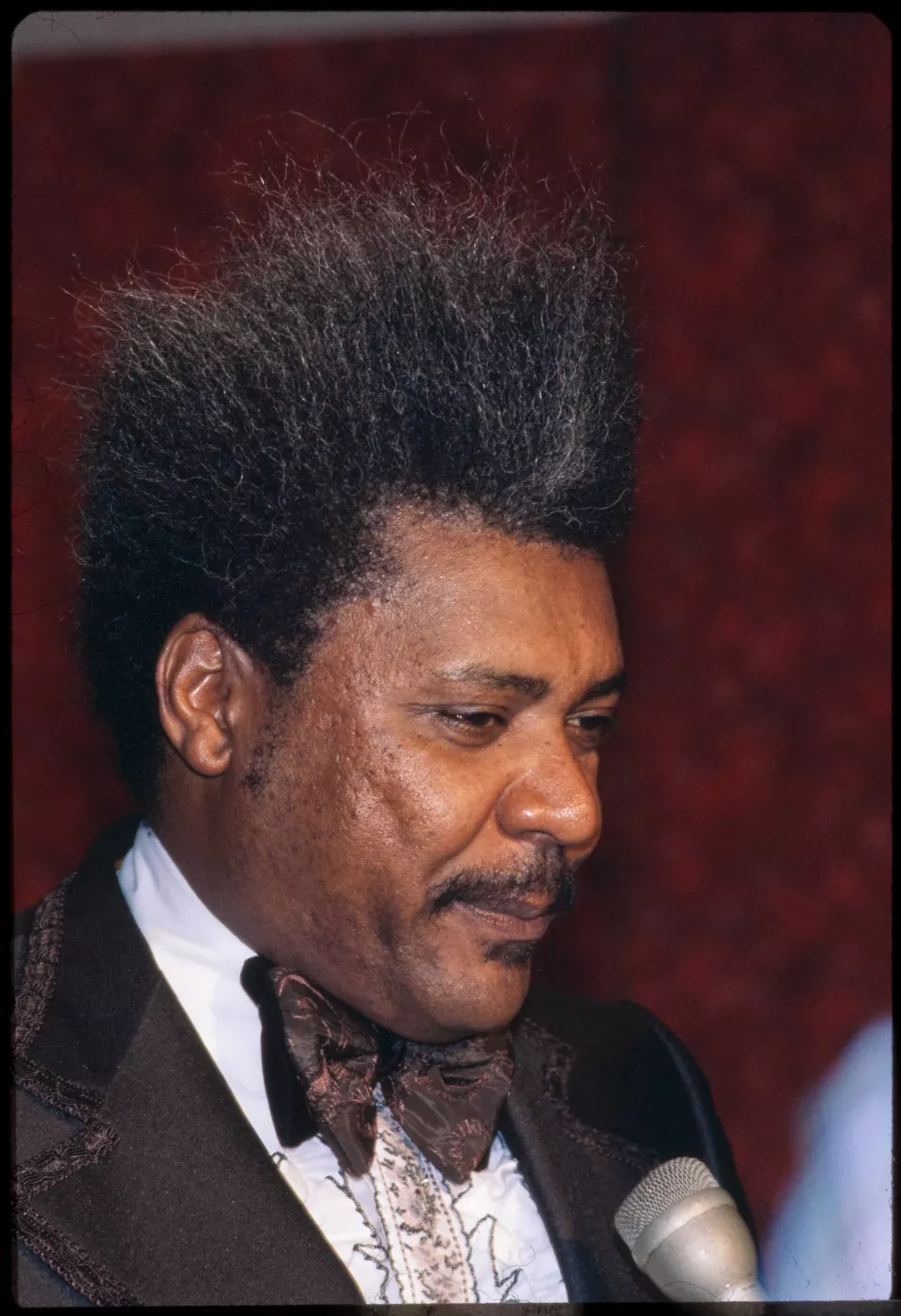
The fight was put together by Don King, then an ambitious newcomer to big-time promotion. His approach was unusual: he persuaded Ali and Foreman to sign separate agreements committing them to fight for him if he could raise a purse of $5 million for each man. He did not have the money when they signed.
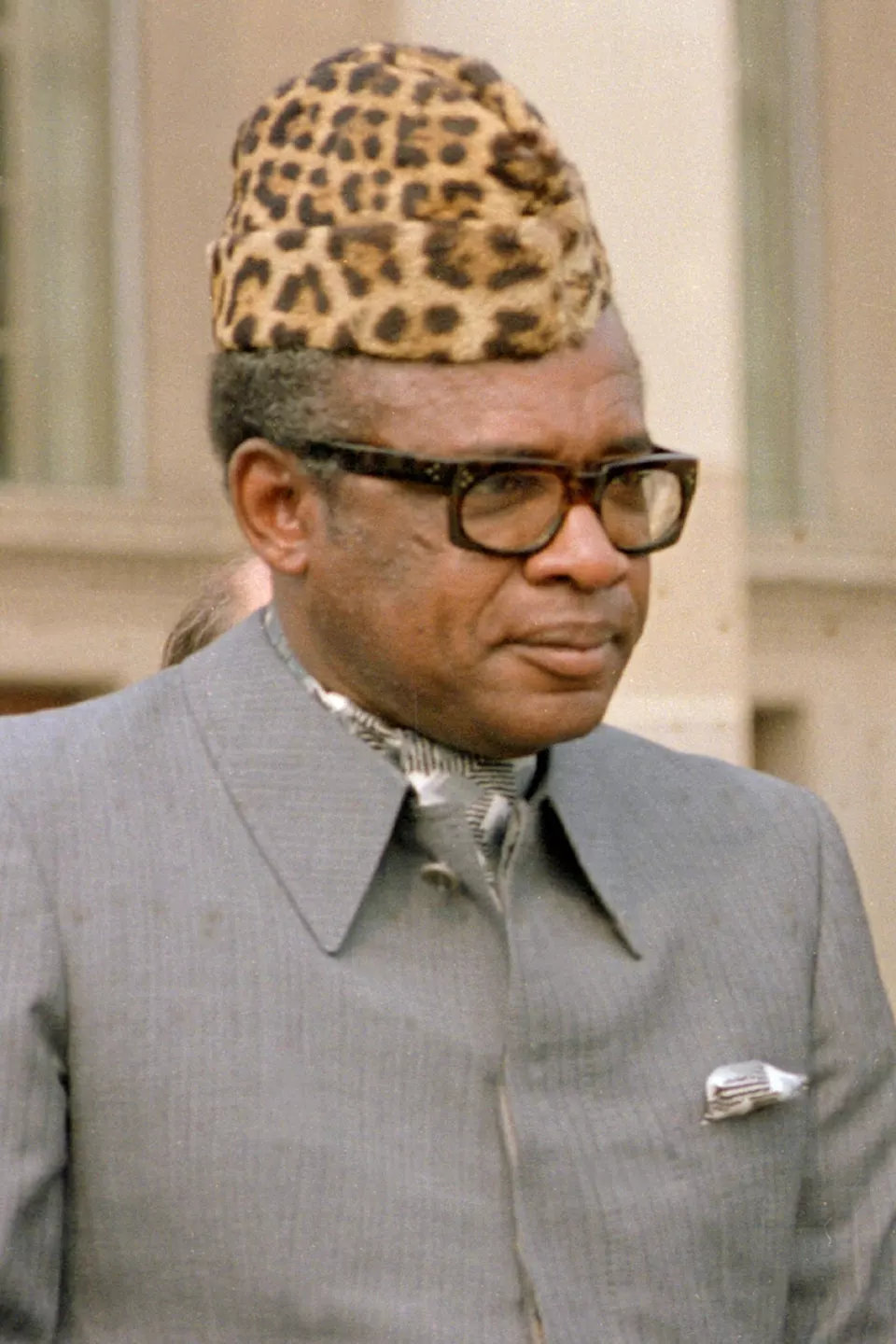
It came from an unlikely place. Mobutu Sese Seko, the authoritarian president of Zaire, now the Democratic Republic of the Congo, agreed to host the bout after being convinced it would give his government and his country worldwide attention. The financing behind the promotion ran through a consortium that included a Panama-registered company, Risnelia Investment, along with Hemdale Film Corporation of Britain, Video Techniques of New York and King's own firm. King later said in a television interview that Libya's Muammar Gaddafi had originally been involved in putting up the purse money, a claim that is hard to test against other records.
The event was planned as more than a prize fight. A three-night music festival, Zaire 74, brought James Brown, B.B. King, Celia Cruz and Miriam Makeba to Kinshasa in late September, and the bout itself was scheduled for 25 September at the Stade du 20 Mai.
The Cut That Stopped the Clock
Eight or nine days before that date, depending on the account, the plan fell apart in a training session. Foreman's sparring partner Bill McMurray caught him with an accidental elbow and opened a cut above the champion's right eye that needed stitches. U.S. State Department cables from the Kinshasa embassy, later published by the National Archives, date the injury to 16 September; Wikipedia's account of the fight gives 17 September.
The cables describe Zairian officials as alarmed. A cancellation would have been a public humiliation for a government that had staked its prestige on the event. Instead the fight was pushed back five weeks, to 30 October. Both fighters remained in the country through the delay, and the extra weeks became part of the story: Ali used them to win over the public, while Foreman remained comparatively isolated.
Ali Wins Kinshasa Before He Wins the Fight
Ali understood the political temperature of the country quickly. According to Andscape's 50th-anniversary account, when he learned how deeply Congolese people resented their former Belgian colonial rulers, he began describing Foreman as a Belgian. The crowds answered with a chant that followed him everywhere and would echo around the stadium on fight night: "Ali, bomaye," usually translated as "Ali, kill him."
For many locals, Ali stood for something larger than boxing. He was a Black American who had paid a heavy price for defying his own government. Foreman, despite his Olympic fame, never connected with the city in the same way.
Four in the Morning at the Stade du 20 Mai
The fight was staged in the middle of the African night so it could be shown in prime time in the United States. Wikipedia puts the start at 4 a.m. local time, 10 p.m. Eastern; Fox News's retrospective puts it at 4:30 a.m. About 60,000 people were in the stadium, Mobutu among them, and closed-circuit and television audiences around the world ran into the tens of millions.
Ali opened with an unusual tactic, leading with right hands against the champion, a punch that gave Foreman a clear look at what was coming. Foreman began landing his own heavy shots before the opening round was over. Then, from the second round on, Ali did something that alarmed his own corner. He went to the ropes and stayed there.
The Rope-a-Dope
Round after round, Ali leaned back, covered his head and body with his arms and gloves, and let Foreman throw. Many punches were blocked or slid off his arms; some missed entirely. The ropes flexed backward and took part of the force that would otherwise have gone straight into Ali's body. In between, Ali kept snapping quick counters into a face that grew more swollen as the night went on. Foreman was shaken in the fourth round and again several times in the fifth.
The idea did not come from nowhere. Accounts collected on Wikipedia credit the photographer George Kalinsky with suggesting that Ali play the "dope on the ropes," and Ali's trainer Angelo Dundee is reported to have heard a similar suggestion; the publicist John Condon is credited with popularising the phrase "rope-a-dope." By the sixth and seventh rounds the result was plain to see. Foreman's punches had lost their snap, and he had begun to realise that the quick finish he expected was not coming.
Round Eight
Late in the eighth, an exhausted Foreman pressed forward once more with his guard falling apart. Ali came off the ropes, hit him with a fast series of punches and finished with a left hook and a hard straight right that sent the champion spinning to the canvas. Foreman began to rise, but referee Zack Clayton completed the count before he was upright. Fox News's account says the knockout came with two seconds left in the round.
At the moment of the stoppage Ali was ahead on all three scorecards: 68-66, 70-67 and 69-66. The Ring magazine later named the bout its 1974 Fight of the Year and the eighth its Round of the Year, and also gave it Upset of the Year.
What Kinshasa Left Behind
Ali had done what almost nobody thought he could: regained the heavyweight championship seven years after it was taken from him outside the ring. Mobutu, in remarks reported in later embassy cables, claimed the fight had put Zaire on the map; the same cables noted that gate and broadcast receipts ran to several times the fighters' purses.
Foreman took the defeat hard. In the 1989 documentary Champions Forever, quoted by Andscape, he said: "I blamed it on the ropes, I blamed it on everything." He never got the rematch he wanted. He walked away from the sport, came back in 1987 after ten years out, and in November 1994, at 45, knocked out Michael Moorer to become champion again. Foreman died in Houston in March 2025, aged 76. The night in Kinshasa was retold in the Academy Award-winning documentary When We Were Kings, released in 1996, and it remains the fight most people picture when they hear the words "rope-a-dope."
Sources
- The Rumble in the Jungle, Wikipedia, accessed October 2026
- Rope-a-dope, Wikipedia, accessed October 2026
- George Foreman, Wikipedia, accessed October 2026
- The Department of State Reports on the George Foreman-Muhammad Ali Fight ("The Rumble in the Jungle") 1974, Part II, U.S. National Archives (The Text Message blog), 15 September 2016
- Ali-Foreman at 50: Rumble in the Jungle still about what it did for the people, Andscape, October 2024
- On this day in history, October 30, 1974, Muhammad Ali wins 'The Rumble in the Jungle', Fox News


