
Tyson vs Spinks in 1988 Was the Richest Fight in History and Lasted 91 Seconds
In June 1988 unbeaten Mike Tyson and lineal champion Michael Spinks met in Atlantic City for the undisputed heavyweight title in a promotion grossing about $70 million. Tyson needed 91 seconds.

On the night of 27 June 1988, two unbeaten heavyweights met at the Atlantic City Convention Hall to settle who really ruled the division. Mike Tyson carried the three sanctioning-body belts; Michael Spinks carried the lineage that ran back through Larry Holmes. The promotion broke every financial record of its day. The fight itself lasted 91 seconds.
Two Champions, One Division
By the summer of 1988 the heavyweight title had been split for years, and the two men with the strongest claims to it had never been in the same ring. Tyson, then 21, had collected the WBC, WBA and IBF belts and arrived with a record of 34 wins, no losses and 30 knockouts. Spinks, ten years older, was also unbeaten at 31-0 with 21 stoppages.
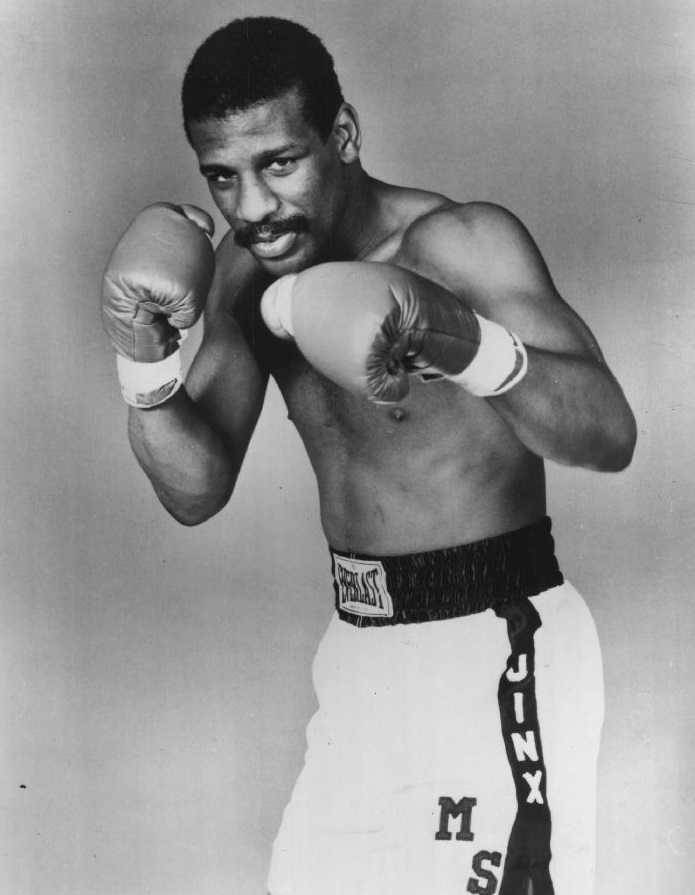
Spinks' path to the top was unusual. A middleweight gold medallist at the 1976 Montreal Olympics, he had reigned as undisputed light heavyweight champion before moving up in 1985 to outpoint Larry Holmes for the IBF heavyweight title. That made him the first reigning light heavyweight champion to take the heavyweight crown. He beat Holmes again in a 1986 rematch on a split decision, and in 1987 he stopped Gerry Cooney. The IBF stripped him that year after he declined to face its mandatory challenger, but the line of succession that boxing historians call the lineal championship stayed with him, because no one had beaten him for it.
That gap is what made the match so marketable. Tyson owned the paper titles; Spinks owned the claim that went back to the man who beat the man. The fight was pitched as the one that would close the argument for good.
Hard Bargaining Over a Record Purse
Getting the two men into the ring took long and difficult negotiation. Butch Lewis, who both managed and promoted Spinks, held out for a guarantee of $15 million and, according to Boxing Insider's account, walked away from the table at least once. There was also a dispute over distance: the IBF initially wanted the bout scheduled for 15 rounds before its president, Bob Lee, agreed to 12.
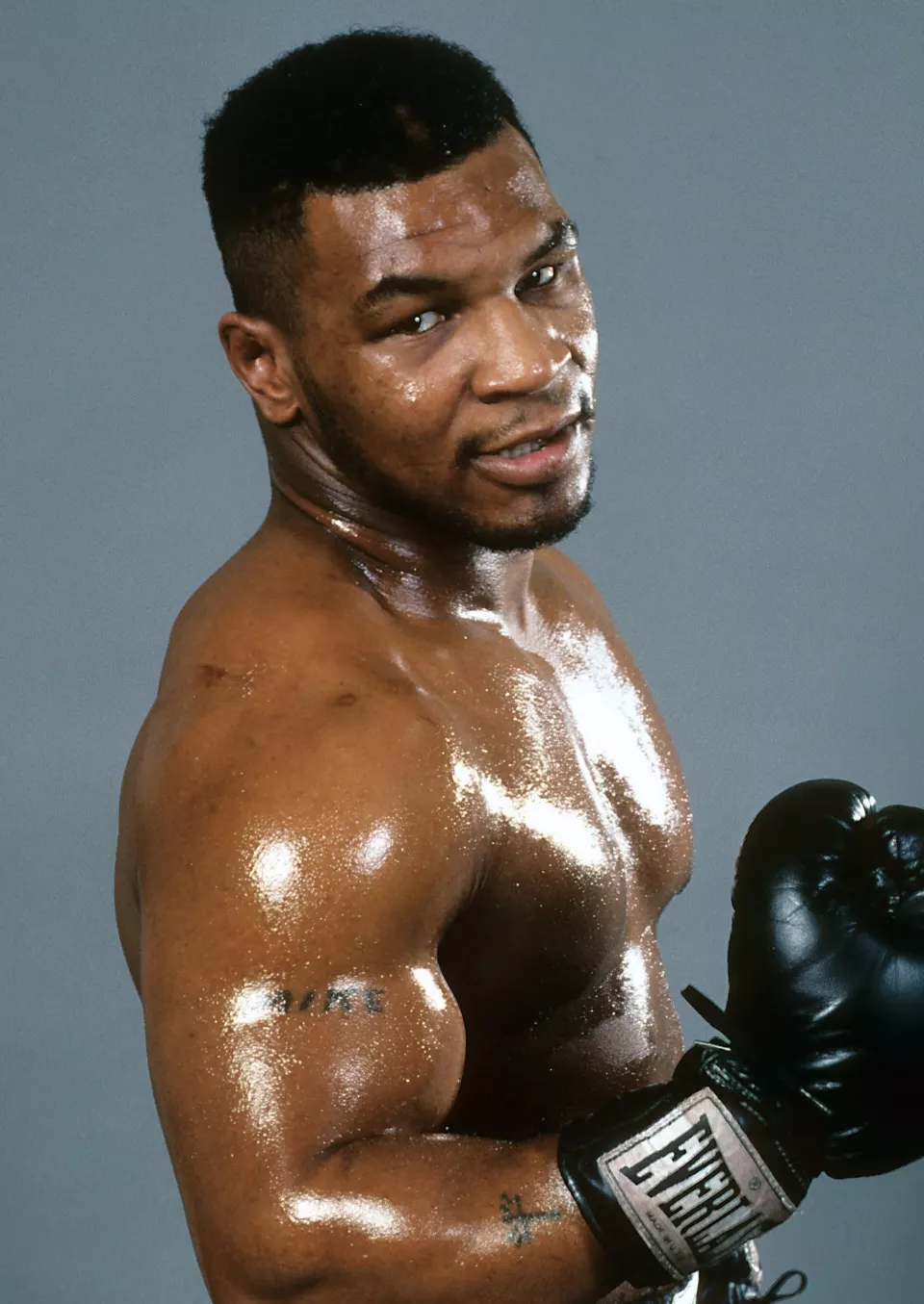
The settlement made history. Tyson's share was reported at about $22 million, the largest purse a boxer had earned up to that point. Spinks agreed to a flat $13.5 million, a figure Wikipedia's account notes was more than the total of all his earlier purses.
Trump Plaza's $11 Million Bet
The host was Trump Plaza, the Atlantic City casino owned by Donald Trump, which paid a site fee of $11 million to stage the event, a record at the time according to Nigel Collins writing for ESPN. The bout was held next door in the Convention Hall, the vast arena on the Boardwalk now known as Boardwalk Hall; some retrospective accounts simply place the fight at Trump Plaza, reflecting the casino's role as host.
The casino did not expect to recoup its fee through tickets alone. The calculation rested on the gamblers that a heavyweight championship would draw to its tables. Trump acknowledged the risk openly, telling reporters, as quoted by ESPN, "It's a high price."
A Crowd of 21,785 and a $70 Million Gross
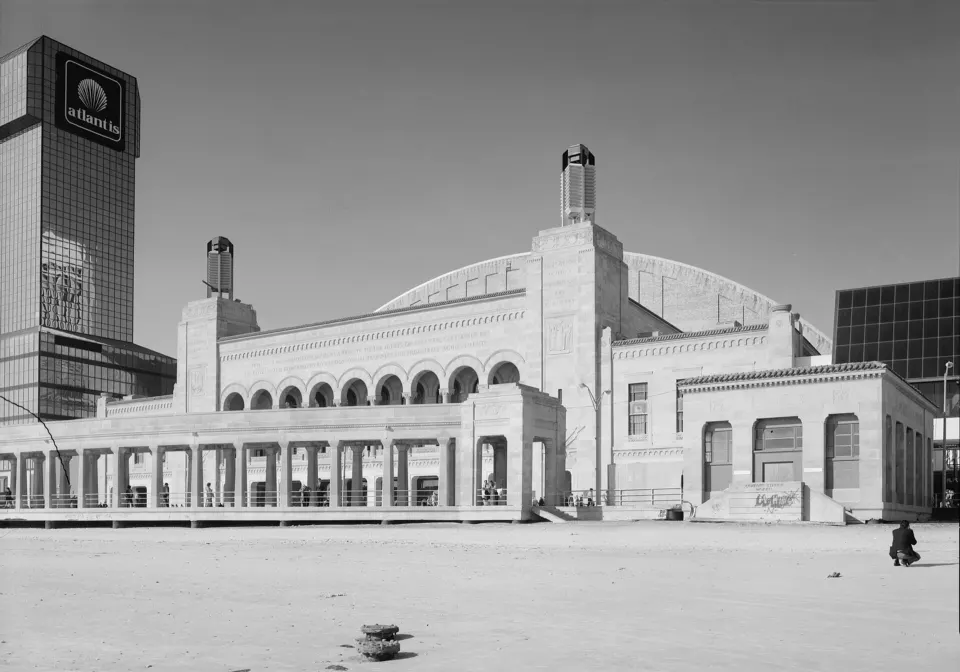
A crowd of 21,785 filled the hall, a venue record according to Boxing Insider. Ringside seats were sold at $1,500. Sources differ slightly on the live gate: ESPN and Boxing Insider put it at $13 million, while Wikipedia gives $12.3 million.
The real money came from screens. Wikipedia's figures list roughly 700,000 pay-per-view households bringing in about $21 million and some 800,000 closed-circuit tickets worth around $32 million; ESPN's retrospective gives a combined pay-per-view and theatre figure of about $22 million, so these totals should be read as estimates. Overall, the event is generally credited with a gross of roughly $70 million, making it the richest fight staged to that date.
The audience inside the hall matched the money. Boxing News lists Muhammad Ali, Jack Nicholson, Warren Beatty, Sylvester Stallone and Madonna among those in attendance.
The Glove Protest Before the Walk
Minutes before the fighters were due in the ring, Lewis made one last move. Inspecting Tyson's gear in the dressing room, he objected to what he said was a lump near the wrist of the champion's left glove and insisted it be examined. New Jersey commission chairman Larry Hazzard looked at it and found nothing wrong, and Spinks' veteran trainer Eddie Futch also accepted the glove. Lewis later admitted that the protest had been partly an attempt to rattle Tyson.
If that was the plan, it backfired. Tyson, by several accounts already restless in his dressing room, came out of the delay looking anything but unsettled.
Ninety-One Seconds
Referee Frank Cappuccino started the fight and Tyson went straight forward. Within roughly ten seconds he had landed a left hook. Spinks tried to tie him up and keep the exchanges short, but there was no space to work in.
At about the one-minute mark Tyson drove a left uppercut and a right to the body, and Spinks went down to one knee. He was up at the count of four. Whether this was the first knockdown of his professional career is one point where sources disagree: Wikipedia records it as only the second time he had been put down as a pro, while Boxing News and several other retrospectives describe Spinks as never having been floored before that night.
The end came moments later. Tyson landed a left followed by a sweeping right to the jaw, and this time Spinks could not beat the count; and Cappuccino counted him out 1 minute 31 seconds into the first round. Punch counts compiled for the fight show just ten blows landed in total, eight by Tyson and two by Spinks. The Ring later named it its round of the year for 1988.
Reactions in the Ring
Spinks did not make excuses. He said he had come to fight as he had promised and had fallen short. Futch's assessment, reported in Wikipedia's account, was that his fighter had abandoned the boxing plan they had prepared and tried instead to stand and earn Tyson's respect. Years later Spinks would admit that fear had been very much present that night.
Tyson's own reading of the fight was brief. He said he could see Spinks wobble from the first punch he threw, and knew then that the fight was his. He showed little celebration in the ring, a detail noted by Boxing News.
Aftermath: A Retirement and a Peak
About a month later Spinks announced his retirement at 31. The Tyson loss was the only defeat of his professional career, which closed at 31-1, and he went on to be inducted into the International Boxing Hall of Fame.
For Tyson, Atlantic City would come to look like a summit. It was his last fight with trainer Kevin Rooney, who was dismissed at the end of the year, and his business affairs were already being contested between his manager Bill Cayton and promoter Don King. He made two more successful defences before his upset loss to James "Buster" Douglas in 1990. Many writers, including Boxing News in its retrospective, regard the Spinks fight as the last truly great performance of his prime.
What remains is a set of figures that still define the event: an $11 million site fee, a gross of about $70 million, two unbeaten champions, ten landed punches and 91 seconds.
Sources
- Mike Tyson vs. Michael Spinks, Wikipedia, accessed October 2026
- Michael Spinks, Wikipedia, accessed October 2026
- Superfight No. 10: Spinks-Tyson, Nigel Collins, ESPN, 29 August 2013
- On this day: Mike Tyson knocks out Michael Spinks inside a round, Boxing News, 27 June 2019
- The fight, the finances, and the full story behind the most famous 91 seconds in heavyweight history, Boxing Insider, 2 March 2026


