
Louis vs Conn I Reconsidered: A Drained Champion, Blackburn's Order and the Disputed 13th Round
Joe Louis dehydrated himself to weigh under 200 pounds, trailed Billy Conn on two of three cards after 12 rounds and was told he needed a knockout. The champion's side of the 1941 Polo Grounds fight, and a historian's challenge to the story that Conn threw it away by slugging.
The usual telling of Joe Louis vs Billy Conn, fought at the Polo Grounds on 18 June 1941, is a parable about a challenger who threw away the heavyweight title in one reckless round. Seen from the champion's side, and against the fight film as one historian has read it, the night looks different: a titleholder who weakened himself to look fair, fell behind on the cards, and was told by his trainer that only a knockout would save him.
Six Defenses in Six Months
By the summer of 1941 Joe Louis had been heavyweight champion for four years and had run out of obvious challengers. Between January 1939 and May 1941 he defended the title thirteen times, a pace that earned his opponents the mocking collective name "Bum of the Month Club," even though several were respectable contenders. In 1941 alone he had already beaten Red Burman, Gus Dorazio, Abe Simon, Tony Musto and Buddy Baer before Conn's turn came. The Baer fight on 23 May was no stroll: according to Wikipedia, Baer was leading until a Louis barrage at the end of the sixth, and the result came only when Baer was disqualified before the seventh.
The historian Monte Cox, writing for the International Boxing Research Organization, counts the Conn bout as Louis's eighteenth title defense and his sixth of the year. He quotes The Ring's James P. Dawson arguing that Louis was meeting a light heavyweight simply because no fresh heavyweights were left. Talk of burnout followed the champion into camp. In a Ring preview cited by Cox, Dan Daniel wrote that Louis was not hungry and held no grudge against Conn, and gave the underdog a real chance.
A Champion Who Did Not Want to Look Like a Bully
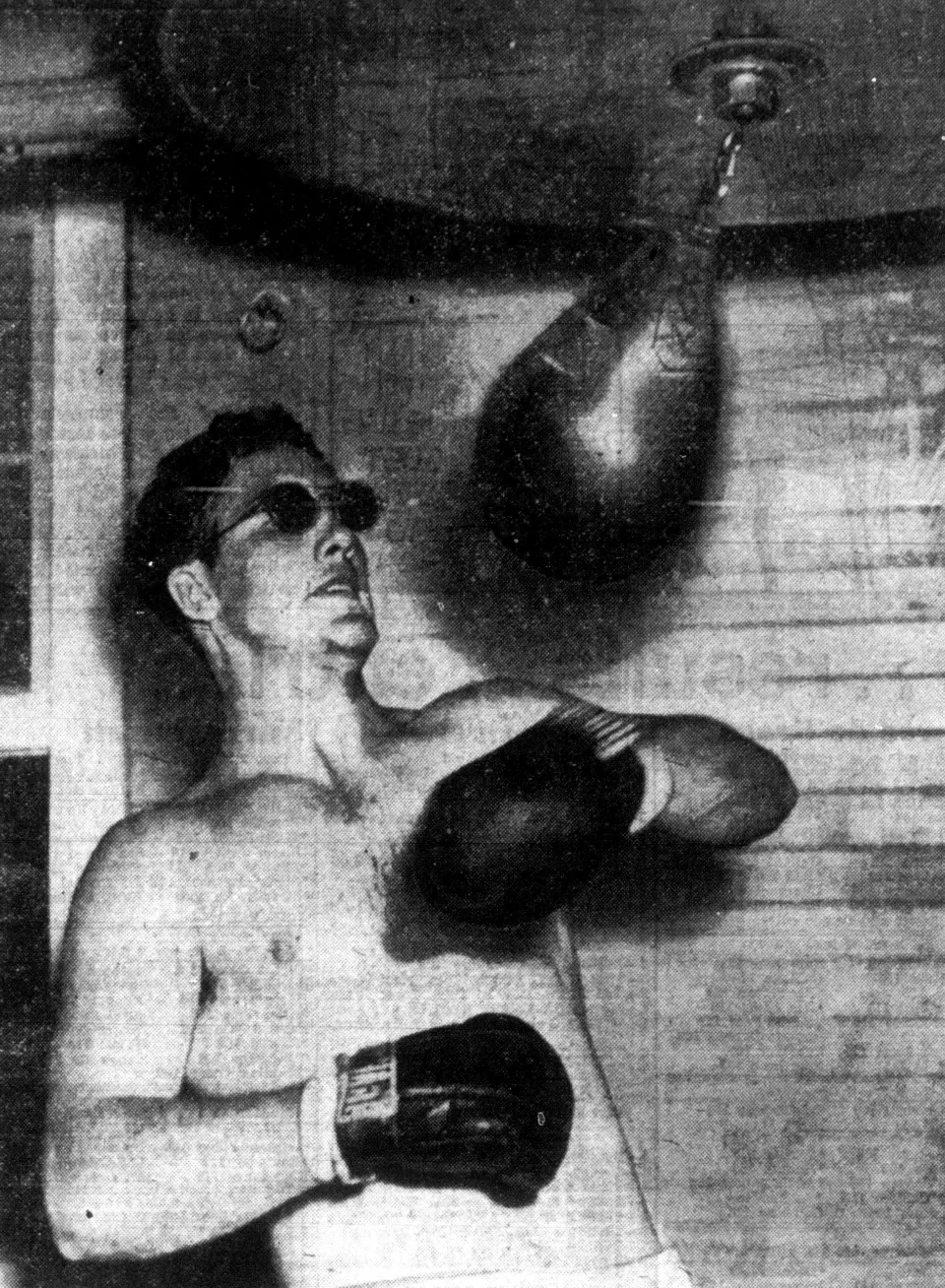
Billy Conn arrived as the world light heavyweight champion, a fast, upright boxer from Pittsburgh who had already beaten several bigger men, including a thirteenth-round stoppage of the clever Bob Pastor. He weighed in at 174 pounds to Louis's 199½. Cox notes that Conn was the lightest heavyweight title challenger since Georges Carpentier against Jack Dempsey. The odds reflected the doubts about Louis: Wikipedia records him as a 5-2 favourite, while Cox puts the line at 3-1, still the closest of any Louis fight since the 1938 Schmeling rematch.
The gap in size bothered Louis, though not in the way it bothered Conn. He worried that beating a much smaller man would look like bullying in the newspapers. Wikipedia quotes his own account: on the day before the fight he did some roadwork to break a sweat and drank as little water as possible so the scales would read under 200 pounds. He usually rested that day. Cox, citing Louis's autobiography, adds that Jack Blackburn, the trainer Louis called Chappie, was furious about it. Wikipedia also records that Louis skipped breakfast on the morning of the weigh-in and then ate steak, black-eyed peas and salad to get his strength back before the bout.
The Champion Fades in the Middle Rounds
A crowd that Wikipedia and ESPN put at 54,487, and The Fight City estimates at close to 60,000, watched the early rounds go mostly Louis's way. He stalked Conn and landed heavy rights in the second. The fifth was his best round before the end, a left hook and a body attack that left Conn hurt; The Fight City reports that Conn needed smelling salts in his corner afterwards.
After that the fight changed hands. Cox, drawing on Louis's later recollection, writes that by the eighth round the champion said he was exhausted, and he links that directly to the dehydration. Conn's hands were quicker and he moved in, scored and slipped back out of range. Louis settled for following him patiently and waiting for a mistake. The sources do not agree on when the most quoted exchange of the night happened. The Fight City has Conn telling Louis at the end of the ninth that he was in a fight, and Louis answering that he knew it. Cox places a similar remark in the thirteenth, with a different reply from Louis.
The twelfth was Conn's best round. Coming off the ropes, he landed a left hook to the body and a run of left hooks to the jaw that buckled Louis's knees and sent him back against the ropes, holding on. For the first time all night the champion was visibly shaken.
Blackburn's Message Before the 13th
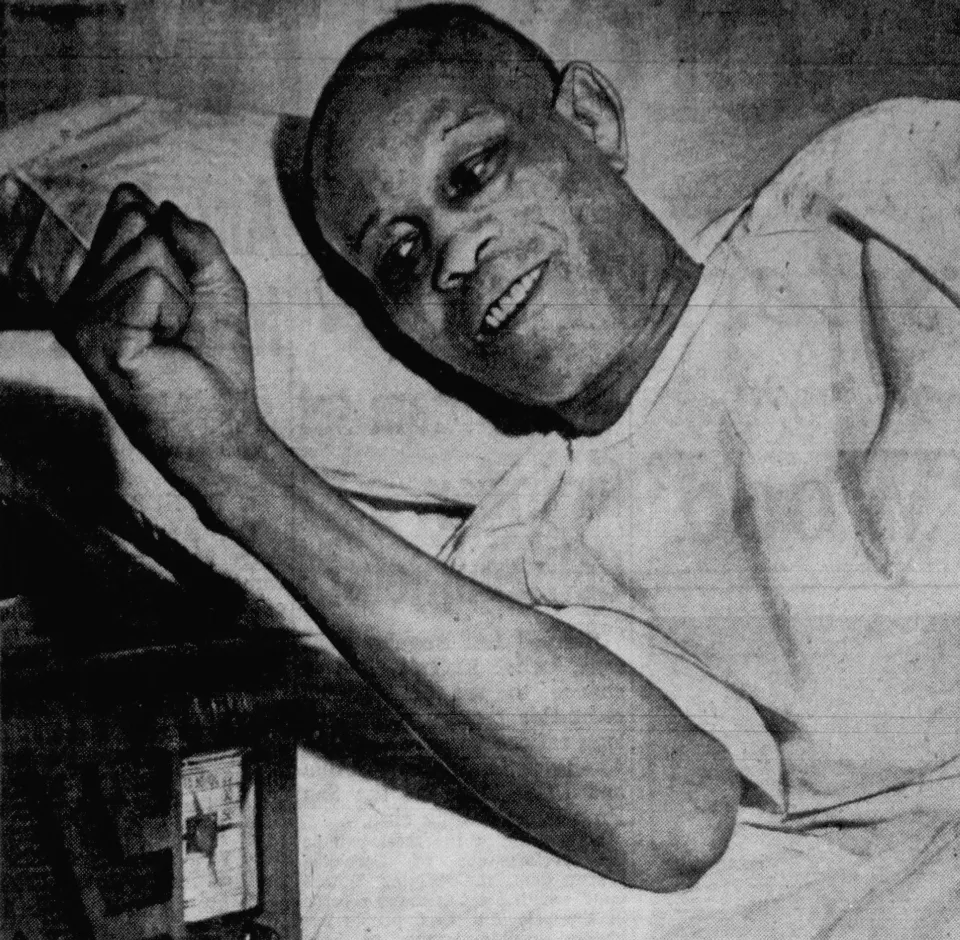
The official cards, kept under New York's round system, confirmed what Louis's corner already suspected. Referee Eddie Joseph had Conn ahead 7-5 and judge Marty Monroe had him in front 7-4-1, while judge Bill Healey scored it 6-6. The Associated Press had Conn ahead 8-4. Cox and Wikipedia both record Blackburn's instruction between rounds: "You're losing on points. You got to knock him out." Louis himself, quoted by ESPN, said he had been hoping Conn would lose his head because he knew he was losing the title.
Did Conn Really Gamble?
The familiar version says that Conn, encouraged by the twelfth, abandoned his boxing and went looking for a knockout. Wikipedia's account of the thirteenth has Louis moving inside Conn's left hook, hurting him with a hook and a right, and then landing right after right before dropping him late in the round. Conn helped build the legend himself. He told reporters he had lost his head and a million bucks, and joked about his Irish temperament; Wikipedia gives the punchline as being thick, ESPN as being dumb.
Cox argues that the story owes more to Conn's post-fight excuse than to what happened in the ring. In his reading of the film, Conn opened the thirteenth circling to his left and backing away, as he had in the rounds he won. It was Louis who changed, coming out harder on Blackburn's orders and landing jabs, right hands and uppercuts. Conn, already hurt, threw back to keep the champion off him. The decisive moment, by Cox's account, came when Conn tried a wide left hook and Louis countered it with a short right to the jaw. Louis is quoted as saying he had been waiting for exactly that hook. Cox also cites Bill Corum of the New York Journal American, who wrote that Conn was caught in the normal run of the fight and, worn down by the earlier body punches, lacked the stamina to survive.
The finish is not in dispute. A final short right put Conn down, he could not beat the count, and he was counted out at 2:58 of the round, two seconds before the bell.
What the Winner Said
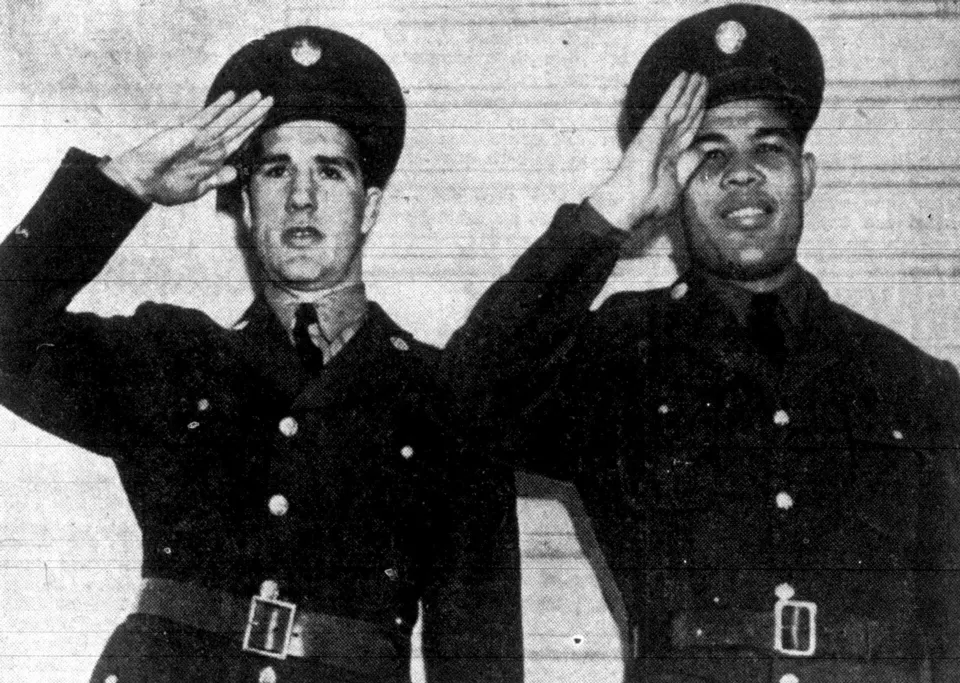
Louis did not pretend it had been easy. In remarks quoted by Wikipedia, he said he had been far behind and had to knock Conn out, and that Conn knew how to take care of himself in the ring better than anyone he had fought. Conn, for his part, said he could not remember any single punch in the thirteenth, only that there had been a great many, and that he wanted to fight Louis again. That rematch was delayed by the war and did not take place until 1946, when Louis won again.
Whichever account of the thirteenth is closer to the truth, the record shows a champion who came in drained by his own choice, was behind on two of three cards with three rounds to go, and still found the knockout. In 1996 The Ring ranked the fight sixth among the greatest title fights of all time.
Sources
- Joe Louis vs. Billy Conn, Wikipedia, accessed October 2026
- Joe Louis, Wikipedia, accessed October 2026
- Billy Conn, Wikipedia, accessed October 2026
- Louis Close Call Against Conn, Monte Cox, International Boxing Research Organization Journal No. 90
- What's the sense of being Irish?, ESPN Classic, accessed October 2026
- June 18, 1941: Louis vs Conn I, The Fight City, accessed October 2026
