
Leonard vs Benítez in 1979 Ended Six Seconds From the Bell With Sugar Ray Winning His First World Title
At Caesars Palace on 30 November 1979, Sugar Ray Leonard spent fifteen rounds solving Wilfred Benítez's elusive defence before a final-round knockdown and a stoppage with six seconds left made him WBC welterweight champion.

On 30 November 1979, at Caesars Palace in Las Vegas, an unbeaten Olympic champion met an unbeaten world champion who had made a career out of not being hit. For fourteen rounds Sugar Ray Leonard and Wilfred Benítez fought a chess match of feints and slips. Then, in the last minute of the fifteenth, Leonard finally broke through, and the referee waved it off with six seconds left on the clock.
Two Unbeaten Prodigies on One Bill
Wilfred Benítez arrived at the fight as one of the most precocious talents the sport had ever seen. On 6 March 1976, still only 17, he had beaten Antonio Cervantes to become the youngest world champion in boxing history, a distinction he still holds. On 14 January 1979 he added the WBC welterweight title, and by the night he faced Leonard he was 21 years old, his record standing at 38 wins, no losses and one draw. Facing Leonard would be his second defence of that welterweight belt.
Sugar Ray Leonard, 23, carried a different kind of fame. His light welterweight gold medal at the 1976 Montreal Olympics had made him a household name before he ever turned professional, and since his debut on 5 February 1977 he had not lost. Sources differ slightly on his ledger going in: most accounts, including Boxing News, list him at 25-0, while one Wikipedia summary gives 24-0. Either way, he had been brought along carefully by trainer Angelo Dundee and was ready for his first world title shot. The bookmakers made him roughly a 3-to-1 favourite.
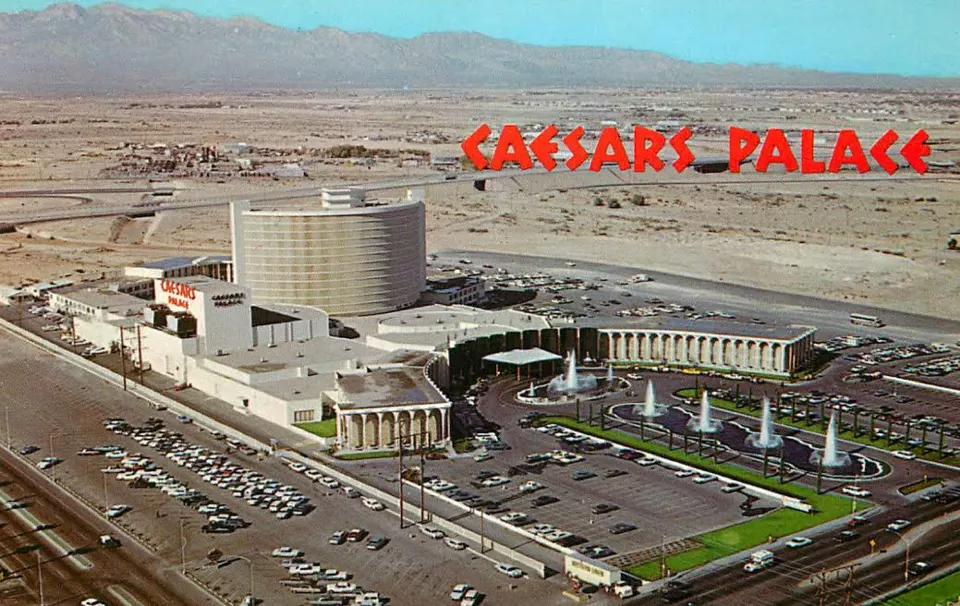
The money reflected how much attention the match commanded. Benítez, as champion, was paid $1.2 million and Leonard $1 million, figures that made it the richest fight outside the heavyweight division up to that time. ABC carried it live in prime time, with Howard Cosell at ringside, and the card around it was strong: Vito Antuofermo kept his middleweight title in a draw with a young Marvin Hagler, and Marvin Johnson stopped Víctor Galíndez for the WBA light heavyweight crown. The Caesars Palace crowd was put at about 4,600.
A Father's Warning in The Ring
One of the odder subplots came from the champion's own corner. Gregorio Benítez, Wilfred's father and trainer, wrote a piece for The Ring magazine under the headline "Why Benitez Will Lose His Title," complaining that his son was not working hard enough in camp. He later explained that the article had been meant to shake the young champion into proper preparation. Whether it worked or not, the warning hung over the build-up: the gifted champion with the questionable work ethic against the disciplined, polished challenger.
El Radar and the Art of Making Men Miss
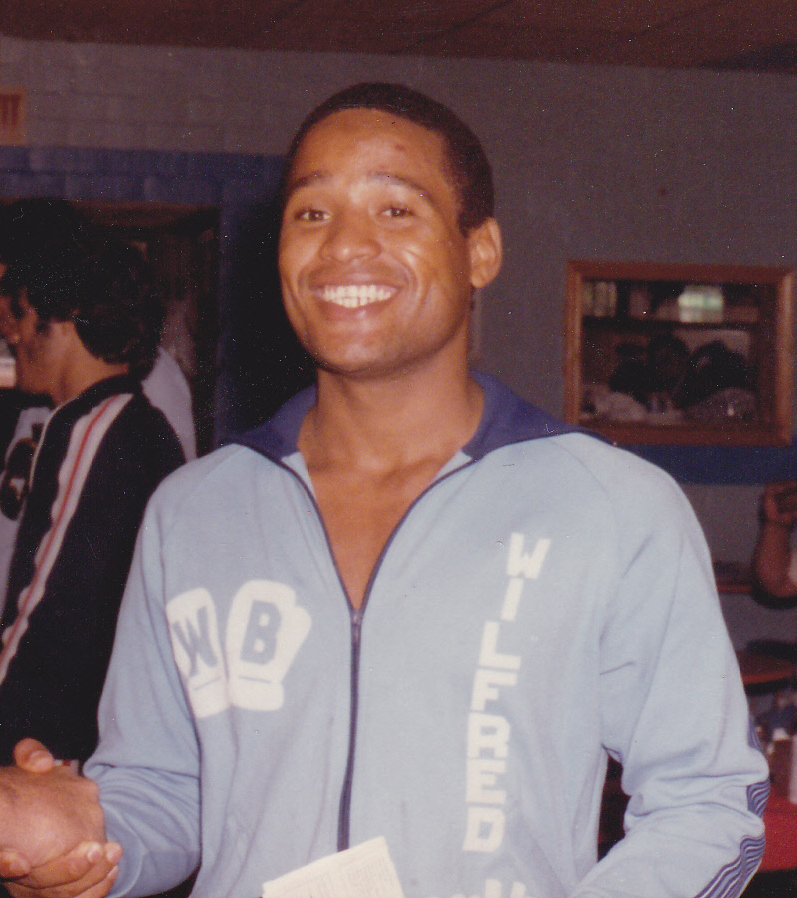
Benítez was known as "El Radar," and the nickname described his method precisely. He read punches early and let them pass by with small movements of his head and upper body, often by inches, before answering with sharp counters. He could box at range behind his jab or stand close and trade in short bursts. Opponents who were faster on paper found themselves punching air.
Leonard ran into exactly that problem. He had built his early career on hand speed and combinations, and against Benítez many of those combinations landed on nothing. Afterwards he admitted as much. "No one, I mean no one, can make me miss punches like that," Leonard said, as quoted by Boxing News. The Fight City's retrospective records him describing the experience as like looking into a mirror.
The Jab That Put the Champion Down
Leonard's early work suggested he might solve the puzzle quickly. He stung Benítez with a left hook in the first round, and in the third a clean, well-timed jab dropped the champion onto the seat of his trunks. It was more a matter of balance and timing than of damage, and Benítez rose to continue, but it put Leonard ahead and announced that the challenger's speed could reach him.
Benítez answered in the fourth. He began to find the range for his right hand, and for a stretch Leonard looked less sure of himself as his punches slid off target. The fight settled into the pattern that would define most of the night: tight, technical exchanges, neither man willing to overcommit, each trying to draw the other into a mistake.
Blood in the Sixth, Pressure in the Middle Rounds
In the sixth round the two men's heads clashed, and Benítez came away with a cut on his forehead. The collision was accidental, but the wound gave the champion another problem to manage over the remaining nine rounds. Leonard's corner urged him to go to the body, trying to slow a fighter who was so hard to catch upstairs.
Through the middle and late rounds Leonard gradually built his lead. The ninth and eleventh rounds brought some of his better bursts, with hooks and flurries getting through Benítez's guard more often than in the early going. Still, the champion kept making him miss and kept answering, and the fight remained competitive enough that it was never a procession.
Six Seconds From the Final Bell
By the fifteenth round, the last of the scheduled distance, both fighters chose to stand and trade. With roughly thirty seconds remaining, Leonard landed a left that sent Benítez to his knees for the second knockdown of the night. Accounts of the punch differ: the Wikipedia article on the bout calls it a left uppercut, while Boxing News and Leonard's own Wikipedia biography describe a left hook, and The Fight City simply calls it a hard left.
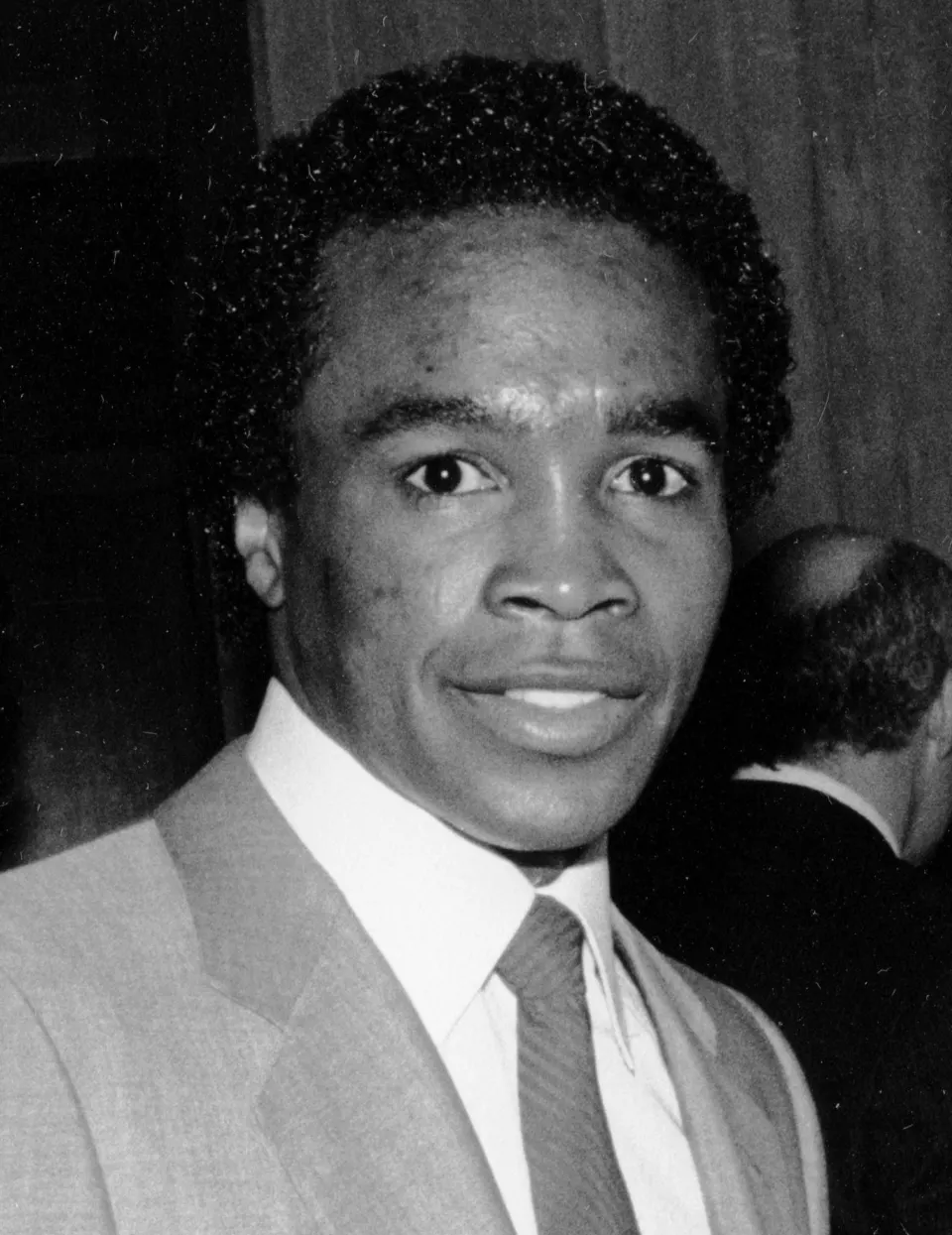
Benítez got up, but Leonard landed again, and referee Carlos Padilla stepped in to stop it at 2:54 of the round, six seconds before the final bell. The judges' cards at the time had Leonard ahead by 137-133, 137-130 and 136-134. Sources vary slightly in how they describe those totals: some present them as the scores at the moment of the stoppage, while Leonard's Wikipedia biography lists them as the cards going into the final round. Either way, Leonard was clearly ahead and was on course to win had it gone the distance.
A Contest of Craft, Not Just Speed
Angelo Dundee, who had worked with plenty of great fighters, came away impressed by the quality of the fight from both sides. "From a technical standpoint, there was more done in this fight than I've seen done for a long time," he said, according to Boxing News. Benítez, for his part, was gracious in defeat, telling reporters that Leonard was now the best in the world.
For Leonard, the win meant the WBC and The Ring welterweight titles and the move from Olympic star to world champion. He went straight into title defences, stopping Dave "Boy" Green in four rounds on 31 March 1980, and talk soon turned to WBA champion Pipino Cuevas and the former lightweight king Roberto Durán. The Durán fights and the rest of Leonard's remarkable career belong to a separate story.
Benítez After Las Vegas
The loss did not end Benítez's run at the top. On 23 May 1981, at 22, he beat Maurice Hope for the WBC light middleweight title, becoming the youngest fighter to win world titles in three weight classes. But the night in Las Vegas remains the fight most often used to explain who he was: a defensive genius who pushed one of the finest welterweights of any era almost all the way to the final bell, and who was beaten only in the last half-minute of forty-five minutes of boxing.
Sources
- Wilfred Benítez vs. Sugar Ray Leonard, Wikipedia, accessed October 2026
- Wilfred Benítez, Wikipedia, accessed October 2026
- Sugar Ray Leonard, Wikipedia, accessed October 2026
- On This Day: Sugar Ray Leonard halts Wilfred Benitez in 15 rounds, Matt Christie, Boxing News, 30 November 2018
- Nov. 30, 1979: Benitez vs Leonard, Robert Portis, The Fight City, 30 November 2025


