
Hagler vs Leonard in 1987 Left Contract Terms, Flurries and Scorecards Still in Dispute
Sugar Ray Leonard returned from near-retirement to take Marvin Hagler's middleweight title on a split decision at Caesars Palace on 6 April 1987. How the negotiated terms, Leonard's late-round flurries and one lopsided scorecard shaped a result still argued over.

On the night of 6 April 1987, in an outdoor arena built behind Caesars Palace, Sugar Ray Leonard came back from almost three years of inactivity and took the middleweight championship from Marvelous Marvin Hagler on a split decision. The fight was won, many argue, at the negotiating table before a punch was thrown, and the scorecards that settled it are still being argued over nearly four decades later.
A Comeback Built Around One Opponent
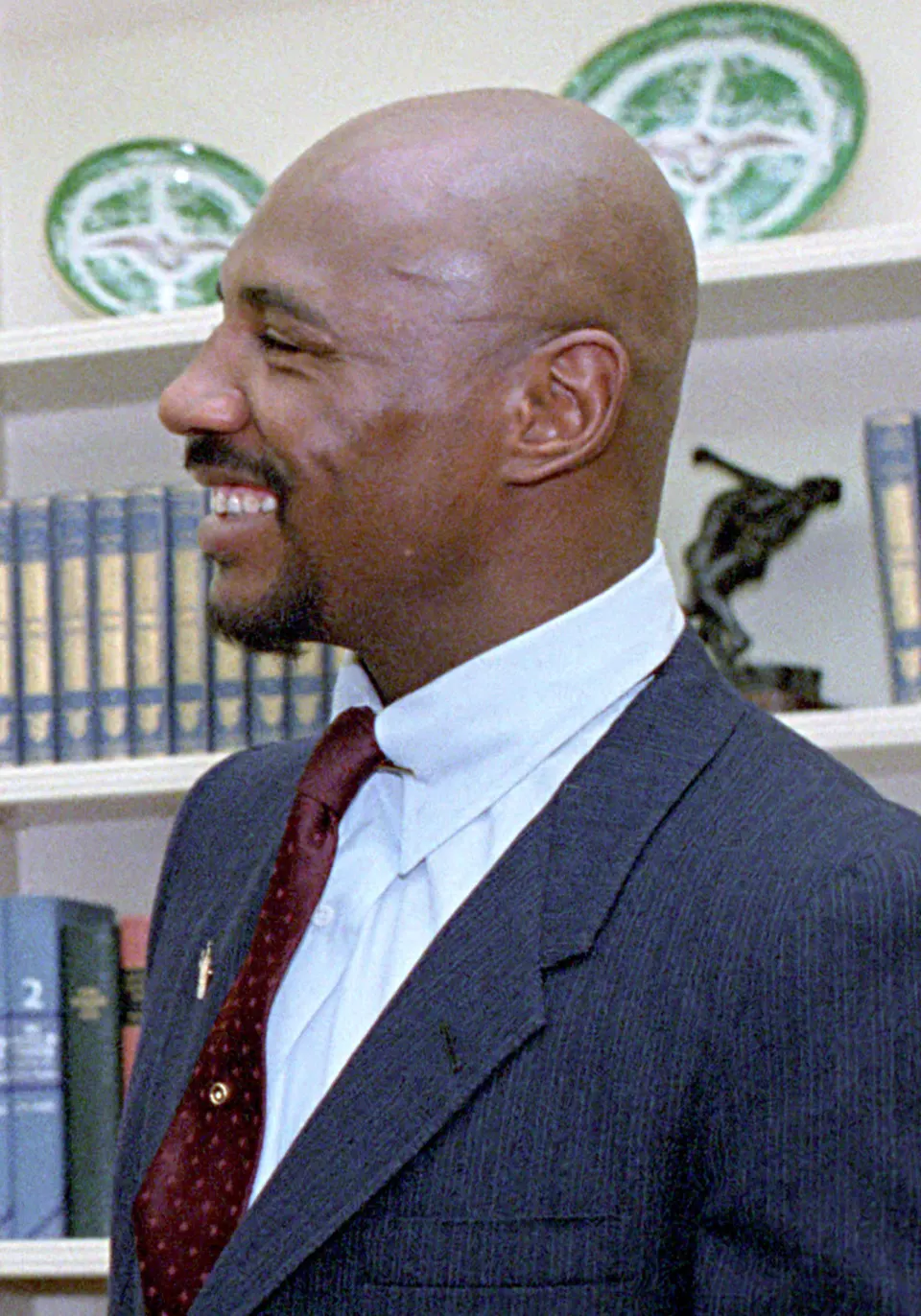
Leonard had stepped away in 1982 after treatment for a detached retina. He boxed once more, beating Kevin Howard in 1984, but was unhappy with how he looked that night and retired again. By then Hagler had become the most feared middleweight in the world, a southpaw champion who had been fighting professionally for well over a decade.
What changed Leonard's mind, according to the account compiled on Wikipedia, was Hagler's March 1986 defence against John Mugabi. Hagler stopped the Ugandan in the eleventh round, but Mugabi had landed enough to swell the champion's right eye, and Leonard came away believing the older man could be beaten. In May 1986 he announced he was returning for one fight, and only for Hagler. The champion hesitated. In July he spoke publicly about retirement; by August he had decided to take the fight.
Away from the cameras, Leonard was doing more than talking. He later revealed that he had taken part in four private warm-up bouts before the Hagler fight, winning all four, two by knockout. None of it was visible to the press, and of fifty sportswriters polled before the bout, forty-six picked Hagler.
The Contract: Twenty-Two Feet, Ten Ounces, Twelve Rounds
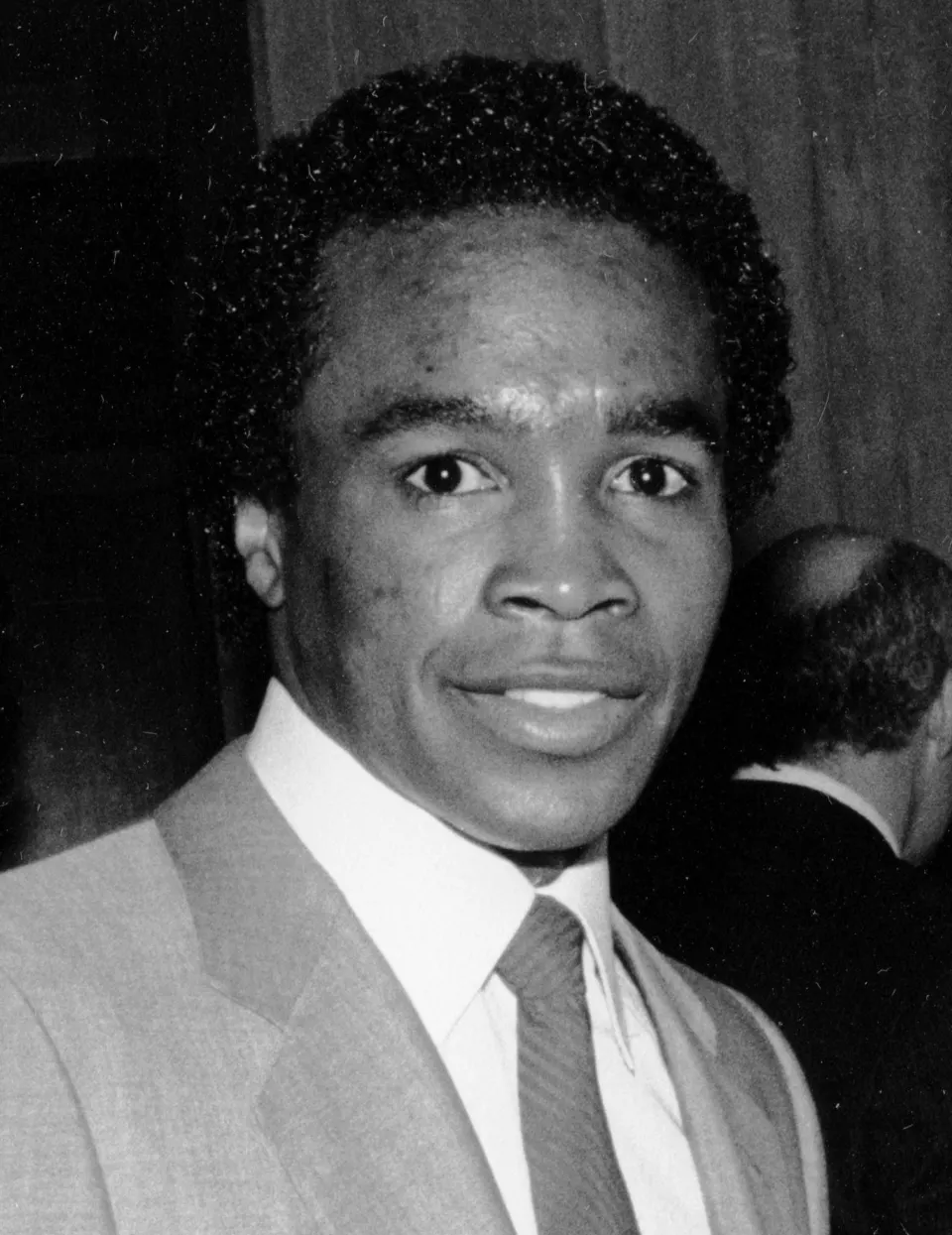
Leonard's side came into negotiations with conditions, and Hagler, eager for the biggest payday of his career, accepted them. The ring would measure 22 feet by 22 feet, giving a mover like Leonard more room to circle away from pressure. The gloves would be 10 ounces rather than 8, adding padding to the fists of a heavy hitter. And the fight would be scheduled for twelve rounds, not the fifteen Hagler wanted, shortening the distance over which the champion's pressure could wear down a man who had barely boxed in five years.
In exchange, Hagler took the larger guarantee: $12 million plus a share of revenues, against $11 million for Leonard plus half of the closed-circuit rights in Maryland and Washington, D.C. Reported final earnings vary by source. Wikipedia puts Hagler near $20 million and Leonard near $12 million, while the Boston Globe's Steve Marantz gave Hagler's figure as $18.5 million. ESPN's Nigel Collins wrote that the event generated roughly $70 million.
The belts on offer had their own complications. The WBA stripped Hagler for declining to face its mandatory challenger, Herol Graham. The IBF kept him as champion but said its title would become vacant if he lost. What Leonard could win, in the end, was the WBC and The Ring middleweight championships.
Hagler Gives Away the Opening Rounds
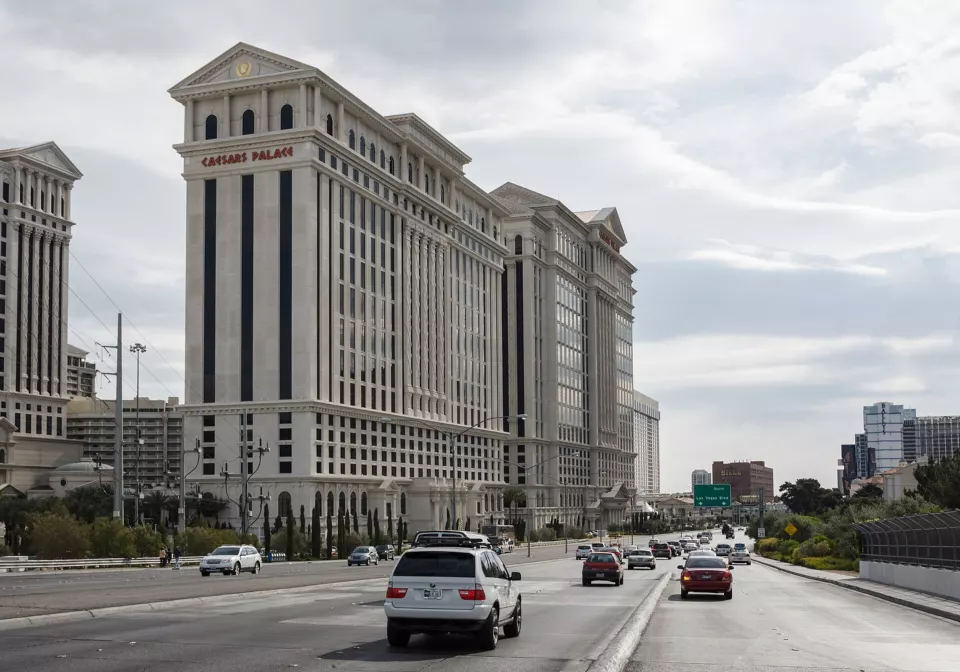
A crowd of 15,366 filled the open-air stadium, according to the Associated Press report of the night. Hagler was the clear betting favourite, though the price differs depending on who recorded it: the AP had him at 2½ to 1, Marantz at 3 to 1, and Boxing News at 4 to 1.
The champion's first decision surprised nearly everyone. Hagler, a natural southpaw, opened the fight boxing from an orthodox stance. Leonard, quicker and looser, took the first two rounds on all three official cards. By the third, Hagler had switched back to southpaw, and from there the shape of the fight was set. Hagler walked forward and kept trying to pin Leonard down; Leonard moved, threw combinations in short bursts and slid out of range, clinching when he had to.
The Flurries That Defined the Fight
The tactic that most observers remember came in the closing seconds of rounds. As the bell approached, Leonard would unload a fast flurry of punches, many of them lighter shots, apparently timed to leave a final impression on the judges. Whether those bursts reflected genuine control of the rounds or merely disguised them became the core of every later argument about the result.
Hagler had his moments. Boxing News singled out the fifth round, when a left hook hurt Leonard and drove him toward the ropes before he steadied himself and fired back. The ninth, which the same outlet called perhaps the best round of the fight, saw Hagler trap Leonard again with body punches and hooks, only for Leonard to answer in kind. In the twelfth, as Collins described it for ESPN, Hagler finally caught Leonard on the ropes, and Leonard responded with a dazzling burst of punches before dancing off.
Punch statistics cited on Wikipedia favour Leonard on accuracy: 306 of 629 thrown, or 49 percent, against 291 of 792 for Hagler, or 37 percent. Hagler landed more jabs. There were no knockdowns.
Three Judges, Three Different Fights
When the cards were read, Lou Filippo had Hagler ahead 115-113. Dave Moretti had Leonard ahead by the same margin. The decider belonged to JoJo Guerra, who scored it 118-110 for Leonard, giving the challenger ten rounds to two. Leonard was the new champion, Hagler had lost for the first time since 1976, and Leonard became the tenth boxer to win world titles in three weight divisions.
Two close cards pointing in opposite directions suggested a genuinely difficult fight to score. Guerra's card did not. It was attacked almost immediately, and Guerra later acknowledged that he should have given Hagler two more rounds, though he never said Hagler deserved to win.
The ringside press was split as well. The AP's own scorer had Hagler winning 117-112. Boxing News's reporter had Hagler 116-113. Collins, writing for ESPN in 2017, had it 115-113 for Leonard. A press-row tally cited on Wikipedia came to nineteen scorers for Hagler, seventeen for Leonard and six even.
Words After the Bell
Leonard was gracious in victory. "He, to me, is still the champion," he said, according to the AP. Hagler was not consoled. Boxing News recorded his complaint that a champion should not lose on a split decision, and in the ring he reminded HBO's Larry Merchant that he had long said he was a great fighter.
Hagler asked for a rematch. Leonard instead retired once more. In June 1988, Hagler announced his own retirement, saying he was tired of waiting. When Leonard finally offered a return in 1990, Hagler had moved to Italy to act in films and turned it down. He never boxed again. Marantz, writing at the time of Hagler's death in 2021, described how the decision stayed with him, and how he walked away from a rematch payday that could have reached $20 million or more.
Why the Argument Never Ends
The fight still divides people because it turns on a question boxing has never settled: does a judge reward the man who presses forward and lands heavier blows, or the one who lands cleaner, faster punches and controls where the fight takes place? The negotiated terms, the larger ring and the shorter distance, tilted the conditions toward the second style. Guerra's lopsided card turned a close, debatable decision into a lasting grievance. As the round-by-round accounts show, the judges watched a fight of momentum swings, and three of them saw it three different ways.
Sources
- Marvin Hagler vs. Sugar Ray Leonard, Wikipedia, accessed October 2026
- Leonard Stuns Hagler, The Associated Press (via The Harvard Crimson), 7 April 1987
- Sugar Ray Leonard-Marvin Hagler decision a topic of debate 30 years later, Nigel Collins, ESPN, 7 April 2017
- On this day: Leonard shocks Hagler in controversial win, Boxing News, accessed October 2026
- Marvin Hagler's legendary career was truly marvelous indeed, Steve Marantz, The Boston Globe, 14 March 2021
- Remembering Marvin Hagler vs. Sugar Ray Leonard, Ty Paul, Round By Round Boxing, 6 April 2017


