
Durán vs Leonard I in 1980 Was the Brawl in Montreal and Sugar Ray's First Defeat
On 20 June 1980 at Montreal's Olympic Stadium, Roberto Durán drew Sugar Ray Leonard into a fifteen-round brawl and took his WBC welterweight title on a unanimous decision. Leonard's response was to push straight away for a rematch.

On 20 June 1980, in the same Montreal stadium where he had won Olympic gold four years earlier, Sugar Ray Leonard put his unbeaten record and his WBC welterweight title on the line against Roberto Durán. He chose to fight at close range, where Durán was strongest, and after fifteen hard rounds he lost a unanimous decision and his first professional fight.
Announced in May, Fought in June
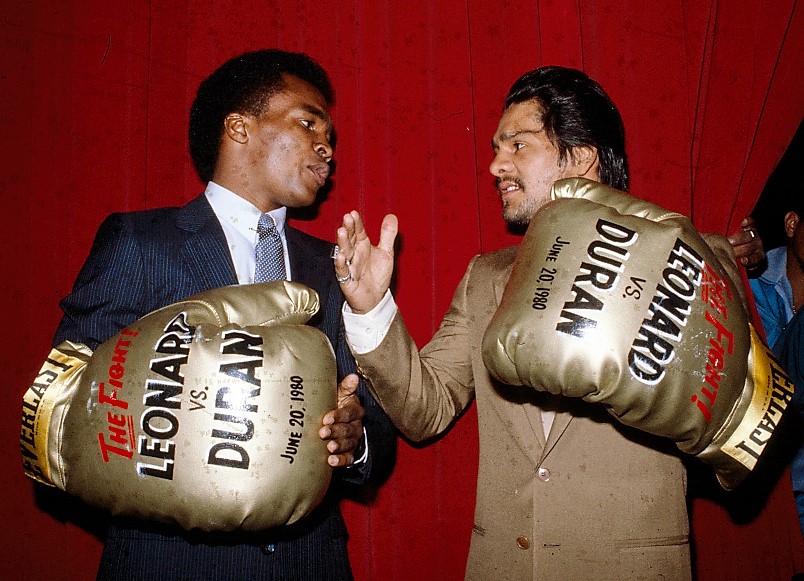
The match was announced on 9 May 1980 and scheduled for barely six weeks later, with Don King promoting. Leonard came in as the WBC welterweight champion. He had taken the belt from Wilfred Benítez in December 1979 and defended it against Dave Boy Green in March 1980. He was 24 years old and 27-0, with 18 wins inside the distance.
Durán was 29 and carried a record of 71-1 with 56 knockouts. He had ruled the lightweight division as undisputed champion before moving up, and he had won all eight of his fights at welterweight. Even so, the bookmakers made Leonard a 9-5 favourite. The setting seemed to favour him as well. The Olympic Stadium was where Leonard had won his gold medal at the 1976 Games, and the promotion leaned heavily on that homecoming.
A Heart Scare and a Doubtful Virus
The build-up nearly fell apart over Durán's health. An electrocardiogram showed irregularities in his heartbeat, and he was sent for a cardiac examination that lasted about two hours. A cardiologist, described in one oral history as a Panamanian specialist, concluded that the reading was the kind of abnormality often found in highly trained athletes and cleared him to fight.
Leonard had a complaint of his own. He said he was suffering from a virus, although, according to the fight's Wikipedia entry, his own trainer had doubts about whether the illness was real. Neither issue stopped the fight. At the weigh-in both men came in at 145 pounds, although Leonard, at 5 ft 10 in, was about three inches taller than the Panamanian.
Durán Works on Leonard Before the Bell
Durán made the fight personal well before it began. The 2016 oral history published by Complex describes him following Leonard's wife around Montreal and directing crude remarks at the couple. According to the same account, the taunting got under Leonard's skin and left him feeling disrespected, personally and professionally. ESPN Deportes, looking back 40 years later, records that Durán dismissed his opponent as a creation of television, while his veteran trainer Ray Arcel predicted that Leonard would not be able to keep up the pace Durán would set.
Durán also courted the local crowd. The Fight City notes that he wore "Bonjour Montreal" T-shirts and carried a Quebec flag next to the flag of Panama. The tactic worked. By fight night the stadium was louder for the Panamanian than for the American Olympic hero, which surprised Durán's own camp, including his wife Fula, according to Complex.
The Richest Fight in History, and How Rich
The bout was promoted as the richest prizefight ever staged, and every source agrees on Durán's share: $1.5 million, the largest purse of his career at that point. Leonard's figure is less clear. Wikipedia and Sky Sports give it as $9 million. ESPN Deportes describes a guaranteed minimum of $7.5 million that could rise to $10 million. A UPI report from October 1980 says only that Leonard earned more than $6 million. The gap between the two men's pay, Sky Sports noted, bothered Durán.
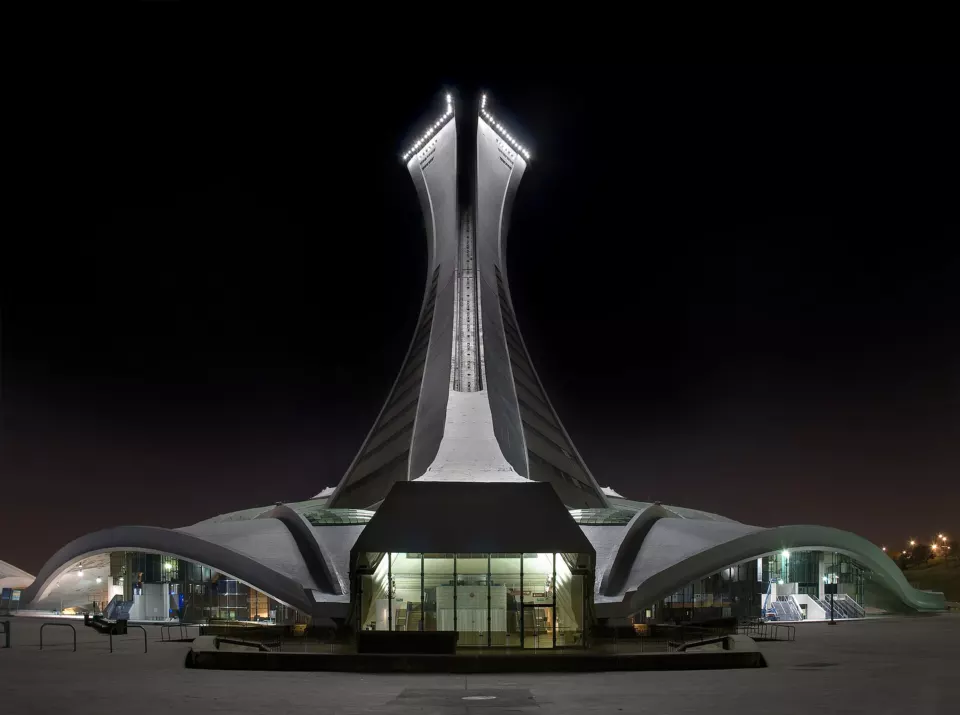
ESPN Deportes puts the attendance at 46,317. The Fight City calls it a crowd of almost 50,000 on a wet night and reports a record closed-circuit audience, with arenas such as Madison Square Garden selling out to show the fight on screens.
Fifteen Rounds on the Inside
Under referee Carlos Padilla Jr., the fight went the way Durán wanted from the start. Leonard was known for his speed and movement, but he stood his ground and traded punches at close range. A WBC retrospective describes him fighting flat-footed, as though he wanted to beat Durán at his own game, and calls that the moment he got pulled into what it called the brawl of Montreal.
Durán dominated the first four rounds and kept pushing Leonard to the ropes. In the second round, according to the WBC, a left hook to the temple badly shook the champion, and Durán followed it with sustained work to the body. From around the fifth, Leonard began to fight back with hard body punches and uppercuts, and the middle rounds turned into long, punishing exchanges. Durán kept coming forward through the ninth to the thirteenth. In the fourteenth Leonard's trainer Angelo Dundee pushed him for a late effort, and in the fifteenth Durán taunted him, sticking his chin out in defiance.
UPI's later summary reads the fight in two halves. Durán built a large lead early, and the final seven rounds were roughly even. Wikipedia cites CompuBox figures showing Durán landing 315 punches to Leonard's 273, with Leonard connecting on 273 of 753 attempts. The punishment showed afterwards. Complex reports that doctors treated Leonard's ears to keep them from becoming cauliflowered.
A Scoring Slip, Then a Unanimous Verdict
The result was first announced as a majority decision because one judge's card had been read out as a 147-147 draw. When the error was corrected, it became a unanimous decision for Durán. The exact figures differ between sources. Wikipedia lists the cards as 145-144, 148-147 and 146-144. ESPN Deportes gives them by judge: Harry Gibbs 149-145, Raymond Baldeyrou 146-144, and Angelo Poletti 148-147, which was the card misread as a draw. All of the sources agree on the winner and on the unanimous verdict.
Durán left Montreal as WBC and The Ring welterweight champion, and Leonard had lost for the first time as a professional. Durán's verdict on his opponent was generous by his standards. "He is the best I have fought," he said, as quoted by Wikipedia and Complex, before adding that Leonard had only been good because he was facing Durán.
Leonard Wants It Back at Once
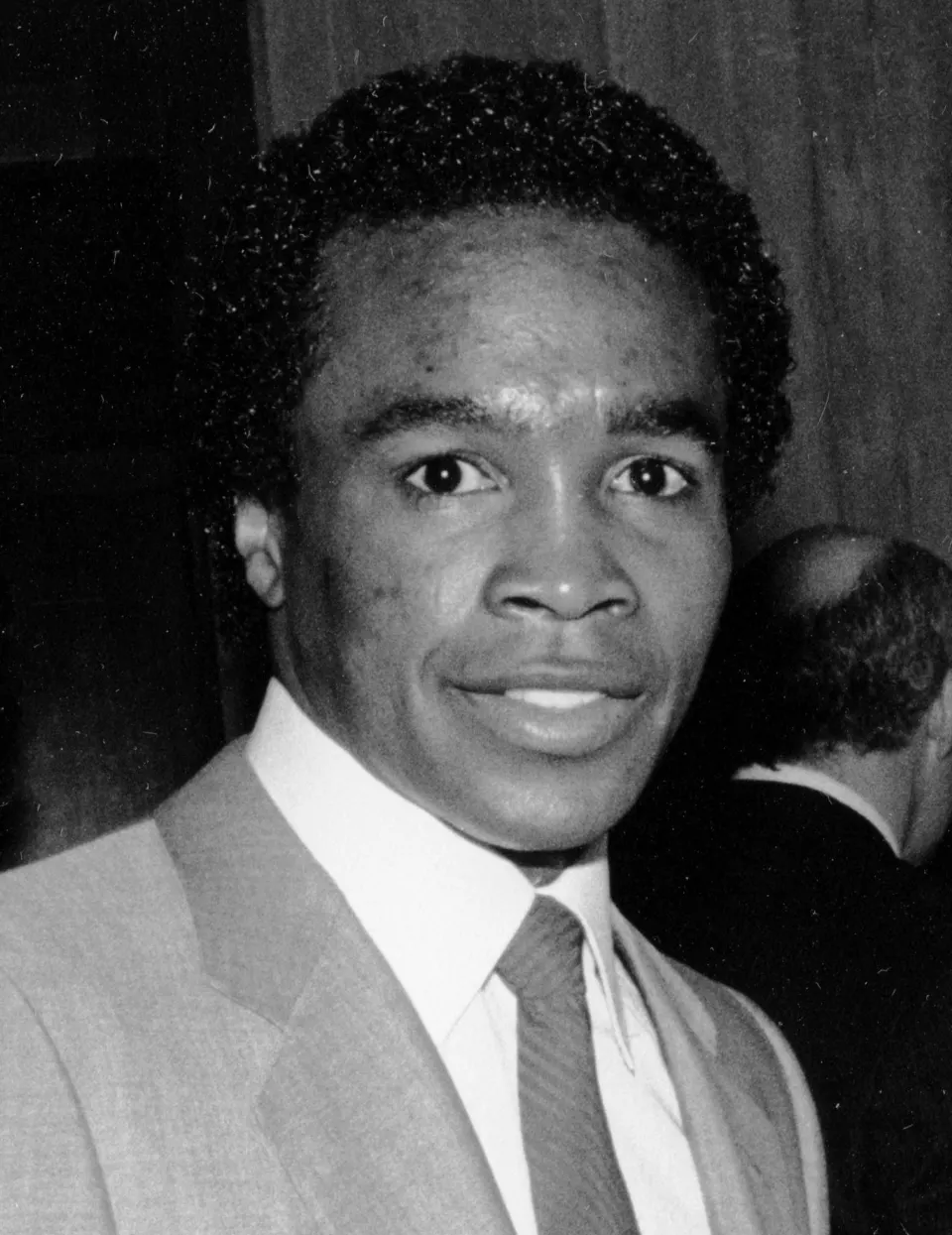
Leonard did not take long to decide what to do next. ESPN Deportes says he pushed for a rematch as soon as possible, betting that Durán would never again reach the condition he had been in that June. By early October the fight was being finalised. UPI reported on 2 October 1980 that Don King had announced a rematch for 25 November at the Louisiana Superdome in New Orleans. In that report, Leonard's attorney said the November date and the New Orleans site were settled, even though King had apparently preferred Caesars Palace. UPI added that Durán had been offered $10 million to defend the title.
The rematch came five months and five days after Montreal and ended very differently. That night has its own story. The first fight is remembered for something else: the evening Sugar Ray Leonard set aside his speed, chose to brawl with Roberto Durán, and lost.
Sources
- Sugar Ray Leonard vs. Roberto Durán, Wikipedia, accessed October 2026
- Duelo en Montreal: a 40 años de la pelea entre Sugar Leonard y Roberto Durán, Carlos Irusta, ESPN Deportes, 20 June 2020
- The Oral History of Roberto Durán vs. Sugar Ray Leonard, George Diaz, Complex, 23 August 2016
- June 20, 1980: Duran vs Leonard I, Michael Carbert, The Fight City
- On this day in history: Roberto Duran shook the world and defeated Sugar Ray Leonard, Cesar Navarro, World Boxing Council, 20 June 2019
- Duran-Leonard rematch report, Joe Carnicelli, UPI, 2 October 1980
- The Rematch: Leonard v Duran, Adam Norman, Sky Sports, 23 May 2014


