
Ali vs Holmes in 1980 Was the Last Hurrah and a Fight That Should Not Have Happened, With Thyroid Pills Involved
A 38-year-old Muhammad Ali, slimmed down with the help of a thyroid drug and licensed despite worrying Mayo Clinic findings, took ten one-sided rounds from former sparring partner Larry Holmes before Angelo Dundee stopped it. The medical questions that followed have never quite gone away.

On 2 October 1980, in a temporary stadium put up on a Caesars Palace parking lot, a 38-year-old Muhammad Ali came out of retirement to challenge Larry Holmes, the unbeaten WBC champion who had once been paid to spar with him. Ali arrived looking trimmer than he had in years. He never came out for the eleventh round, and what came out over the following days, from a neurological report to a bottle of thyroid pills, changed how the night is remembered.
From Retirement Back to the Negotiating Table
Ali had regained the WBA heavyweight title from Leon Spinks in September 1978 and announced his retirement the following June. By February 1980 he was telling the Associated Press that a return was likely. After plans to face the WBA champions of the day fell through, he announced in April that his opponent would be Holmes.
The first plan, announced by promoters Don King and Murad Muhammad, put the fight in Rio de Janeiro's Maracanã Stadium in July. Brazilian officials said they knew nothing about it and objected to a ring being set on their football pitch, and the date was cancelled in May. On 17 July the two men signed again, this time for Las Vegas, with King quoting purses of $8 million for Ali and $6 million for the champion.
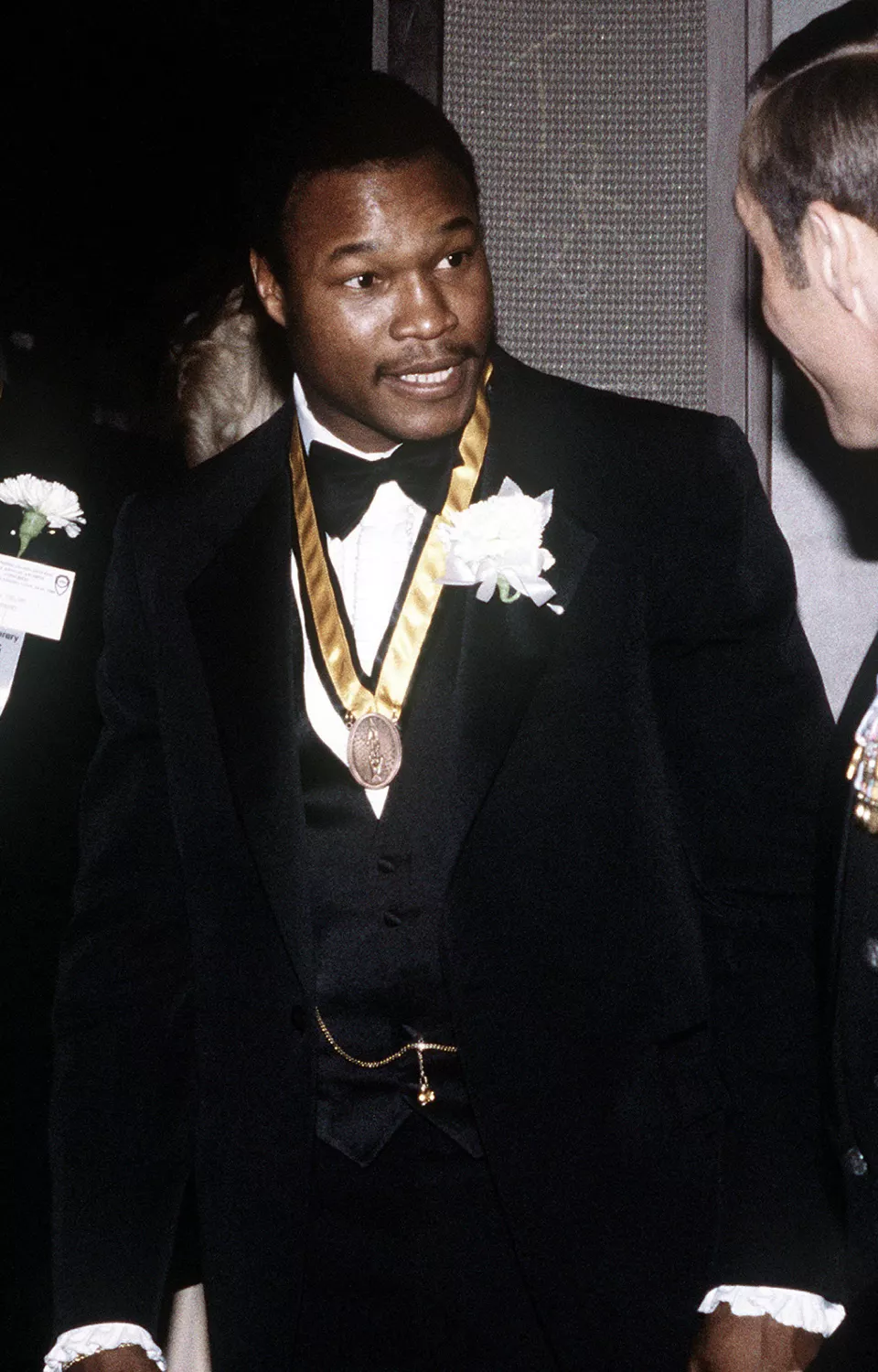
Holmes, 31, came in at 35-0 with 26 knockouts. Ali was 56-3. The two knew each other unusually well: Holmes had worked as Ali's sparring partner for roughly four years in the first half of the 1970s, and he said later that he had urged Ali not to take the fight at all.
The Mayo Clinic Report Nobody Saw
The Nevada State Athletic Commission, uneasy about Ali's health, made a neurological examination at the Mayo Clinic in Minnesota a condition of his licence. Ali checked in on 23 July. The examining neurologist, Dr. Frank Howard, recorded that Ali slightly missed the target when touching a finger to his nose, had some trouble coordinating the muscles of speech, and did not hop on one foot as nimbly as expected. Howard nonetheless found nothing that specifically barred him from boxing.
The report went to the commission, the licence was issued, and the findings stayed private until after the fight. That sequence would become one of the central complaints in the years that followed.
Shedding Weight With a Thyroid Drug
When Ali stepped on the scale he weighed 217½ pounds, the lightest he had been for a fight since he beat George Foreman in 1974. According to UPI's reporting after the bout, he had come down from about 265 pounds over roughly five months.
Part of that transformation, it emerged, came from medication. Dr. Charles Williams of Chicago had diagnosed a thyroid deficiency and prescribed Thyrolar. Sources describe the original dose differently: UPI gave it as three grains a day, while other accounts speak of a single daily tablet. They agree on what Ali did next. Several weeks before the fight he doubled the amount on his own, and he later said that at first the pills made him feel fast and sharp again.
A Desert Night and an Outdoor Arena
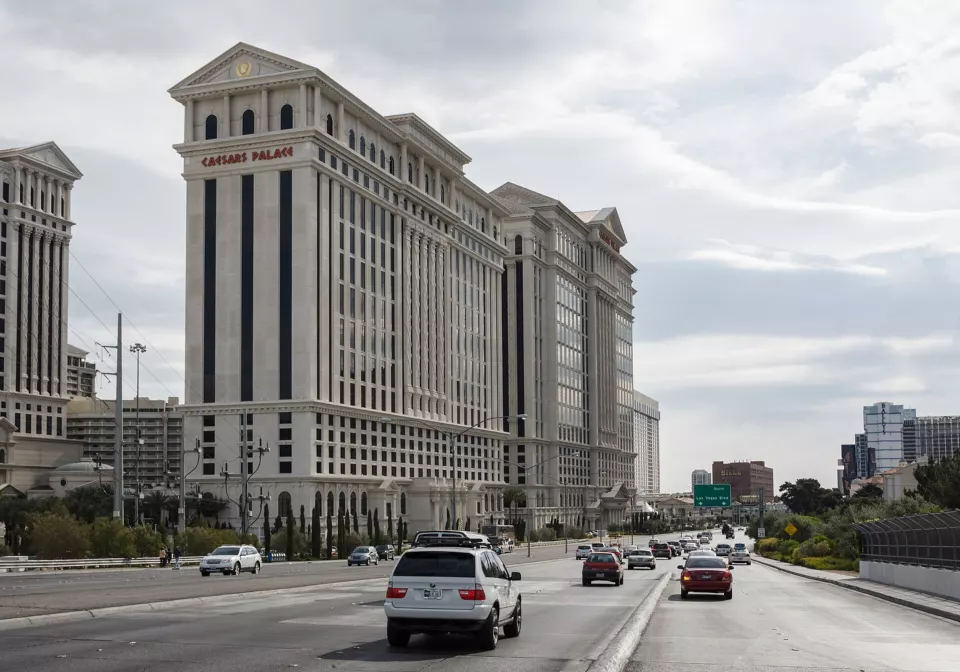
Caesars Palace built a temporary outdoor arena of 24,790 seats for the promotion. A state publication later put the crowd at around 25,000 and the net gate at more than $5.7 million, a record at the time. Sources give different figures for the heat: Wikipedia's account cites 89 degrees inside the arena, while UPI's medical reporting and later retrospectives mention temperatures near 100 degrees that day.
Ali's reputation was still strong enough to move the betting. According to Round By Round Boxing, Holmes opened as a 3-1 favourite and the price had shrunk to about 9-5 by fight night. During the introductions Ali taunted Holmes so loudly that referee Richard Greene struggled to finish his instructions.
Ten Rounds of Jabs and Ropes
Holmes went straight at Ali from the first bell, working behind a long left jab and adding hooks to head and body. Ali held his gloves high and landed one clean right hand in the opening round. Aside from that he did little but talk. ABC's Howard Cosell told viewers after three rounds that Holmes had clearly won all of them.
Ali drifted to the ropes and corners in the middle rounds, a version of the tactic that had beaten Foreman, but this time it achieved nothing. In the seventh he moved better and found the target with a few jabs, and the crowd briefly came back to life. Ali had predicted the champion would fall in nine. Instead, the ninth was his worst round. Holmes trapped him against the ropes with an uppercut, and when Ali turned his head away, a right hand to the body made him double over. Lloyd Wells, a member of Ali's entourage, later told the writer Thomas Hauser that Ali screamed when the punch landed.
The tenth was spent almost entirely on the ropes, with Holmes jabbing and Ali covering up. There were no knockdowns at any point.
Angelo Dundee Stops It on the Stool
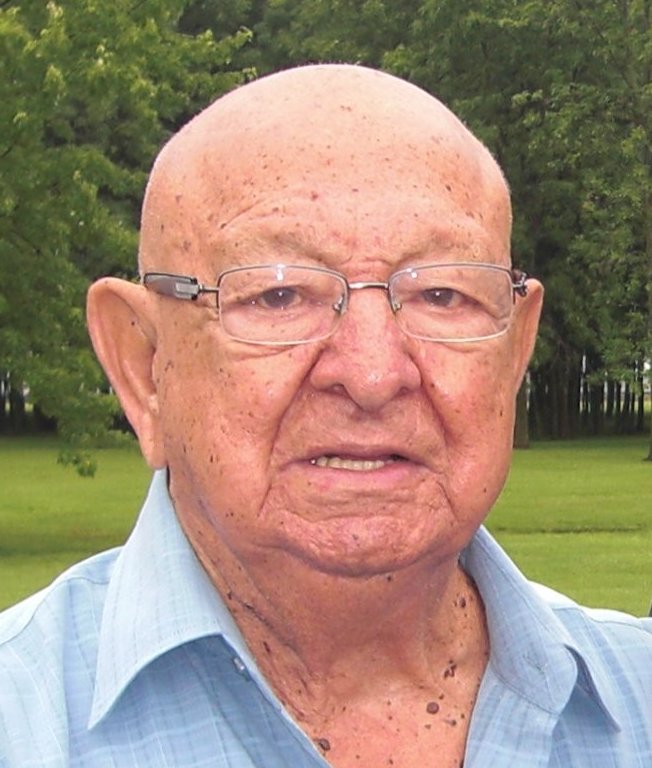
When Ali slumped onto his stool after the tenth, his long-time trainer Angelo Dundee decided he had seen enough. Bundini Brown, the other senior voice in the corner, wanted to send Ali out again, and Ali himself did not want to quit. Accounts quote Dundee in slightly different words, but all have him telling Greene that as chief second he was ending the fight. Holmes was declared the winner by stoppage after ten rounds, in what is recorded as a corner retirement. It was the first time in Ali's career that he failed to come out for a round.
Sylvester Stallone, who was at ringside, later compared the fight to "watching an autopsy on a man who's still alive," as quoted by Hauser in The Observer.
Did Holmes Hold Back?
Holmes's own version has been consistent over the decades. He told WAVE 3 News in 2015 that he knew in the first round that Ali could not punch back, that he went to the referee about it, and that he deliberately threw softer shots. He has also described crying after the fight. In a Sherdog piece published after Ali's death in 2016, he said the fight still troubled him and that he had not wanted to hurt Ali.
Not everyone accepts that account. Hauser, writing in The Observer in 2007, argued that Holmes was fighting cautiously rather than mercifully, and quoted the champion saying afterwards that he loved Ali but forgot his name once the bell rang. Even Holmes's best-known anecdote has two versions. Sherdog has him telling Ali during the fight that he loved him. In the WAVE 3 interview, the exchange happens in Ali's room afterwards, with Ali asking why, if Holmes loved him, he had beaten him up like that.
Heat Exhaustion, Hidden Findings and a Last Fight
Within days Ali gave a different explanation for his performance. At a press conference he blamed the doubled Thyrolar, saying he had felt weak and had hardly sweated during the fight. Tests at UCLA Medical Center followed. According to UPI, Dr. Williams said the drug speeds up the metabolism and interferes with the body's ability to cool itself, and concluded that weight loss, dehydration, the heat and the medication together had brought on heat exhaustion. UCLA internist Dr. Dennis Cope agreed that the double dose would have drained Ali's energy and reported no sign of kidney damage.
The Mayo findings, published after the bout, raised a harder question: why a fighter with documented coordination and speech problems had been licensed at all. Ferdie Pacheco, Ali's former ring doctor, had left the camp in 1977 after warning him to stop. He called the Holmes fight "an abomination, a crime." Ali was diagnosed with Parkinson's syndrome a few years later. WAVE 3 noted that the symptoms were already present before Holmes, and that medical experts do not credit that single beating with causing the disease. Pacheco took a narrower view after Ali's death in 2016, saying he believed the extra punches had worsened the condition, not caused it.
Ali fought once more, losing a decision to Trevor Berbick some fourteen months later. Holmes defended the title for years and was unbeaten until he lost to Michael Spinks in 1985.
Sources
- Larry Holmes vs. Muhammad Ali, Wikipedia, accessed October 2026
- The night when Ali screamed in pain, Thomas Hauser, The Observer (The Guardian), 7 January 2007
- Muhammad Ali said Tuesday he was taking a double..., UPI Archives, 7 October 1980
- 35 years later, Larry Holmes recalls knocking out idol Muhammad Ali, WAVE 3 News, 27 April 2015
- Boxing: Larry Holmes Remembers Muhammad Ali, Sherdog, 2016
- Flashback Friday: Muhammad Ali vs. Larry Holmes, "The Last Hurrah", Round By Round Boxing
- There are no more miracles: Ali and Holmes 45 years on, Boxing Writer, 2 October 2025


