
Ali vs Norton from 1973 to 1976 Brought a Broken Jaw, a Rematch and a Disputed Night at Yankee Stadium
Ken Norton broke Muhammad Ali's jaw and beat him in San Diego in 1973, lost the rematch by one judge's vote, then lost a 1976 title fight at Yankee Stadium that most ringside writers scored for him.

Between March 1973 and September 1976, Muhammad Ali and Ken Norton fought 39 rounds across three cities. Norton won the first and left Ali with a broken jaw, Ali took the rematch by a single judge's vote, and the third fight, for the undisputed heavyweight title at Yankee Stadium, ended in a decision that is still argued over.
The Ex-Marine Nobody Expected in San Diego
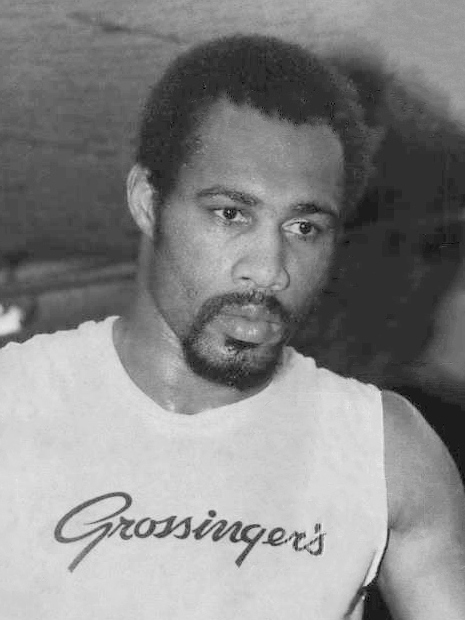
When Ali stepped into the San Diego Sports Arena on March 31, 1973, he was two years past his loss to Joe Frazier and working his way back toward the title. The North American Boxing Federation belt was at stake, and Ali brought a record of 41-1 into the ring. His opponent was a former U.S. Marine who had served from 1963 to 1967, learned to box in the Corps and turned professional in 1967. Ken Norton was 29-1, ranked sixth by the WBA and WBC, and almost unknown to a general audience.
The money told the story of what was expected. Ali's purse was listed at $210,000, Norton's at $50,000, and Norton went off as a 6-1 underdog. Ali made his entrance in a robe given to him by Elvis Presley.
Norton, trained by Eddie Futch, brought a style that Ali never solved comfortably. He held his arms crossed in front of his body for defence and threw his jab from a low angle, coming up underneath Ali's guard instead of reaching for him from range. Statistics compiled later credit Norton with 233 landed punches to Ali's 171, and with outlanding him in eight of the twelve rounds.
A Broken Jaw and a Split Decision
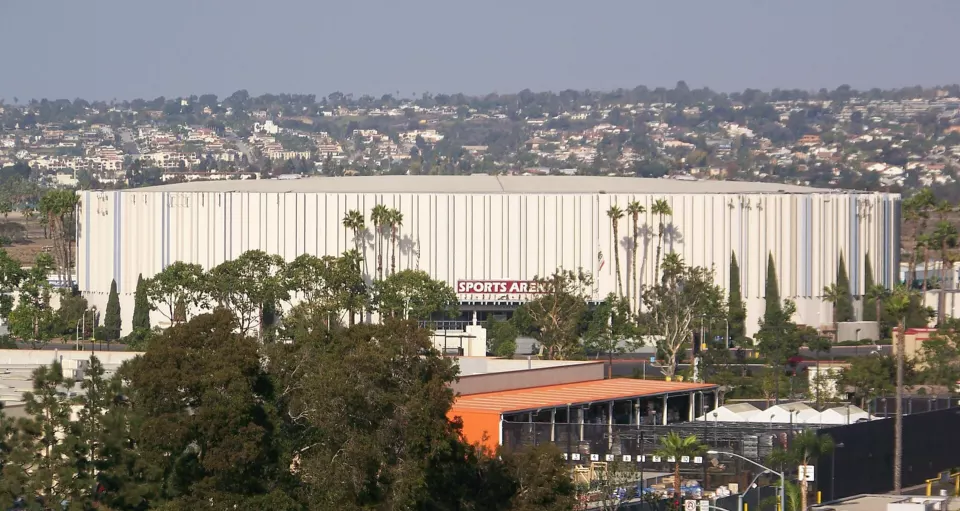
At some point in the fight, Ali's jaw broke. Exactly when is one of the trilogy's small mysteries. Associated Press and obituary accounts place the injury in the second round. Ali's trainer, Angelo Dundee, maintained it happened in the first; Futch believed it came as late as the eleventh. What is not in dispute is that Ali kept fighting for the full twelve rounds with the injury.
The judges split. Two of them scored the bout for Norton and one for Ali, giving Norton the NABF title and one of the biggest upsets of the decade. Ali shook his hand, then went to hospital to have the jaw wired. The surgeon who treated him, Dr. Gary Manchester, described a fracture with jagged edges that had been cutting into the inside of his cheek. Norton visited Ali in his hospital room, and talk of a rematch began almost immediately.
Six Months Later at the Forum
The second fight took place on September 10, 1973, at The Forum in Inglewood, California, again over twelve rounds with the NABF title on the line. Ali arrived in noticeably better condition. He weighed in at 212 pounds, about nine pounds lighter than in San Diego, while Norton came in at 205. A crowd of around 12,100 produced what Boxing News reported as a Los Angeles gate record.
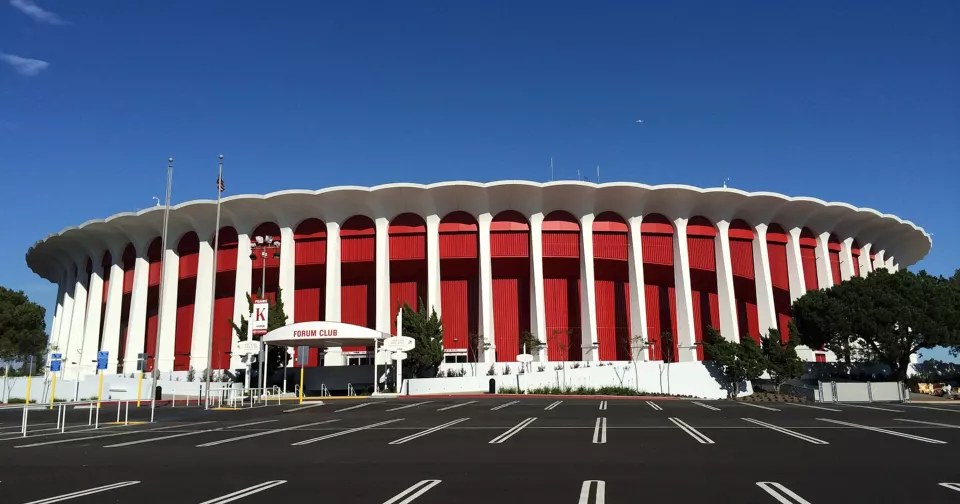
It was another hard, close fight. Boxing News singled out the eighth as a punishing round for Ali, and all three officials gave Norton the tenth and eleventh. By the final round the fight was there for either man, and Ali produced a sustained burst of punching that swung it.
The result was again a split decision, this time for Ali. Referee Dick Young, who also scored the bout, had it 7-5 for Ali, and judge John Thomas scored it 6-5 for Ali. Judge George Latka saw it 6-5 for Norton. The Associated Press's own card also favoured Norton, and ringside writers were divided. Ali afterwards called Norton the best man he had ever fought.
Yankee Stadium, September 1976
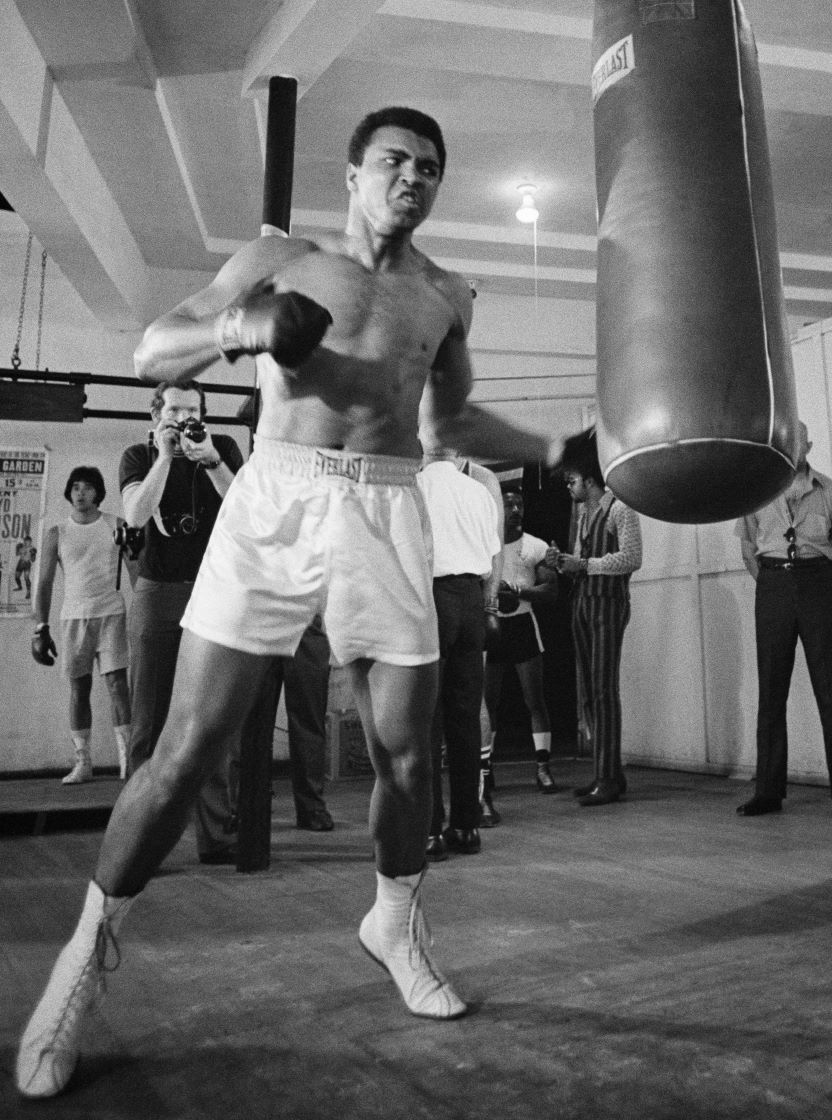
Three years later the stakes had changed completely. Ali was now the undisputed heavyweight champion, and Norton was the challenger. On September 28, 1976, they met for the WBA, WBC and The Ring titles at Yankee Stadium in the Bronx, the first boxing card held there since Floyd Patterson and Ingemar Johansson fought in June 1959.
Ali was 34 and 52-2, weighing 221 pounds. Norton was 33, 37-3 and weighed 217½. Ali was guaranteed a reported $6 million and Norton $1 million. The night was unusual from the start: New York's police officers were on strike as the fight went ahead.
Inside the ring, the pattern of the first two fights held. Neither man could pull clear. According to the fight's records, the bout was level on the official cards going into the fifteenth and final round. Ali won that round on all three cards, and with it the fight.
The Scorecards That Still Divide Opinion
Judges Harold Lederman and Barney Smith each scored the fight 8-7 in rounds for Ali. Referee Arthur Mercante had Ali ahead by two rounds, with sources differing on whether he scored one round even. It was a unanimous decision, but a narrow one, and much of ringside disagreed. An unofficial United Press International card had Norton winning 8-7, and of 21 sportswriters polled, 17 scored the fight for Norton. Punch counts compiled after the fact by CompuBox also had Norton landing more often and more accurately.
Norton was bitter. "I was robbed," he said after the fight, adding that he believed he had won at least nine rounds. Years later he still described the verdict as something that upset him. Ali, in a later interview, came close to agreeing: "I honestly thought he beat me in Yankee Stadium, but the judges gave it to me, and I'm grateful to them."
What the Trilogy Left Behind
The two men never fought again. In 1978 the WBC stripped Leon Spinks of its version of the title and named Norton champion without a fight; he lost it in his first defence, a split decision to Larry Holmes on June 9, 1978. Norton finished his career at 42-7-1 with 33 knockouts, was inducted into the International Boxing Hall of Fame in 1992 and later worked as an actor and fight commentator. He died in Las Vegas on September 18, 2013, aged 70, after several years of poor health following a series of strokes.
The record shows Ali leading the series two fights to one. The scorecards show how thin that margin was: over 39 rounds, two decisions turned on a single judge's vote and the third on the last three minutes. Norton never held the undisputed title, but he is remembered as the fighter whose style gave Ali more trouble than almost any other.
Sources
- Muhammad Ali vs. Ken Norton, Wikipedia, accessed October 2026
- Ken Norton vs. Muhammad Ali II, Wikipedia, accessed October 2026
- Muhammad Ali vs. Ken Norton III, Wikipedia, accessed October 2026
- Ken Norton, Wikipedia, accessed October 2026
- On this day: Muhammad Ali edged Ken Norton in a savage battle, Boxing News, accessed October 2026
- Former heavyweight champion Ken Norton dies (Tim Dahlberg, Associated Press), MPR News, September 18, 2013
- Ken Norton, former heavyweight champion, dies at 70, ESPN.com news services, September 18, 2013
- US boxing legend Ken Norton dies at 70, Al Jazeera, September 19, 2013
- Obituary: Ken Norton, the boxer who broke Muhammad Ali's jaw, Sunday Times (South Africa), September 22, 2013


