
Wilfredo Gómez's Super Bantamweight Reign, 1977-1982, Made Seventeen Defenses Without Needing Scorecards
From Yum Dong-kyun in San Juan to Lupe Pintor in New Orleans, Wilfredo Gómez defended the WBC super bantamweight title 17 times and stopped every challenger. Here is the reign challenger by challenger, including a title fight in Thailand that went ahead after grandstands collapsed.

Between May 1977 and December 1982, Wilfredo Gómez put the WBC super bantamweight title on the line 17 times and never needed the judges. The defenses took him from San Juan to Kitakyushu, from a collapsing stadium in Thailand to Madison Square Garden, Caesars Palace and the Louisiana Superdome. This is the story of that reign, one challenger at a time.
From Las Monjas to the Clemente Coliseum: Taking the Belt From Yum, 1977
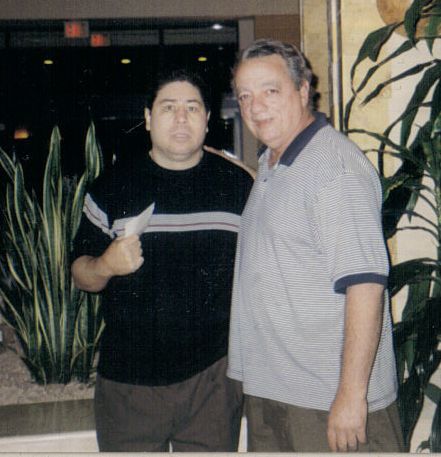
Gómez came out of Las Monjas, a poor corner of Hato Rey in San Juan, where as a boy he got around on a bicycle and sold candy for spending money. The amateur ring changed his prospects. In 1974 he won gold at the World Championships in Havana and at the Central American and Caribbean Games in Santo Domingo, then turned professional and began knocking people out at a steady pace.
His chance at a world title came on May 21, 1977, at the Roberto Clemente Coliseum in San Juan. The champion was Yum Dong-kyun of South Korea, who had taken the WBC 122-pound belt from Japan's Royal Kobayashi on a majority decision in Seoul the previous November. Yum started well enough to put the 20-year-old challenger on the floor about 30 seconds into the first round. Gómez got up, worked his way into the fight and finished Yum in the 12th round, at 2:40, to become champion.
Tirado, Kobayashi and López: The First Three Defenses
The first defense came only seven weeks later, back at the Clemente Coliseum on July 11, 1977. Raúl Tirado was stopped in the fifth round, with one second left on the clock.
Then Gómez went to Japan. On January 19, 1978, he faced Royal Kobayashi, the man Yum had dethroned, at the municipal gymnasium in Kitakyushu in front of a crowd that Wikipedia puts at about 10,000. Kobayashi was a left hooker, and he had hoped to win his old title back. A 2020 tribute on the WBC's website remembered him being outgunned by the Puerto Rican's heavier left hook. It was over in the third round.
In April 1978 Gómez defended at home again, this time at Juan Ramón Loubriel Stadium in Bayamón, and stopped Juan Antonio López in the seventh. The two would meet once more four years later.
Korat, June 1978: A Title Fight Amid Falling Grandstands
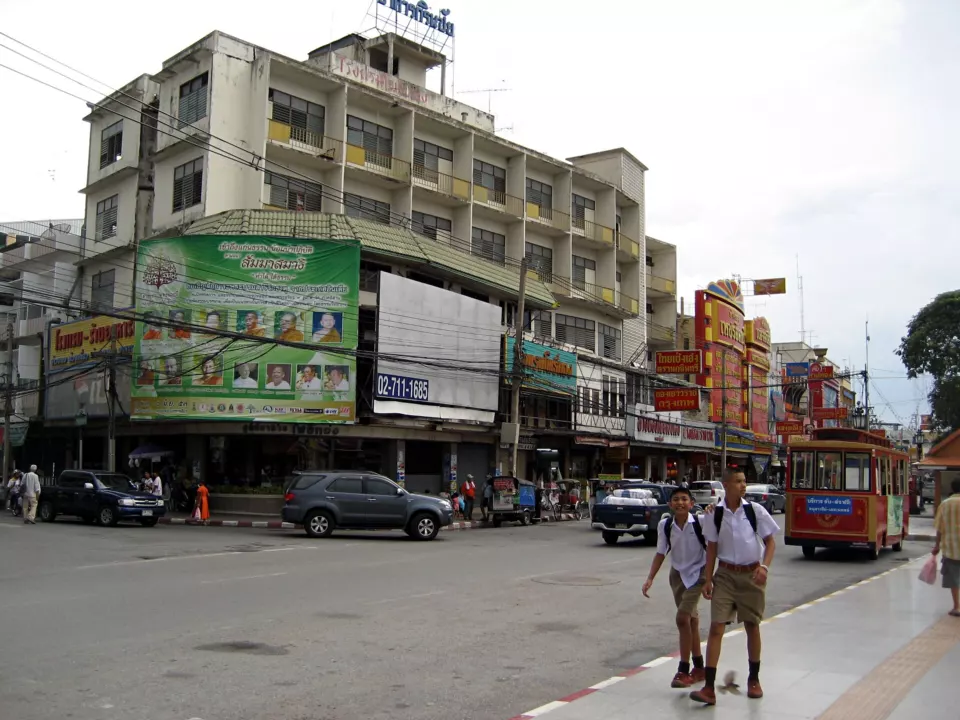
The strangest night of the reign came on June 2, 1978, at the provincial stadium in Nakhon Ratchasima, Thailand. The challenger, Sagat Petchyindee, was a celebrated Muay Thai fighter who had won a Rajadamnern Stadium title in 1976, but he had had only two professional boxing bouts and had prepared with Muay Thai training partners.
The local crowd was enormous, and the temporary seating could not hold it. According to the Wikipedia account of the event, one grandstand began to lean during the first undercard bout, two eventually gave way, and a third came down while the main event was going on. Ten people were reported killed and around 300 hurt, citing BoxRec, though figures vary between accounts. The card went ahead anyway. Gómez's combinations broke Sagat down, and the fight was stopped in the third round.
Leo Cruz and Carlos Zárate: San Juan, Autumn 1978
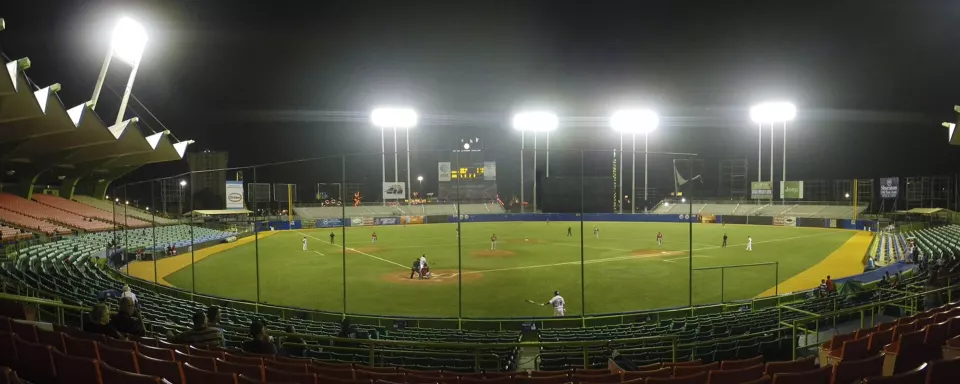
Two of the reign's hardest assignments came within seven weeks of each other. On September 9, 1978, at Hiram Bithorn Stadium, Gómez met Leo Cruz, who had already beaten Lupe Pintor. Cruz lasted into the 13th round before he was stopped 21 seconds in. The loss did his reputation no harm. He won the WBA title by beating Sergio Víctor Palma in Miami in June 1982.
On October 28, Mexico's WBC bantamweight champion Carlos Zárate moved up to face him at the Clemente Coliseum, and neither man had lost as a professional. Sources differ on Zárate's exact record going in, but Wikipedia lists it as 52-0. He had trouble making weight and later said he had been ill. Gómez dropped him three times, two of which were counted as official knockdowns, and the fight was stopped 44 seconds into the fifth round. RingTalk has covered that night in full in a separate article.
The Garden, Caesars and Miami: The Ring Belt and the Road Shows, 1979–1980
From 1979 the reign became a traveling act. On March 9, 1979, at Madison Square Garden, Gómez knocked out Néstor Carlos Jiménez in the second round. Wikipedia's record credits that win with the inaugural Ring magazine title at super bantamweight, which he carried alongside the WBC belt from then on.
Next came Julio Hernández in San Juan in June 1979, stopped in five, and Carlos Mendoza at Caesars Palace in September, who held on until the tenth. Nicky Pérez went five rounds at the Garden in October, and Rubén Valdéz retired on his stool after six at Caesars in February 1980. Derrik Holmes was stopped in five at Caesars that August, and José Cervantes was knocked out in three at the Miami Jai-Alai Fronton in December 1980. Between defenses Gómez also took non-title fights, and he won all of them inside the distance too.
After Caesars 1981: Meza, López Again and Rubaldino
In August 1981 Gómez went up to featherweight and lost to Salvador Sánchez, who stopped him in eight rounds at Caesars Palace. It was his first professional defeat, but the 122-pound title was not at stake that night. He went back to his own division and kept defending it.
On March 27, 1982, at the Playboy Hotel and Casino in Atlantic City, he stopped Juan "Kid" Meza in the sixth. Meza was another future champion, and he won the WBC super bantamweight title in November 1984. In June 1982 Gómez met Juan Antonio López again at Caesars and stopped him in the tenth. In August, Roberto Rubaldino retired after seven rounds at Hiram Bithorn Stadium.
New Orleans, December 1982: Pintor and Defense Number 17
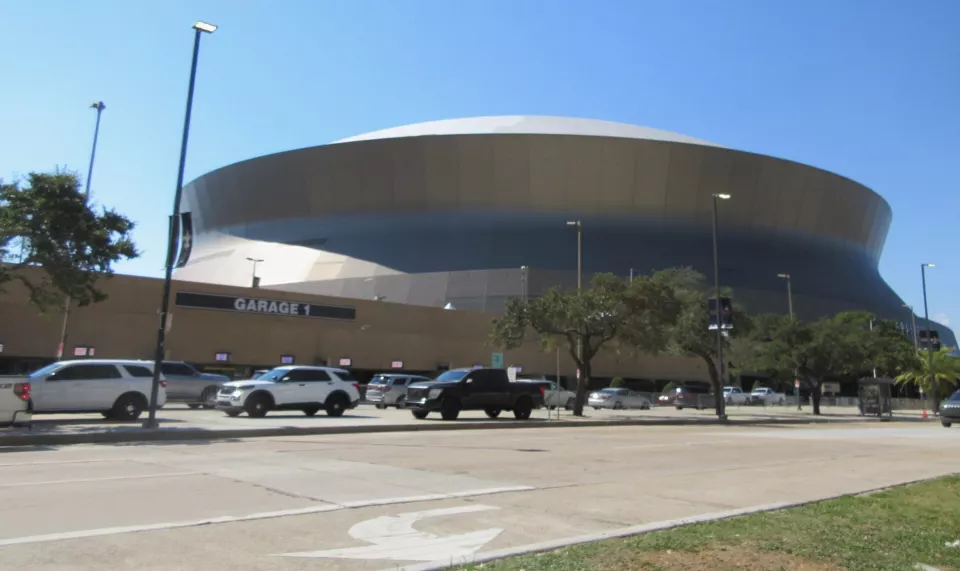
The last defense was also one of the hardest. On December 3, 1982, Gómez fought Lupe Pintor, the reigning WBC bantamweight champion, at the Louisiana Superdome. It was the co-feature of Don King's "Carnival of Champions," below Wilfred Benítez against Thomas Hearns. Wikipedia reports that each fighter's purse was $625,000, after King persuaded both camps to accept cuts because ticket sales were slow.
The two men traded heavily from the start, and The Ring later named the third round its Round of the Year for 1982. By the late rounds Gómez's eyes were badly swollen, and going into the 14th he led on two scorecards while Pintor led on the third. In that round Gómez dropped Pintor with a left hook to the body, then put him down again with a left hook to the head. Referee Arthur Mercante Sr. stopped the fight at 2:44.
Walking Away Unbeaten at 122
Pintor was the last man to challenge Gómez for that belt. Cleto Reyes, the glovemaker, says in its profile that he gave up the title voluntarily to chase the featherweight championship. Wikipedia dates the end of his reign to May 1983, while Guinness World Records simply lists the Pintor fight as his final defense. The record Guinness recognizes is the most consecutive successful defenses of a world super bantamweight title: 17, from the night he beat Yum to the night he beat Pintor. Wikipedia adds that all 17 ended inside the distance and calls it a world record for consecutive defenses won by knockout.
The reign also covered most of a 32-fight knockout streak. Wikipedia ranks it in a tie for third longest in the sport's history, behind LaMar Clark and Billy Fox. Gómez went on to win the WBC featherweight title in 1984 and the WBA super featherweight title in 1985, losing those belts to Azumah Nelson and Alfredo Layne. He had his last fight in 1989 and was inducted into the International Boxing Hall of Fame in 1995. All three of his professional losses came above 122 pounds. Nobody beat him at super bantamweight.
Sources
- Wilfredo Gómez, Wikipedia, accessed October 2026
- The Carnival of Champions, Wikipedia, accessed October 2026
- Wilfredo Gómez vs. Carlos Zárate, Wikipedia, accessed October 2026
- Sagat Petchyindee, Wikipedia, accessed October 2026
- Royal Kobayashi, Wikipedia, accessed October 2026
- Leo Cruz, Wikipedia, accessed October 2026
- Juan Meza, Wikipedia, accessed October 2026
- Requiem to former WBC-122Lb. champ Royal Kobayashi, World Boxing Council, December 10, 2020
- Most consecutive world super-bantamweight boxing title defences, Guinness World Records, accessed October 2026
- Wilfredo Gómez, Cleto Reyes, accessed October 2026


