
Tony Zale Was the Man of Steel From Gary, Indiana
From the steel mills of Gary to two middleweight championships, wartime Navy service and a brutal trilogy with Rocky Graziano, Tony Zale built a career on endurance, then spent decades teaching boxing to Chicago's youth.

Tony Zale came out of the steel town of Gary, Indiana, with a body puncher's patience and a reputation for absorbing punishment before turning a fight around. He won the middleweight championship twice, gave up nearly four prime years to the US Navy, survived three of the most violent title fights of the 1940s with Rocky Graziano, and then spent decades teaching boxing to Chicago's young people.
A Polish Family in a Mill Town
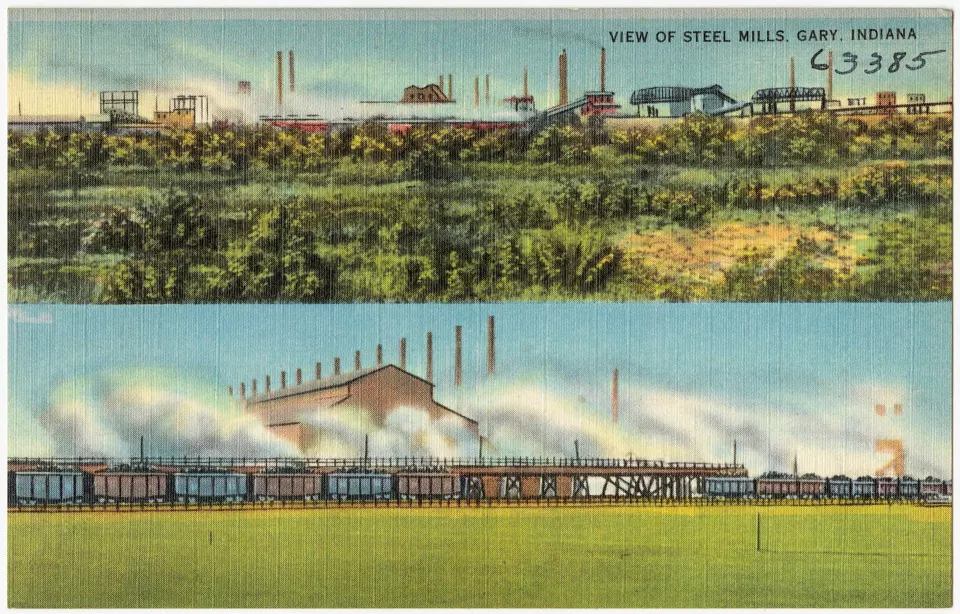
He was born Anthony Florian Zaleski on May 29, 1913, in Gary, a city built around the furnaces of U.S. Steel on the southern shore of Lake Michigan. The South Shore Convention and Visitors Authority, which honors him among the region's legends, describes a Polish family of seven children in which Tony was the second youngest, and notes that his brothers also boxed as amateurs.
Like many young men in Gary, Zale went into the mills after school. The Polish-American Sports Hall of Fame says boxing first appealed to him as a way to add to modest mill wages. When he turned professional in 1934, he left the furnaces behind, but the town gave him the name that followed him for the rest of his life: "The Man of Steel." Wikipedia notes that the label fit his ring character as much as his birthplace, because he was known for taking heavy punishment and still rallying to win.
The Slow Climb of the 1930s
His professional record begins with a win over Eddie Allen on June 11, 1934. The early years were not a straight line upward; the South Shore profile mentions setbacks from injuries before he returned to the ring. The International Boxing Hall of Fame lists Jack Moran, Bobby Lamonte and Jimmy Clark among the men he beat on the way up. By the end of the decade he had become a crafty, grinding middleweight who broke opponents down with body shots before finishing them.
Three Fights With Al Hostak
The road to a title ran through Al Hostak of Seattle, who held the National Boxing Association version of the middleweight crown. On January 29, 1940, the two met in a non-title bout at Chicago Stadium before more than 11,000 spectators. Hostak dropped Zale in the first round but broke two fingers on his left hand in the fifth, and Zale took the remaining rounds to win a unanimous decision.
The rematch came on July 19, 1940, at Civic Stadium in Seattle, in front of roughly 16,000 people. Hostak had his best moment in the fifth round, when he left Zale shaken, but his hands failed him again. Zale kept attacking the body, dropped Hostak in the 12th and again in the 13th, and referee Benny Leonard stopped the fight in the 13th round. Zale was the NBA middleweight champion. A third meeting, in Chicago on May 28, 1941, was over in the second round after Zale put Hostak down repeatedly.
That same year Zale fought Billy Pryor at Juneau Park in Milwaukee, an outdoor event that, according to Wikipedia, drew 135,132 spectators, a figure still cited as the largest attendance in boxing history.
Undisputed Champion in 1941
To be recognized everywhere, Zale still needed to beat the New York claimant's challenger. On November 28, 1941, he faced Georgie Abrams at Madison Square Garden before a crowd of nearly 10,000. Abrams knocked him down in the first round, then fought most of the bout with his vision impaired: a poke in the eye began closing his left eye, and an accidental clash of heads opened a cut above his right. Zale's body attack in the later rounds, especially in the ninth, decided a close 15-round contest. The Associated Press, scoring unofficially, had Abrams ahead by eight rounds to seven, but the judges gave the decision to Zale, who now held the NBA, New York and Ring magazine titles.
The Navy Years
When the United States went to war, Zale enlisted in the US Navy as the reigning middleweight champion and served until 1945; the South Shore profile dates his service from 1942 to 1945. The war took the heart of his career. When he came back in 1946 he was still champion of the world, and the Polish-American Sports Hall of Fame records that he won his first six comeback fights by knockout. He was also 33 years old and had been out of serious competition for about four years.
Graziano: The Defining Rivalry
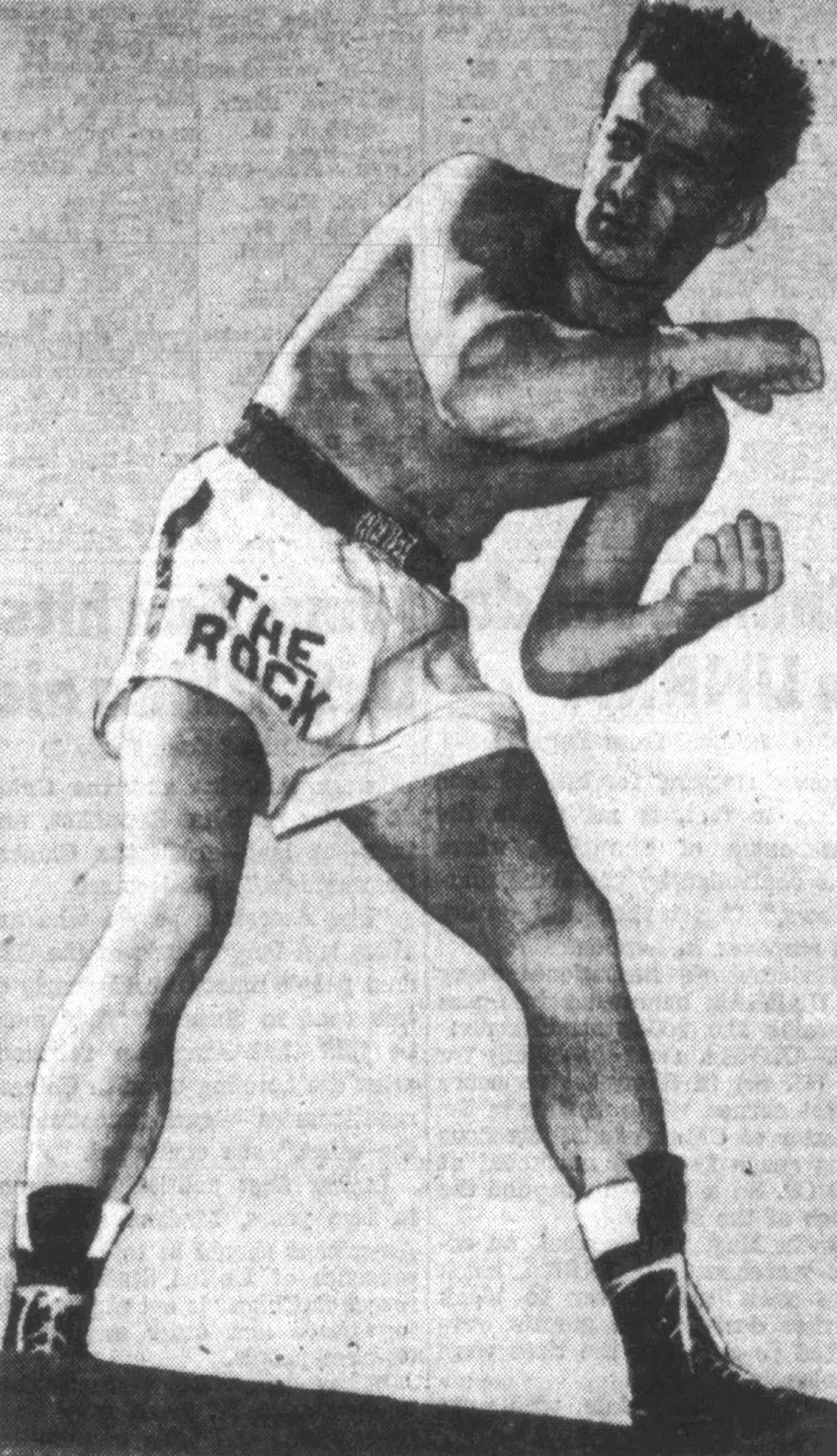
His challenger was Rocky Graziano, a younger New York slugger riding a knockout streak. On September 27, 1946, nearly 40,000 people filled Yankee Stadium for the title fight. Zale floored Graziano in the first round, then absorbed a brutal beating and seemed close to being stopped before rallying to knock Graziano out in the sixth.
The rematch at Chicago Stadium on July 16, 1947, reversed the script. This time Graziano was battered, with one eye shut, before turning the fight and stopping Zale in the sixth to take the championship. The deciding third bout, at Ruppert Stadium in Newark, New Jersey, on June 10, 1948, was short. In the third round Zale landed a right to the body followed by a left hook to the jaw, and Graziano was knocked out. Zale had become the middleweight champion for a second time. Wikipedia reports that Graziano later said he would wake from nightmares of being back in the ring with Zale. Two of the three fights were named The Ring's Fight of the Year.
Marcel Cerdan and the End of the Road
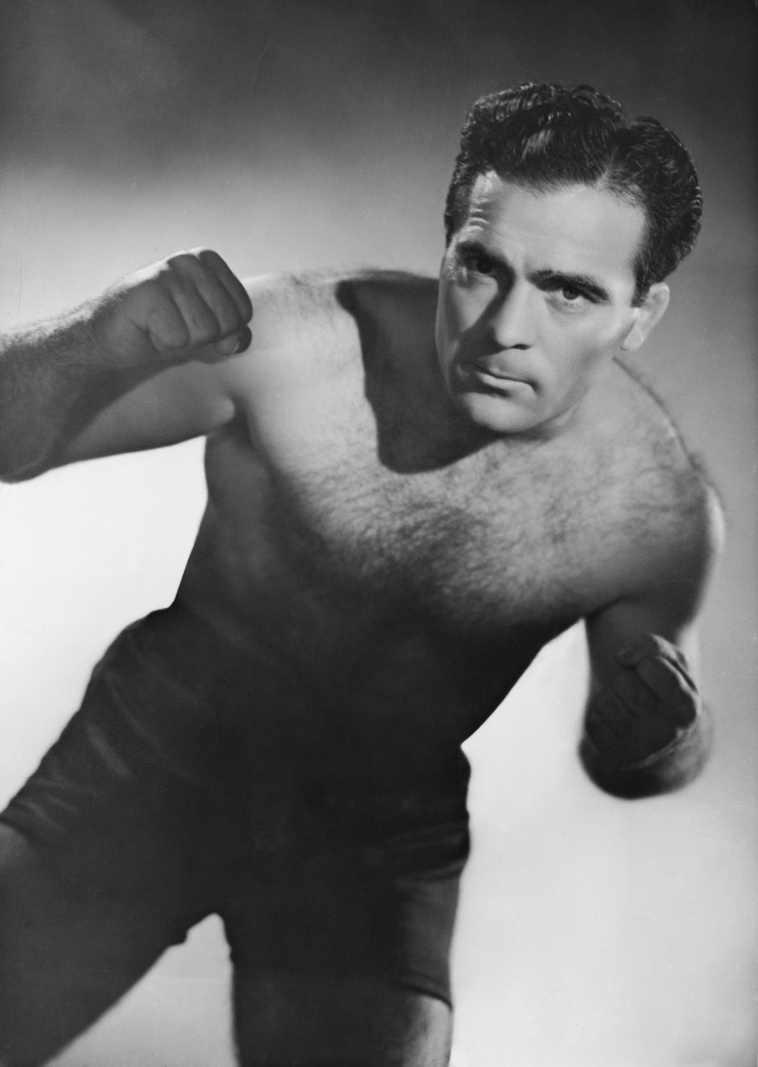
Three months later, on September 21, 1948, Zale defended the title against Marcel Cerdan, the reigning European champion, at Roosevelt Stadium in Jersey City. Edith Piaf, then involved with Cerdan, was in the crowd. The Frenchman was faster and busier, working with combinations of hooks to head and body; a fight review by Boxing Over Broadway describes Zale tiring as the rounds passed despite a brief rally around the seventh. Near the end of the 11th round a left hook dropped him, and he did not continue.
Accounts of the finish differ slightly. Wikipedia's record table lists the result as a retirement in the 11th round, while its narrative text, like several other accounts, describes Cerdan winning in the 12th, when Zale could not come out for that round. The Polish-American Sports Hall of Fame summary calls it an 11-round decision, which does not match the other sources. All agree that Cerdan left with the championship. This fight too was named The Ring's Fight of the Year. It was Zale's last bout; he retired with a record of 67 wins, 18 losses and 2 draws. The Hall of Fame gives his knockout total as 44, while the South Shore profile says 45.
Teaching the Next Generation
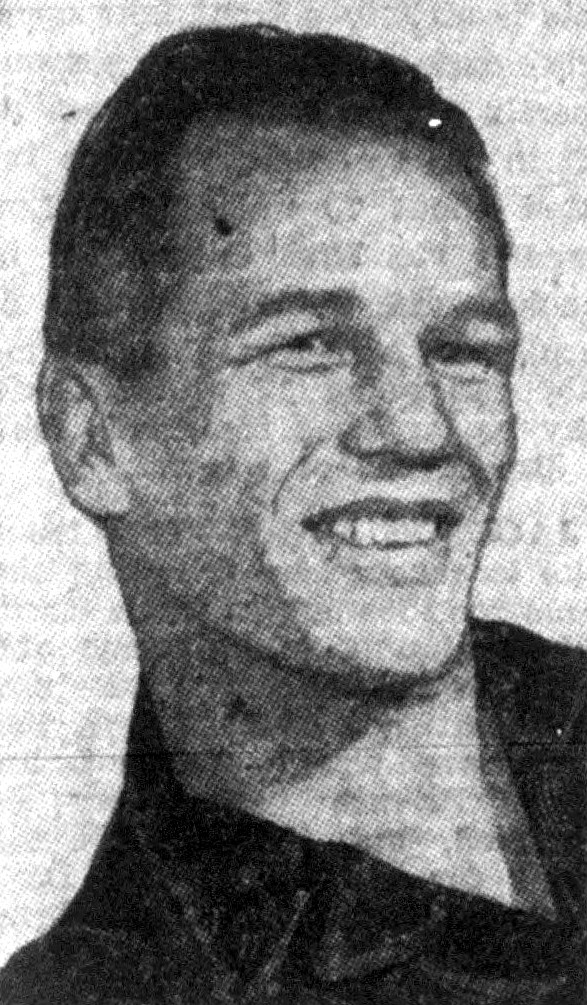
Zale stayed in the sport as a teacher. According to the Polish-American Sports Hall of Fame, he was head boxing coach for Chicago's Catholic Youth Organization from 1949 to 1970, and in 1970 he joined the Chicago Park District, where the International Boxing Hall of Fame says he taught boxing to countless young fighters. The South Shore profile puts his CYO tenure at eighteen years and adds that he advised the Boys Club, Special Olympics and veterans' rehabilitation programs.
Hollywood came calling as well. Zale was originally cast to play himself in "Somebody Up There Likes Me," the 1956 film about Graziano's life. According to director Robert Wise, as reported by Wikipedia, Paul Newman was wary of fully engaging Zale in rehearsals, and Zale was replaced by an actor for the final fight scene.
Honors and Legacy
In 1990 President George H. W. Bush presented Zale with the Presidential Citizens Medal. In 1991 he was inducted into the International Boxing Hall of Fame, and Gary added him to its own hall of fame the same year. The Ring placed him on its list of the 100 greatest punchers of all time. Tony Zale died on March 20, 1997, at the age of 83. In November 2015, championship belts lent to the International Boxing Hall of Fame by his family were stolen; Wikipedia reports that they have not been recovered.
Sources
- Tony Zale, Wikipedia, accessed October 2026
- Al Hostak, Wikipedia, accessed October 2026
- Marcel Cerdan, Wikipedia, accessed October 2026
- Tony Zale, Polish-American Sports Hall of Fame, accessed October 2026
- Tony Zale, South Shore Convention and Visitors Authority (Legends), accessed October 2026
- Tony Zale inductee biography, International Boxing Hall of Fame (via search index), accessed October 2026
- Zale vs Cerdan, Boxing Over Broadway, accessed October 2026


