
How Flash Elorde Went From Bogo, Cebu to the Longest Junior Lightweight Reign in Boxing History
Gabriel 'Flash' Elorde rose from poverty in Bogo, Cebu, to beat Sandy Saddler, rule the junior lightweight division from 1960 to 1967 and become the first Asian inducted into the International Boxing Hall of Fame.

Gabriel "Flash" Elorde left school after the third grade in Bogo, Cebu, and went on to hold the world junior lightweight championship for more than seven years, the longest reign the 130-pound division has seen. Along the way he outpointed featherweight king Sandy Saddler, twice challenged Carlos Ortiz for the lightweight crown and became the first Asian fighter enshrined in the International Boxing Hall of Fame.
A Poor Boy From Bogo
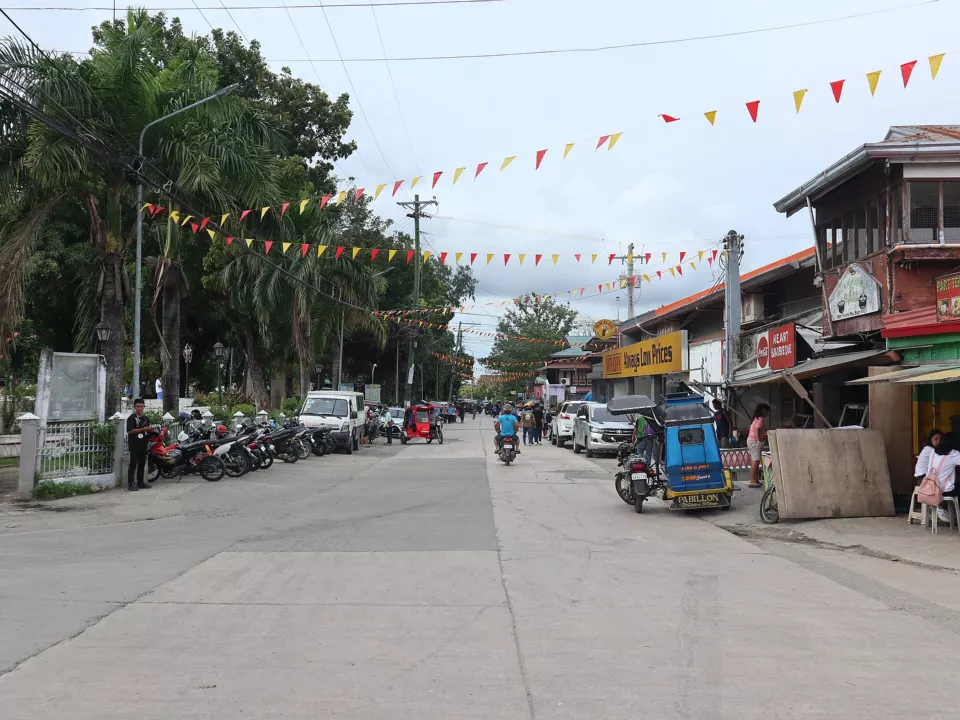
Elorde was born on March 25, 1935, in Bogo, a town on the northern half of Cebu island. He was the last-born of a very large family; Wikipedia counts fifteen children, while a 2002 Philippine Star column by Joaquin M. Henson puts the figure at sixteen. Money was scarce enough that he stopped attending school after the third grade and took whatever work he could find, including carrying balls at a bowling alley and doing carpentry.
Boxing arrived through a friend, the former professional Lucio Laborte, and Elorde started training at about sixteen. His professional debut came on June 16, 1951, in Cebu, where he knocked out Kid Gonzaga in the fourth round. The early record was not spotless: he lost twice and drew once in his first fourteen bouts. But by 1952 he had claimed the Philippine bantamweight title, and twelve-round decisions over Tanny Campo and Hiroshi Horiguchi gave him national and regional bantamweight honours. In 1954 he married Laura Sarreal in Tokyo, the daughter of promoter Lope Sarreal Sr., who would later be elected to the Hall of Fame himself.
The Night He Beat Sandy Saddler
The fight that introduced Elorde to the wider boxing world took place on July 20, 1955, at the Rizal Memorial Sports Complex in Manila. His opponent was Sandy Saddler, the reigning world featherweight champion, and the bout was set at ten rounds with no title on the line. Elorde won a unanimous decision. Because the crown was not at stake, Saddler kept his belt, but a young Filipino had now beaten one of the most feared punchers of the era.
The return match, this time for the championship, was held on January 18, 1956, at the Cow Palace near San Francisco. It went badly for the challenger. A cut opened above his eye and the fight was stopped in the thirteenth of fifteen scheduled rounds. GMA News later reported that Elorde had been in front on the scorecards when it ended, and the bout was remembered as a rough one; the critic Jack Fiske, as cited by Wikipedia, laid the blame for the dirty tactics squarely on the champion.
Opening Night at the Araneta Coliseum
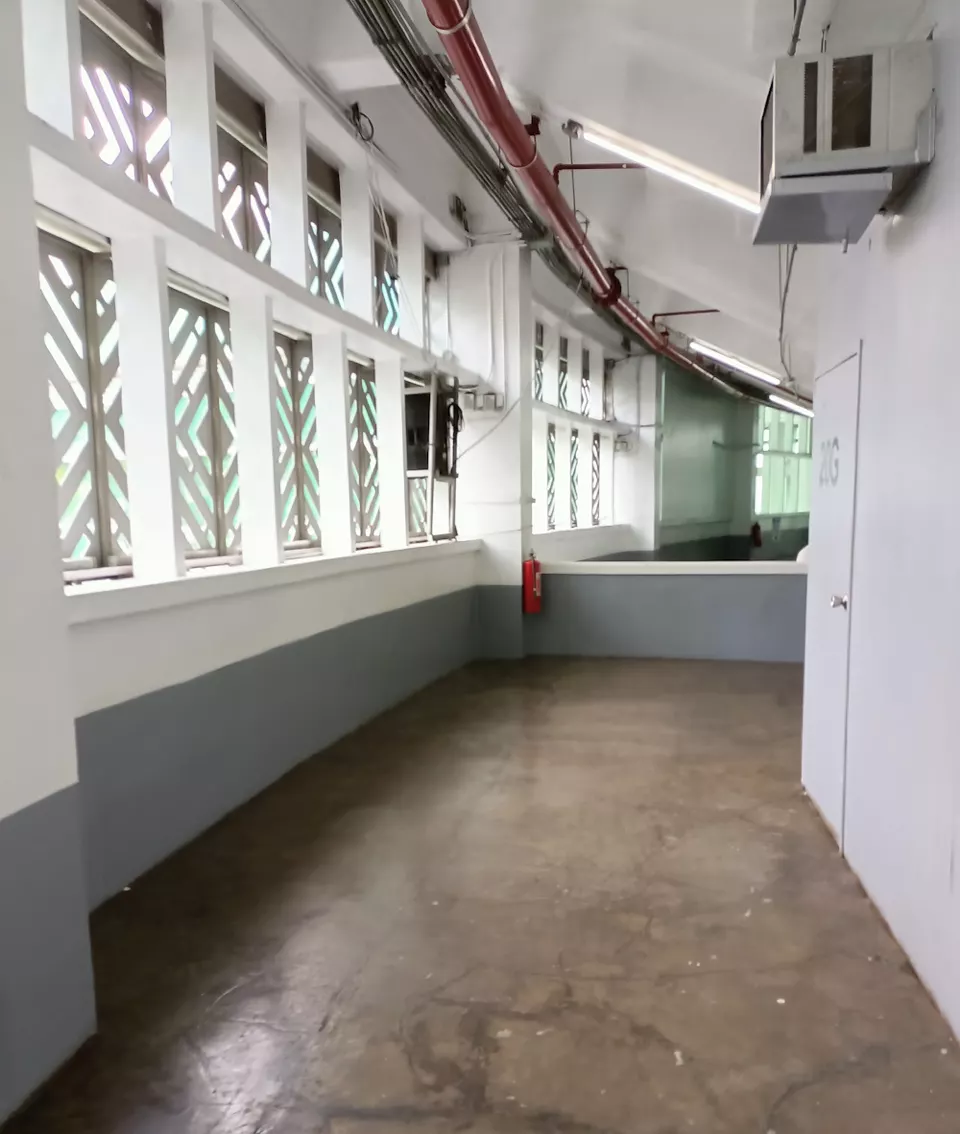
Four years later Elorde got his second world title chance, against the American Harold Gomes, who had won the newly revived junior lightweight championship from Paul Jorgensen in July 1959. The venue was the brand-new Araneta Coliseum in Quezon City, and the date, March 16, 1960, was also the arena's inauguration. Gomes was the betting favourite but had never fought outside the United States.
Elorde dominated him. He put Gomes on the canvas repeatedly, and the end came at 1:50 of the seventh round. Accounts differ on the details: the crowd is given as about 30,000 in Elorde's Wikipedia entry and the Araneta Coliseum entry, but as a sellout of 26,000 in the Gomes article; the number of knockdowns is listed as five by one source and seven by a 2015 Philippine Star column by Romulo Macalintal, with knockdowns spread across the second, third, fifth and seventh rounds. What all sources agree on is the meaning of the result. The Philippines had gone two decades without a world champion, and Elorde ended that drought in front of a home crowd that poured into the ring when Gomes went down for the last time. Macalintal wrote that Elorde's purse that night was 15,000 pesos.
Seven Years at 130 Pounds
A rematch with Gomes in San Francisco in August 1960 was over almost before it started, with Elorde winning by knockout after one minute and twenty seconds of the first round. It was the start of a reign that would include ten successful defenses against opponents such as Sergio Caprari, Johnny Bizzaro, Love Allotey, Suh Kang-il and Teruo Kosaka.
Kosaka became his defining rival. The two met five times between 1961 and 1965, according to a 2012 retrospective in The Freeman. Elorde won the first meeting in Manila, lost a disputed split decision in Tokyo in 1962, then won in Cebu, again in Tokyo by twelfth-round knockout in 1964, and finally by fifteenth-round knockout at the Araneta Coliseum on June 5, 1965, in a defense of his world title. Four wins in five meetings settled the series in Elorde's favour.
His reign ran from March 16, 1960, to June 15, 1967, a span Henson calculated at seven years and 91 days. In 1983, at the WBC's twentieth anniversary, he was named the greatest junior lightweight champion in history.
Two Nights Against Carlos Ortiz
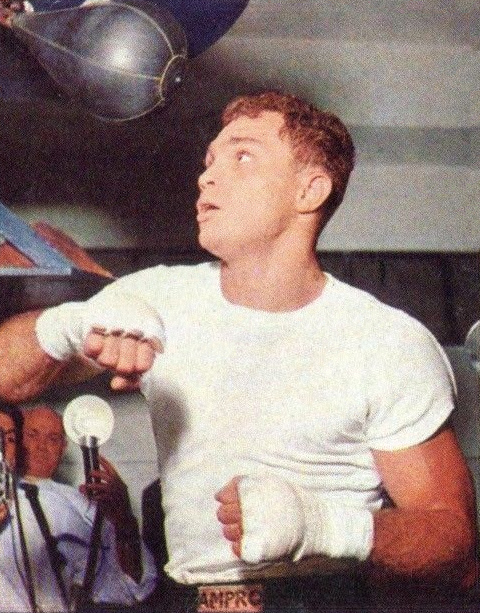
While holding the 130-pound title, Elorde moved up to chase the lightweight championship held by Carlos Ortiz of Puerto Rico. The first attempt came on February 15, 1964, at the Rizal Memorial Sports Complex in Manila, with the WBA, WBC and Ring Magazine belts at stake. Ortiz stopped him in the fourteenth round.
In between the two Ortiz fights, Elorde won a ten-round unanimous decision over Panama's Ismael Laguna at the Araneta Coliseum on March 19, 1966. Laguna had taken the lightweight titles from Ortiz the previous April before losing them back in November 1965, which made the result a strong one. It earned Elorde a second shot. On November 28, 1966, at Madison Square Garden in New York, Ortiz again finished him in the fourteenth round, this time by knockout. Elorde never won the lightweight crown, but both losses came deep into championship fights against a future Hall of Famer.
The Reign Ends in Tokyo
The junior lightweight title finally slipped away on June 15, 1967, at the Kokugikan in Tokyo, where Japan's Yoshiaki Numata won a fifteen-round majority decision. Elorde fought on for several more years; his last bout, on May 20, 1971, was a ten-round decision loss in Tokyo.
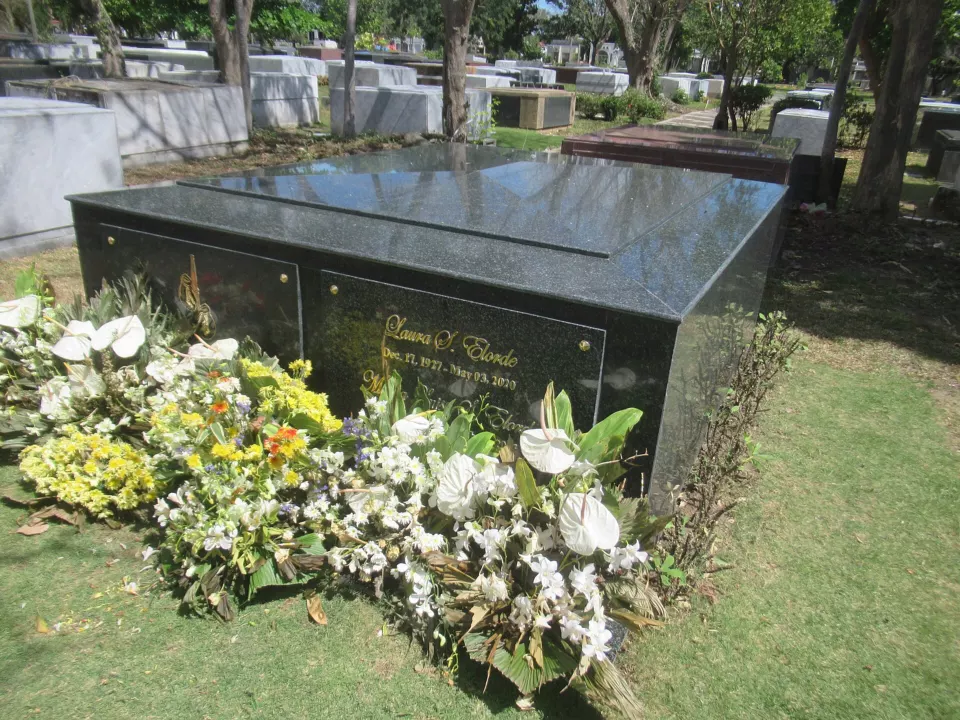
His final record is reported differently. Wikipedia and GMA News list 88 wins, 27 losses and 2 draws, with Wikipedia giving 33 knockouts, while Henson's Philippine Star column gives 88-25-2 with 34 knockouts. A long-time smoker, Elorde was diagnosed with lung cancer and died in Quezon City on January 2, 1985, at the age of 49. He is buried at Manila Memorial Park in Sucat, Parañaque, beside his wife Laura, who died in 2020 at 92.
The Legacy of the Flash
Recognition kept coming after his death. The World Boxing Hall of Fame inducted him in 1988, and in 1993 the International Boxing Hall of Fame in Canastota made him the first Asian fighter in its ranks. Ring Magazine placed him 78th on its 2002 list of the best fighters of the previous eighty years, and former Ring editor Nigel Collins, quoted by Henson, called him "the most celebrated fighter his country ever produced."
The name stayed active in the sport through his family. His sons Gabriel Jr., Marty and Johnny went into promotion and management, the Elorde Sports Center opened in Parañaque in 1983 and later expanded with branches, and since 2000 the annual Gabriel "Flash" Elorde Memorial Boxing Awards have honoured Filipino fighters. GMA News ranked him alongside flyweight pioneer Pancho Villa as the finest fighters Asia had produced, and Henson recalled a champion who built a church and an orphanage and gave ring earnings to charity. Long before Manny Pacquiao, it was the boy from Bogo who showed that a Filipino could rule a weight class for years.
Sources
- Gabriel Elorde, Wikipedia, accessed October 2026
- Harold Gomes, Wikipedia, accessed October 2026
- Ismael Laguna, Wikipedia, accessed October 2026
- Araneta Coliseum, Wikipedia, accessed October 2026
- Flash Elorde: Greatest Pinoy Boxer, GMA News Online, March 4, 2008
- Remembering Da Flash, Joaquin M. Henson, The Philippine Star, March 23, 2002
- Remembering Flash Elorde, Romulo B. Macalintal, The Philippine Star, March 16, 2015
- Long before Pacquiao, Elorde figured in one of boxing's classic rivalries, The Freeman, December 8, 2012


