
Sandy Saddler the Harlem Knockout Artist Ruled the Featherweights
Boston-born and Harlem-raised, Sandy Saddler stopped more than a hundred opponents, beat Willie Pep in three of their four fights and was still champion when a 1956 taxi crash ended his career.

Born in Boston and raised in Harlem, Sandy Saddler punched his way through more than 160 professional fights, stopped over a hundred opponents, and took the featherweight championship from Willie Pep twice before a car crash ended his career while he still held the title.
A Boston Birth and a Harlem Upbringing
Joseph Saddler was born in Boston, Massachusetts, in June 1926. Most references, including Wikipedia and Boxing News, give the date as June 23, while ESPN's 2001 obituary lists June 12. His parents came from the West Indies; Boxing News records that his father, Alexander, was Jamaican, and that the boy eventually took "Sandy" as the name he would fight under.
The family settled in Harlem, and it was in New York that Saddler learned the trade. According to EBSCO's biographical summary, he started as an amateur through the Police Athletic League. Both EBSCO and ESPN put his amateur experience at roughly 50 bouts, and EBSCO adds that he lost only a handful of them.
A Teenage Professional and an Early Lesson
Saddler turned professional in 1944 at the age of 17, with his early fights taking place in Connecticut. Boxing News notes a brief stint in the Navy that same year, ending after about two months with a medical discharge.
His second professional fight, on March 21, 1944, in Hartford, produced the defining oddity of his record. Jock Leslie knocked him out. It would be the only time anyone stopped Saddler in a career that lasted a dozen years and ran past 160 bouts.
What followed was a punishing work rate. Wikipedia counts 93 professional fights on Saddler's record before he ever got a crack at the featherweight title. Tall and long-limbed for the weight, he used that reach to set up a right hand and body attack that made him one of the most feared small men of his era. Along the way he knocked out men who held or would later hold the lightweight championship, among them Joe Brown, Lauro Salas and Paddy DeMarco.
Four Fights With Willie Pep
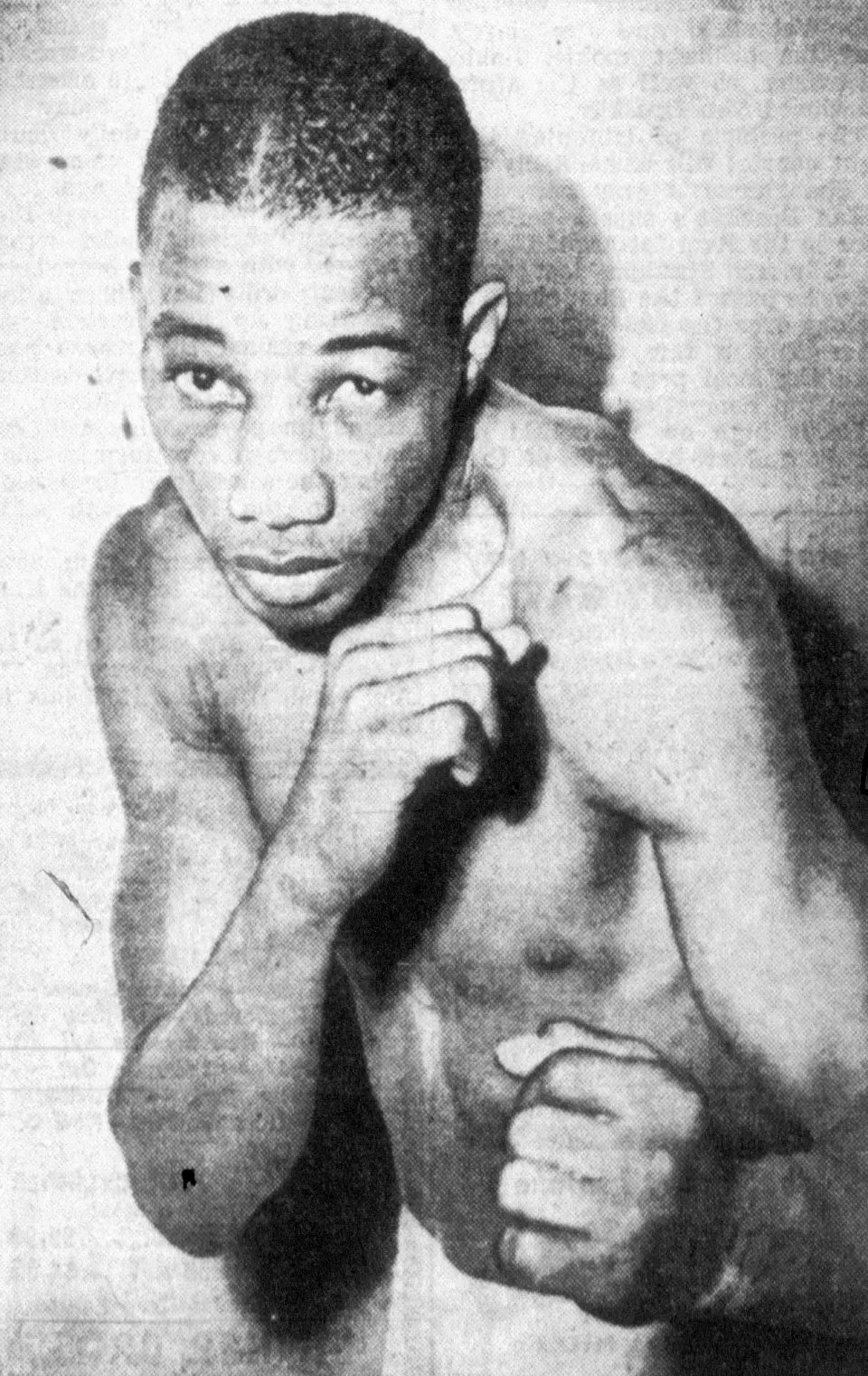
By late 1948 Willie Pep was the established featherweight king, a defensive artist with a remarkably long unbeaten run. Saddler met him at Madison Square Garden on October 29, 1948, and ended the night in the fourth round. ESPN describes Pep being cut in the opening round and dropped twice in the third before the finish; Wikipedia counts four knockdowns in total. It was Saddler's first title fight, and it made him champion.
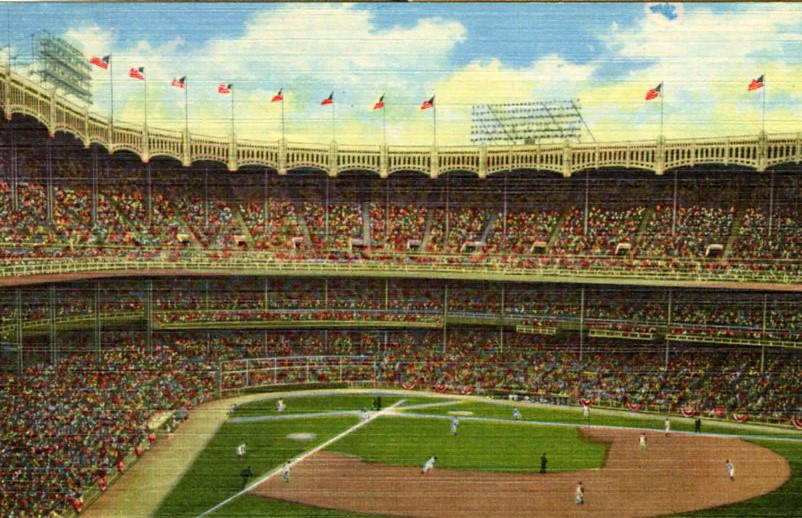
Pep took the belt back at the Garden on February 11, 1949, winning a 15-round decision in one of the most celebrated performances of his career. Saddler answered on September 8, 1950, at Yankee Stadium. Pep did not come out for the eighth round, and Wikipedia attributes the stoppage to a dislocated shoulder. The fourth meeting, on September 26, 1951, at the Polo Grounds, was the roughest of all. Pep again failed to continue after the ninth round. ESPN reports that the New York State Athletic Commission briefly suspended both fighters because of how foul the contest had become.
The rivalry is covered in more depth in RingTalk's Willie Pep biography. Its basic arithmetic is that Saddler won three of their four fights, all inside the distance. Years later Pep paid him a blunt compliment, quoted by Boxing News: "Sandy was a very dangerous fellow. I'll remember him as long as I live."
A Second Title at 130 Pounds
Between the second and third Pep fights, Saddler collected a title one division up. On December 6, 1949, he outpointed Orlando Zulueta for recognition as junior lightweight champion. ESPN states that he defended that crown twice before the division was dropped in 1951. Wikipedia's table of his titles lists the reign as lasting longer, to 1955, so the accounts do not agree on exactly when the 130-pound title lapsed.
Army Service and a Frozen Crown
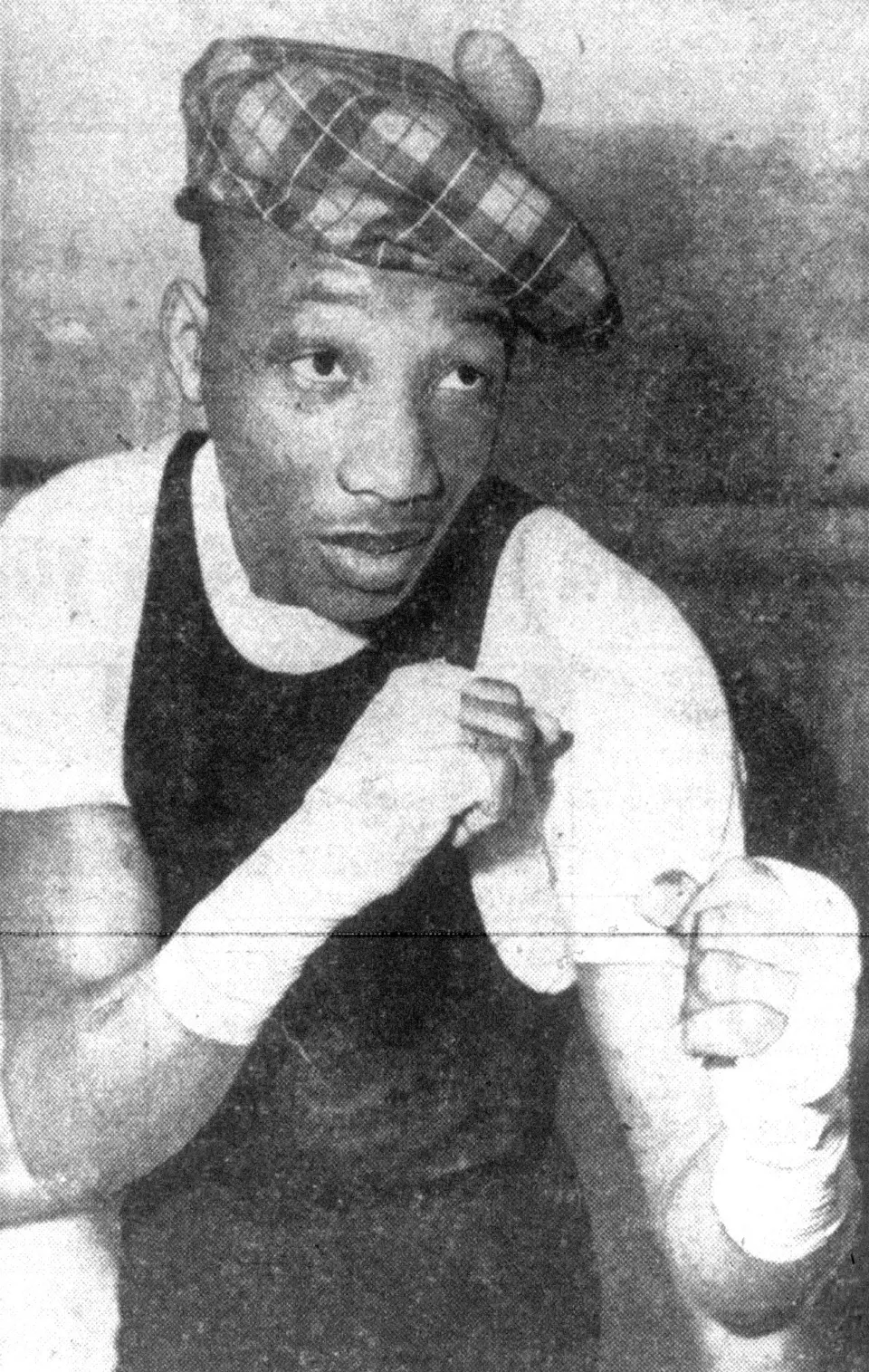
Military service interrupted his reign. Boxing News reports that Saddler was drafted into the Army in the spring of 1952, that his featherweight title was frozen while he was away, and that he came back to the ring in 1954. Once back, he defended the championship against Teddy Davis, winning a unanimous decision over 15 rounds, according to Wikipedia.
Saddler did not cut back on his schedule as champion. He kept taking non-title fights, and not all of them went his way. On July 20, 1955, the Filipino Gabriel "Flash" Elorde, who would later rule the junior lightweights for years, beat him on a unanimous decision. Saddler evened the account on January 18, 1956, stopping Elorde in the 13th round.
The Taxi Crash That Ended It
The end came outside the ring. In 1956 Saddler was hurt in a road accident, which ESPN and EBSCO both describe as a taxicab crash, and the eye injury he suffered made it impossible to go on fighting. He was still featherweight champion. Sources differ on the date of the retirement: Wikipedia places it in 1956, at age 30, while ESPN, Boxing News and EBSCO date the announcement to January 1957.
Totals also vary slightly between references. ESPN, Boxing News and EBSCO give his record as 144 wins, 16 losses and 2 draws with 103 knockouts; Wikipedia's figures are 145 wins and 104 knockouts. Either way, the count places him among the heaviest punchers boxing has produced, and in 2003 The Ring ranked him fifth on its list of the 100 greatest punchers of all time.
Life in the Corner
Saddler did not leave the sport. Boxing News and EBSCO both record that he trained fighters at the National Maritime Union gymnasium in New York. His best-known pupil was George Foreman: ESPN, EBSCO and Wikipedia all note that Saddler worked with the heavyweight during the 1970s, and Wikipedia places him with Foreman during his first reign as world heavyweight champion.
EBSCO notes that Saddler felt racial bias kept him from getting the same recognition as Pep, despite his record and his wins over him. Official recognition did come eventually. He was elected to the International Boxing Hall of Fame in 1990, and Boxing News recalls that he went to the annual induction gatherings. Wikipedia adds a family footnote from outside boxing: the hip-hop pioneer Grandmaster Flash is his nephew.
Final Years
Saddler was diagnosed with Alzheimer's disease and spent his last years at the Schervier Nursing Home in New York City. He died there in his sleep on September 18, 2001, at the age of 75, ESPN reported, citing his son, Sandy Jr.
Sources
- Sandy Saddler, Wikipedia, accessed October 2026
- Sandy Saddler obituary, ESPN Classic, September 2001
- On this day: featherweight great Sandy Saddler died in 2001, Boxing News, accessed October 2026
- Sandy Saddler (Research Starters biography), EBSCO, accessed October 2026


