
How Billy Conn, the Pittsburgh Kid, Went From an East Liberty Gym to the Light Heavyweight Title and Two Nights With Joe Louis
A steam fitter's son who paid for boxing lessons by sweeping a Pittsburgh gym, Billy Conn became light heavyweight champion at 21, nearly took Joe Louis's heavyweight crown, lost four years to the war and spent the rest of his life as his city's favorite fighter.

Billy Conn was a steam fitter's son from Pittsburgh who learned to box by sweeping a gym floor, became light heavyweight champion of the world at 21, and came within a few rounds of taking the heavyweight title from Joe Louis. His life after that night, through the Second World War, a lopsided rematch and a long retirement in his home city, is a story about more than one fight.
A Westinghouse Family and a Gym in East Liberty
William David Conn Jr. was born in Pittsburgh on October 8, 1917. His father, also named William David Conn, worked as a steam fitter at a Westinghouse plant; his mother was Margaret Conn. It was an industrial, Irish-American upbringing in a city whose boxing hero of the day was Harry Greb, the middleweight champion Conn grew up idolizing, according to Boxing News.
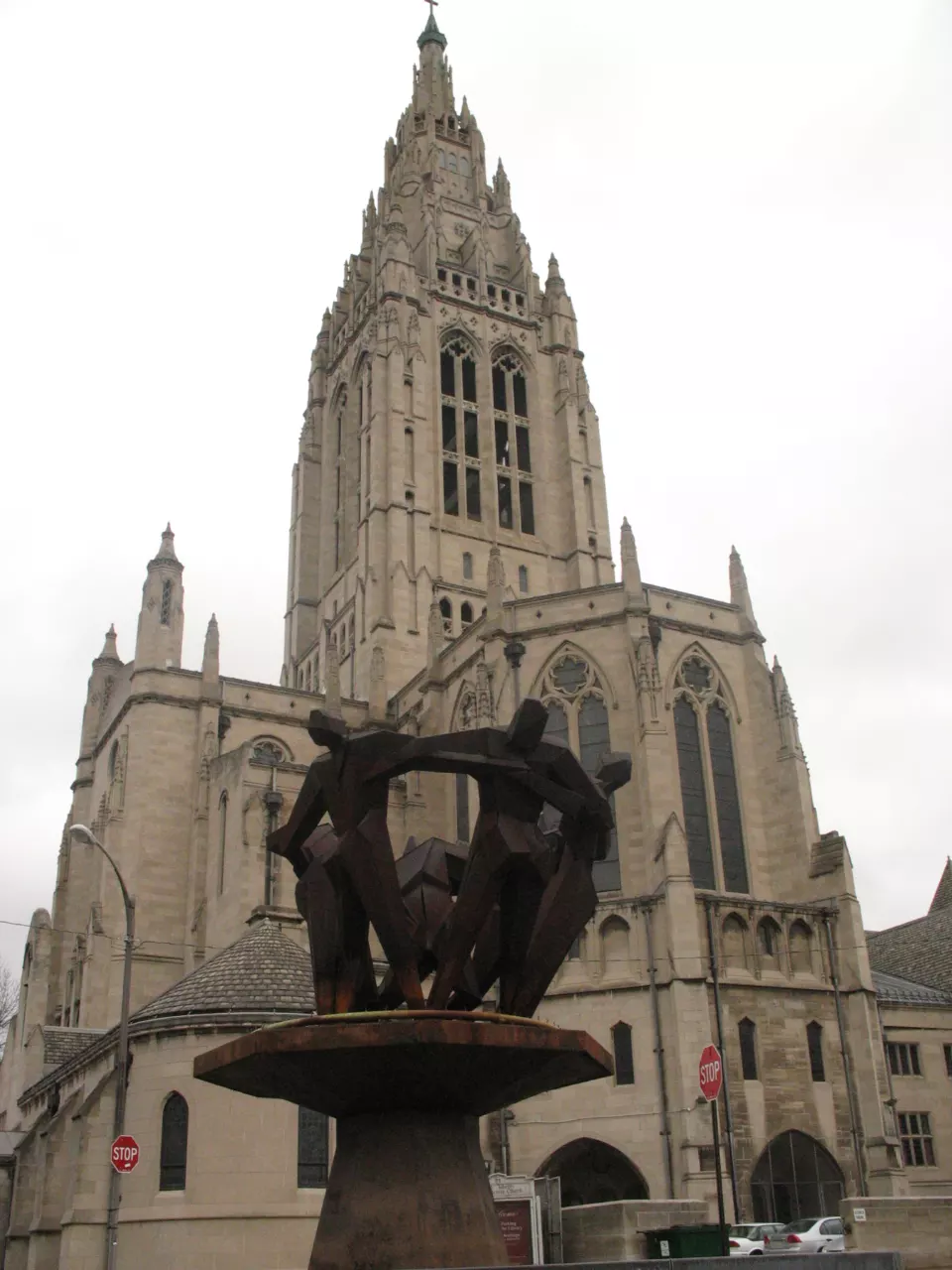
At thirteen, Conn walked into a modest gym in East Liberty, a working-class district on Pittsburgh's East End, run by a former fighter named Johnny Ray. The lessons were not paid for in cash. The boy swept the floor and handled odd jobs, and in return Ray taught him how to fight. Ray, born Howard Pitler, had been a lightweight of some standing in the Pittsburgh area and a sparring partner of Greb. He became Conn's manager and, by most accounts, something close to a second father, and the two stayed together for the whole of Conn's professional career.
Fifty Cents and a Hard Apprenticeship
Sources do not agree on the exact start. Wikipedia lists a debut on July 20, 1934, a third-round knockout of Johnny Lewis, and Boxing News also places his first pro fight in 1934, when Conn was sixteen and weighing in as a lightweight. The EBSCO Research Starters biography instead dates the debut to January 1935 in Fairmont, West Virginia, and records that Conn's share of a $2.50 purse was fifty cents.
What is not disputed is how rough the early going was. He fought more than three dozen times across 1935 and 1936 and lost six of his first fourteen bouts. The losses did not stop him. They shaped him into the fighter he became, built on a fast jab, a sharp left hook and footwork that let him control range against bigger and stronger men. As he filled out, he climbed through the weights and began collecting notable names: Fritzie Zivic, Teddy Yarosz, Young Corbett III, Solly Krieger and Fred Apostoli, a former middleweight champion.
Champion at 21: The Light Heavyweight Years, 1939-1940
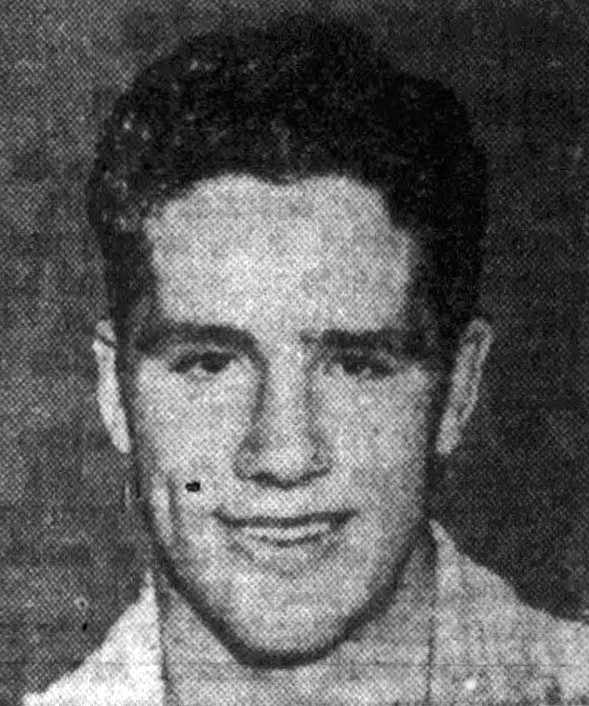
On July 13, 1939, Conn outpointed Melio Bettina over 15 rounds in New York to win the world light heavyweight championship. Boxing News places the fight at Madison Square Garden. He was 21 years old. Wikipedia lists the title as recognized by the New York State Athletic Commission, the National Boxing Association and The Ring, making him the undisputed champion at the weight.
He then beat every serious challenger in front of him. He beat Bettina a second time and twice outpointed Gus Lesnevich, another future light heavyweight champion, each time over 15 rounds. Between those defenses he took on heavyweights, beating Bob Pastor, Lee Savold, Gunnar Barlund and Buddy Knox, along with former middleweight champion Al McCoy. The Ring named him its Fighter of the Year for 1940. On the date he gave the title up, the sources differ. Wikipedia lists the reign as ending in June 1940, while a Boxing News retrospective describes him relinquishing it in 1941 to chase Louis. Either way, he left a division he had cleaned out for a bigger and more dangerous one.
Twelve Rounds Ahead: The 1941 Challenge to Joe Louis
On June 18, 1941, at the Polo Grounds in New York, Conn challenged Joe Louis for the heavyweight championship. He gave away a large amount of weight and spent a dozen rounds outboxing the champion anyway. Boxing News reports the official cards after twelve: one judge level at 6-6, the other judge 7-4-1 for Conn and the referee 7-5 for Conn. In the 13th, Conn chose to trade instead of box, and Louis knocked him out with two seconds left in the round. Ringtalk has covered that night round by round in a separate article. Afterwards Conn summed up his own decision with a line repeated ever since, recorded by Boxing News as "What's the point in being Irish if you can't be thick?" Wikipedia gives the wording slightly differently.
Back home the fight was overshadowed by family matters. The Pittsburgh Post-Gazette notes that Conn's mother was terminally ill at the time. His wife, Mary Louise Smith, was also from Pittsburgh, and her father was the former major league ballplayer Jimmy Smith.
A Broken Hand, a Uniform and Four Lost Years
A rematch with Louis was planned for 1942. It was cancelled after Conn broke his left hand punching his father-in-law during a family altercation, an episode both Wikipedia and Boxing News record. Then the war took over. According to EBSCO, both Conn and Louis enlisted after the United States entered the war in December 1941. Conn fought three times in 1942 and then not at all until 1946.
His service consisted largely of morale work. EBSCO's biography describes him visiting military hospitals, staging boxing exhibitions for troops, touring the European front from June 1944 and appearing at bases in France with Bob Hope's troupe. It also credits him with helping to rescue an American pilot in Italy, though it gives no further detail and the other sources consulted for this article do not mention the episode.
Yankee Stadium, 1946: The Rematch
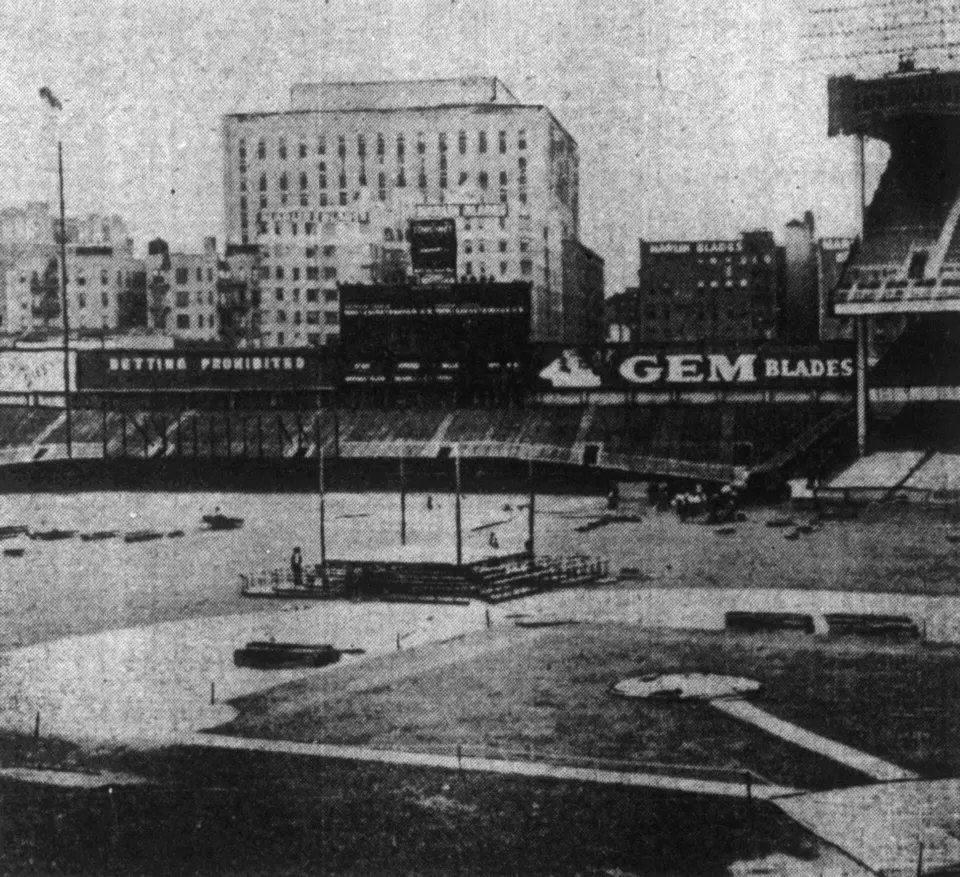
When Conn came back, it was straight into a heavyweight title fight. On June 19, 1946, he met Louis again, this time at Yankee Stadium. Before the bout Louis offered a line that stuck: "He can run, but he can't hide." Both men had lost ground during the long layoff, and the fight never resembled the first one. Louis knocked Conn out in the eighth round. Wikipedia notes that it was the first world heavyweight championship fight ever shown on television, watched by an estimated 146,000 people, then a record audience for a heavyweight bout.
The Last Fights and a Life in Pittsburgh
Conn fought only twice more, winning both by knockout within about ten days in late 1948, the last over Jackie Lyons on November 25. In December 1948 he boxed an exhibition with Louis in Chicago and then retired. His final record is reported differently by different sources: Wikipedia and EBSCO give 63 wins, 11 losses and a draw, while Boxing News lists 63-12-1 with 14 knockouts.
Unlike many fighters of his era, Conn held on to his money. Boxing News mentions investments in oil wells, a stint in the 1960s managing the Stardust in Las Vegas and occasional work as a referee. One of those assignments was the 1966 lightweight title fight between Carlos Ortiz and Sugar Ramos in Mexico City, where Conn stopped the bout because of a cut over Ramos's eye and the crowd rioted. He lived for decades in the same house in Pittsburgh's Squirrel Hill, according to the Post-Gazette, and stayed married to Mary Louise until his death.
He never lost his fighting instinct. In 1990, at an age the sources give as 72 or 73, Conn walked into a robbery at a Pittsburgh convenience store and went after the robber, putting him down with a left hand according to Boxing News. The man escaped, but Wikipedia records that Conn's coat came off in the struggle with his name and address inside, and that this helped police make an arrest.
Honors, Hollywood and Billy Conn Boulevard
Conn played a boxer named Billy Conn in the 1941 film The Pittsburgh Kid. In On the Waterfront in 1954, Rod Steiger's character remarks that his brother could have been another Billy Conn. The Ring elected him to its Hall of Fame in 1965, and in 1990 he was part of the first class inducted into the International Boxing Hall of Fame in Canastota, New York. He appeared in a number of HBO boxing documentaries and kept turning up at fights.
Billy Conn died of pneumonia in a Pittsburgh hospital on May 29, 1993, aged 75. The city later renamed North Craig Street in its Oakland neighborhood Billy Conn Boulevard.
Sources
- Billy Conn, Wikipedia, accessed October 2026
- Billy Conn, EBSCO Research Starters (Biography), accessed October 2026
- On this day: stylish light-heavyweight great Billy Conn was born, Boxing News, October 8, 2019
- All-time great Billy Conn was born on this day, Boxing News, October 8, 2020
- Billy Conn, the Pittsburgh Kid (The Digs), Pittsburgh Post-Gazette, accessed October 2026


