
How Shane Mosley Went From Pomona to the Hall of Fame With Every Chapter Intact
The life and career of Sugar Shane Mosley, from his IBF lightweight reign and two wins over Oscar De La Hoya to the Forrest losses, the Margarito upset, his BALCO grand jury testimony and his first-ballot Hall of Fame election.

Shane Mosley grew up in Southern California learning to fight from his father, won a lightweight world title with a run of knockouts, beat Oscar De La Hoya twice and spent two decades in the ring with almost every great welterweight of his time. The record also includes two lopsided losses to Vernon Forrest and grand jury testimony in the BALCO doping case, and both belong in the story.
A Fighter Raised by His Father in Pomona
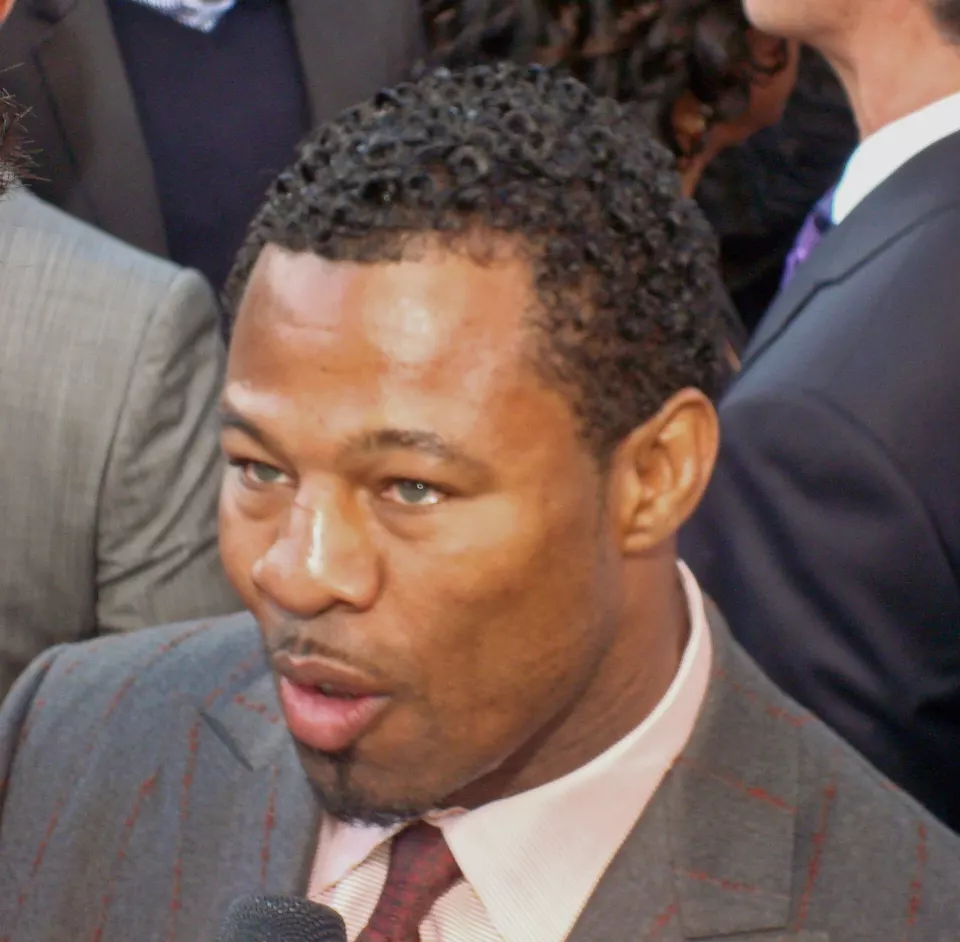
Shane Mosley was born on September 7, 1971, in Lynwood, California, and grew up in Pomona, east of Los Angeles. His father, Jack Mosley, started training him when he was eight. Wikipedia's account of his early life says the boy decided he wanted to box after watching his father in street fights.
As an amateur, Mosley piled up a record that Wikipedia lists as 250 wins and 16 losses. He won the U.S. amateur lightweight championship in 1989 and 1990 and the light welterweight title in 1992. That same year he met Vernon Forrest at the U.S. Olympic trials and lost. Ten years later they would meet again as professionals.
The IBF Lightweight Title and Eight Straight Knockouts
Mosley turned professional on February 11, 1993, at the Hollywood Palladium, stopping Greg Puente in the fifth round of a scheduled six-rounder.
His first world title fight came on August 2, 1997, at the Mohegan Sun casino in Connecticut, against IBF lightweight champion Philip Holiday, who was 31-0. Mosley won a unanimous decision over 12 rounds. What followed made his name. He defended the belt eight times and, according to Front Proof Media's look back at his career, stopped every one of those challengers. The Boxing Writers Association of America named him its Fighter of the Year for 1998.
June 2000: Beating Oscar De La Hoya at Staples Center
Mosley gave up the lightweight belt and moved up two divisions to welterweight, chasing bigger fights. The biggest one available was against Oscar De La Hoya, a fellow Southern Californian and the most popular fighter in the country. They met on June 17, 2000, at Staples Center in Los Angeles. Mosley won a split decision. Two judges scored it 116-112 and 115-113 for him, and the third had De La Hoya ahead 115-113.
Front Proof Media calls that night the biggest win of his career. He was still unbeaten, and he went into 2002 with a record of 38-0.
Two Nights Against Vernon Forrest
On January 26, 2002, Mosley defended his title against Forrest at the Theater at Madison Square Garden in New York. ESPN reported that Forrest was a 7-1 underdog. He knocked Mosley down twice in the second round and had him hurt again in the tenth. All three judges scored the fight for Forrest. Two of the cards were 117-108 and 118-108; the third is listed as 115-110 by Wikipedia and printed as 115-100 in ESPN's report. The loss ended Mosley's unbeaten run.
Mosley asked for a rematch straight away, and he got it on July 20, 2002, at Conseco Fieldhouse in Indianapolis. Forrest won again by unanimous decision, with ESPN listing scores of 117-111, 116-112 and 115-113. Counting the Olympic trials, that made three wins for Forrest. "I don't have his number," Forrest told ESPN after the rematch, adding that he was 35-0 and had the number of everyone he had fought.
September 2003: The Rematch at the MGM Grand
A year later Mosley was back against De La Hoya, this time at light middleweight. They fought on September 13, 2003, at the MGM Grand in Las Vegas, with De La Hoya's WBA, WBC and Ring magazine titles at stake. ESPN reported a sellout crowd of 16,268. De La Hoya led or was level on the cards at the midway point, but Mosley won the closing rounds on all three. Every judge scored the fight 115-113 for him.
The decision was disputed. ESPN's punch statistics had De La Hoya landing 221 punches to 127, though many of his were jabs while most of Mosley's were power shots. De La Hoya said he was hiring lawyers to look into the result. Mosley saw it differently. "I thought I won by one or two rounds," he told ESPN.
The BALCO Testimony
This win later took on a different meaning. On December 11, 2003, Mosley testified before a federal grand jury in San Francisco that was investigating the Bay Area Laboratory Co-operative, the company run by Victor Conte. The New York Daily News reported the contents of the transcripts in December 2008. According to that reporting, Mosley testified that he injected himself with EPO while preparing for the De La Hoya rematch. He also testified about the designer steroids known as "the clear" and "the cream." A calendar seized from BALCO showed he was using them until a few days before the fight.
Mosley has acknowledged under oath and in public that he used the substances. His position throughout has been that he did not know they were banned and believed he was taking legal supplements. In the testimony, he said he thought "the clear" was flaxseed oil. He sued Conte for defamation, claiming $12 million in damages. Wikipedia records that the case was dismissed with prejudice in November 2010.
Winky Wright, Miguel Cotto and the Margarito Upset
After the second De La Hoya fight, Mosley's results went up and down. He lost to Ronald "Winky" Wright twice in 2004, the first time by a wide unanimous decision and the second by majority decision. In November 2007 he lost a unanimous decision to Miguel Cotto at Madison Square Garden. By the time he signed to face Antonio Margarito, he was widely seen as the underdog.
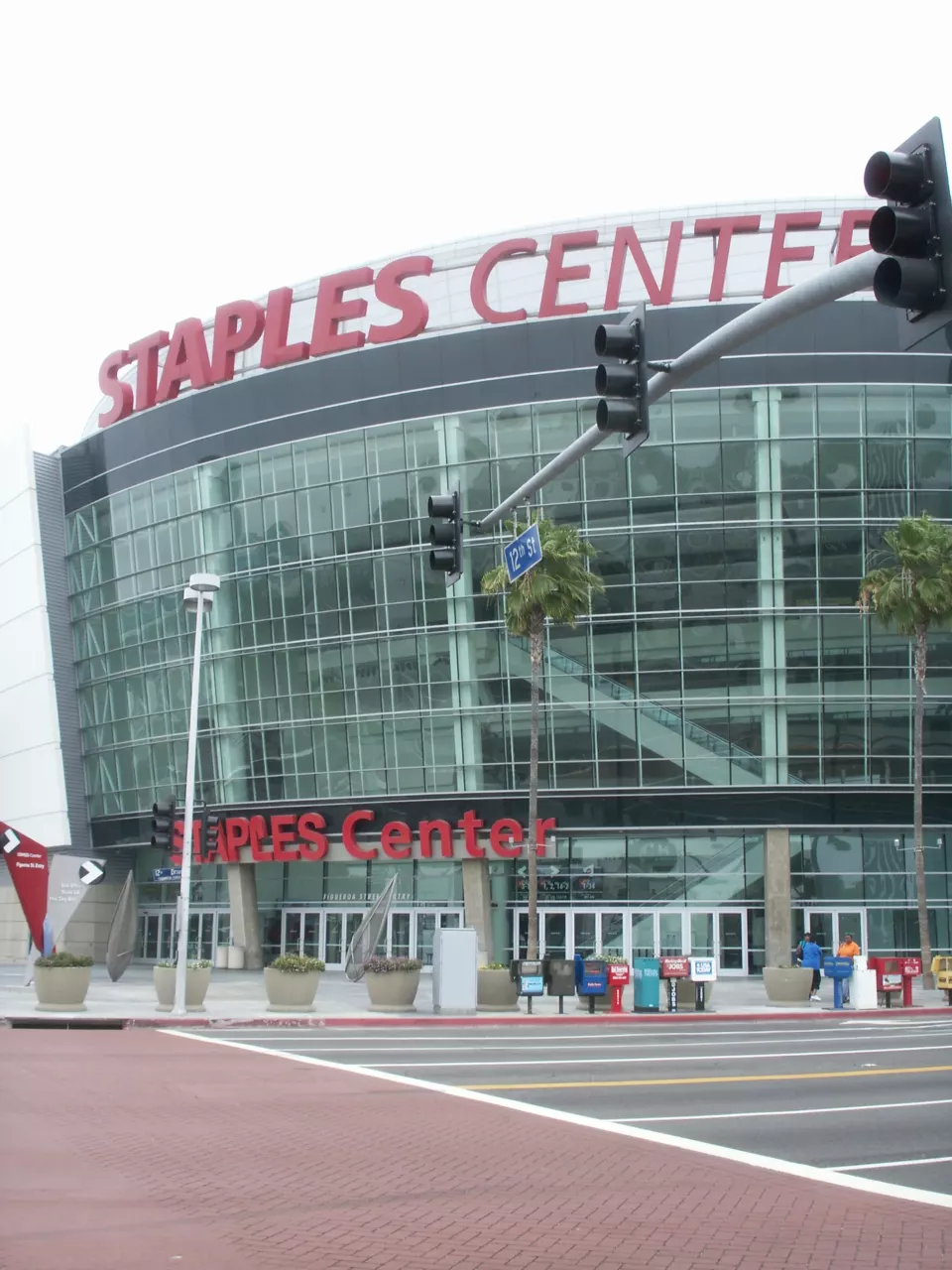
The fight was held on January 24, 2009, at Staples Center, with the WBA welterweight title at stake, before a crowd announced at 20,820. The trouble started before the first bell. Mosley's trainer, Nazim Richardson, watched Margarito's hands being wrapped in the dressing room, spotted a substance in the wraps and alerted the California State Athletic Commission. It was identified as a material that hardens into something like plaster of Paris when wet, and HBO told viewers that Margarito's hands had to be rewrapped.
Once the fight began, Mosley controlled it. He dropped Margarito with a series of overhand rights at the end of the eighth round and finished him 43 seconds into the ninth. At the stoppage he led 80-71, 79-72 and 78-73. The California State Athletic Commission then revoked the licenses of Margarito and his trainer, Javier Capetillo, for at least a year.
Mayweather, Pacquiao and the Long Goodbye
The Margarito win got Mosley a fight with Floyd Mayweather Jr. on May 1, 2010, at the MGM Grand Garden Arena. In the second round Mosley landed a right hand that rocked Mayweather, and a second right buckled his legs. Mayweather recovered and controlled the rest of the fight, winning a unanimous decision by scores of 119-109, 119-109 and 118-110.
On May 7, 2011, Mosley challenged Manny Pacquiao for the WBO welterweight title at the MGM Grand. Pacquiao knocked him down in the third round and won a one-sided unanimous decision, 120-108, 120-107 and 119-108. Pacquiao went down in the tenth and referee Kenny Bayless counted it as a knockdown, but replays showed Pacquiao had slipped with his foot trapped under Mosley's. Wikipedia reports that Bayless apologized to Pacquiao's trainer, Freddie Roach, afterward.
A year later, on May 5, 2012, the 40-year-old Mosley lost a unanimous decision to 21-year-old Saul "Canelo" Alvarez. His last fight was a decision loss to David Avanesyan in May 2016. He announced his retirement in August 2017 with a record of 49 wins, 10 losses and one draw, with 41 knockouts, plus one no-contest.
First-Ballot Hall of Famer
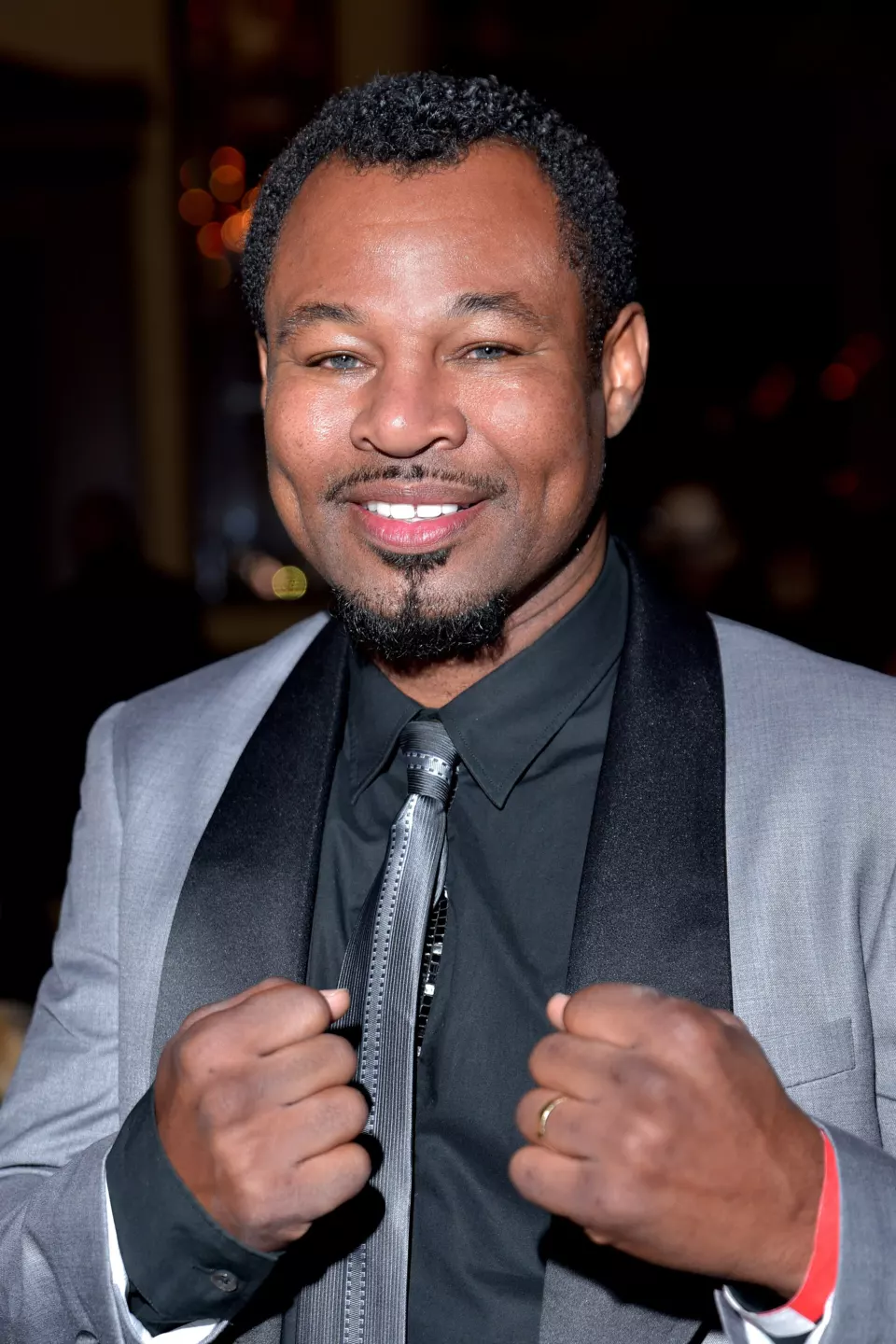
The International Boxing Hall of Fame elected Mosley in its class of 2020, in his first year of eligibility, alongside Bernard Hopkins and Juan Manuel Marquez. Because of the coronavirus pandemic, the ceremony in Canastota, New York, was postponed and combined with the 2021 inductions. "I'm a first-ballot Hall of Famer," he told ESPN's Steve Kim. He held world titles in three divisions: lightweight, welterweight and light middleweight.
Sources
- Shane Mosley, Wikipedia, accessed October 2026
- Shane Mosley vs. Vernon Forrest, Wikipedia, accessed October 2026
- Antonio Margarito vs. Shane Mosley, Wikipedia, accessed October 2026
- Manny Pacquiao vs. Shane Mosley, Wikipedia, accessed October 2026
- Forrest-Mosley fight report, ESPN, January 26, 2002
- Forrest-Mosley rematch report, ESPN, July 20, 2002
- De La Hoya-Mosley II fight report, ESPN, September 13, 2003
- Mosley told grand jury of EPO use, New York Daily News (via Yahoo Sports), December 3, 2008
- The day Shane Mosley almost KO'd Floyd Mayweather, Steve Kim, ESPN, April 30, 2020
- Hopkins, Mosley reflect on Hall of Fame honor and delayed induction, Steve Kim, ESPN, June 22, 2020
- A Career Remembrance: "Sugar" Shane Mosley Officially Retires From Boxing, Front Proof Media, 2017


