
Pascual Pérez, the Little Giant From Mendoza, Became Argentina's First World Champion
Pascual Pérez, a five-foot flyweight from Mendoza's wine country, won Olympic gold in London in 1948 and then beat Yoshio Shirai in Tokyo in 1954 to become Argentina's first world boxing champion. He held the title until Pone Kingpetch beat him in 1960.

He stood about five feet tall, weighed less than many schoolboys, and came out of the vineyards of Mendoza. Pascual Pérez won Olympic gold in London in 1948, then travelled to Tokyo in 1954 and took the world flyweight title from Yoshio Shirai, making him the first Argentine to become a world boxing champion. He kept the title for more than five years, until Pone Kingpetch took it from him in Bangkok.
A Vineyard Childhood in Tupungato
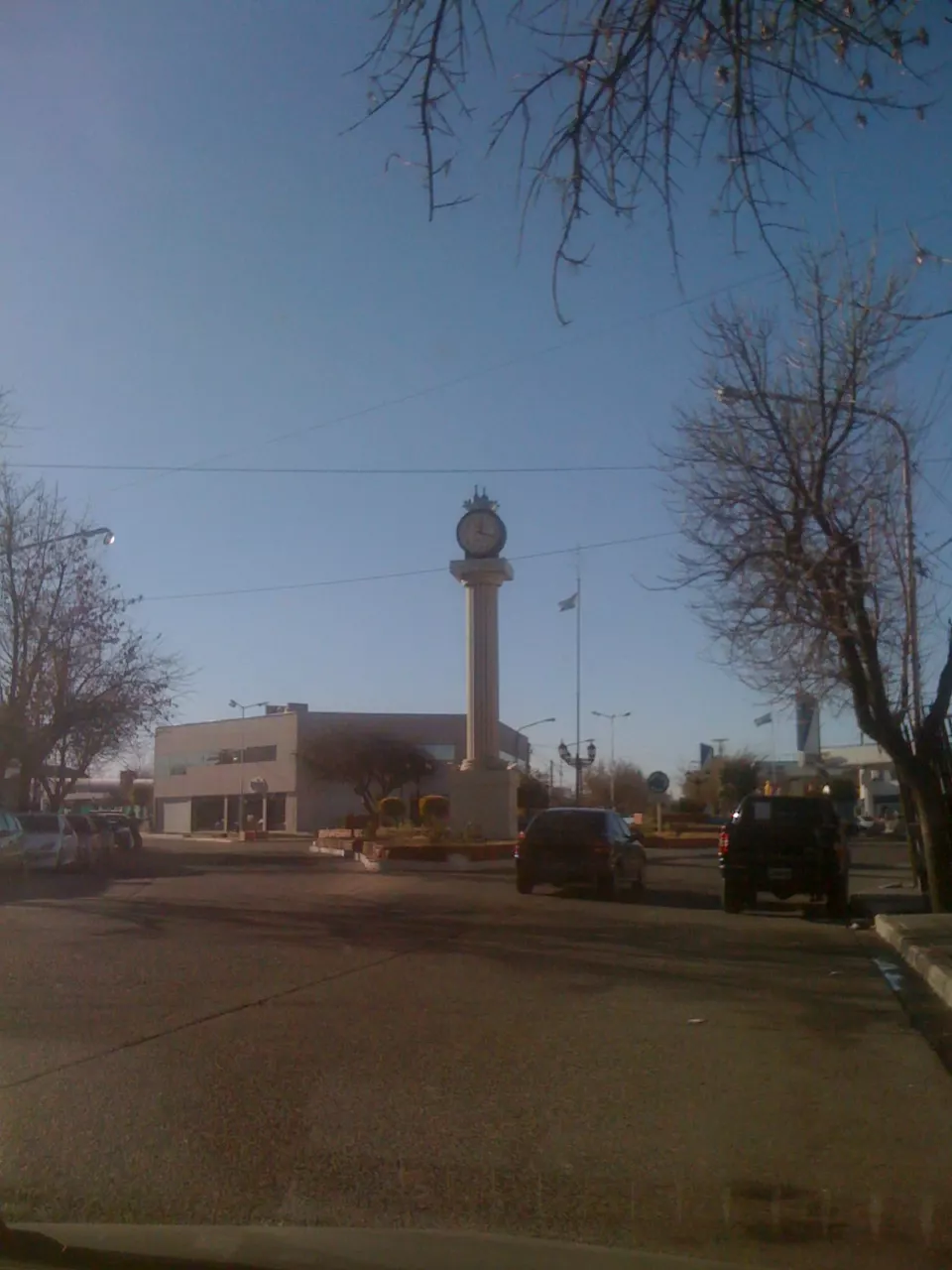
Pérez was born on 4 May 1926 in Tupungato, a farming town in the Uco Valley of Mendoza Province, close to the Andes. He was the youngest of nine children in a family that made its living from the vineyards. By the standards of any weight class he was tiny. The World Boxing Association puts his height at five feet, and the Spanish-language reference site Biografías y Vidas says he weighed only around 46 to 47 kilograms as an amateur.
He was naturally left-handed but boxed from an orthodox stance. He began boxing at around sixteen at a gym in Rodeo de la Cruz. His parents disapproved, and according to Wikipedia he entered his early amateur bouts as "Pablo Pérez" so they would not find out. Biografías y Vidas says an uncle who had boxed himself encouraged him to keep going.
125 Amateur Bouts and a Place on the 1948 Team
Accounts of his amateur career agree on one number: 125 bouts. Wikipedia says he collected sixteen championships along the way, among them the Mendoza, Argentine and Latin American titles in 1946 and 1947. In 1948 he won the trials for the Argentine squad bound for the London Olympics, the first Summer Games held since before the Second World War.
Olympic Gold in London
His tournament almost ended at the scales. Wikipedia records that his weight was confused with another boxer's and he briefly faced disqualification before officials corrected the mistake. He stopped his first two opponents, then beat Belgium's Alex Bollaert in the quarter-finals and František Majdloch of Czechoslovakia in the semi-finals.
The final matched him with the Italian Spartaco Bandinelli. Pérez pressed forward for three rounds, landed the cleaner punches and used his footwork to stay out of trouble, and the judges gave him a unanimous decision and the flyweight gold. The WBA counts five wins in London, three of them stoppages. The official Olympedia database lists him as the flyweight champion of the 1948 Games.
A Professional Debut and a Run of Knockouts
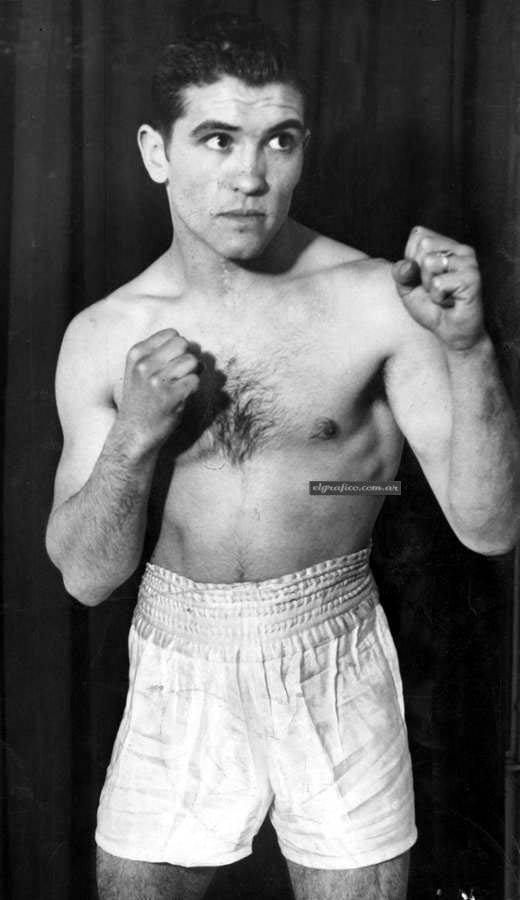
Pérez made his professional debut on 5 December 1952, knocking out José Ciorino in the fourth round at Gerli, in Greater Buenos Aires. He was managed by Lázaro Koci, and the WBA says none of his first eighteen opponents lasted the distance. Juan Bishop finally did so in April 1954 and lost on points. Along the way Pérez won the Argentine flyweight title in 1953 by knocking out Marcelo Quiroga.
Shirai at Luna Park: A Draw Before Perón
Yoshio Shirai had become Japan's first world champion in 1952. On 24 July 1954 he came to Buenos Aires for a ten-round non-title bout with Pérez at Luna Park. Wikipedia notes that President Juan Perón was in the crowd. Biografías y Vidas says Shirai was about 18 centimetres taller. The fight ended in a draw, Pérez's first blemish as a professional, and the result was enough to earn him a title shot.
Tokyo, November 1954: Argentina's First World Champion
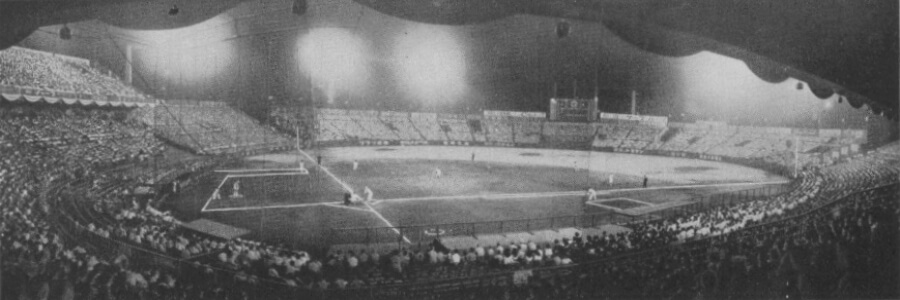
The rematch, this time for the world flyweight championship, took place in Tokyo on 26 November 1954. Sources differ on the venue: Wikipedia says Korakuen Stadium, while the WBA says Korakuen Hall, which was part of the same complex. Biografías y Vidas gives the date as 24 November, but the other sources agree on the 26th.
Over fifteen rounds, Pérez, much the smaller man, knocked Shirai down in the second round and again in the twelfth, according to the WBA. All three officials scored the fight for him. The figures differ between sources: Wikipedia lists 146-139, 143-139 and 146-143, while the WBA gives 146-143, 143-139 and 145-143. Either way, the decision was unanimous. Pérez became Argentina's first world boxing champion, and Wikipedia also calls him the smallest man to win the flyweight title. In Spanish he was known as "El Pequeño Gigante", the Little Giant, and also as the Mendoza Lion.
Shirai got another chance on 30 May 1955 in Tokyo. This time Pérez knocked him out in the fifth round.
A Champion Who Travelled
Pérez did not wait for challengers to come to Buenos Aires. Wikipedia lists title fights or bouts across South America, the Caribbean and Asia, including Brazil, the Dominican Republic, Curaçao, Japan, Paraguay, the Philippines, Thailand, Uruguay and Venezuela. The WBA counts nine successful defences and says he also won all eighteen of the non-title fights he took during the reign.
Some of the defences ended quickly. In March 1957 he knocked out Britain's Dai Dower in the first round, and later that year he did the same to Young Martin. Others were harder. Against Ramón Arias in April 1958, the WBA writes, Pérez was knocked down himself and got up from a count of six before keeping his title. In December 1958 he beat Dommy Ursua of the Philippines over fifteen rounds, and in August 1959 he defended against Kenji Yonekura.
His unbeaten record ended in a non-title fight on 16 January 1959, when Sadao Yaoita outpointed him over ten rounds in Tokyo. Pérez put the title on the line against Yaoita in November 1959 and knocked him out in the thirteenth round.
Bangkok, April 1960: Pone Kingpetch Ends the Reign
On 16 April 1960, Pérez defended against Pone Kingpetch at Lumpinee Stadium in Bangkok. Kingpetch was much taller, standing about five feet seven by the WBA's measurement. He won over fifteen rounds and became Thailand's first world boxing champion. Sources disagree on the scoring: Wikipedia's pages on both men record a split decision, while the WBA calls it unanimous.
The return was held on 22 September 1960 at the Olympic Auditorium in Los Angeles. Kingpetch stopped Pérez in the eighth round. It was the first time Pérez had been stopped as a professional, and he never fought for a world title again.
The Long Road to Retirement
Pérez kept fighting for nearly four more years. Between 1961 and 1964 he put together a 28-fight winning streak with twenty knockouts, the WBA says, though Wikipedia notes that most of those wins came against lesser opposition. The end came quickly after that. He lost a split decision to Leo Zulueta and a ten-round decision to Bernardo Caraballo in Colombia in July 1963. His last fight was on 15 March 1964, when Eugenio Hurtado of Panama stopped him in the sixth round. Pérez was 37.
His final record, as given by Wikipedia and the WBA, was 84 wins (57 by knockout), 7 losses (3 inside the distance) and 1 draw in 92 professional fights.
Hard Years and an Early Death
Biografías y Vidas estimates that Pérez earned about $400,000 in the ring, but little of it lasted. The WBA writes that he was cheated out of his money and at one point was reduced to shining shoes. He died in Buenos Aires on 22 January 1977, aged 50. The WBA gives the cause as hepatic and renal failure, while Wikipedia mentions complications of liver disease. He was buried in La Chacarita Cemetery. Biografías y Vidas gives his year of death as 1997, but that contradicts every other source consulted.
The Little Giant's Legacy
Pérez is in the International Boxing Hall of Fame in Canastota. Wikipedia and Biografías y Vidas date his induction to 1995, in the same class as fellow Argentines Carlos Monzón, Nicolino Locche and Víctor Galíndez, while the WBA gives 1997. In 2007 the boxing arena in Mendoza was renamed in his honour. BoxRec ranks him the greatest flyweight of all time. He is often named with Jimmy Wilde and Miguel Canto as one of the three finest flyweights in history, and the WBA points out that dozens of Argentine men and women have followed him as world champions.
Sources
- Pascual Pérez (boxer), Wikipedia, accessed October 2026
- Pascual Pérez, the First "Che" to Win a World Title, World Boxing Association (wbaboxing.com), accessed October 2026
- Pascual Pérez athlete profile, Olympedia, accessed October 2026
- Pascual Pérez, Biografías y Vidas, accessed October 2026
- Pone Kingpetch, Wikipedia, accessed October 2026


