
Herol 'Bomber' Graham Was Ingle's Defensive Genius With Three World Title Defeats and a Long Fight After Boxing
Herol Graham went 38 fights unbeaten, won British, Commonwealth and European titles and lost three world title bids by the narrowest of margins. This is the story of the Bomber, from Nottingham and Brendan Ingle's Sheffield gym to his struggles after retirement.

Herol Graham went 38 professional fights without defeat, won British, Commonwealth and European titles at two weights, and made world-class punchers miss so often that opponents looked foolish. He fought for a world title three times and lost all three. The story of the Bomber, from Nottingham to Brendan Ingle's gym in Sheffield and on to the hard years after boxing, explains why so many in the British game still call him the best of their fighters never to wear a world belt.
From Nottingham to the Wincobank Gym
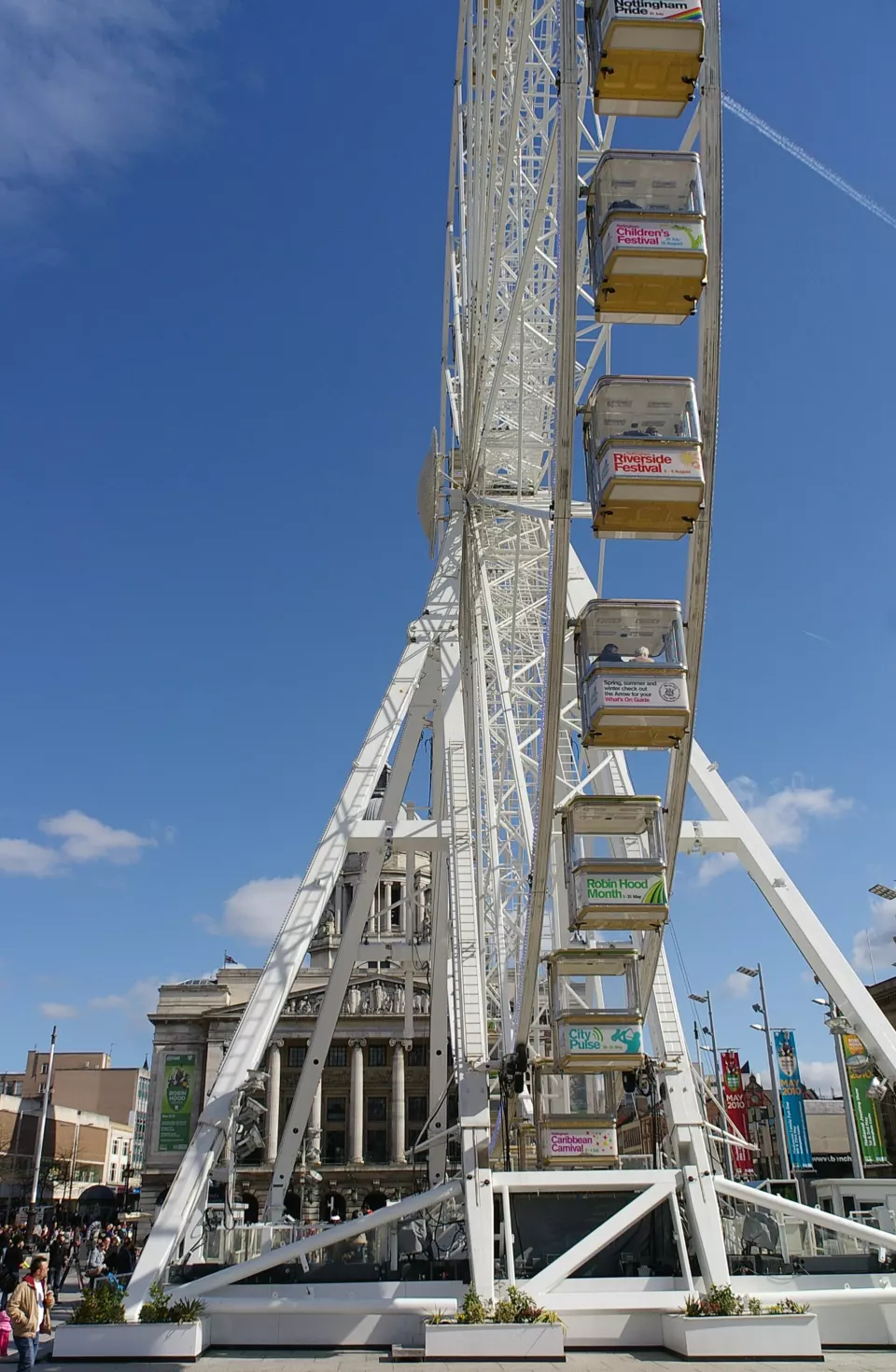
Graham was born in Nottingham on 13 September 1959 to Jamaican parents. His boxing life, though, belongs to Sheffield and to a converted church-hall club in the suburb of Wincobank. Brendan Ingle, an Irishman who had started weekly dances at St Thomas' church hall to give local youngsters somewhere to go, turned that project into the St Thomas' Boys and Girls Club, and it became one of the most distinctive boxing gyms in Britain.
Ingle's teaching put footwork and reflexes at the centre of defence, so that a fighter's hands stayed free to attack. Graham, a tall, rangy southpaw, was the method in its purest form. As an amateur he won the junior world title at welterweight in 1976, beating a young John Mugabi, reached the ABA light-middleweight final in 1977 and won the ABA middleweight championship in 1978. He turned professional that year.
Thirty-Eight Without a Loss
The professional climb was steady and, for most of a decade, flawless. Graham took the British light-middleweight title in March 1981 and added the Commonwealth belt that November. The European light-middleweight title followed in May 1983. Moving up, he won the British middleweight championship in April 1985, then the European middleweight crown in February 1986 by beating Ayub Kalule. In 1984 he had also outpointed the American Lindell Holmes.
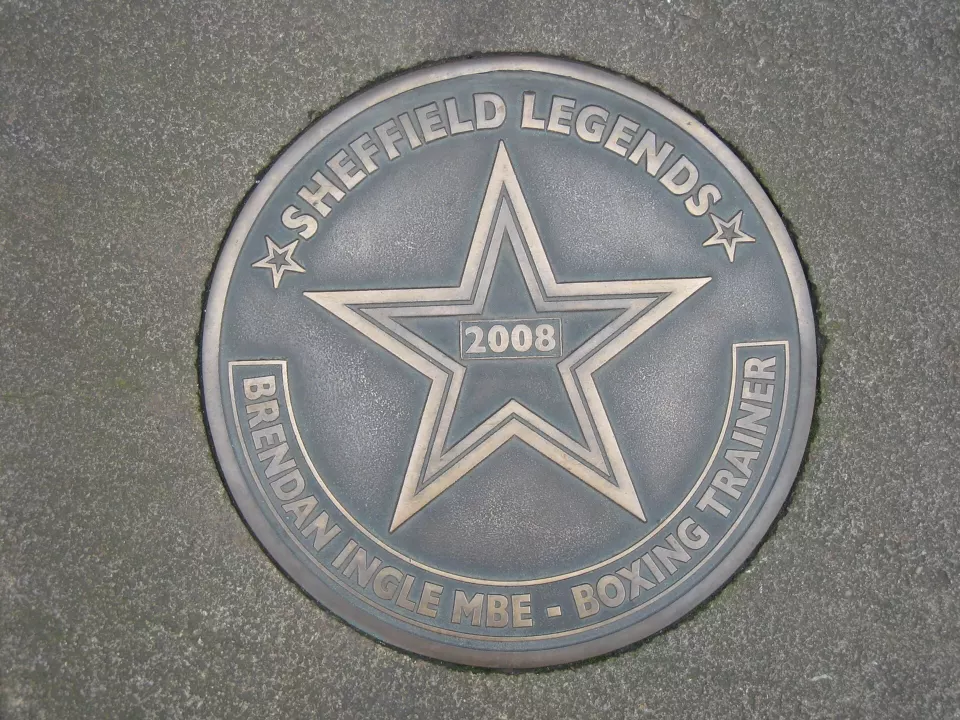
His reputation was built on evasion: slipping, swaying and dropping his hands while opponents punched air. Writing for Boxing News in December 2024, Steve Bunce argued that the image of Graham as a non-puncher was a myth, pointing out that 21 of his first 38 wins came inside the distance. Ingle himself later called him "the best person to come out of our gym," a remarkable line from a trainer who went on to produce five world champions, among them Naseem Hamed and Johnny Nelson.
Sumbu Kalambay Breaks the Spell
The unbeaten run ended on 26 May 1987, when Graham lost his European middleweight title to Sumbu Kalambay. Bunce describes the margin as narrow, a matter of a round or two. Kalambay went on to become WBA middleweight champion, and in a twist that shaped Graham's next move, he was later stripped of that belt for choosing to fight IBF champion Michael Nunn rather than the WBA's leading contender, who happened to be Graham.
Royal Albert Hall, 1989: One Point from the Title
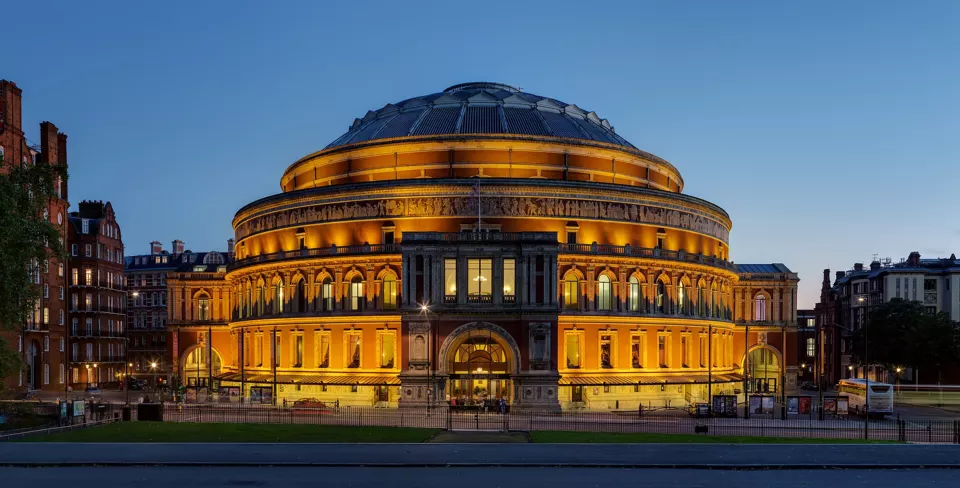
The vacancy was filled on 10 May 1989 at the Royal Albert Hall in London, where Graham met Mike McCallum, a future Hall of Famer, for the WBA middleweight title. It went the full twelve rounds and McCallum won a split decision. Accounts agree that a point taken from Graham in the eighth round decided the outcome, but they differ on why: Wikipedia records it as a penalty for a punch to the back of McCallum's head, while Bunce writes that it came when Graham tried to throw McCallum off. Bunce also notes that McCallum went down in the fifth round, and that Graham's corner suffered from conflicting instructions between Brendan Ingle and Barney Eastwood. Without that deduction, as Bunce points out, the title would have gone home to Sheffield.
Benalmádena, 1990: The Punch That Became Famous
A second chance came on 24 November 1990 for the vacant WBC middleweight title against the hard-hitting Julian Jackson. Jackson had needed surgery for a damaged retina, and the British Boxing Board of Control would not license the fight in Britain, so it was staged at a hotel and casino in Benalmádena in southern Spain.
For three rounds Graham boxed beautifully. His left hand opened damage around Jackson's left eye, and The Fight City reports that the ringside doctor warned Jackson's corner the contest could be stopped if things did not improve. Graham was ahead on all three cards. Then, in the fourth, Jackson landed a single right hand. Graham was unconscious before he reached the canvas and, according to both Wikipedia and Bunce, was out for around five minutes. The Fight City's account says Graham saw the punch late and lifted his chin as he tried to pull away from it. The knockout has been replayed ever since as one of the most dramatic one-punch finishes in middleweight history.
Defeats, Absence and an Unlikely Return
Graham won a British middleweight title again in Sheffield in December 1991, but the early 1990s turned against him. He lost a rematch to Kalambay on 12 March 1992 and was beaten by Frank Grant on 23 September 1992. With Chris Eubank and Nigel Benn dominating British headlines, he slipped out of the conversation and out of the ring for four years.
He returned in November 1996 at the Concord Centre in Sheffield against Terry Ford. The comeback carried weight: on 6 December 1997, at Wembley Arena, Graham outpointed the popular American Vinny Pazienza and earned one last world title opportunity.
Atlantic City, 1998: The Last Attempt
On 28 March 1998, aged 38, Graham challenged Charles Brewer for the IBF super-middleweight title at the Boardwalk Convention Center in Atlantic City. It was Brewer's second defence. Graham was stopped in the tenth of twelve scheduled rounds, and he did not box again. He finished with 48 wins, 28 of them inside the distance, and six defeats, three of them by stoppage.
After the Final Bell
Retirement was not kind. Graham worked as a personal trainer in London and in 2011 published an autobiography, Bomber: Behind the Laughter. Wikipedia notes that he has lived with ongoing mental health problems linked to injuries from boxing.
In January 2018 Boxing News published a long feature by Ian Probert, who visited Graham, then 58, in a mental health hospital. The piece reported that he had been sectioned for a second time in late 2017 and was being treated with medication, and it recounted a suicide attempt in 2009. Probert found a man badly diminished, but still capable of flashes of humour. Graham's former partner Karen Neville, who had helped him through earlier crises, was herself fighting a relapse of cancer at the time.
The story did not end there. In November 2025, at the British Boxing Board of Control Southern Area awards, Boxing News reported that Graham appeared in good spirits, surrounded by former champions who wanted to pay their respects.
The Case for the Bomber
At that same ceremony, Naseem Hamed, another product of Ingle's gym, named him as his greatest inspiration. "Herol was everything to me. He's one of the best fighters this country has ever had," Hamed said, as quoted by Boxing News.
The record explains the regret. Two world title fights were lost by a single deducted point and a single punch while Graham was winning, and the third came at 38 in a heavier division. In between, his style helped shape a whole school of Sheffield boxing, from Hamed to Nelson. Bunce's verdict is that Graham still lacks the respect he deserves. The phrase most often attached to his name, the best British boxer never to win a world title, carries both praise and a sense of loss.
Sources
- Herol Graham, Wikipedia, accessed October 2026
- Brendan Ingle, Wikipedia, accessed October 2026
- Julian Jackson (boxer), Wikipedia, accessed October 2026
- Charles Brewer (boxer), Wikipedia, accessed October 2026
- The unrewarded genius of Herol Graham, Steve Bunce, Boxing News, 28 December 2024
- Herol Graham in turmoil, Ian Probert, Boxing News, 27 January 2018
- Prince Naseem Hamed names the fighter who was his biggest inspiration, Boxing News, 17 November 2025
- Nov. 24, 1990: Jackson vs Graham, The Fight City
- Herol Graham title fight record, BoxingTitleFights.com


