
Ray 'Boom Boom' Mancini the Youngstown Son Won His Father's Title
From Youngstown to the WBA lightweight crown, Ray Mancini fought to finish his father's interrupted career, then lived with the 1982 death of Kim Duk-koo, a tragedy that led boxing to 12-round title fights.

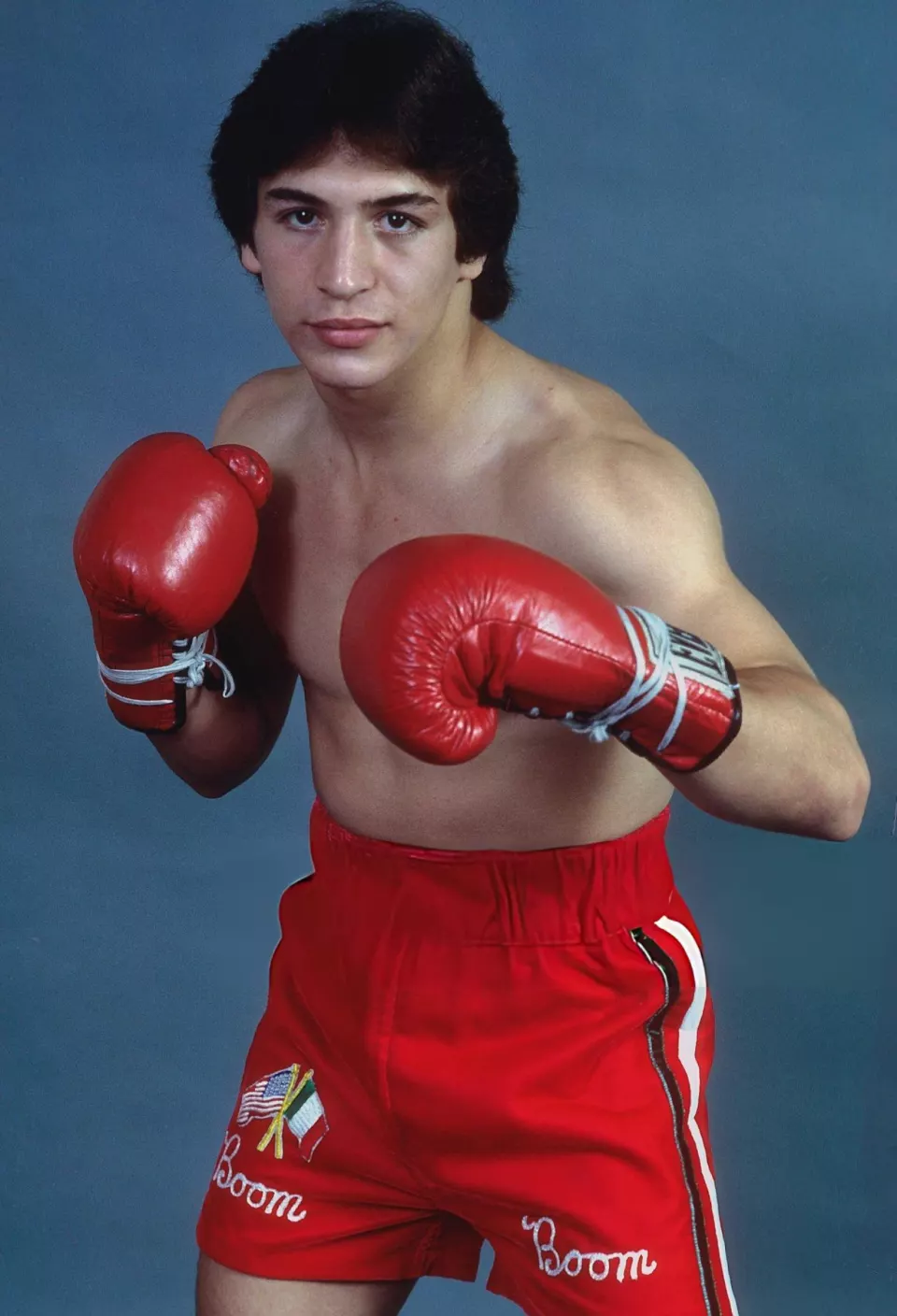
Ray "Boom Boom" Mancini carried a nickname he did not invent and a title ambition that was not entirely his own. Born in Youngstown, Ohio, in 1961, he set out to finish what a war had taken from his father, won the WBA lightweight championship at 21, and within six months stood at the centre of one of the darkest nights the sport has known. His story is one of family loyalty, television stardom, a death in the ring that changed the rules of championship boxing, and two bruising defeats to Livingstone Bramble.
The First Boom Boom: Lenny Mancini and the War
The name belonged first to Lenny Mancini, born in Youngstown on July 12, 1919. He turned professional in 1937 and became a hard-hitting lightweight contender on the eve of the Second World War. In May 1941 he met the reigning NBA lightweight champion, Sammy Angott, in a non-title bout and lost a close split decision. A later win over Dave Castilloux pushed him to the top of the contenders' list for Angott's crown.
The title shot never came. After the United States entered the war, Lenny was drafted, served first in the Medical Corps and was then moved to the infantry. He was wounded at Metz in 1944 and awarded the Purple Heart. When he returned to the ring he campaigned at welterweight and middleweight rather than his old division, and he retired in 1947 after back-to-back losses to Harry Hurst and Rocky Castellani. Wikipedia lists his final record at 46 wins, 12 losses and 3 draws with 16 knockouts; other published tallies give slightly different totals, as is common for fighters of that era.
A Son's Promise in Youngstown
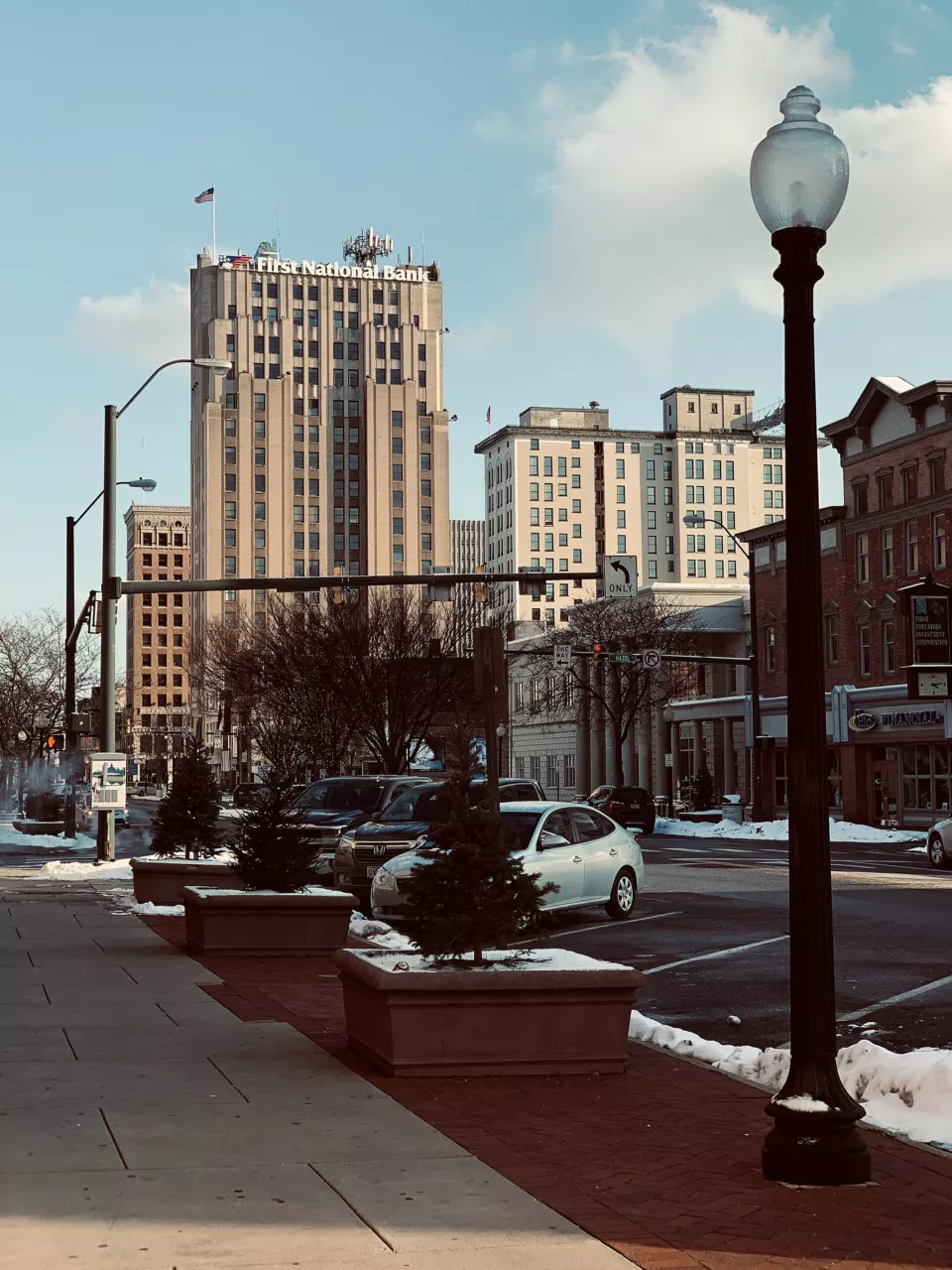
Ray was born in Youngstown on March 4, 1961, decades after his father's career had ended. He grew up with the family legend of the title that should have been, and he took on both the nickname and the mission. Writer Mark Kriegel built his biography of Mancini, The Good Son, around that bond: a boy determined to win the championship his father had been denied.
Mancini turned professional on October 18, 1979, knocking out Phil Bowen in the first round. His relentless, forward-marching style and his father's backstory made him a natural fit for network television, and his early career was showcased largely on CBS. In May 1981 he won the NABF lightweight title from Jorge Morales and defended it two months later against the durable Jose Luis Ramirez.
Arguello, Then Frias: The Road to the WBA Title
Still unbeaten, Mancini was matched with Alexis Arguello for the WBC lightweight title on October 3, 1981. Arguello, one of the finest fighters of his generation, stopped him in the 14th round.
His second chance arrived on May 8, 1982, at the Aladdin in Las Vegas, against WBA champion Arturo Frias. The fight was fought at a ferocious pace from the opening bell, and Mancini finished it inside the first round, the stoppage coming at 2:54. At 21, the son had won the title the father never got to fight for. He followed up with a sixth-round knockout of Ernesto Espana in July 1982.
Caesars Palace, November 13, 1982
Mancini's next defence was against the WBA's leading contender, Kim Duk-koo of South Korea. Kim, born in 1955 in Gangwon Province, had lost his father as a small child and grown up poor. He turned professional in 1978, became Korean national champion and earned his world title shot by winning the OPBF lightweight title in February 1982. He arrived in Las Vegas with a record of 17-2-1, having fought outside Korea only once before.
The bout at Caesars Palace, broadcast live on CBS, was competitive through the middle rounds. Mancini hurt his left hand in the third round, and referee Richard Green deducted a point from Kim in the tenth for holding and hitting. Mancini took control from the 11th round onward, unloading a long barrage early in the 13th. In the 14th, consecutive right hands sent Kim down; he rose, but Green stopped the fight 19 seconds into the round.
Minutes later Kim lost consciousness. Doctors found a subdural hematoma, a large blood clot on the right side of the brain, and performed emergency surgery. He never woke. His mother, Yang Sun-yo, travelled to Las Vegas, and with her consent Kim was taken off life support. He died on November 18, 1982, five days after the fight.
The Aftermath and the Twelve-Round Title Fight
The grief did not end there. Three months later, Kim's mother took her own life. On July 1, 1983, referee Richard Green also died by suicide. Back in Korea, the Korea Herald's coverage at the time called for stronger safeguards in the sport.
The lasting reform concerned distance. The WBC moved first, announcing in late 1982 that its world title fights would be cut from 15 rounds to 12, effective from the start of 1983. Pre-fight medical examinations across the sport also became more thorough. The other sanctioning bodies followed later, though sources differ on exact dates: the Korea Herald and one Wikipedia article place both the WBA and IBF changes in 1987 while the Wikipedia article on the fight itself gives October 1987 for the WBA and June 1988 for the IBF. Whatever the timing, twelve rounds became the standard for championship boxing.
Mancini considered walking away. He cancelled a scheduled title defence and returned in February 1983 in a non-title fight against George Feeney in Italy. By every account the burden followed him for decades. Years later he met Kim's son, Kim Chi-wan, who had become a dentist, and the boy's mother in California, a meeting recorded for the documentary The Good Son. Wikipedia dates the visit to 2011 and the Korea Herald to 2012.
Romero, Chacon and the Champion's Last Wins
Mancini kept the WBA belt through two more defences. He knocked out Orlando Romero in the ninth round in September 1983, then stopped former champion Bobby Chacon in the third round in January 1984.
Livingstone Bramble: Buffalo, June 1984
Livingstone Bramble, born in 1960 in the West Indies and raised on St. Croix in the U.S. Virgin Islands, came into the fight 20-1 but a heavy underdog. He was best known outside boxing for his eccentric image, including a pet snake that accompanied him to the ring.
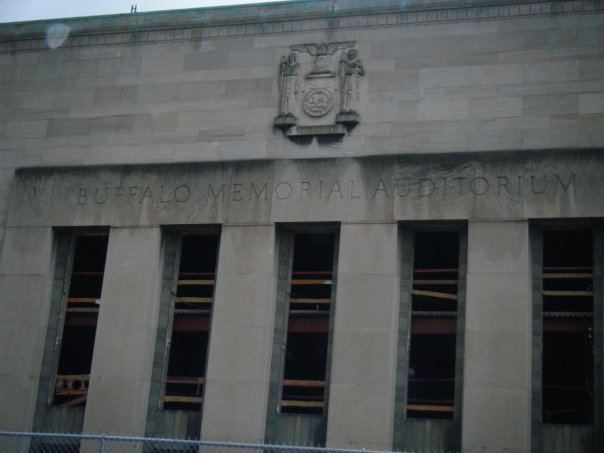
They met on June 1, 1984, at the Memorial Auditorium in Buffalo, New York. An accidental clash of heads opened a cut above Mancini's right eye in the first round. His nose was cut in the sixth and his left eye in the ninth, and by the tenth his face was badly swollen. After 13 rounds two judges still had Mancini ahead, 125-122 and 124-123, while the third had Bramble in front 126-121. Referee Marty Denkin stopped the fight 53 seconds into the 14th round, and Mancini left the arena by ambulance to have his cuts treated. His manager, Dave Wolf, told UPI that "the power wasn't there" and that Mancini wanted a rematch immediately.
The Reno Rematch, February 1985
The rematch took place on February 16, 1985, at the Lawlor Events Center in Reno, Nevada, broadcast by HBO. It is remembered as the first fight tracked by the CompuBox punch-counting system. Bramble reopened the old wound over Mancini's left eye and cut him above the right with an uppercut in the fifth; by the seventh the left eye was nearly closed. Referee Mills Lane twice had the ringside doctor examine Mancini, and both times the fight went on.
It went the full 15 rounds, and the scoring could hardly have been tighter: 144-143, 143-142 and 143-142, all for Bramble. CompuBox, however, credited Bramble with 671 landed punches to Mancini's 381.
Comebacks, the Hall of Fame and Life After the Ring
The Bramble rematch was Mancini's last fight for four years. He returned in March 1989 against Hector Camacho and lost a split decision, then fought for the final time in April 1992, when Greg Haugen stopped him in the seventh round. He finished with 29 wins, 23 by knockout, and 5 losses.
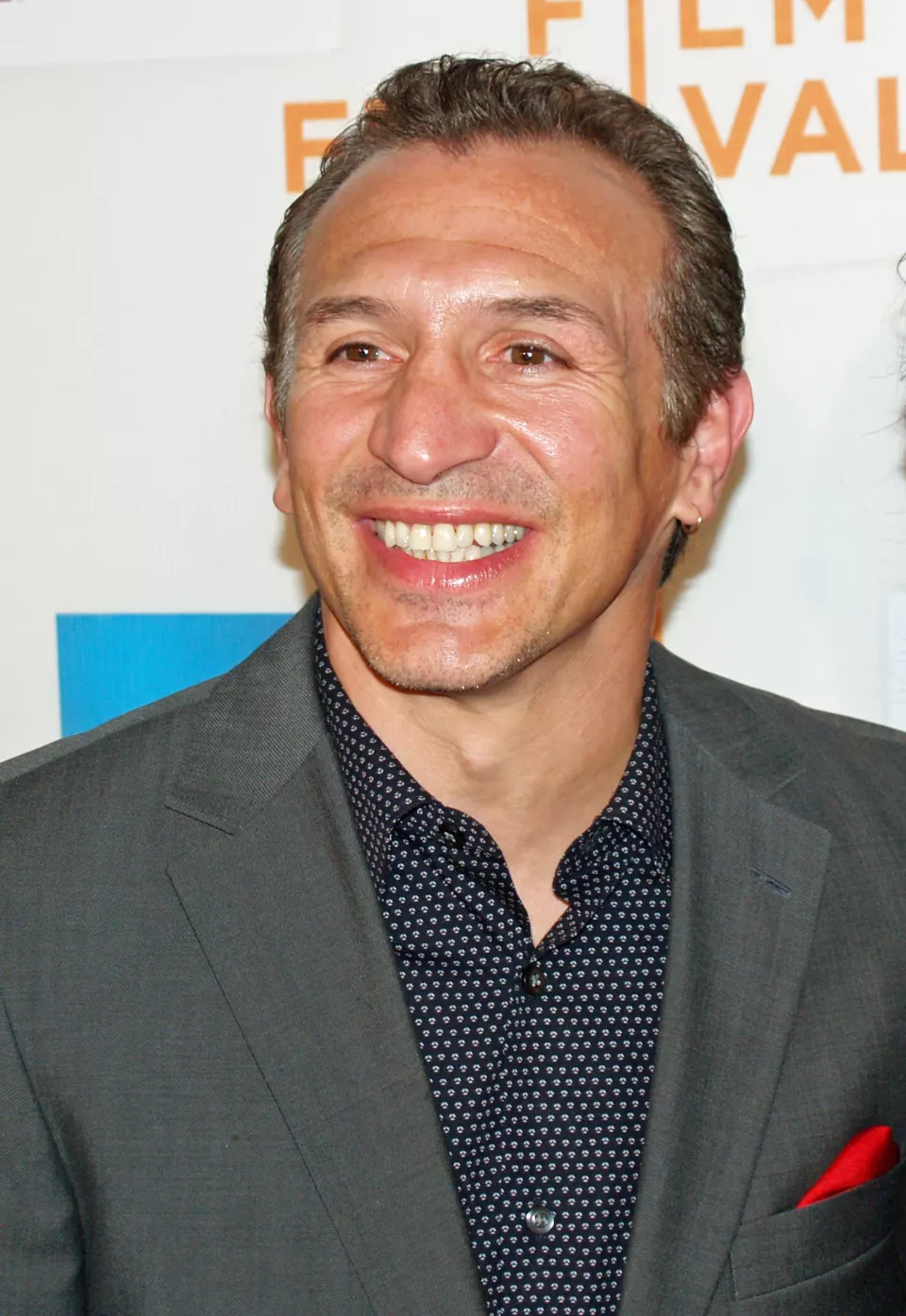
Away from the ring, Mancini acted in films, worked in production, including the 2010 documentary Youngstown: Still Standing, and ran business ventures. Lenny Mancini, the original Boom Boom, died on November 29, 2003. In 2015 his son was inducted into the International Boxing Hall of Fame in Canastota, New York.
Sources
- Ray Mancini, Wikipedia, accessed October 2026
- Lenny Mancini, Wikipedia, accessed October 2026
- Kim Duk-koo, Wikipedia, accessed October 2026
- Ray Mancini vs. Kim Duk-koo, Wikipedia, accessed October 2026
- Ray Mancini vs. Livingstone Bramble, Wikipedia, accessed October 2026
- Livingstone Bramble vs. Ray Mancini II, Wikipedia, accessed October 2026
- Livingstone Bramble, Wikipedia, accessed October 2026
- How tragedy of Kim Duk-goo changed boxing forever, The Korea Herald, April 19, 2023
- Livingstone Bramble says he's ready to fight anyone, UPI, June 2, 1984


